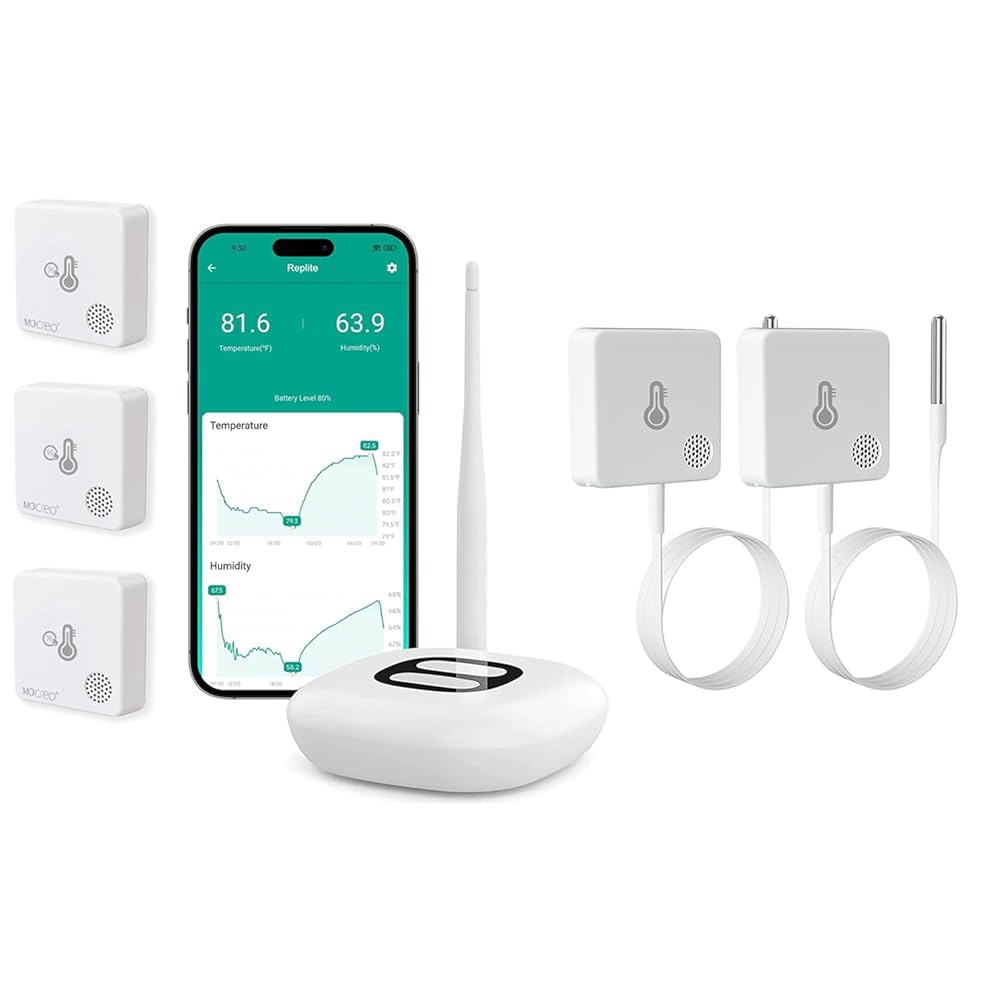
Isn’t it frustrating when you worry about the temperature of your freezer while you’re away? You might be at work, running errands, or on vacation, and suddenly the thought hits you: is everything okay with your frozen goods?
Imagine being able to check and monitor your freezer’s temperature anytime, anywhere, with just a few taps on your phone. This not only provides peace of mind but also saves you from potential spoilage and costly losses. In this guide, you’ll discover how easy it is to set up a system that allows you to keep an eye on your freezer’s temperature remotely.
Get ready to eliminate those worries and ensure your food stays safe and fresh at all times. Stay tuned and learn how you can take control of your freezer’s temperature, even when you’re not at home.

Credit: www.telsen.com
Importance Of Freezer Temperature Monitoring
Keeping a close eye on your freezer’s temperature is more important than you might think. It’s not just about avoiding spoiled food — monitoring helps protect your investment and can save you money. Remote temperature monitoring gives you real-time updates, so you can react quickly if something goes wrong, even when you’re not nearby.
Impact On Food Safety
Food safety depends heavily on maintaining the right freezer temperature. If your freezer gets too warm, bacteria can grow and spoil your food faster. This can lead to health risks that affect you and your family.
Imagine discovering after a weekend trip that your freezer was above safe levels for hours. That’s where remote monitoring alerts come in handy—they notify you immediately so you can prevent food waste and potential illness.
Preventing Equipment Damage
Freezers are complex machines that can suffer damage if not kept at the correct temperature. Fluctuations might cause the compressor to overwork or ice buildup to block vital components.
By tracking temperature remotely, you catch problems early. This proactive approach stops minor issues from turning into costly repairs or total equipment failure.
Cost Savings From Early Detection
Early alerts about temperature changes help you avoid expensive losses. Spoiled food means throwing away money, and repairing or replacing broken freezers adds up quickly.
Investing in remote monitoring pays off by reducing waste and repair costs. It’s a smart move for anyone wanting to protect their budget and their freezer’s lifespan.
Choosing The Right Remote Monitoring Device
Choosing the right remote monitoring device is key to keep your freezer temperature safe. The device must be reliable and fit your freezer type. It should send alerts quickly if temperatures change. This helps protect your food or products from spoilage.
Consider the sensor type, how it connects, and if it works with your freezer. These factors affect accuracy and ease of use. A good choice saves time and prevents costly losses.
Types Of Temperature Sensors
Temperature sensors vary by design and use. Common types include thermocouples, thermistors, and digital sensors. Thermocouples work well in very cold or hot settings. Thermistors are accurate and budget-friendly for freezers. Digital sensors provide precise readings and easy data access. Choose a sensor that matches the temperature range and environment of your freezer.
Wireless Vs Wired Options
Wireless sensors offer freedom from cables and easy placement. They send data via Wi-Fi or Bluetooth to your phone or computer. Wired sensors need physical connections but tend to be very stable. Wired options avoid interference and power issues seen in wireless devices. Think about where your freezer is and how easy it is to install wires. Wireless suits flexible setups, wired fits fixed locations with steady power.
Compatibility With Freezer Models
Not all sensors fit every freezer model. Check your freezer’s size, design, and material. Some sensors attach inside, others outside or in vents. Make sure the sensor can handle the freezer’s temperature range. Look for devices that list compatibility with your freezer brand or type. Proper fit ensures accurate readings and long sensor life.
Setting Up Remote Temperature Monitoring
Setting up remote temperature monitoring for your freezer helps keep your food safe. It lets you watch the temperature from anywhere using a smartphone or computer. This setup involves installing sensors, connecting to the internet, and setting alerts. Each step is important to ensure accurate and timely monitoring.
Installing Sensors Correctly
Place the temperature sensors inside the freezer where air flows freely. Avoid spots near the door or walls to get true readings. Secure the sensor so it does not move or touch frozen items. Check the sensor’s manual for any specific placement tips. Proper installation keeps data accurate and reliable.
Connecting To Wi-fi Or Networks
Connect the sensors to your Wi-Fi or local network for remote access. Use a strong Wi-Fi signal near the freezer to avoid disconnections. Follow the device’s app or website instructions to link the sensor to the network. Test the connection before final setup to ensure smooth data transmission. A stable network allows real-time temperature updates.
Configuring Alerts And Notifications
Set up alerts to notify you if the temperature goes too high or low. Choose how you want to receive notifications: email, text, or app alerts. Adjust the alert thresholds based on your freezer’s safe temperature range. Test the alert system by simulating temperature changes. Timely alerts help you act fast to prevent food spoilage.

Credit: www.amazon.com
Popular Monitoring Systems And Apps
Keeping an eye on your freezer’s temperature remotely has become much easier thanks to a variety of monitoring systems and apps available today. These tools not only alert you to temperature fluctuations but can also save you from costly food spoilage. Understanding what options suit your needs can make a big difference in how effectively you protect your frozen goods.
Top Devices On The Market
Several devices stand out for their reliability and ease of use. The SensorPush Wireless Thermometeroffers precise readings and sends alerts directly to your phone. Another popular choice is the Temp Stick WiFi Temperature Sensor, which works well even if your freezer is far from your router.
These devices often come with long battery life and simple setup processes. Think about the size of your freezer and placement options before choosing a device. Would you prefer a sensor that sticks inside or one that hangs outside the freezer door?
User-friendly Mobile Apps
Mobile apps have made monitoring freezer temperature as easy as checking your social media. Apps like SensorPushand Temp Stickprovide real-time data and customizable alerts. You can set temperature thresholds to get notified immediately if your freezer gets too warm.
Many apps also allow you to view historical temperature trends, which can help you spot recurring issues. Have you ever wondered if your freezer struggles to maintain temperature during power outages? These apps can provide those insights.
Integration With Smart Home Systems
If you already use a smart home system, integrating your freezer monitor can enhance your overall home management. Devices compatible with Amazon Alexa, Google Assistant, or Apple HomeKitlet you check freezer status with simple voice commands. Some systems even trigger automatic actions, like turning on a backup power source or sending alerts to multiple family members.
Integration can help you manage multiple appliances from one place, reducing the risk of missing critical alerts. Do you want your freezer monitor to work seamlessly with other smart devices in your home? This could be the solution you’re looking for.
Maintaining Accurate Temperature Readings
Maintaining accurate temperature readings is crucial for effectively monitoring your freezer remotely. Inaccurate data can lead to food spoilage or even safety risks. Ensuring your temperature sensors provide reliable information requires consistent attention to calibration, power supply, and sensor placement.
Regular Calibration
Calibration keeps your temperature sensors aligned with true freezer conditions. Without it, sensors may drift over time, showing incorrect temperatures.
Set a schedule to calibrate your sensors at least every three months. Use a high-quality reference thermometer to compare readings. If you notice any discrepancy beyond 1-2°F (0.5-1°C), recalibrate immediately.
Have you ever trusted a sensor only to find your food thawed? Regular calibration avoids that costly mistake.
Battery And Power Management
Power issues can cause sensors to send false readings or stop working altogether. Check battery levels frequently, especially in wireless devices.
Keep spare batteries on hand and replace them before they run low. If your sensor uses a power adapter, ensure the connection is secure and the outlet is reliable.
Consider setting alerts for low battery status to stay ahead. How often do you check the batteries in your remote sensors?
Sensor Placement Tips
Where you place your sensor affects the accuracy of temperature readings. Avoid placing sensors near the freezer door or directly on the cooling element.
Position the sensor in the middle of the freezer, away from vents and walls. This placement gives a better average of the overall temperature.
Use small holders or clips to keep sensors stable and prevent contact with ice buildup. Have you tested different spots in your freezer to find the most consistent reading?
Troubleshooting Common Issues
Monitoring freezer temperature remotely can face some common issues. These problems can disrupt your ability to keep food safe. Troubleshooting helps restore smooth operation. Understanding these issues makes fixing faster and easier.
Signal interruptions, false alerts, and device malfunctions appear often. Knowing how to handle each can save time and stress. This section covers practical solutions for common problems.
Signal Loss Solutions
Signal loss stops data from reaching your device. Check the Wi-Fi or cellular network first. Move the freezer or router closer if signals are weak. Avoid placing devices near metal objects or thick walls. Restart the router and monitoring device to reset connections.
Use a Wi-Fi extender or booster to improve coverage. Keep the device firmware updated for better signal handling. Test the connection regularly to catch issues early.
False Alerts Handling
False alerts cause unnecessary worry and disrupt your routine. Check sensor placement to ensure it is correct and stable. Avoid placing sensors near heat sources or vents. Calibrate sensors according to the manufacturer’s guide. Adjust alert thresholds to prevent minor fluctuations from triggering alarms.
Review alert settings in the app or monitoring platform. Disable alerts temporarily during planned maintenance or door openings. Document false alerts to identify patterns and address root causes.
Device Malfunction Fixes
Device malfunctions stop temperature tracking completely. Inspect the device for visible damage or loose connections. Replace batteries or recharge if needed. Reset the device to factory settings to clear errors. Update the device software or firmware for bug fixes.
Contact customer support if problems persist after basic fixes. Keep a backup monitoring device for critical freezers. Regular maintenance and cleaning extend device life and reliability.
Benefits Of Remote Monitoring For Businesses
Remote monitoring of freezer temperature offers several clear benefits for businesses, especially those handling sensitive goods like food, pharmaceuticals, or chemicals. It allows you to keep a close eye on critical conditions without being physically present. This not only saves time but also reduces the risks associated with temperature fluctuations.
24/7 Monitoring Advantages
Having constant access to your freezer’s temperature data means you can respond immediately to any irregularities. Imagine being alerted in the middle of the night if the freezer starts warming up unexpectedly. This kind of real-time insight can prevent costly spoilage and downtime.
Remote monitoring tools often come with automated alerts via SMS or email. This ensures you never miss a critical temperature change, no matter where you are. Wouldn’t you want to know instantly if your products are at risk?
Compliance With Health Standards
Many industries must follow strict regulations for storing perishable items. Remote temperature monitoring helps you maintain accurate records effortlessly, which is essential for inspections and audits. It reduces human error compared to manual logging and provides reliable proof of compliance.
Think about how much easier it is to generate reports with data already collected automatically. This can save you hours of paperwork and lower the chance of penalties due to non-compliance. How much peace of mind would that give you?
Enhanced Inventory Management
Knowing the exact temperature history of your freezer helps you make smarter decisions about inventory rotation. You can identify when certain items might be at risk and prioritize their use or replacement accordingly. This reduces waste and protects your bottom line.
Remote monitoring also enables better planning by spotting trends or recurring issues. If a freezer frequently experiences temperature spikes, you can address the root cause before it affects your stock. How often could early warnings prevent losses in your business?

Credit: www.amazon.com
Frequently Asked Questions
How Can I Monitor Freezer Temperature Remotely?
You can use Wi-Fi or cellular-enabled temperature sensors. These devices send real-time data to your smartphone or computer. They alert you instantly if temperatures deviate from set limits, ensuring food safety and preventing spoilage.
What Devices Are Best For Remote Freezer Monitoring?
Smart temperature sensors with app connectivity are ideal. Look for sensors with reliable battery life and alerts. Popular options include wireless probes and IoT-enabled monitors designed for freezing environments.
Is Remote Freezer Temperature Monitoring Cost-effective?
Yes, it prevents costly spoilage and product loss. Early alerts reduce waste and save money. Investing in monitoring devices pays off by maintaining optimal freezer conditions efficiently.
How Often Should Freezer Temperature Be Checked Remotely?
Continuous monitoring is best for accurate data. Most sensors send updates every few minutes. This ensures immediate alerts and keeps your freezer within safe temperature ranges.
Conclusion
Monitoring freezer temperature remotely helps keep food safe and fresh. It saves time by alerting you to any problems fast. You can check the temperature from anywhere at any time. This prevents spoilage and reduces waste. Using simple tools makes the process easy and affordable.
Stay aware of your freezer’s condition without opening it often. Small steps like this protect your food and peace of mind. Start monitoring today for better control and less worry.