Moving a freezer full of food can feel overwhelming. You want to keep your groceries safe and avoid a big mess.
But don’t worry—this guide will help you move your freezer without wasting food or causing damage. By following a few simple steps, you’ll save time, money, and stress. Ready to learn how to move your freezer the right way? Keep reading, and you’ll discover easy tips that make the whole process smooth and worry-free.

Credit: www.yahoo.com
Prepare Your Freezer
Preparing your freezer before moving is key to a smooth process. Taking time to get it ready protects your food and appliance. A well-prepared freezer saves energy and prevents mess during the move.
Clean And Organize
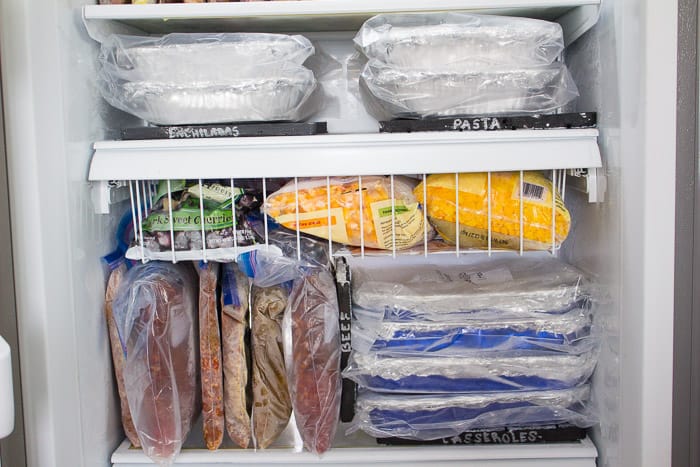
Start by removing any spoiled or expired food items. Wipe down shelves and walls with a mild cleaner. Organize food into groups like frozen vegetables, meats, and leftovers. Use clear containers or bags for loose items. This keeps everything secure and easy to find later.
Check Temperature Settings
Set your freezer to the coldest setting at least 24 hours before moving. This ensures food stays frozen longer during transport. Avoid turning off the freezer until you are ready to unplug it. Keep the door closed as much as possible to maintain the cold temperature.
Gather Moving Supplies
- Heavy-duty blankets or moving pads to protect the freezer surface
- Straps or bungee cords to secure the door
- Coolers or insulated bags for extra perishable items
- Plastic bins or sturdy boxes to hold smaller frozen goods
- Dollies or hand trucks to move the freezer safely
Having these supplies ready before moving day reduces stress. It also helps keep your food safe and freezer undamaged.
Plan The Move
Planning the move of a freezer full of food is key to a smooth experience. Proper preparation helps keep food safe and avoids damage to the appliance. It also reduces stress on moving day. A clear plan covers timing, space, and transport needs.
Choose The Right Moving Day
Pick a day with good weather to avoid extra challenges. Avoid weekends or holidays when traffic is heavy. Moving early in the day helps keep the freezer cold longer. This timing also gives extra time for any unexpected delays.
Measure Doorways And Pathways
Measure the freezer’s height, width, and depth before moving. Measure all doorways, hallways, and staircases along the route. Check for tight turns or narrow spaces that may block the freezer. Make sure the freezer fits easily to prevent damage.
Arrange Transportation
Choose a vehicle that fits the freezer comfortably and keeps it upright. Secure the freezer with straps to avoid shifting during transport. Keep the freezer door closed as much as possible. If moving a long distance, consider using ice packs inside to maintain temperature.
Secure The Freezer
Securing the freezer before moving it full of food is vital to protect both the appliance and its contents. Proper preparation helps avoid leaks, spills, and damage during transport. Careful planning keeps food safe and prevents freezer malfunctions. Follow these tips to secure your freezer efficiently.
Defrost Or Keep Frozen
Decide if defrosting is needed before moving. A fully frozen freezer is heavy and hard to carry. Defrosting prevents water leaks and mold growth during the move. If you keep the freezer frozen, use dry ice or ice packs to maintain the temperature. Make sure the door stays closed tightly to keep food cold.
Empty Or Pack Food Properly
Empty the freezer if possible to make it lighter. If emptying is not an option, pack food properly. Use airtight containers or sealed bags to avoid spills. Wrap fragile items with towels or bubble wrap. Group food items to keep them stable and prevent shifting.
Protect The Appliance
Wrap the freezer with moving blankets or thick towels. Secure the door with strong tape or straps to keep it closed. Use corner protectors to avoid dents and scratches. Keep the freezer upright during transport to protect the compressor. Handle the freezer gently to avoid internal damage.

Credit: blog.hireahelper.com
Transport With Care
Transporting a freezer full of food demands careful handling to avoid damage and spoilage. Your goal is to keep the freezer stable and maintain the cold environment as much as possible. Small mistakes during the move can lead to costly repairs or wasted food, so paying attention to details matters.
Use Proper Lifting Techniques
Freezers are heavy and bulky, especially when filled. Always lift with your legs, not your back, to prevent injury. If possible, get a friend to help you or use a dolly designed for heavy appliances.
Grip the freezer firmly and keep it close to your body as you lift. Avoid twisting your torso while carrying it. Taking these precautions keeps both you and your freezer safe during the move.
Keep Freezer Upright
Keeping the freezer upright is crucial. Laying it on its side or back can cause the compressor oil to flow into the cooling lines, damaging the unit. Even a short trip with it tilted can lead to costly repairs.
If you must tilt the freezer, try to keep it within a 45-degree angle and upright as soon as possible. Think about how you place it in the moving vehicle—secure it so it won’t tip or slide around during transport.
Maintain Temperature During Transport
Food safety is at stake if the freezer warms up too much. Plan your move to be as quick as possible to keep the temperature low. If your trip lasts longer, consider using ice packs or dry ice to help maintain the cold inside.
Have you checked if your freezer’s door seals tightly? A good seal prevents warm air from sneaking in. Also, avoid opening the freezer door during transport; every time you open it, cold air escapes, and food quality drops.
Set Up At New Location
Setting up your freezer properly at its new location is crucial to keep your food safe and your appliance running smoothly. This stage requires attention to detail and patience. Rushing can cause damage or spoil your food, so take your time to ensure everything is just right.
Position And Level The Freezer
Place your freezer in a spot with enough clearance on all sides for airflow. Avoid direct sunlight or areas near heat sources like ovens or radiators, as heat forces the freezer to work harder.
Use a level tool to make sure the freezer sits evenly. An unlevel freezer can cause the compressor to strain or water to pool inside. If the floor isn’t even, adjust the feet or use shims to stabilize it.
Plug In And Wait Before Restocking
Once your freezer is positioned, plug it in but don’t fill it immediately. Give the appliance time—usually around 4 to 6 hours—to reach the proper temperature before adding food.
This waiting period is essential to prevent your food from warming up and potentially spoiling. If your freezer has a digital temperature display, monitor it closely during this time to confirm it reaches the ideal setting.
Check For Proper Operation
After the waiting period, listen for any unusual noises like loud buzzing or clicking. These could signal a problem with the compressor or fan. Feel the interior walls to ensure they are cold and frost is forming as expected.
Are the door seals tight and secure? A loose seal allows cold air to escape, increasing energy costs and risking food quality. Perform a simple test by closing the door on a piece of paper; if the paper slips out easily, adjust or replace the gasket.
Tips For Food Safety
Keeping your food safe while moving a freezer full of groceries is crucial. A sudden rise in temperature can spoil perishables and lead to foodborne illnesses. Use these tips to keep your food fresh and safe throughout the moving process.
Monitor Food Temperature
Keep a thermometer handy to check the temperature inside the freezer and the freezer unit itself. Ideally, the freezer should stay below 0°F (-18°C) to prevent thawing. If you notice the temperature rising above this point, act quickly to either restore power or move items to a cooler place.
Handle Perishables With Care
Separate highly perishable items like dairy, meat, and seafood before moving. Pack them in coolers with ice packs if the move will take longer than an hour. This extra step can prevent spoilage and keep your food safe until your freezer is up and running again.
Minimize Time Without Power
Plan your move to reduce the time your freezer is unplugged. If you’ve ever left your freezer door open for too long, you know how quickly the cold escapes. Keep the door closed as much as possible and plug it in at your new location immediately to maintain food safety.
Credit: www.whirlpool.com
Frequently Asked Questions
How Do I Prepare A Freezer Full Of Food For Moving?
Start by organizing and labeling all items clearly. Use dry ice or ice packs to maintain temperature. Defrost the freezer if possible. Pack food tightly to minimize air gaps. Plan the move quickly to keep food frozen and safe.
Can I Move A Freezer With Food Inside Safely?
Yes, if done carefully and quickly. Keep the freezer upright to avoid compressor damage. Use insulation and ice packs to maintain cold temperatures. Minimize the time the freezer is unplugged during the move to keep food frozen.
How Long Does Food Stay Frozen During A Move?
Food can stay frozen for 24 to 48 hours with proper insulation. Use dry ice or plenty of ice packs to extend cold retention. Avoid opening the freezer door during transit to maintain consistent temperature.
Should I Defrost The Freezer Before Moving?
Defrosting is recommended if the move will take several hours or more. It prevents water leakage and mold growth. However, if moving quickly and keeping food frozen, defrosting may not be necessary. Always check your freezer’s manual for guidance.
Conclusion
Moving a freezer full of food takes careful planning. Start by organizing the food. Pack it tightly. Secure the freezer door with tape. Use a dolly for easy transport. Remember to keep it upright. A friend can help make the process smoother.
Once moved, plug it in immediately. Check the food condition after the move. Avoid opening the door often during transport. Moving a freezer can be simple. Just follow these steps. Enjoy the ease of a stress-free move. Keep your food safe and fresh.
Your freezer and food will thank you.