
Moving your washer and dryer on your own might sound tough, but it doesn’t have to be. Imagine saving money and avoiding the hassle of hiring movers by doing it yourself.
In this guide, you’ll learn simple, step-by-step tips to move your heavy appliances safely and easily. Whether you’re rearranging your laundry room or moving to a new home, these tricks will make the process smoother and less stressful. Keep reading to discover how you can tackle this task with confidence and ease.

Credit: www.reddit.com
Prepare For The Move
Moving a washer and dryer by yourself needs careful preparation. Getting ready helps avoid damage and injury.
Take time to plan and organize before you start moving. This makes the process smoother and safer.
Gather Necessary Tools
Collect all tools needed to move the washer and dryer safely. Having tools ready saves time and trouble.
- Moving straps or strong ropes
- Dolly or hand truck for heavy lifting
- Socket wrench set to disconnect hoses
- Plastic caps or tape for hose ends
- Protective gloves to avoid injuries
- Blankets or padding to protect surfaces
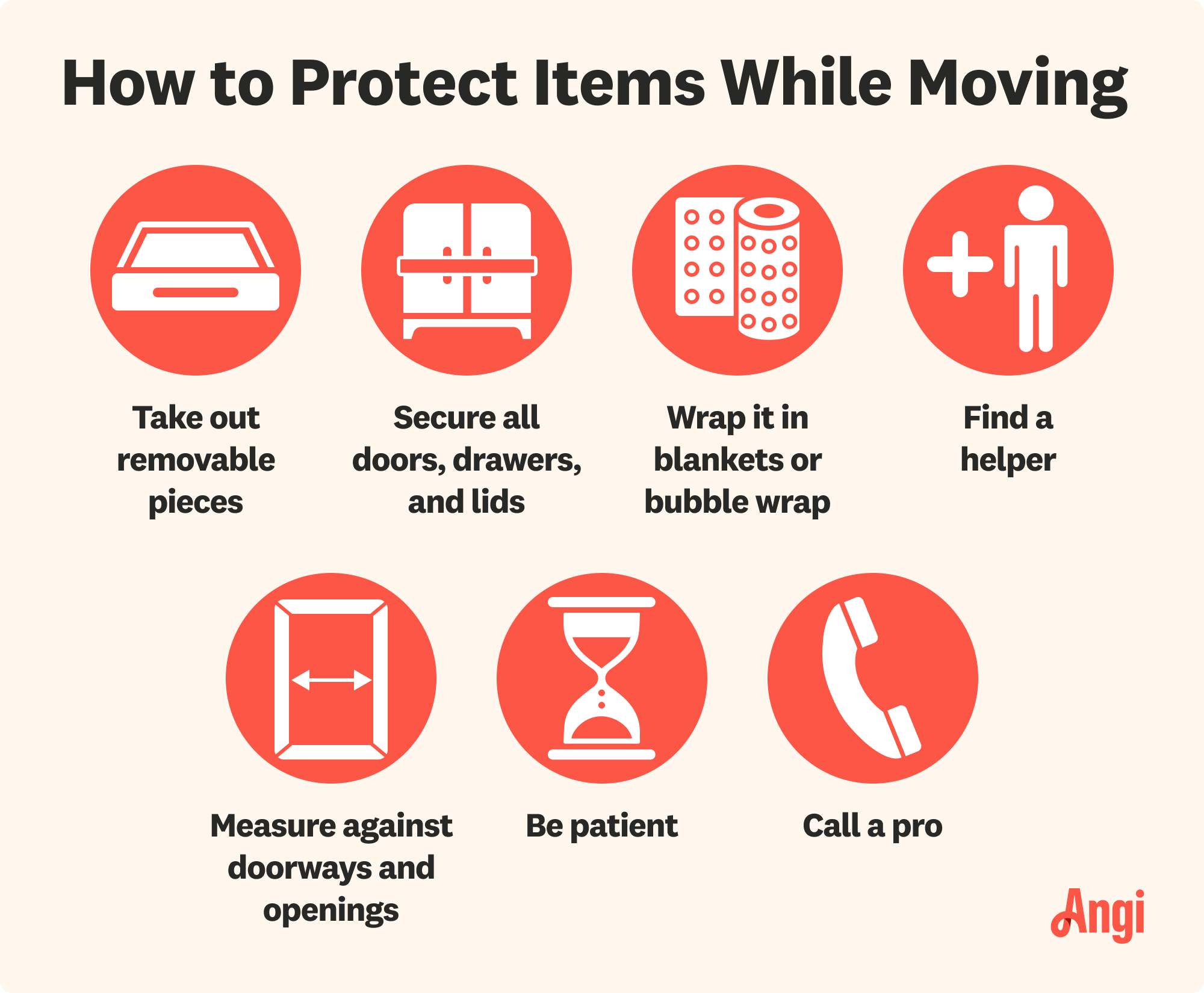
Measure Doorways And Pathways
Measure all doors and hallways the appliances will pass through. Check if the washer and dryer fit easily.
Measure width, height, and diagonal space. This helps avoid getting stuck during the move.
- Measure appliance width and height
- Measure door width and height
- Check hallway width and ceiling height
- Measure tight corners and staircases
Clear The Moving Route
Remove all obstacles from the path to the moving truck or new location. Clear floors to prevent tripping.
Make sure floors are dry and safe to walk on. Remove rugs, furniture, and cords from the way.
- Move furniture away from hallways
- Pick up loose rugs or mats
- Secure or remove cords and cables
- Clean spills or wet spots on floors
- Keep pets and children away during moving
Disconnect The Appliances
Moving a washer and dryer alone can be tricky. The first thing you must do is disconnect them safely.
Proper disconnection helps avoid leaks, shocks, or damage during the move.
Turn Off Water And Power
Before you move anything, turn off the water supply to the washer. This stops water from spilling out.
Next, switch off the power to both appliances. This prevents electrical hazards while you work.
- Locate the water valves behind the washer.
- Turn the valves clockwise to close them.
- Find the power switches or unplug the cords from the wall.
Unhook Water Hoses
After turning off the water, carefully unhook the hoses connected to the washer.
Drain any water left in the hoses into a bucket to avoid spills.
- Use pliers if the hoses are tight.
- Have towels ready to catch drips.
- Keep the hoses with the washer for reinstallation.
Disconnect Electrical Cords
Unplug the washer and dryer from the electrical outlets once water is off and hoses are unhooked.
Handle the cords gently to avoid damage. Coil them neatly to keep safe during the move.
- Pull the plug, not the cord.
- Check the cord for any damage before moving.
- Secure the cords with twist ties or tape.
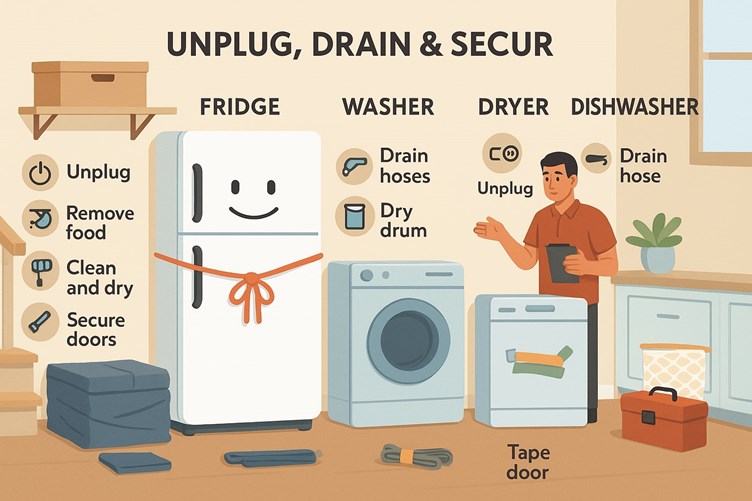
Drain And Secure Washer
Moving a washer and dryer by yourself can be challenging. It’s important to drain and secure the washer properly. Follow these steps to ensure a safe and smooth move.
Drain Remaining Water
Before moving your washer, you need to drain any remaining water. This will prevent leaks and make the washer lighter.
- Turn off the water supply connected to the washer.
- Disconnect the water hoses from the back of the washer.
- Place a bucket under the hoses to catch any water.
- Open the drain pump filter to let out remaining water.
- Close the filter once all water has drained.
Secure Drum And Hoses
Securing the drum and hoses is essential to prevent damage during the move. Follow these steps to keep everything in place.
Use the following table to check what you need to secure the drum and hoses:
| Item | Purpose |
| Moving bolts | Secure the drum |
| Zip ties | Bundle hoses |
| Padding | Protect washer exterior |
Install moving bolts to keep the drum from shifting. Use zip ties to bundle the hoses neatly. Finally, use padding to protect the exterior of the washer.
Protect The Appliances
Moving a washer and dryer alone can be tricky. Protecting your appliances is very important. It helps avoid damage during the move.
Taking simple steps to wrap and secure your machines makes the process safer. It also keeps your appliances working well.
Wrap With Moving Blankets
Use moving blankets to cover your washer and dryer fully. These blankets cushion the machines from bumps and scratches. Wrap tightly but gently around each appliance.
- Fold the blanket to fit the size of the appliance.
- Cover all sides, including the top and back.
- Secure the blanket with tape or straps to keep it in place.
- Check that no parts are exposed before moving.
Use Straps And Tape
Straps and tape keep the appliances wrapped and stable during moving. Use strong straps around the machines to hold blankets tight. Tape helps secure small parts and doors.
| Item | Purpose | Tip |
| Moving Straps | Hold blankets and appliances firmly | Use adjustable straps for tight fit |
| Packing Tape | Secure blanket edges and appliance doors | Choose tape that does not leave residue |
| Plastic Wrap | Cover buttons and control panels | Wrap gently to avoid damage |
Lift And Move Safely
Moving a washer and dryer by yourself can be tough. It takes care and the right way to avoid injury and damage.
Using safe lifting and moving methods helps protect your back and the appliances. Follow these tips to move them safely.
Use Proper Lifting Techniques
Bend your knees, not your back. Keep your back straight when lifting the washer or dryer.
Hold the appliance close to your body. This helps keep balance and reduces strain.
- Stand close to the appliance
- Bend knees and squat down
- Lift with your legs, not your back
- Keep the appliance close to your chest
- Do not twist your body while lifting
Utilize Appliance Dolly
An appliance dolly makes moving heavy items easier. It reduces the effort and risk of injury.
Secure the washer or dryer on the dolly with straps. This stops it from falling during the move.
- Place the dolly under the appliance
- Use straps to secure it tightly
- Keep the dolly balanced
- Push or pull slowly and carefully
Navigate Stairs And Tight Spaces
Take extra care when moving appliances on stairs or through narrow areas. These spots are tricky and risky.
Move slowly and watch your steps. Use helpers if possible to guide and support the load.
- Plan your path before starting
- Keep the appliance steady and balanced
- Use handrails for support on stairs
- Turn the appliance carefully in tight spots
- Ask for help if needed
Credit: www.imoving.com
Set Up At New Location
Moving a washer and dryer can be a big task. Setting them up at a new location is important for smooth operation.
Follow these steps to ensure your washer and dryer are positioned and connected correctly.
Position Washer And Dryer
Place your washer and dryer in a suitable spot. Make sure the floor is level to avoid vibrations.
Leave some space around them for ventilation. This helps them run efficiently.
- Check the floor for levelness
- Ensure proper ventilation around appliances
- Keep them away from direct sunlight
Reconnect Water And Power
Connect the water hoses to the washer. Make sure they are tight to prevent leaks.
Plug the power cords into grounded outlets. Check that they are secure.
- Tighten all water connections
- Use grounded outlets for safety
- Do not overload the electrical circuit
Test Appliances
Run a test cycle on both appliances. This ensures they are working correctly.
Check for any leaks or unusual noises. Fix any issues before regular use.
- Run a short wash cycle
- Test the dryer with a damp cloth
- Listen for strange sounds
Troubleshooting Tips
Moving a washer and dryer by yourself can be tricky. You may face some common problems during the process.
Knowing how to handle these issues will make the job easier and safer.
Dealing With Stuck Hoses
Hoses can get stuck to the back of your washer or dryer. This happens when they are tight or old.
To remove stuck hoses, try to twist them gently. Avoid pulling hard to stop damage.
- Turn off water supply before handling hoses
- Use pliers for extra grip if hoses are tight
- Apply warm water to soften old hoses
- Check for leaks after reconnecting hoses
Handling Heavy Loads Alone
Washers and dryers are heavy. Moving them alone needs care to avoid injury or damage.
Use tools and smart techniques to make lifting easier and safer.
- Wear sturdy shoes and gloves for protection
- Use a dolly or hand truck to roll the machines
- Keep your back straight and bend your knees when lifting
- Take breaks if you feel tired to avoid accidents
Credit: www.angi.com
Frequently Asked Questions
How Do I Prepare A Washer And Dryer For Moving?
Unplug both appliances and turn off the water supply. Disconnect hoses and drain any remaining water. Secure drum and doors with tape or straps. This prevents damage during the move.
What Equipment Is Needed To Move Washer And Dryer Alone?
Use a sturdy appliance dolly with straps for safe lifting. Wear gloves for grip and protection. Furniture sliders help move appliances across floors smoothly.
Can I Move A Washer And Dryer Upstairs By Myself?
It’s challenging but possible with proper tools. Use an appliance dolly with stair climber wheels. Take breaks and move slowly to avoid injury or damage.
How Do I Avoid Damage When Moving Appliances Solo?
Secure loose parts and tape doors shut. Protect floors with blankets or sliders. Lift with your legs, not your back, and move slowly.
Conclusion
Moving a washer and dryer alone takes some care and planning. Measure doorways and clear the path first. Unplug and disconnect all hoses safely. Use a dolly or get good grips to lift with your legs. Take your time to avoid damage or injury.
Small steps make the job easier and safer. Following these tips helps you move your machines smoothly and confidently. You can do it!