Moving your washer dryer can feel like a big challenge. You might worry about heavy lifting, water leaks, or damaging your machine.
But what if you could do it safely and smoothly, without stress or costly mistakes? In this guide, you’ll discover simple, step-by-step tips to move your washer dryer with confidence. Whether you’re shifting it across the room or to a new home, you’ll learn how to protect your appliance—and yourself—every step of the way.
Keep reading, and you’ll be ready to tackle the move like a pro.

Credit: www.reddit.com
Prepare The Washer Dryer
Moving a washer dryer needs careful preparation. This helps avoid damage and leaks during the move.
Follow some simple steps to get your washer dryer ready before moving it to a new place.
Unplug And Disconnect
Start by unplugging the washer dryer from the power outlet. This keeps you safe from electric shock.
Next, disconnect the water supply hoses. Turn off the water valves first, then unscrew the hoses carefully.
- Unplug the power cord from the wall socket
- Turn off hot and cold water valves
- Unscrew water hoses from the machine
Drain Remaining Water
There may be water left inside the washer dryer. Drain this water to avoid spills during the move.
Use a bucket or towels to catch the water. Tilt the machine slightly if needed to help drain all water out.
- Place a bucket under the drain hose
- Lower the drain hose to release water
- Use towels to soak any spills
Secure Moving Parts
Washers and dryers have parts that can move or get damaged during transport. Secure these parts well.
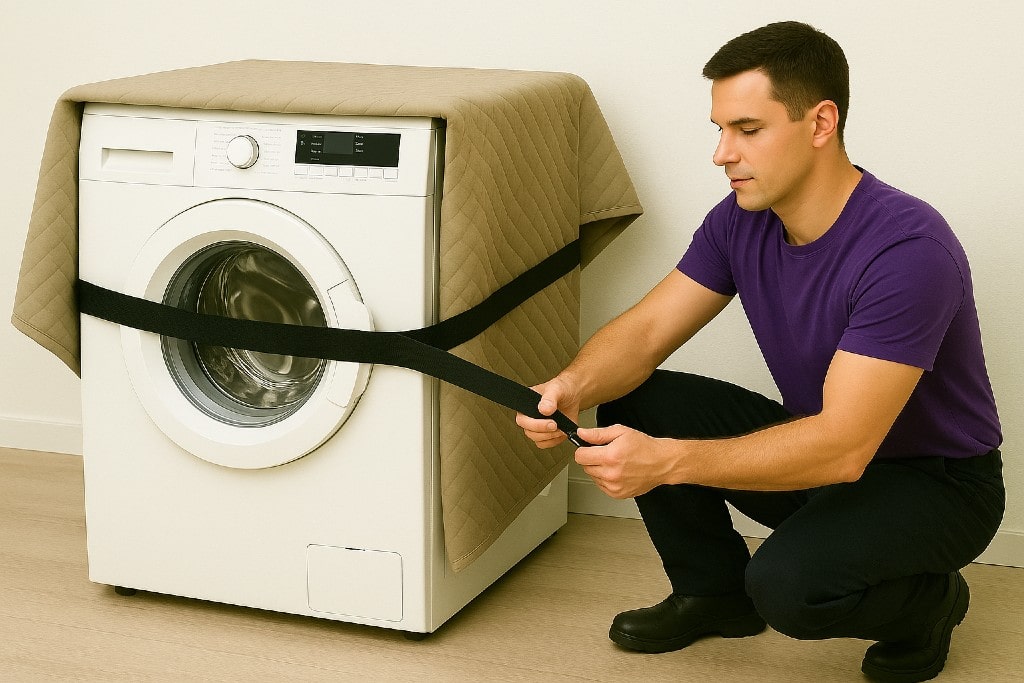
Use straps or tape to hold the drum and doors in place. This stops them from shifting and causing damage.
- Close and lock the washer door
- Tape the dryer door shut
- Use moving straps to secure the drum inside

Credit: www.reddit.com
Gather Necessary Tools
Moving a washer dryer requires the right tools to keep it safe. Gather everything before you start the move.
Having the right tools helps the process go smoothly and avoids damage or injury.
Packing Materials
Packing materials protect your washer dryer during the move. They prevent scratches and dents.
- Moving blankets or thick towels
- Bubble wrap for fragile parts
- Strong packing tape
- Plastic wrap to secure doors and hoses
Moving Equipment
Use moving equipment to carry the washer dryer safely and easily. This reduces strain and risk of dropping.
- Dolly or hand truck with straps
- Furniture sliders for smooth floors
- Rope or bungee cords to secure the appliance
- Tool kit for disconnecting parts
Safety Gear
Wear safety gear to protect yourself during the move. It helps prevent injuries.
- Work gloves to protect your hands
- Closed-toe shoes with good grip
- Back support belt for heavy lifting
- Protective eyewear if needed
Plan The Route
Moving a washer dryer takes careful planning. You must check the path it will take. This helps avoid damage and makes the move easier.
Start by looking at the route from the laundry area to the moving truck or new location. Think about every door and hallway it will pass through.
Measure Doorways And Hallways
Measure the width and height of all doorways and hallways. Compare these to the size of the washer dryer. Make sure it fits through easily.
- Measure the washer dryer’s height, width, and depth.
- Measure the narrowest door and hallway on the route.
- Note any tight corners or turns.
- Check if doors open wide enough or can be removed.
- Allow extra space for padding or moving equipment.
Clear Obstacles
Clear the path of anything that can block or slow down the move. Remove small furniture, rugs, or cords. This makes it safe and smooth.
- Move chairs, tables, and decorations out of the way.
- Roll up or remove rugs that can cause slipping.
- Secure or unplug electrical cords along the path.
- Check for low-hanging light fixtures or shelves.
- Make sure there is enough space to carry the appliance safely.
Check Flooring And Stairs
Look closely at floors and stairs on the route. Different surfaces need different care when moving heavy items like a washer dryer.
| Surface Type | Precautions |
|---|---|
| Hardwood or Tile Floors | Use furniture sliders or blankets to avoid scratches. |
| Carpeted Floors | Check for thick or loose carpet that may catch the wheels. |
| Stairs | Use straps and at least two people to lift carefully. |
| Concrete or Garage Floor | Watch for cracks or uneven spots that cause tripping. |
Credit: www.nationalremovalist.com.au
Lift And Transport Safely
Moving a washer dryer needs care to avoid damage and injury. Use correct methods to lift and transport it safely.
Follow these tips on lifting, using equipment, and working as a team to move your appliance smoothly.
Proper Lifting Techniques
Lift with your legs, not your back. Keep your back straight and bend at the knees. Hold the washer dryer close to your body to keep balance.
- Stand close to the appliance with feet shoulder-width apart.
- Bend your knees and squat down to grip it firmly.
- Keep your back straight and avoid twisting while lifting.
- Lift slowly using your leg muscles.
- Move carefully and keep the load close to your body.
Use Of Dollies And Straps
Dollies and straps make moving heavy appliances easier and safer. They help reduce strain on your body and protect the washer dryer.
| Equipment | Purpose |
| Dolly | Supports the appliance for rolling across floors |
| Lifting Straps | Helps share the load between people |
| Moving Blankets | Protects the washer dryer from scratches |
Team Coordination
Working with others makes moving easier. Clear communication and shared effort help avoid accidents.
- Agree on commands before lifting.
- Lift and move together at the same pace.
- Watch each other’s footing and balance.
- Take breaks if needed to avoid fatigue.
Unload And Position
Moving a washer dryer involves careful steps. Start by unloading the appliance completely.
Once unloaded, position it in the desired location. Make sure the space is suitable.
Place In New Location
Choose a location that is close to water and electrical connections. Ensure the area is dry and flat.
- Check for enough space around the appliance
- Ensure easy access for maintenance
- Verify that the floor can support the weight
Reattach Hoses And Cords
Reconnecting hoses and cords is essential for operation. Attach each hose securely to prevent leaks.
Make sure to connect the power cord to a grounded outlet. A grounded outletis necessary for safety.
Level The Appliance
Leveling prevents noise and ensures efficient operation. Use a level tool to check the appliance.
| Leveling Tool | Purpose |
| Bubble Level | Check horizontal alignment |
| Adjustable Feet | Balance the appliance |
Test And Final Checks
After moving your washer dryer, it is important to check that everything works well. Testing and final checks prevent problems later.
These checks help you find leaks, noise, or other issues early. Follow these steps to ensure your machine is ready to use.
Run A Test Cycle
Start by running a short wash or dry cycle without clothes. This helps check if the machine works after moving.
Listen for unusual sounds and watch for any error messages on the display. Make sure the cycle finishes normally.
Inspect For Leaks
Look closely at the water connections and hoses. Check under the machine and around the pipes for any water leaks.
- Check hose clamps are tight
- Look for drips during and after the cycle
- Feel the floor for wet spots
Fix any leaks immediately to avoid water damage in your home.
Adjust Settings If Needed
After testing, review the washer dryer settings. Make sure temperature and cycle options are correct for your laundry.
If the machine vibrates or makes noise, adjust its position or leveling feet. Proper balance improves performance.
- Check machine is level on the floor
- Adjust feet to reduce shaking
- Set cycles to your usual preferences
Frequently Asked Questions
How Do I Safely Disconnect A Washer Dryer?
Turn off the power and water supply first. Unplug the unit and disconnect water hoses carefully. Drain any remaining water to avoid spills during moving.
What Tools Are Needed To Move A Washer Dryer?
You will need a wrench, pliers, and a dolly. Packing materials like blankets and straps help protect the appliance during transport.
How Do I Prepare A Washer Dryer For Moving?
Secure the drum with shipping bolts if available. Drain all water, disconnect hoses, and tape loose parts. Clean the unit to prevent odors and leaks.
Can One Person Move A Washer Dryer Alone?
It’s not recommended. Washer dryers are heavy and bulky. Having at least one helper ensures safety and prevents damage.
Conclusion
Moving a washer dryer takes some care and planning. Always turn off water and power first. Use a dolly or get help to avoid injury. Keep hoses and cords secure during the move. Take your time to prevent damage. Once placed, check connections before use.
A smooth move means your appliance works well in its new spot. Simple steps make the process easier and safer for everyone.