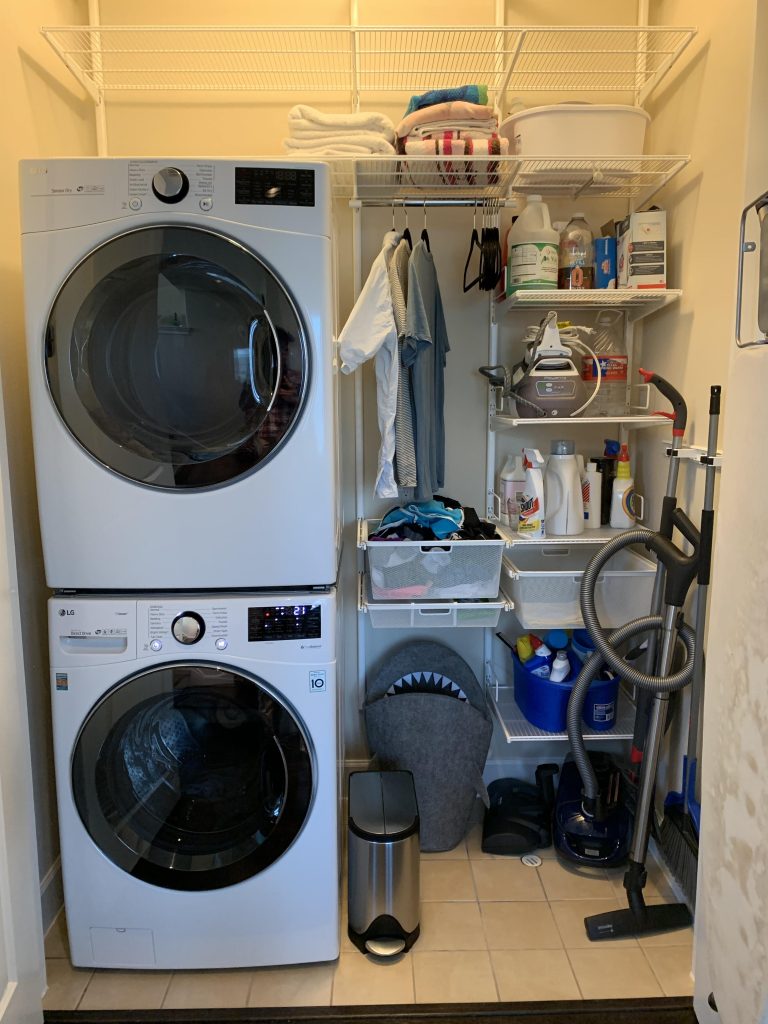
Moving a stacked washer and dryer can feel like a big challenge. You might worry about damaging your appliances or struggling with heavy lifting.
But don’t let that stop you. With the right steps, you can move your stacked washer and dryer safely and easily. This guide will show you exactly how to do it, saving you time, effort, and stress. Keep reading, and you’ll learn tips that make the whole process smoother than you ever thought possible.
Your next move just got a lot easier!

Credit: raised-flooring.co.uk
Prepare The Washer Dryer
Moving a stacked washer dryer needs careful preparation. This helps avoid damage and leaks.
Follow these steps to get your washer dryer ready for the move.
Disconnect Power And Water
Unplug the washer dryer from the power outlet. This stops any electrical hazard.
Turn off the water supply valves. This prevents water from leaking during the move.
- Find the power cord and unplug it.
- Locate the water valves and turn them off.
- Disconnect water hoses carefully.
Drain Remaining Water
Some water may stay inside the washer and hoses. Drain it to avoid spills.
Use a bucket or towels to catch the water as you drain it out.
- Open the washer drain filter or hose.
- Let water flow into a bucket or towel.
- Check the hoses for leftover water.
Secure Doors And Cords
Keep the washer and dryer doors closed. This stops them from opening during the move.
Tie or tape cords and hoses to the back of the units. This prevents tripping and damage.
- Close and lock washer door if possible.
- Close dryer door firmly.
- Use tape or zip ties to secure cords and hoses.

Credit: www.reddit.com
Gather Necessary Tools
Moving a stacked washer and dryer requires the right tools. These tools help protect your appliances and make the move easier.
Before you start, gather everything you need. This saves time and prevents damage during the move.
Packing Materials
Packing materials protect your washer and dryer from scratches and dents. Use soft and strong materials to wrap the appliances well.
- Bubble wrap to cover edges and buttons
- Moving blankets to protect large surfaces
- Plastic wrap to hold blankets and cords in place
- Cardboard sheets to add extra padding
Moving Straps And Dollies
Moving straps help you lift heavy appliances safely. Dollies make it easier to roll the washer and dryer without lifting.
- Use lifting straps to reduce strain on your back
- Appliance dollies have straps and wheels for better control
- Make sure dollies fit the size of your washer and dryer
- Check the weight capacity of straps and dollies before use
Protective Gear
Wear protective gear to keep yourself safe during the move. This gear also helps prevent injuries from heavy lifting.
- Gloves to improve grip and protect hands
- Closed-toe shoes to protect feet from accidents
- Knee pads if you need to kneel while moving
- Back support belts to reduce risk of back injury
Separate Washer And Dryer
Moving a stacked washer and dryer requires careful steps. Separating each unit makes the process safer and easier.
This guide focuses on how to separate the washer and dryer safely before moving them.
Locate And Remove Fasteners
Stacked units are usually secured with fasteners to keep them stable. Find all screws, brackets, or clips holding the dryer on top.
- Check the back and sides of the units for mounting brackets.
- Use a screwdriver or wrench to remove all visible fasteners.
- Keep fasteners in a small container to avoid losing them.
- Look for any safety straps inside the dryer door or control panel.
Handle Each Unit Safely
After separating, handle the washer and dryer with care. Both are heavy and can cause injury if dropped or tilted incorrectly.
| Unit | Weight Range | Handling Tips |
| Washer | 150–200 lbs | Keep upright to avoid water leaks. Use a dolly for transport. |
| Dryer | 100–150 lbs | Disconnect power first. Lift with help to avoid strain. |
Pack And Protect Components
Moving a stacked washer dryer needs careful packing. Protecting each part helps avoid damage. Take time to wrap and secure all pieces before moving.
Proper packing keeps your appliance safe and makes setup easier later. Follow these tips to pack and protect your washer and dryer.
Wrap Units With Moving Blankets
Cover the washer and dryer with thick moving blankets. This protects the surfaces from scratches and dents. Use strong tape or straps to hold the blankets in place.
Secure Loose Parts
Loose parts can get lost or damaged during the move. Collect all screws, bolts, and small pieces in a container. Tape the container to the back of the units or keep it in a safe box.
- Remove detergent trays and secure them
- Tape the dryer door shut to prevent it from swinging
- Check for any removable knobs or panels and secure them
Label Cords And Hoses
Label each cord and hose to ease reinstallation. Use masking tape and a marker to write clear labels. Group similar cords and hoses together to avoid confusion.
| Component | Label Example |
|---|---|
| Water Hose | Washer Water Supply |
| Power Cord | Washer Power |
| Dryer Vent Hose | Dryer Vent |
| Dryer Power Cord | Dryer Power |
Plan The Moving Route
Moving a stacked washer dryer needs careful planning. The route you choose must be clear and wide enough.
Planning helps avoid damage and makes the move safer and easier for you.
Measure Doorways And Hallways
Measure all doorways and hallways before moving the washer dryer. Check the width and height carefully.
Compare these measurements to the size of your stacked washer dryer to make sure it fits through.
- Use a tape measure to get exact dimensions
- Measure the appliance’s height, width, and depth
- Note any tight corners or narrow spaces
Clear Obstacles
Remove any furniture or objects blocking the moving path. Clear floors of rugs or cords that cause tripping.
Making the route clear helps avoid accidents and makes the move smoother.
- Move small furniture out of the way
- Pick up loose rugs or mats
- Secure cords or cables away from the path
- Check for low hanging lights or decorations
Use Proper Lifting Techniques
Lift the stacked washer dryer with your legs, not your back. Keep your back straight and bend your knees.
Use a dolly or moving straps if possible. This reduces strain and helps control the load.
- Get help from another person when lifting
- Lift slowly and avoid sudden moves
- Keep the appliance close to your body
- Wear gloves for a better grip
Load And Transport
Moving a stacked washer dryer can be tricky. Careful planning makes the task easier and safer.
Proper handling avoids damage and ensures smooth transportation. Below are steps to help you.
Use A Dolly For Heavy Lifting
A dolly helps move heavy appliances like a stacked washer dryer. Secure the washer dryer on the dolly using strong straps.
- Place the dolly under the appliance.
- Ensure the appliance is balanced on the dolly.
- Secure with straps to prevent tipping.
Balance The Load In Vehicle
Proper load balance prevents shifting during transit. Place the washer dryer in the vehicle first.
| Item | Placement |
| Washer Dryer | Center of the vehicle |
| Boxes | Around the washer dryer |
| Straps | Across all items |
Drive Carefully To Avoid Damage
Drive slowly and take turns gently. This reduces the risk of the appliance tipping over or getting damaged.
Reinstall The Washer Dryer
Moving a stacked washer dryer requires careful reinstallation. Follow these steps to ensure it functions well in its new location.
Proper reconnection and testing are key to avoid any issues. Let’s get started on setting up your washer dryer.
Reconnect Water And Power
Begin by reconnecting the water supply and power. Make sure everything is securely attached.
- Attach the water hoses to the corresponding valves.
- Plug in the power cord to an appropriate outlet.
- Ensure there are no leaks from the water connections.
Level The Units
Leveling the washer dryer is important. This prevents excess noise and movement during use.
Use a spirit levelto check the balance of the units. Adjust the feet as needed for stability.
Test For Proper Operation
Before loading clothes, run a test cycle to ensure everything works correctly.
| Test | Action |
| Water flow | Check for steady water input and drainage |
| Spin cycle | Listen for unusual noises or vibrations |
| Power | Ensure the display and controls respond |

Credit: www.reddit.com
Frequently Asked Questions
How Do I Safely Disconnect A Stacked Washer Dryer?
First, unplug the unit from the power source. Turn off the water supply and disconnect hoses carefully. Drain any remaining water. Remove vent hoses if applicable. Follow manufacturer instructions for additional steps to avoid damage or injury.
What Tools Are Needed To Move A Stacked Washer Dryer?
You’ll need a wrench, screwdriver, pliers, and a dolly or hand truck. Packing materials like straps and blankets help secure the unit. Proper tools ensure safe disconnection, lifting, and transportation without damaging the appliance or your home.
Can I Move A Stacked Washer Dryer Alone?
It’s not recommended to move it alone due to its size and weight. Enlist at least one helper to avoid injury or damage. Use a dolly and secure the machine properly for safer handling and transport.
How Do I Prevent Damage During The Move?
Secure all hoses and cords tightly. Use straps to hold the units together. Wrap the machine in moving blankets to protect surfaces. Move slowly and avoid sharp turns to prevent tipping or internal damage.
Conclusion
Moving a stacked washer dryer takes care and planning. Always unplug and secure parts before lifting. Use strong help to avoid injury or damage. Clear a path and protect floors during the move. Take your time and stay patient. Doing these steps makes moving easier and safer.
Now, you are ready to move your washer and dryer with confidence.