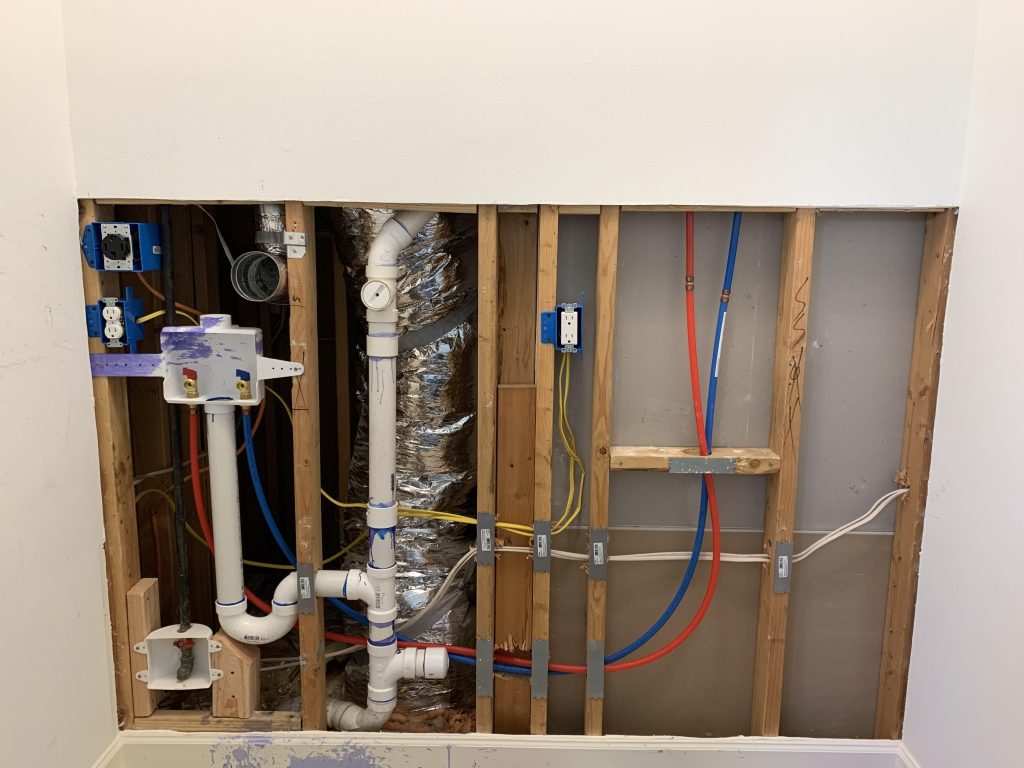
Moving your washer and dryer hookups might sound tricky, but it doesn’t have to be. If you’re planning to rearrange your laundry space or set up a new laundry area, knowing how to move these hookups safely and efficiently is key.
You want to avoid costly mistakes, leaks, or damage to your home. In this guide, you’ll discover simple steps and expert tips that make the process clear and manageable. By the time you finish reading, you’ll feel confident to tackle the job yourself or know exactly what to ask a professional.
Ready to get started? Let’s dive in!
Planning The Move
Moving washer and dryer hookups requires careful planning. You must prepare the new area before starting any work.
This guide helps you check important details to make the move smooth and safe.
Assessing The New Location
First, look at the space where you want to place your washer and dryer. Check if the floor is level and strong enough to hold the appliances.
Also, think about how close the area is to other rooms. Noise and vibration may affect nearby spaces.
Measuring Space And Clearances
Measure the width, depth, and height of the new spot. Make sure there is enough room for the washer and dryer doors to open fully.
- Leave at least one inch of space on the sides for ventilation.
- Allow two to three inches behind the units for hose and cord connections.
- Check if you have room for any shelves or storage above the appliances.
Checking Plumbing And Electrical Access
| Connection Type | Requirement | Notes |
| Water Supply | Hot and cold water valves | Must be near washer location |
| Drainage | Drain pipe or standpipe | Should allow proper water flow |
| Electrical Outlet | 120V for washer, 240V for dryer | Check voltage and amperage rating |
| Ventilation | Dryer vent to outside | Important for safety and efficiency |

Credit: www.reddit.com
Gathering Tools And Materials
Moving washer and dryer hookups requires the right tools and materials. Getting everything ready before you start saves time and effort.
This guide covers the essential plumbing tools, electrical supplies, and safety gear needed for the job.
Essential Plumbing Tools
You need specific plumbing tools to disconnect and reconnect water lines safely and correctly.
- Adjustable wrench for loosening and tightening fittings
- Pipe cutter for resizing pipes as needed
- Plumber’s tape to seal threaded connections
- Bucket to catch water during disconnection
- Pipe wrench for gripping and turning pipes
- Teflon tape for leak-proof seals
Electrical Supplies Needed
Electrical supplies help you safely disconnect and reconnect your dryer’s power source.
| Item | Purpose |
| Voltage tester | Check if power is off |
| Wire strippers | Remove insulation from wires |
| Wire nuts | Connect wires securely |
| Electrical tape | Insulate wire connections |
| Replacement wiring | Extend or replace damaged wires |
| Outlet tester | Verify proper wiring after installation |
Safety Gear And Protective Equipment
Use safety gear to protect yourself during plumbing and electrical work.
- Safety goggles to protect your eyes
- Work gloves to shield your hands
- Face mask to avoid dust and debris
- Closed-toe shoes for foot protection
- Ear protection if you use loud power tools
Shutting Off Utilities
Before moving washer and dryer hookups, you must shut off all utilities. This prevents accidents and water damage.
Careful preparation helps make the moving process safe and smooth.
Turning Off Water Supply
Locate the water supply valves for your washer. These are usually behind the machine or near the main water line.
- Turn the cold and hot water valves clockwise to close them.
- Open the washer’s water taps to drain any remaining water.
- Have a towel or bucket ready to catch drips when disconnecting hoses.
Disconnecting Electrical Power
Unplug the dryer and washer from their power outlets. If they are hardwired, turn off the circuit breaker.
| Appliance | Power Source | Action |
|---|---|---|
| Washer | Standard outlet | Unplug from wall socket |
| Dryer (Electric) | 240V outlet or hardwired | Unplug or switch off breaker |
| Dryer (Gas) | Gas line and electric outlet | Turn off gas valve and unplug |
Disconnecting Washer And Dryer
Moving washer and dryer hookups needs care and safety. You must disconnect all parts before moving.
This guide explains how to disconnect water hoses, electrical cords, and dryer vents.
Removing Water Hoses
Turn off the water supply valves behind the washer. Then, carefully unscrew the water hoses from the washer.
Have a bucket or towel ready to catch any water left in the hoses to avoid spills.
- Turn off hot and cold water valves
- Use pliers if hoses are tight
- Lift hoses straight off to avoid damage
- Place hoses in a bucket to catch water
Unplugging Electrical Cords
Unplug the washer and dryer from the electrical outlets. Pull the plug, not the cord, to avoid damage.
If the dryer uses a gas connection, turn off the gas valve before unplugging.
- Locate the power outlet behind the appliances
- Firmly grip the plug, pull gently
- Check cords for damage or wear
- Turn off gas valve if dryer is gas-powered
Detaching Dryer Vent
Disconnect the dryer vent hose from the back of the dryer. Loosen any clamps or screws holding it in place.
Be careful not to damage the vent pipe or hose during removal. Clean out any lint before detaching.
- Locate vent hose at the dryer’s back
- Loosen clamp or screws securing the hose
- Gently pull the vent hose off
- Clean lint from vent and hose
Moving Plumbing Lines
Moving washer and dryer hookups requires careful plumbing work. You need to relocate water supply lines, adjust drain pipes, and ensure all connections are tight. This guide covers the basics to help you move these plumbing lines safely.
Plumbing lines must be moved correctly to avoid leaks and water damage. Follow the instructions below to handle each part of the plumbing system.
Relocating Water Supply Lines
Start by turning off the main water supply. Cut the existing water lines carefully using a pipe cutter. Extend the water lines to the new location using appropriate piping materials like copper or PEX. Use pipe fittings to connect the new sections securely.
Check for any leaks by turning the water back on slowly. Tighten connections if needed. Always use plumber’s tape on threaded connections to prevent leaks.
Adjusting Drain Pipes
The drain pipe must be moved to match the new washer location. Cut the old drain pipe and remove it. Use PVC pipes and connectors to build a new drain line. Make sure the drain pipe slopes downward to allow water to flow freely.
- Measure the distance from the washer to the new drain location.
- Cut PVC pipe to the needed length.
- Dry fit the pieces before gluing.
- Apply PVC primer and cement to secure joints.
- Allow glue to dry before running water.
Ensuring Proper Sealing And Connections
Sealing all plumbing connections is vital to avoid leaks. Use plumber’s tape or thread sealant on all threaded joints. Check rubber washers and replace if damaged. Tighten clamps on hoses and pipe fittings firmly.
| Connection Type | Sealing Method | Tip |
| Threaded Pipe Joint | Plumber’s Tape | Wrap tape clockwise |
| PVC Pipe Joint | Primer and Cement | Apply evenly and quickly |
| Washer Hose | Rubber Washer and Clamp | Check washer condition |
| Compression Fitting | Thread Sealant | Do not overtighten |
Adjusting Electrical Connections
Moving washer and dryer hookups can be a big task. Adjusting electrical connections is key to doing it right. Let’s explore the steps to make this process safe and efficient.
Ensuring proper electrical connections is crucial. It prevents hazards and ensures your appliances work correctly.
Installing New Outlets
Installing new outlets is often needed when moving hookups. Make sure to place outlets within reach of cords. This helps in plugging in appliances easily.
Ensure outlets match the plug type of your washer and dryer. This avoids any connectivity issues.
Ensuring Correct Voltage And Safety
Check the voltage requirements of your appliances. Washers and dryers need specific voltage levels to work properly. Incorrect voltage can damage them.
Use a voltage tester to confirm correct voltage. Safety should be your priority while working with electricity.
Grounding And Circuit Requirements
Grounding helps in preventing electrical shocks. Ensure your outlets are properly grounded. This is essential for safety.
Check circuit requirements for your appliances. They may need dedicated circuits to operate safely without tripping breakers.
- Ensure proper grounding for safety
- Check if dedicated circuits are needed
- Prevent overloading circuits
Installing Dryer Vent In New Spot
Moving your washer and dryer hookups can be a challenging task. One key step is installing the dryer vent in a new location.
This process requires careful planning to ensure safety and efficiency. Let’s explore the steps involved in this task.
Selecting Vent Path
The path for your dryer vent should be direct and short. This minimizes the risk of lint build-up, which can be a fire hazard.
- Identify the closest exterior wall from the dryer.
- Check for any obstacles along the path.
- Ensure the path allows for easy cleaning and maintenance.
Sealing And Securing Vent Duct
Proper sealing and securing of the vent duct are crucial. This prevents air leaks and ensures efficient airflow.
| Step | Action |
| Seal Joints | Use metal foil tape, not duct tape, for sealing. |
| Secure Duct | Attach the duct firmly to the wall and dryer. |
| Check Stability | Ensure there are no loose connections. |
Checking For Proper Airflow
Once installed, check the vent for proper airflow. This step is vital to ensure your dryer operates efficiently.
Reconnecting Washer And Dryer
Moving washer and dryer hookups requires careful reconnection. This ensures your appliances work safely and properly. Follow simple steps to reconnect water hoses, power plugs, and check for leaks.
Properly reconnecting these hookups helps avoid water damage and electrical issues. Take your time and check each connection before use.
Attaching Water Hoses
Start by attaching the water hoses to the washer. Connect the hot water hose to the hot water valve and the cold water hose to the cold water valve. Tighten the hose connections by hand, then use pliers to secure them firmly but not too tight.
- Check that rubber washers are inside the hose ends.
- Use separate hoses for hot and cold water.
- Do not cross-connect hoses to prevent damage.
- Turn water valves on slowly to avoid pressure surges.
- Listen for any dripping sounds after connection.
Plugging In Appliances
Plug the washer and dryer into their proper electrical outlets. Make sure the dryer plug matches the outlet type. Use a grounded outlet for safety. Avoid using extension cords or adapters.
| Appliance | Plug Type | Outlet Type |
| Washing Machine | Standard 3-prong | 120V grounded |
| Electric Dryer | 4-prong or 3-prong | 240V dedicated |
| Gas Dryer | Standard 3-prong | 120V grounded + gas line |
Testing For Leaks And Functionality
After connecting water and power, test your appliances. Turn on the water valves and check hoses for leaks. Run a short wash cycle to confirm the washer fills and drains properly. For the dryer, check that it heats and tumbles.
- Look for water drips around hose connections.
- Listen for unusual sounds during washer operation.
- Check dryer vent for proper airflow.
- Turn off appliances if you detect any problems.
- Fix leaks or loose plugs before regular use.
Troubleshooting Common Issues
Moving washer and dryer hookups can cause some common problems. Fixing these issues helps keep your laundry area safe and working well.
This guide covers how to fix water leaks, electrical problems, and improve dryer ventilation after moving hookups.
Fixing Water Leaks
Water leaks often happen when pipes or connections are not tight. Check all fittings and hoses after moving the washer hookups.
Use plumber’s tape on threaded connections. Replace damaged hoses or washers to stop leaks. Always turn off water before working on pipes.
- Inspect all water connections for drips
- Tighten loose fittings carefully
- Use plumber’s tape on screw threads
- Replace cracked or worn hoses
- Turn off water supply before repairs
Addressing Electrical Problems
Electrical issues may occur if wiring or outlets are not set up properly. Check for loose wires or damaged plugs near the dryer hookup.
Use a voltage tester to ensure power is off before touching wires. Replace faulty outlets or circuit breakers to keep your laundry safe.
- Turn off power at the breaker panel
- Test outlets with a voltage tester
- Look for frayed wires or burn marks
- Replace damaged outlets or plugs
- Call a professional electrician if unsure
Improving Dryer Ventilation
Poor dryer ventilation can cause overheating and lint buildup. Make sure the vent hose is clear and properly connected after moving the dryer.
Clean lint traps and vents regularly. Use rigid or semi-rigid metal ducting for better airflow and safety. Avoid plastic or foil hoses.
- Check that vent hose is not crushed or kinked
- Clean lint filter before each load
- Use metal ducting for dryer vents
- Inspect and clean vent openings outside
- Replace damaged or old vent hoses

Credit: www.reddit.com
Safety Tips And Best Practices
Moving washer and dryer hookups can be challenging and risky. It requires careful planning and safety measures.
Follow safety tips to protect yourself and avoid damage to your home and appliances.
Handling Heavy Appliances
Washers and dryers are heavy and awkward to carry. Use proper tools and techniques to avoid injury.
Always lift with your legs, not your back. Ask for help if the appliance is too heavy.
- Use a dolly or hand truck for easier movement
- Wear sturdy gloves for a better grip
- Clear the path before moving the appliances
- Keep the appliance balanced to prevent tipping
Avoiding Water Damage
Water leaks can cause serious damage. Turn off water supply before disconnecting hoses.
Check hoses and connections for cracks or wear. Replace damaged parts before reconnecting.
- Use water-resistant tape on threaded connections
- Test for leaks after reconnecting hoses
- Keep a towel or bucket nearby to catch drips
- Never leave water supply on when appliance is disconnected
Electrical Safety Precautions
Washers and dryers need power. Always disconnect electricity before moving or working on hookups.
Check that outlets and cords are in good condition. Avoid using damaged electrical parts.
- Turn off the circuit breaker for the laundry area
- Use a voltage tester to confirm power is off
- Keep cords away from water to prevent shocks
- Hire a professional if you are unsure about electrical work

Credit: www.reddit.com
Frequently Asked Questions
How Do I Move Washer And Dryer Hookups Safely?
Turn off water and power before starting. Disconnect existing hoses and cords carefully. Use proper tools to reroute plumbing and electrical lines. Ensure new hookups comply with local codes for safety and functionality.
What Tools Are Needed To Move Laundry Hookups?
You’ll need a pipe wrench, screwdriver, adjustable pliers, tubing cutter, electrical tester, and Teflon tape. These tools help disconnect, reroute, and secure water and electrical connections safely and efficiently.
Can I Move Washer And Dryer Hookups Myself?
Yes, if you have plumbing and electrical experience. Otherwise, hire a professional to avoid leaks, electrical hazards, or code violations. Proper knowledge ensures a safe and effective hookup relocation.
How Much Does It Cost To Move Washer And Dryer Hookups?
Costs vary by complexity, location, and labor rates. Expect $300 to $1,500 for professional relocation. DIY costs include tools and materials, which are generally lower but require skill.
Conclusion
Moving washer and dryer hookups takes planning and care. Know the water, gas, and electrical needs first. Turn off all utilities before starting any work. Use the right tools and follow safety steps closely. Calling a professional can save time and prevent problems.
A well-done hookup move makes laundry easier in your new space. Take your time, stay safe, and enjoy your updated laundry area.