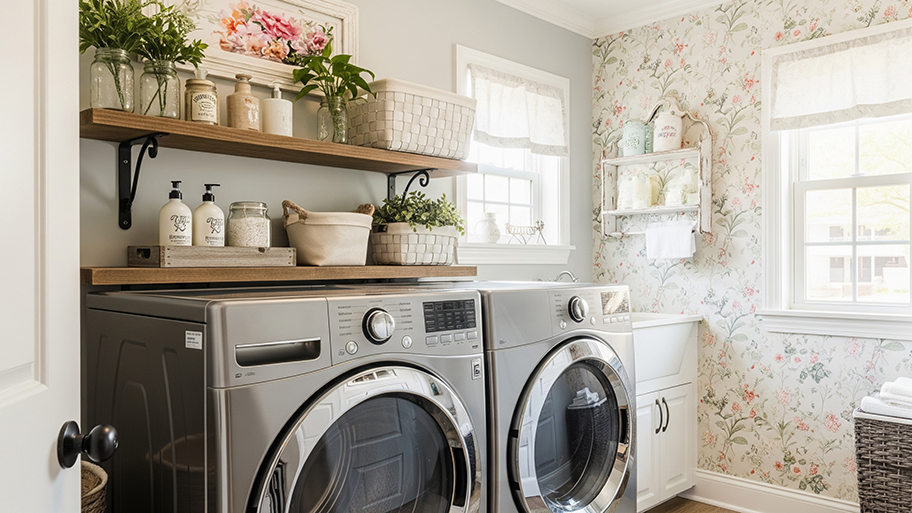
Moving your washer and dryer upstairs might sound like a big challenge. But what if you could do it safely and without stress?
Imagine having your laundry area right where you want it—convenient and easy to access. In this guide, you’ll discover simple steps to make the move smooth, avoid common mistakes, and save time and money. Ready to transform your laundry space?
Keep reading to find out how you can do it yourself with confidence.
Assess Space And Requirements
Moving your washer and dryer upstairs needs careful planning. You must check the space, floor strength, and connections. This helps avoid problems later.
Start by measuring the area where you want to place the machines. Then, check if the floor can hold their weight. Finally, find the water and power sources.
Measure Dimensions And Clearances
Measure the width, depth, and height of your washer and dryer. Also, measure the space in the new location. Leave room for ventilation and easy access.
- Measure the appliance width and height
- Check the space width, depth, and height
- Leave at least 3 inches of clearance on each side
- Allow 6 inches clearance at the back for hoses and cords
- Ensure enough space to open doors fully
Check Floor Load Capacity
Washers and dryers are heavy, especially when running. Check if your upstairs floor can hold their weight safely. You may need a professional to inspect it.
| Appliance | Weight (lbs) | Weight When Running (lbs) |
| Washer | 150 | 180 |
| Dryer | 125 | 130 |
| Combined | 275 | 310 |
Locate Water And Electrical Connections
Find where the water supply and drainage lines are. Also, check the electrical outlets. Your washer and dryer need proper connections for safe use.
- Locate hot and cold water supply valves nearby
- Check for a drain pipe or standpipe for wastewater
- Ensure a grounded 120V outlet for the washer
- Confirm a 240V outlet for the dryer if electric
- Check for proper venting for the dryer exhaust
Gather Necessary Tools And Materials
Moving a washer and dryer upstairs needs careful planning. You must gather all tools and materials before starting.
This guide covers the essential equipment and supplies for a safe and smooth move.
Essential Moving Equipment
Having the right moving equipment protects your appliances and makes carrying easier.
- Appliance dolly with straps
- Moving blankets or pads
- Heavy-duty gloves
- Measuring tape
- Furniture sliders
- Rope or bungee cords
- Tool kit (screwdrivers, wrenches)
Plumbing And Electrical Supplies
You need plumbing and electrical supplies to disconnect and reconnect the washer and dryer safely.
| Supply | Purpose |
| Wrench set | Disconnect water hoses |
| Pipe tape | Seal water connections |
| Hose washers | Prevent leaks |
| Electrical tester | Check outlet safety |
| Extension cords | Temporary power supply |
| Plumber’s putty | Seal leaks if needed |
Prepare Washer And Dryer For Moving
Moving your washer and dryer upstairs needs careful preparation. This prevents damage and ensures safety.
Follow clear steps to disconnect and clean your appliances before lifting them to the next floor.
Disconnect Utilities Safely
Turn off the water supply to the washer. Unplug both appliances from the electrical outlets. Disconnect the hoses from the back of the washer and dryer.
- Turn off the main water valve.
- Unplug washer and dryer from power sources.
- Detach water hoses carefully to avoid spills.
- Disconnect the dryer vent hose.
Secure Moving Parts
Lock or secure all moving parts inside your washer and dryer. This prevents damage during the move.
- Use shipping bolts for the washer drum if available.
- Secure dryer drum and door with tape or straps.
- Remove any loose parts or accessories.
Empty And Clean Appliances
Empty all water and debris from your washer and dryer. Clean them to avoid odors and leaks during the move.
| Task | Details |
| Drain Washer | Run a spin cycle to remove water, then unplug and drain hoses. |
| Clean Lint Filter | Remove lint from the dryer filter and vent. |
| Wipe Surfaces | Clean inside and outside to remove dirt and moisture. |

Credit: www.reddit.com
Plan The Moving Path
Moving a washer and dryer upstairs requires careful planning. You must ensure a clear path for safe transport.
Consider potential obstacles and plan how to protect your home from damage during the move.
Identify Obstacles And Clearance Points
Check for any obstacles that might block the path. Measure doorways and hallways to make sure the appliances can pass through.
- Measure door frames and hallways.
- Remove small furniture from the path.
- Look out for low ceilings or hanging fixtures.
Protect Floors And Walls
Protecting your floors and walls helps prevent damage during the move. Use covers or padding to shield surfaces.
| Area | Protection Method |
| Floors | Use furniture sliders |
| Walls | Apply padding or blankets |
| Stairs | Secure with non-slip covers |
Arrange Help Or Hire Professionals
Moving heavy appliances requires help. Decide if you need friends or professional movers for assistance.
Move Appliances Upstairs
Moving your washer and dryer upstairs can save space and improve your laundry setup. It takes careful planning and strong effort. Use the right tools and techniques to avoid damage and injury.
Make sure you prepare the path and clear obstacles. Moving these heavy appliances is easier with the correct methods.
Lift And Carry Techniques
Lift the washer and dryer with your legs, not your back. Bend your knees and keep your back straight. Hold the appliance close to your body for balance.
Work with another person to share the weight. Communicate clearly and move slowly to keep control. Avoid twisting your body while carrying.
Use Of Dollies And Straps
Use a furniture dolly to roll the washer and dryer. It reduces the effort needed to carry them upstairs. Secure the appliance on the dolly with straps to prevent slipping.
- Place the appliance firmly on the dolly
- Use moving straps to tie it tightly
- Roll carefully up the stairs one step at a time
Straps help keep your hands free and provide better control. Make sure the dolly wheels are in good condition before moving.
Safety Tips During Moving
Wear gloves and sturdy shoes to protect your hands and feet. Clear the stairs and path of any tripping hazards. Take breaks if you feel tired.
- Do not rush or hurry while moving
- Use spotters to guide you on stairs
- Keep the appliance balanced and stable
- Check for any loose parts before lifting
Always ask for help if the appliances feel too heavy. Safety should be your top priority during the move.
Install Washer And Dryer Upstairs
Moving your washer and dryer upstairs can save space and improve convenience. Proper installation is important for safety and performance.
Follow clear steps to connect water, set up electricity, and secure the appliances for smooth operation.
Reconnect Water And Drainage
Connect the water supply hoses to the hot and cold water valves. Attach the drain hose securely to the drain pipe. Check for leaks before use.
- Turn off main water supply before connecting
- Use new hoses to avoid leaks
- Ensure the drain hose is properly fastened
- Test connections with a small water flow
Set Up Electrical Connections
Plug in the dryer and washer to properly grounded outlets. Use a dedicated circuit to prevent overloads. Check all wires for damage.
| Appliance | Voltage | Plug Type |
| Washer | 120V | Standard 3-prong |
| Dryer | 240V | 4-prong or 3-prong depending on model |
Level And Secure Appliances
Level the washer and dryer using adjustable feet. Tighten all bolts and screws to prevent movement during use. This reduces noise and wear.
- Use a carpenter’s level on each appliance
- Adjust feet until the appliance is stable
- Secure the dryer vent to prevent disconnection
- Check stability by gently pushing each appliance
Test And Troubleshoot
After moving your washer and dryer upstairs, testing them is very important. Testing helps find any problems early.
Check if the machines work well and if there are leaks or electrical issues. Fix problems before regular use.
Run Initial Cycles
Run the washer and dryer on a short cycle first. This lets you see if they start and finish correctly.
Listen for strange noises or shaking. Watch the machines carefully during these first uses.
Check For Leaks Or Electrical Issues
Look under the washer for water leaks. Check hoses and connections for drips or wet spots.
Check power cords and outlets. Make sure plugs are secure and no sparks or smells appear.
- Inspect water supply hoses for cracks or leaks
- Look for water pooling on the floor
- Ensure electrical plugs fit snugly
- Watch for flickering lights or odd smells
Make Necessary Adjustments
If you find leaks, tighten or replace hoses. Fix any loose connections quickly.
Adjust the machine’s leveling feet to stop shaking. Call an electrician if you see electrical problems.
- Tighten water connections with a wrench
- Replace damaged hoses with new ones
- Level machines using a spirit level
- Contact a professional for electrical fixes

Credit: www.reddit.com
Maintenance Tips For Upstairs Laundry
Moving your washer and dryer upstairs can be convenient. It saves time and effort daily. But, maintaining them well is key to avoiding problems.
Proper maintenance ensures your laundry area stays safe and efficient. Here, we discuss key tips to keep your upstairs laundry in top shape.
Ventilation And Moisture Control
Good ventilation is crucial for any laundry space. It helps prevent mold and moisture build-up. Here are some tips to manage ventilation and moisture.
- Install a vent fan to remove moisture quickly.
- Keep windows open when possible for natural air circulation.
- Check dryer vents regularly to ensure they are not blocked.
- Use moisture barriers on walls to protect from dampness.
Regular Cleaning And Inspection
Cleaning and inspecting your washer and dryer prevents breakdowns. It also extends their lifespan. Follow these steps for effective maintenance:
- Wipe down the washer and dryer surfaces weekly.
- Inspect hoses and connections for leaks.
- Clean the lint trap after every dryer use.
- Run a cleaning cycle with vinegar monthly in the washer.
- Check the dryer vent for lint build-up every three months.

Credit: www.reddit.com
Frequently Asked Questions
How Do I Prepare Washer And Dryer For Moving Upstairs?
Turn off water and power supply. Disconnect hoses and cords carefully. Drain water from the washer. Secure drum inside the washer to prevent movement. Measure doorways and stairs to ensure smooth passage.
What Tools Are Needed To Move Washer And Dryer Upstairs?
You’ll need a dolly, moving straps, and furniture sliders. A helper is essential for safety. Use protective gloves and sturdy shoes. Measuring tape and a wrench may help with disconnections.
Can I Move Washer And Dryer Alone Upstairs?
It’s not recommended. Washers and dryers are heavy and bulky. Two or more people reduce the risk of injury and damage. Professional movers ensure safe handling and proper placement upstairs.
How To Avoid Damage When Moving Washer And Dryer Upstairs?
Use padded blankets to protect surfaces. Secure moving straps tightly. Avoid tilting washer excessively to prevent drum damage. Move slowly and carefully on stairs to prevent bumps and falls.
Conclusion
Moving your washer and dryer upstairs takes careful planning and effort. Make sure to measure space and check water, power, and vent connections. Use sturdy tools and get help to lift heavy machines safely. Take time to avoid damage and leaks.
A well-placed laundry area upstairs saves steps and adds convenience. Follow the steps closely for a smooth move. Your home will feel more organized and practical after the change. Keep safety first and enjoy your new laundry setup.