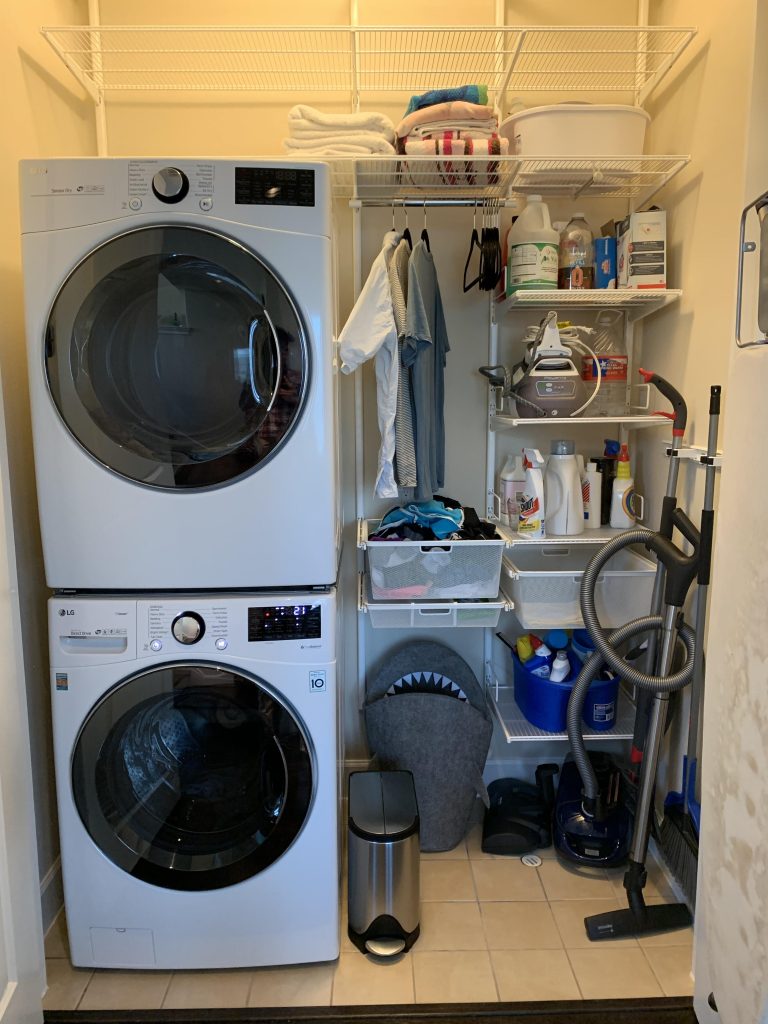
Moving your washer and dryer can feel like a big task. You might worry about heavy lifting, water leaks, or damaging your machines.
But what if you could do it safely and smoothly, without stress? In this guide, you’ll discover simple steps to move your washer and dryer with confidence. By the end, you’ll know exactly how to protect your appliances and your home.
Ready to make your move easy and hassle-free? Let’s get started.

Credit: www.reddit.com
Prepare The Washer Dryer
Moving a washer dryer needs careful preparation. This helps avoid damage and leaks.
Follow these steps before you move your appliance to keep it safe and secure.
Unplug And Disconnect
Always unplug the washer dryer from the power outlet first. This stops electrical hazards.
Then, disconnect the water supply hoses from the back of the machine. Turn off the water valves before disconnecting.
- Unplug power cord from the socket
- Turn off hot and cold water valves
- Use a towel to catch drips when removing hoses
Drain Water And Hoses
Drain any water left inside the machine. This prevents spills during the move.
Remove the drain hose and empty any water inside it. Keep towels handy to absorb leaks.
- Run the drain cycle to empty internal water
- Remove and drain the drain hose
- Keep a bucket or towels nearby for spills
Secure Moving Parts
Lock or secure parts inside the washer dryer before moving. This stops damage from shaking or bumps.
Use packing materials or the original transit bolts if available. Secure the drum and any loose components.
- Use transit bolts to secure the drum
- Wrap loose parts with padding or tape
- Check the manual for specific instructions

Credit: www.reddit.com
Gather Moving Supplies
Moving a washer and dryer needs the right supplies. Prepare these items before you start.
Having all materials ready makes the process safer and easier.
Packing Materials
Use packing materials to protect your washer and dryer during the move. Wrap parts and secure loose items.
- Moving blankets to cover and protect the machines
- Bubble wrap for fragile parts and knobs
- Strong packing tape to secure coverings
- Plastic wrap to keep doors closed
- Cardboard sheets to shield surfaces
Tools Needed
Gather tools to disconnect and prepare your washer and dryer for moving. Keep them handy.
| Tool | Purpose |
|---|---|
| Adjustable wrench | Disconnect water hoses |
| Screwdriver | Remove screws and panels |
| Utility knife | Cut packing tape and plastic wrap |
| Socket wrench | Detach bolts and fasteners |
| Work gloves | Protect your hands |
Protect The Appliance
Moving a washer and dryer can be tricky. You must protect the machines from damage.
Proper protection helps avoid dents, scratches, and broken parts during the move.
Wrap With Padding
Use soft padding materials to cover your washer and dryer. This prevents scratches and dents.
Blankets, bubble wrap, or foam sheets work well. Wrap all sides, including corners and edges.
- Cover the front and back panels
- Wrap the sides and top completely
- Secure padding with tape or plastic wrap
Use Straps For Stability
Strap the washer and dryer to keep them steady during the move. This stops them from tipping.
Use strong moving straps or ratchet straps. Tighten the straps around the appliance firmly but gently.
- Place straps over padded areas to avoid damage
- Secure straps to the moving truck or dolly
- Check strap tightness often during transport
Plan The Moving Path
Moving a washer dryer needs careful planning. A clear path helps avoid damage.
Check the route from the appliance to the moving truck. Plan each step before starting.
Measure Doorways And Hallways
Measure all doorways and hallways the washer dryer must pass. Check width and height.
Compare these measurements to your washer dryer size. This prevents getting stuck or damaged.
- Measure doorway width and height
- Measure hallway width
- Check for tight corners and turns
Clear Obstacles
Remove all obstacles along the moving path. This includes furniture, rugs, and decorations.
Clear space allows smooth movement and reduces the risk of accidents or damage.
- Move furniture out of the way
- Roll up or remove rugs
- Clear wall hangings or low objects
Move The Washer Dryer Safely
Moving a washer dryer needs care to avoid damage or injury. Use the right tools and methods to make the process easier and safer.
Follow simple steps to protect yourself and the appliance during the move.
Use A Dolly Or Hand Truck
A dolly or hand truck helps carry heavy appliances without straining your body. Secure the washer dryer firmly to avoid tipping or falling.
- Place the dolly near the appliance base.
- Fasten straps around the washer dryer.
- Keep the appliance balanced on the dolly.
- Push slowly and watch for obstacles.
- Use ramps for stairs or curbs.
Lift With Proper Technique
Lift the washer dryer using your legs, not your back. Keep your back straight and bend your knees to avoid injury.
| Step | Action |
| 1 | Stand close to the washer dryer with feet shoulder-width apart. |
| 2 | Bend your knees and squat down, keeping your back straight. |
| 3 | Grip the washer dryer firmly at the base or handles. |
| 4 | Lift by straightening your legs slowly. |
| 5 | Keep the washer dryer close to your body while moving. |
Reinstall At New Location
Moving a washer and dryer to a new place needs careful steps. Make sure all parts are ready before you start.
Prepare the area where you want to set up the appliances. Check the space and make sure it fits the washer and dryer.
Reconnect Hoses And Power
First, attach the water hoses to the washer. Make sure they are tight to avoid leaks. Use a wrench if needed.
Next, plug the dryer into the power outlet. Check the cord and make sure it is not damaged.
- Connect cold water hose to cold water tap
- Connect hot water hose to hot water tap
- Attach the drain hose to the drain pipe
- Plug the washer and dryer into the outlet
Level And Test The Appliance
Place the washer and dryer on a flat surface. Use a level tool to check if they are balanced.
Run a test cycle to ensure everything works. Listen for unusual noises that may indicate issues.
- Adjust feet to ensure the washer is stable
- Start a short wash cycle to test the washer
- Run the dryer with no clothes to check the heat

Credit: perthcheapmovers.com.au
Frequently Asked Questions
How Do I Prepare My Washer Dryer For Moving?
Unplug the appliance and turn off water supply. Disconnect hoses and drain remaining water. Secure drum to prevent damage during transport.
What Tools Are Needed To Move A Washer Dryer?
You need a wrench, towels, moving straps, and a dolly. These help disconnect, protect, and transport the washer dryer safely.
Can I Move My Washer Dryer Alone?
Moving a washer dryer alone is risky due to its weight. It is safer to get help or hire professionals.
How To Avoid Damage While Moving Washer Dryers?
Use padding like blankets to protect surfaces. Secure the drum and hoses properly. Move slowly to avoid bumps and jolts.
Conclusion
Moving a washer and dryer takes careful steps and some strength. Always unplug the machines before starting. Use proper tools and ask for help if needed. Protect floors and walls during the move. Take your time to avoid damage or injury.
Following simple tips makes the process easier and safer. Soon, your laundry area will be ready in the new spot. A smooth move saves you stress and keeps your appliances working well.