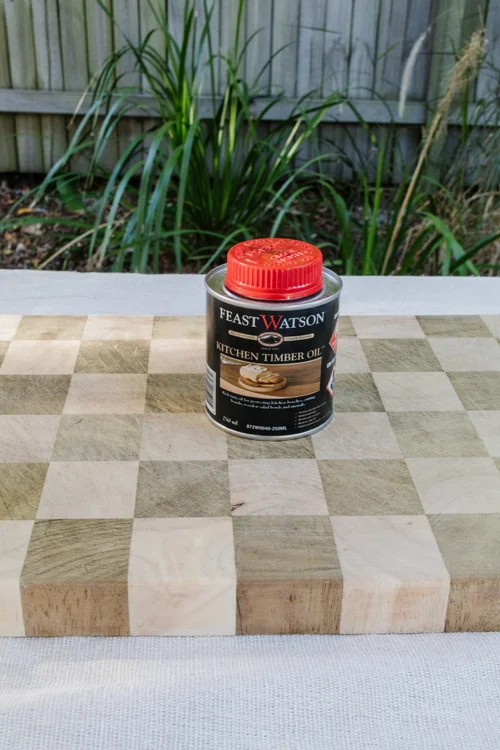
Your cutting board is more than just a kitchen tool—it’s where you prepare meals, create memories, and nurture your love for cooking. But if you’ve never oiled your cutting board before, it might feel a bit confusing.
How do you do it right? What kind of oil should you use? And why does it even matter? Taking a few simple steps to oil your cutting board can protect it from cracks, stains, and bacteria. In this guide, you’ll discover exactly how to oil your cutting board for the first time, so it stays strong, beautiful, and safe for years to come.
Keep reading—you’ll learn easy tips that anyone can follow, even if you’ve never done it before.

Credit: www.youtube.com
Choosing The Right Oil
Oiling a cutting board keeps it strong and safe. The right oil protects the wood from cracks and stains.
Choosing the correct oil matters. Not all oils work well or are safe for food contact.
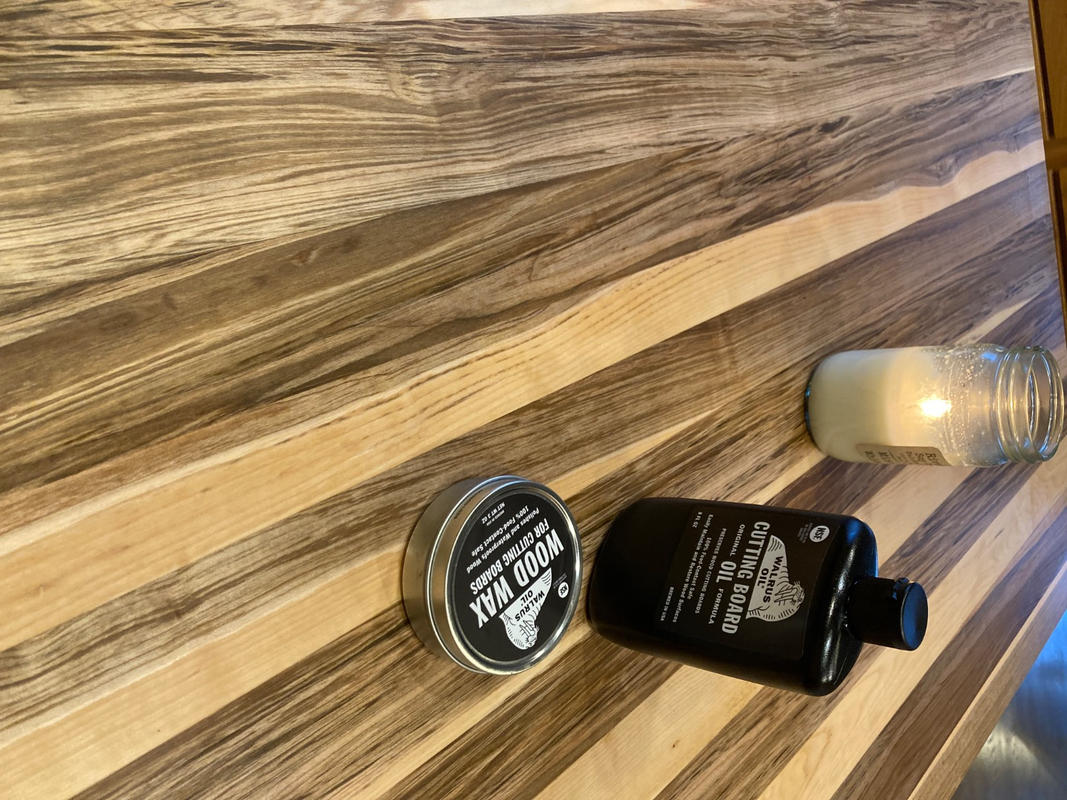
Food-safe Oils To Use
Food-safe oils help the board stay smooth and clean. They soak into the wood and form a protective layer.
- Mineral oil is popular. It is colorless and odorless.
- Coconut oil, especially fractionated, is safe and resists spoiling.
- Walnut oil works well but watch for allergies.
- Beeswax mixed with oil adds extra protection.
Use pure oils made for cutting boards. They keep your board safe for food prep.
Oils To Avoid
Avoid oils that can spoil or become sticky. These can harm your board and food safety.
- Vegetable oils like olive or canola go bad quickly.
- Nut oils not labeled food-safe may cause allergies.
- Cooking oils leave sticky, smelly residues.
- Petroleum-based oils are toxic and unsafe for food.
Pick oils made for cutting boards to keep your kitchen safe and your board lasting longer.

Credit: www.reddit.com
Preparing Your Cutting Board
Oiling a cutting board for the first time keeps it strong and safe. Proper preparation helps the oil soak in well.
Cleaning and smoothing the board are key steps before oiling. These steps remove dirt and rough spots.
Cleaning And Drying
Start by washing your cutting board with warm water and mild soap. Avoid soaking it in water for a long time.
- Use a soft sponge or cloth to scrub the surface gently.
- Rinse thoroughly with clean water.
- Dry the board completely with a towel.
- Let it air dry standing up or on a rack to keep air flowing.
Sanding Rough Surfaces
Check your board for rough patches or splinters. Sanding these spots helps oil absorb evenly.
| Sandpaper Grit | Use |
| 120 grit | Remove deep scratches and rough areas |
| 220 grit | Smooth the surface before oiling |
| 320 grit | Finish sanding for a soft touch |
Applying The Oil
Oiling your cutting board helps protect it from cracks and stains. It also keeps the wood looking fresh and smooth.
Applying oil for the first time needs care. Using the right tools and steps ensures good results.
Tools Needed
Gathering the right tools makes oiling easier and cleaner. You will need items that help spread and soak in the oil well.
- Food-grade mineral oil or cutting board oil
- Clean, lint-free cloth or paper towels
- Small bowl or container for the oil
- Gloves (optional, to protect your hands)
- Plastic scraper or spatula (optional, for spreading)
Step-by-step Application
Follow these steps to apply oil correctly. Take your time to cover the board evenly.
- Clean the board with warm water and dry it completely.
- Pour a small amount of oil into a bowl.
- Use a cloth to pick up some oil.
- Rub the oil into the wood in small circles.
- Cover all sides, including edges and bottom.
- Let the oil soak in for at least 20 minutes.
- Wipe off any extra oil with a dry cloth.
- Allow the board to dry overnight before use.
Allowing Oil To Absorb
Oiling a cutting board helps protect it from water and cracks. After applying oil, you must let it soak in well. This step keeps your board strong and clean.
Patience is key. The oil needs time to reach deep into the wood fibers. This process helps the board stay smooth and durable for a long time.
Ideal Waiting Time
Wait at least 4 to 6 hours after applying oil. This gives the wood enough time to soak up the oil completely. Some people leave it overnight for better results.
If the board still feels dry, apply another coat and wait again. Avoid using the board too soon or the oil will not protect well.
- Wait 4 to 6 hours minimum
- Overnight waiting is best
- Apply more oil if surface feels dry
- Do not use the board during this time
Signs Of Proper Absorption
The board looks darker and richer after oiling. It feels smooth and not sticky or oily on the surface. These signs show the oil has soaked in well.
If water droplets stay on top without soaking, the oil is working. The wood will be less likely to crack or stain. If the board feels rough or dry, add more oil.
- Darker, richer wood color
- Smooth, not sticky surface
- Water beads on the surface
- Less rough or dry feeling
Maintaining Your Cutting Board
Oiling your cutting board keeps it strong and safe to use. It helps stop cracks and warping. Proper care extends the life of your board.
Learn how often to oil your board and simple daily care tips to keep it in good shape.
Frequency Of Oiling
Oiling your cutting board depends on how often you use it. Regular oiling prevents drying and damage.
- Oil the board once a month if used weekly.
- For daily use, oil every one to two weeks.
- If the wood looks dry or light, apply oil right away.
- Do not oil too often; it can make the surface sticky.
Daily Care Tips
Simple daily care keeps your cutting board clean and safe for food.
| Care Action | How to Do It |
| Clean After Use | Wash with warm water and mild soap. Dry immediately. |
| Avoid Soaking | Do not leave the board in water. It may warp or crack. |
| Use Both Sides | Rotate sides to prevent uneven wear. |
| Disinfect | Use vinegar or lemon juice to kill bacteria. |
Credit: walrusoil.com
Common Mistakes To Avoid
Oiling a cutting board for the first time keeps it safe and healthy. Many people make simple errors that can harm the board.
Knowing what to avoid helps your cutting board last longer and stay beautiful.
Over-oiling
Putting too much oil on the board can cause problems. The board may feel sticky or oily for days.
Excess oil can attract dirt and dust, making the board dirty faster. It may also cause the wood to swell and crack.
- Use a small amount of oil at a time
- Rub the oil evenly into the wood
- Wipe off extra oil with a clean cloth
Using The Wrong Products
Not all oils are safe for cutting boards. Some oils can go bad and leave a bad smell or taste.
Avoid using cooking oils like olive or vegetable oil. These oils can turn rancid and harm the wood.
- Choose food-safe mineral oil or cutting board oil
- Do not use motor oil, salad oil, or other non-food oils
- Check the label to ensure the oil is safe for kitchen use
Frequently Asked Questions
How Often Should You Oil A Cutting Board?
Oiling your cutting board every 3-4 weeks keeps it in top condition. Regular oiling prevents cracks and maintains its natural luster. If you use your board daily, consider oiling it more frequently. Proper care extends its lifespan and ensures a smooth surface for food preparation.
What Type Of Oil Is Best For Cutting Boards?
Use food-grade mineral oil for your cutting board. It’s non-toxic, odorless, and won’t turn rancid. Avoid vegetable or olive oils, as they can spoil and produce odors. Mineral oil penetrates deep, providing a protective barrier. It’s widely available and affordable, making it the best choice for board maintenance.
Can You Use Coconut Oil On Cutting Boards?
Coconut oil is not recommended for cutting boards. It can become rancid over time. Although some prefer its scent, mineral oil is a better option. Mineral oil ensures a long-lasting, odor-free board. Stick to oils specifically designed for cutting board care to maintain quality and hygiene.
Why Is Oiling A Cutting Board Necessary?
Oiling prevents wood from drying and cracking. It maintains the board’s appearance and functionality. Regular oiling acts as a moisture barrier, protecting from bacteria and stains. It also enhances the wood’s natural color and texture. Proper oiling ensures your cutting board lasts for years.
Conclusion
Oiling your cutting board keeps it strong and clean. It stops the wood from drying and cracking. Regular oiling helps the board last longer. Use food-safe oil and apply it evenly. Let the oil soak in well before use. This simple care step protects your kitchen tool.
Keep your board ready for many meals. Easy to do. Worth the effort. Your cutting board will thank you.