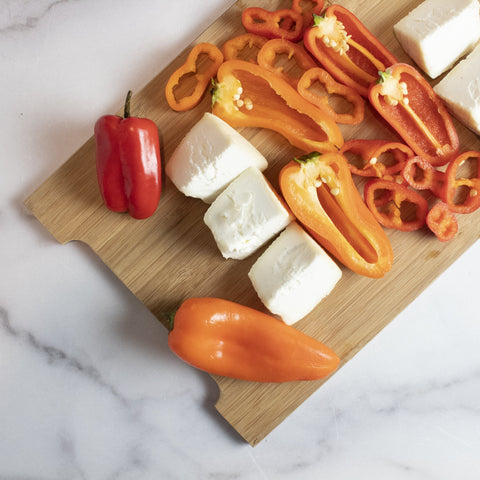
Your bamboo cutting board is more than just a kitchen tool—it’s an investment that deserves care. But do you know the simple step that can keep it looking fresh and lasting longer?
Oiling your bamboo cutting board is the secret to preventing cracks, warping, and stains. If you want your board to stay strong, smooth, and safe for your food, this guide will show you exactly how to do it right. Keep reading to discover easy tips that will protect your board and make your cooking experience better every time.
Why Oil Your Bamboo Cutting Board
Bamboo cutting boards need regular care. Oiling keeps them strong and safe to use. This simple step helps your board last longer.
Oiling protects bamboo from water damage and stops it from drying out. It also keeps your board looking fresh and clean.
Benefits Of Oiling
Oiling your bamboo cutting board offers many advantages. It forms a protective layer that blocks moisture. This prevents warping and cracking.
- Prevents cracks and splits in the wood
- Keeps the board from absorbing water and odors
- Makes cleaning easier by creating a smooth surface
- Enhances the natural color and grain of bamboo
- Increases the board’s lifespan
Signs Your Board Needs Oil
Knowing when to oil your board is important. Watch for these signs to keep your bamboo in good shape.
| Sign | What It Means |
| Wood looks dry or dull | Board needs moisture to prevent cracking |
| Water soaks in quickly | Protective oil layer is worn off |
| Small cracks or splits appear | Board is drying out and may break |
| Board feels rough | Surface needs smoothing and oiling |

Credit: www.amazon.com
Choosing The Right Oil
Oiling your bamboo cutting board keeps it strong and prevents cracking. Using the right oil helps protect the wood and keeps it safe for food use.
Not all oils work well on bamboo boards. Some can spoil or cause sticky surfaces. Choose an oil that is safe and effective.
Food-safe Oils To Use
Food-safe oils keep your bamboo board healthy and safe for cooking. These oils soak into the wood and create a water-resistant layer.
- Mineral oil is popular. It is odorless and does not go bad.
- Coconut oil is natural and safe if it is refined and odorless.
- Walnut oil is good but may cause allergies for some people.
- Pure tung oil is natural and water-resistant but takes longer to dry.
Oils To Avoid
Some oils can make your bamboo board sticky or rancid. Avoid these oils to keep your board fresh and clean.
- Vegetable oils like olive or canola oil can go rancid quickly.
- Butter or animal fats can spoil and cause bad smells.
- Essential oils or scented oils are not safe for food surfaces.
- Polymerizing oils that are not food-grade may be toxic.
Preparing The Cutting Board
Oiling a bamboo cutting board keeps it strong and prevents cracks. Proper preparation helps the oil soak in well.
Start by cleaning and drying the board carefully. These steps protect the bamboo and improve oil absorption.
Cleaning Before Oiling
Clean the cutting board to remove food particles and dirt. Use mild soap and warm water only.
- Wash the board with a soft sponge or cloth.
- Do not soak the board in water to avoid warping.
- Rinse well to remove all soap residues.
- Wipe the surface with a clean towel after washing.
Drying Tips
Drying the board properly is important before applying oil. Moisture can stop the oil from soaking in.
| Drying Method | Instructions |
|---|---|
| Air Dry | Stand the board upright in a well-ventilated area for several hours. |
| Towel Dry | Pat the board with a dry cloth to remove excess water immediately after washing. |
| Do Not | Avoid drying near direct heat or sunlight to prevent cracks and warping. |

Credit: greenerchef.com
Step-by-step Oiling Process
Oiling your bamboo cutting board keeps it strong and water-resistant. It also helps stop cracks and stains.
Follow these simple steps to oil your board and keep it in great shape.
Applying The Oil
Start with clean, dry bamboo cutting board. Use a food-safe mineral oil or bamboo oil.
Pour a small amount of oil onto the board. Spread it evenly with a soft cloth or paper towel.
- Cover all surfaces, including edges
- Use circular motions to spread oil
- Apply a thin but full layer
Letting It Soak
Let the oil soak into the bamboo. This usually takes at least one hour.
For best results, leave it overnight. The board will absorb more oil and stay protected.
- Place the board flat in a dry spot
- Avoid using or washing the board during this time
- Repeat oiling if the board looks dry
Wiping Excess Oil
After soaking, wipe off any extra oil with a clean cloth. Too much oil can feel sticky.
Make sure the board is dry before storing. This keeps the surface smooth and ready to use.
- Use a dry, soft cloth
- Remove oil puddles or drips
- Store board in a cool, dry place
Frequency Of Oiling
Oiling your bamboo cutting board keeps it strong and water-resistant. It also helps stop cracks and warping.
The oiling frequency depends on how often you use the board and the season. Both factors affect the wood’s condition.
Based On Usage
If you use your bamboo cutting board every day, it needs more frequent oiling. Light or rare use requires less oil.
- Heavy use: oil once a week to keep moisture in.
- Moderate use: oil every two weeks for protection.
- Light use: oil once a month to maintain the wood.
Seasonal Care
Seasonal changes affect the bamboo board’s moisture. Dry air in winter can dry it out fast.
| Season | Recommended Oiling Frequency |
| Spring | Every 2 weeks |
| Summer | Every 2-3 weeks |
| Fall | Every 3 weeks |
| Winter | Every week to 10 days |
Maintaining Your Bamboo Board
Keeping your bamboo cutting board in good shape helps it last longer. Proper care prevents cracks and damage.
This guide covers simple cleaning and oiling tips for your bamboo board.
Regular Cleaning
Clean your bamboo board after every use to remove food particles and bacteria. Use warm, soapy water and a soft sponge.
- Rinse the board with warm water immediately after use.
- Use mild dish soap and a soft cloth or sponge to scrub gently.
- Do not soak the board in water to avoid swelling.
- Dry the board thoroughly with a clean towel.
- Let it air dry standing upright to prevent moisture buildup.
Avoiding Damage
Protect your bamboo board by avoiding harsh treatments and extreme conditions.
| Action | What to Do | What to Avoid |
| Oiling | Apply food-safe mineral oil once a month | Do not use vegetable or cooking oils that can go rancid |
| Cutting | Use sharp knives and cut gently | Avoid heavy chopping or hitting the board with cleavers |
| Storage | Store in a dry place, away from direct sunlight | Do not leave the board near heat sources or in damp areas |
| Cleaning | Hand wash only, dry immediately | Never put the board in the dishwasher |
Common Mistakes To Avoid
Oiling a bamboo cutting board keeps it strong and water-resistant. Many people make mistakes that harm the board.
Learn what to avoid to keep your bamboo board in good shape longer.
Using The Wrong Oil
Not all oils are safe for cutting boards. Some oils can turn sticky or go bad.
Choose food-safe oils like mineral oil. Avoid vegetable oils that spoil quickly.
Applying Too Much Oil
Putting too much oil causes a sticky surface. It can also trap dirt and bacteria.
Apply a thin, even layer of oil. Let it soak in before adding more.
Oiling A Wet Board
Oiling a wet or damp board stops the oil from soaking in. This can cause uneven absorption.
Always dry your board completely before applying oil.
Skipping Regular Maintenance
Only oiling the board once can cause it to crack or dry out. Bamboo needs regular care.
Oil your board every few weeks or when it looks dry.
Not Cleaning Before Oiling
Applying oil on a dirty board traps food and bacteria inside. This can cause bad smells.
Clean the board well and dry it before oiling.
Using Heat After Oiling
Heating the board after oiling can damage the bamboo and oil finish. It may cause cracking.
Let the board air dry naturally after oiling. Avoid heat sources.

Credit: www.amazon.com
Frequently Asked Questions
How Often Should I Oil My Bamboo Cutting Board?
Oil your bamboo cutting board once a month to maintain its condition. Regular oiling prevents cracking and warping. If the board is used frequently, consider oiling it every two weeks. Always ensure the board is clean and dry before applying oil for best results.
What Type Of Oil Is Best For Bamboo Boards?
Use food-grade mineral oil for bamboo cutting boards. It’s safe and prevents drying and cracking. Avoid using cooking oils like olive or vegetable oil, as they can turn rancid. Apply a generous amount and let it soak overnight for optimal protection.
Can I Use Coconut Oil On Bamboo Cutting Boards?
Coconut oil is not recommended for bamboo cutting boards. It can go rancid over time. Opt for food-grade mineral oil instead. It provides a reliable protective barrier without the risk of spoilage. Always ensure the board is clean before applying any oil.
How Do I Apply Oil To A Bamboo Board?
Start with a clean, dry board. Use a soft cloth or paper towel to apply oil. Rub the oil in circular motions, covering the entire surface. Allow the oil to soak in for several hours or overnight. Wipe off any excess oil before using the board.
Conclusion
Oiling your bamboo cutting board keeps it strong and fresh. Regular care stops cracks and warping. Use food-safe oil and apply it evenly. Let the oil soak in fully before use. This simple step helps your board last longer. Clean it well before oiling for best results.
A well-oiled board looks good and works well. Take a few minutes to protect your kitchen tool. Your bamboo board will thank you with years of service. Easy care makes a big difference. Keep your cutting board ready for every meal.