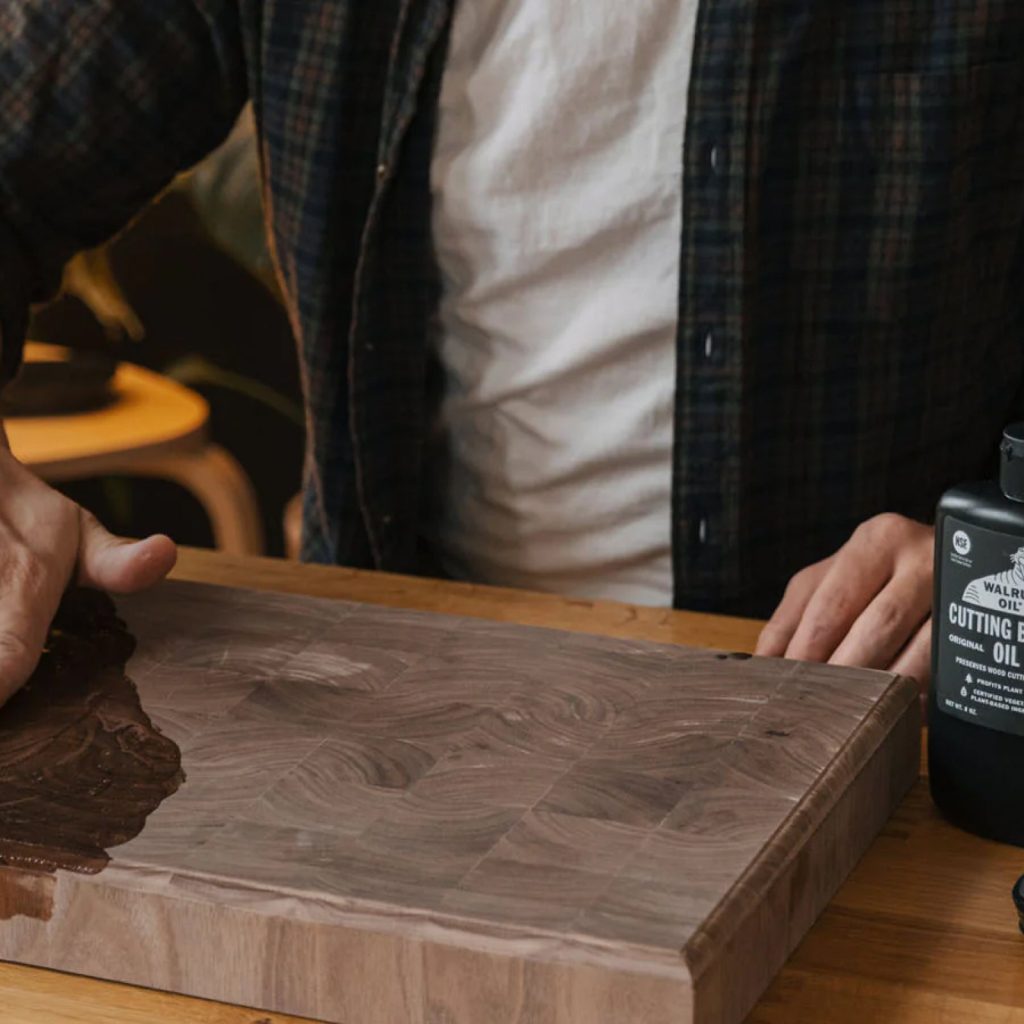
Your cutting board works hard every day, chopping, slicing, and dicing your favorite ingredients. But have you ever stopped to think about how to keep it in top shape?
Oiling your cutting board is a simple step that can make a huge difference in its lifespan and hygiene. If you want to protect your board from cracks, warping, and bacteria, this guide will show you exactly how to oil your cutting boards the right way.
Keep reading to discover easy tips that will keep your kitchen tools looking fresh and lasting longer.
Choosing The Right Oil
Oiling cutting boards keeps them in good shape. It stops the wood from drying out and cracking.
Picking the right oil is important. Some oils protect the wood better and are safe for food contact.
Food-safe Oils To Use
Use oils that do not spoil or go rancid. They should be safe if they touch food.
- Mineral oil is common and safe for cutting boards.
- Food-grade walnut oil soaks into wood well.
- Coconut oil resists water and smells nice.
- Pure tung oil dries hard and protects wood.
- Beeswax mixed with mineral oil adds extra protection.
Oils To Avoid
Some oils are not good for cutting boards. They can spoil or harm the wood.
- Vegetable oils like olive or canola oil can go rancid.
- Linseed oil often has chemicals that are unsafe.
- Cooking oils break down and cause sticky surfaces.
- Essential oils may damage the wood or be unsafe.
- Non-food oils, like motor oil, must never be used.

Credit: www.oldyankeecuttingboards.com
Preparing The Cutting Board
Oiling a cutting board keeps it in good shape and protects the wood. You must prepare the board well before applying oil. This ensures the oil soaks in evenly and lasts longer.
Start by cleaning the board to remove dirt and food particles. Then dry it completely before oiling. These steps help keep your cutting board safe and strong.
Cleaning Before Oiling
Clean your cutting board with warm water and mild soap. Use a sponge or soft brush to scrub the surface gently. Avoid soaking the board in water to prevent warping.
- Rinse the board under warm running water
- Apply mild dish soap and scrub gently
- Rinse off all soap thoroughly
- Wipe the board with a clean towel
- Let it air dry briefly before next step
Drying The Board Properly
Drying your board well stops moisture from staying inside the wood. This prevents cracks and mold growth. Use a towel and air drying to remove all wetness.
| Drying Method | How to Do It |
| Towel Drying | Wipe the board with a clean, dry towel on all sides |
| Air Drying | Stand the board upright or lean it against a surface to dry fully |
| Avoid | Do not dry near heat sources to prevent warping |
Applying Oil Correctly
Oiling your cutting board keeps it in good shape. It stops the wood from drying out and cracking.
Knowing how to apply oil is important. It helps the oil soak in evenly and protects the board well.
Amount Of Oil To Use
Use enough oil to cover the board without making it sticky. Too much oil can leave a mess.
A tablespoon is usually enough for a medium-sized board. Add more if the board is very dry.
- Start with a small amount
- Add more if the wood soaks it up quickly
- Do not pour oil directly on the board
Techniques For Even Coverage
Spread oil with a clean cloth or paper towel. Rub the oil in small circles to cover the surface well.
Make sure to oil all sides, including edges. This keeps the board protected from all angles.
- Use a circular rubbing motion
- Apply oil evenly across the surface
- Let the oil soak in for several hours
- Wipe off extra oil after soaking
Frequency Of Oiling
Oiling cutting boards keeps them strong and safe to use. It stops wood from drying out and cracking.
The frequency of oiling depends on how often you use the board and the type of wood it is made from.
Signs Your Board Needs Oiling
Look for changes in your cutting board’s surface. These signs mean it needs oiling soon.
- The wood looks dry or dull
- Small cracks or splits appear
- The board feels rough to touch
- Water soaks in instead of beading up
- Food stains seem harder to clean
Routine Maintenance Schedule
Set a regular schedule to oil your cutting board. This keeps it in good shape for longer.
For boards used daily, oil once a week. For light use, oil once a month or every few weeks.
- Daily use: Oil every 7 days
- Weekly use: Oil every 2 weeks
- Occasional use: Oil every 4 weeks
Additional Care Tips
Oiling cutting boards keeps them strong and clean. It also stops the wood from drying out and cracking. Here are some tips to help you care for your cutting boards beyond oiling.
Taking good care of your cutting boards extends their life and keeps them safe for food use. Focus on avoiding water damage and storing boards properly.
Avoiding Water Damage
Water can make wood boards swell, warp, or crack. It also causes bacteria to grow if the board stays wet for too long. Follow these tips to protect your cutting boards from water damage.
- Do not soak the board in water.
- Wash with warm, soapy water right after use.
- Dry the board immediately with a clean towel.
- Let the board air dry standing up or on a rack.
- Use mineral oil regularly to seal the wood and repel water.
Storing Cutting Boards
Proper storage stops damage and keeps your boards ready for use. Store boards in a dry place with good air flow. Avoid stacking wet boards on top of each other.
| Storage Method | Benefit | Tip |
| Vertical Rack | Good air circulation | Keep boards separated |
| Wall Hooks | Dries quickly | Hang after cleaning |
| Flat Shelf (Dry) | Easy access | Place a cloth underneath |

Credit: woodforchef.com

Credit: homewithgraceandjoy.com
Frequently Asked Questions
How Often Should You Oil A Cutting Board?
It’s best to oil your cutting board once a month. Regular oiling prevents drying and cracking. Frequency depends on usage and climate. More frequent use may require more frequent oiling. Always use food-grade mineral oil for best results.
What Type Of Oil Is Best For Cutting Boards?
Food-grade mineral oil is ideal for cutting boards. It is odorless, tasteless, and safe. Avoid using vegetable oils as they can go rancid. Mineral oil deeply penetrates wood, providing long-lasting protection. It’s also affordable and easy to find in stores.
How Do You Apply Oil To Cutting Boards?
Clean and dry the board before oiling. Apply a generous amount of mineral oil. Use a clean cloth to spread the oil evenly. Let it soak for several hours or overnight. Wipe off excess oil with a dry cloth. Ensure even coverage for optimal protection.
Can You Use Olive Oil On Cutting Boards?
It’s not recommended to use olive oil on cutting boards. Olive oil can turn rancid over time, causing odor. Use food-grade mineral oil instead. Mineral oil is stable and won’t spoil. It provides better long-term protection for your cutting board.
Conclusion
Oiling cutting boards keeps them strong and safe to use. It stops wood from drying and cracking over time. Regular oiling also helps to keep your board clean and fresh. You only need a little oil and some cloth to do it right.
Make this a simple habit after washing your board. Your cutting board will last longer and look better. A well-oiled board makes cooking easier and more enjoyable. Keep your kitchen tools in top shape with this easy step.