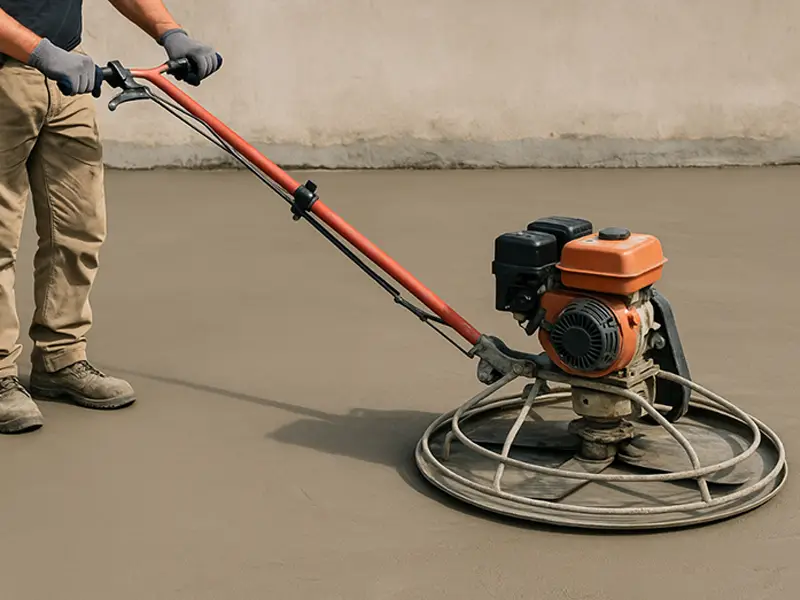
Are you ready to master a tool that can make your concrete floors smooth, strong, and professional-looking? Learning how to operate a power trowel might seem tricky at first, but with the right steps, you can handle it confidently and get amazing results.
This guide will walk you through everything you need to know, from basic controls to expert tips. Keep reading, and you’ll discover how to save time, reduce effort, and achieve a flawless finish every time you use your power trowel.
Choosing The Right Power Trowel
Choosing the right power trowel is key for smooth concrete finishes.
Consider the type, size, and safety features before buying one.
Types Of Power Trowels
Power trowels come in different types. Each type suits specific jobs.
- Walk-behind trowels are easy to use for small areas.
- Ride-on trowels cover large spaces faster.
- Electric trowels are quieter and good indoors.
- Gas-powered trowels offer more power outdoors.
Size And Power Considerations
Size affects how well the trowel works on your project.
| Power Trowel Size | Best Use | Power Type |
| 36-48 inches | Small to medium slabs | Electric or gas |
| 48-60 inches | Medium to large slabs | Gas-powered |
| 60+ inches | Very large slabs | Gas-powered |
Choose more power for thicker concrete or bigger jobs.
Safety Features To Look For
Safety is important when using power trowels. Look for these features.
- Emergency stop buttons for quick shutdown.
- Protective guards to cover moving parts.
- Throttle controls that are easy to reach.
- Handles with good grip and vibration control.
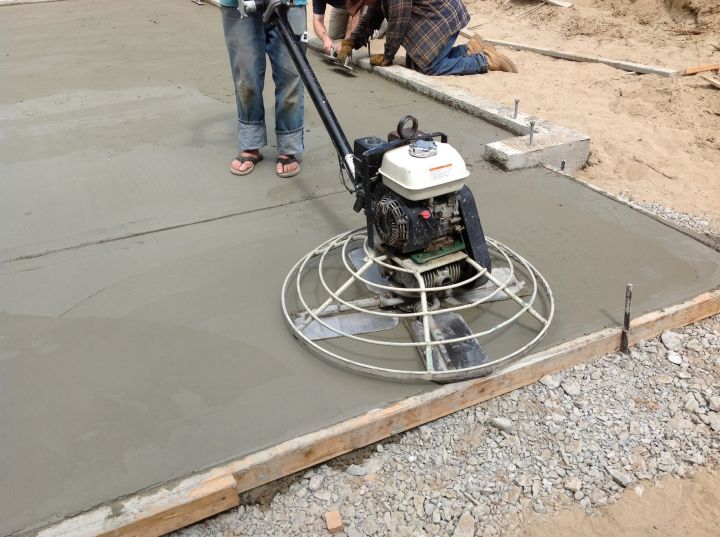
Credit: www.china-dimec.com
Preparing The Concrete Surface
Operating a power trowel starts with a well-prepared concrete surface. The right preparation helps the trowel work smoothly and finish the concrete evenly.
Proper preparation also prevents damage to the concrete and the equipment. Follow these steps to get the surface ready for troweling.
Timing For Troweling
Timing is key when using a power trowel. Start troweling after the concrete has set but is not too hard. This helps achieve a smooth finish.
Usually, the concrete surface is ready for troweling when the water sheen disappears. If you start too early, the surface can be damaged.
- Check the concrete surface every 15-30 minutes.
- Look for loss of water shine on the surface.
- Begin troweling when the concrete is firm but still workable.
Surface Moisture Checks
Before troweling, check the moisture level on the concrete surface. Too much moisture can cause a weak finish. Too little can make the surface hard to smooth.
Use a simple test like pressing a finger lightly on the surface. If water appears, wait longer before troweling.
- Press a clean finger on the concrete surface.
- If water forms, the surface is too wet for troweling.
- Wait until the surface feels damp but not wet.
Clearing Debris
Remove all debris from the concrete surface before using the power trowel. Debris can scratch or damage the finish and may harm the machine.
Use a broom or blower to clear leaves, dirt, and stones. Make sure the surface is clean and smooth for the best results.
- Sweep the entire concrete area thoroughly.
- Check for small stones or sticks on the surface.
- Use a blower to remove fine dust and debris.
Starting The Power Trowel
Operating a power trowel safely starts with proper preparation. You must check the machine before turning it on.
This guide covers the key steps to start a power trowel correctly and adjust it for best results.
Pre-operational Checks
- Inspect the blades for damage or wear.
- Check the fuel level and add fuel if needed.
- Look for loose or missing bolts on the frame.
- Ensure the throttle and controls move smoothly.
- Test the safety features, like the kill switch.
- Verify the engine oil level is sufficient.
Starting Procedures
Follow these steps to start the power trowel safely and smoothly.
- Place the power trowel on a flat surface clear of debris.
- Turn the fuel valve on if the model has one.
- Set the choke to the start position.
- Pull the starter cord firmly until the engine fires.
- Gradually move the choke to the run position as the engine warms.
- Check the throttle control to make sure it responds.
Adjusting Blade Pitch
Blade pitch controls how the blades contact the concrete. Adjust it to suit the surface and finish desired.
| Blade Pitch Setting | Effect | Use Case |
|---|---|---|
| Flat (Low Pitch) | Light contact, smooth finish | Final finishing on hard concrete |
| Medium Pitch | Moderate contact, more power | General smoothing and leveling |
| High Pitch | Strong contact, aggressive finishing | Initial surface leveling |

Credit: www.china-dimec.com
Operating Techniques
Operating a power trowel requires careful control and smooth movements. Understanding key techniques helps you achieve a flat, polished concrete surface.
This guide covers basic movement patterns, speed control tips, and how to handle edges and corners effectively.
Basic Movement Patterns
Start with steady, overlapping passes to cover the entire surface. Move the power trowel in a figure-eight or circular motion. This prevents marks and creates a smooth finish.
- Keep the blades flat and close to the concrete.
- Overlap each pass by about one-third of the blade width.
- Keep a consistent pace without rushing.
- Use light pressure to avoid digging into the concrete.
Speed Control Tips
Adjusting the speed of the power trowel helps control the finish quality. Use slower speeds for new concrete and faster speeds as it hardens.
| Concrete Condition | Recommended Speed |
| Freshly poured (soft) | Slow |
| Partially set (medium hard) | Medium |
| Almost set (hard) | Fast |
Handling Edges And Corners
Edges and corners need special care to avoid damage. Use smaller, slower passes and keep the blades angled slightly upward to avoid gouging.
Key tips for edges and corners:
- Use an edging tool if available for tight spots.
- Reduce blade speed near edges.
- Lift the trowel slightly when turning corners.
- Work slowly and steadily to maintain control.
Troubleshooting Common Issues
Power trowels help create smooth concrete surfaces. Sometimes, they may not work as expected. Troubleshooting common issues can save time and improve results.
Check your machine regularly to spot problems early. Fixing small issues prevents bigger damage and keeps your work on track.
Uneven Finishes
Uneven finishes happen when the trowel blades do not level the concrete evenly. This can cause rough spots and inconsistent texture.
- Check if the blades are set at the same angle.
- Ensure the blades are clean and free from concrete buildup.
- Adjust the handle height to keep the trowel flat on the surface.
- Move the machine steadily without stopping too long in one spot.
- Inspect the concrete mix; too wet or too dry can affect the finish.
Machine Stalling
Machine stalling means the power trowel engine stops running or hesitates. This interrupts work and may damage the motor.
| Cause | Solution |
| Dirty air filter | Clean or replace the air filter |
| Low fuel | Refill with fresh fuel |
| Faulty spark plug | Inspect and replace the spark plug |
| Clogged carburetor | Clean the carburetor |
| Overheating | Let the machine cool before use |
Blade Wear And Tear
Blades wear out over time, losing sharpness and balance. Worn blades reduce trowel performance and damage finishes.
Signs of blade wear:
- Uneven edges or cracks
- Rust or corrosion
- Loss of smooth finish on concrete
Blade care tips:
- Clean blades after each use
- Replace blades that show damage or heavy wear
- Use the right blade type for the concrete mix
Maintaining Your Power Trowel
Keeping your power trowel in good condition helps it work well for a long time. Regular care prevents problems and saves repair costs.
This guide covers cleaning, inspections, and storage to keep your machine ready for use.
Cleaning After Use
Clean the power trowel thoroughly after each use. Remove dirt and concrete from blades and engine parts. This stops rust and damage.
- Use a brush to clear concrete from blades and frame.
- Wipe engine parts with a dry cloth.
- Check air filters and clean or replace if dirty.
- Do not use water on the engine to avoid damage.
Routine Inspections
Inspect your power trowel before each use. Look for wear and damage. Fix small issues early to avoid bigger problems.
| Part | Check | Action |
| Blades | Sharpness and cracks | Sharpen or replace |
| Engine | Oil level and leaks | Top up oil, repair leaks |
| Belts | Tension and wear | Adjust or replace |
| Throttle | Proper movement | Lubricate if stiff |
Storage Best Practices
Store your power trowel in a dry, clean place. Proper storage keeps parts safe and ready for the next job.
- Drain fuel if storing for a long time.
- Cover the machine to protect from dust.
- Keep away from moisture and direct sunlight.
- Check the machine monthly during storage.
Safety Tips For Operators
Operating a power trowel can be risky without the right safety measures. Always follow safety tips to protect yourself and others around you.
Understanding safety rules helps prevent accidents and keeps the work site safe. Read each section carefully before using the machine.
Protective Gear Recommendations
Wearing the right protective gear lowers the chance of injury when using a power trowel. Always use gear that fits well and is in good condition.
Important gear includes items that protect your head, eyes, ears, and hands. This gear shields you from flying debris, loud noise, and dust.
- Hard hat to protect your head
- Safety goggles for eye protection
- Earplugs or earmuffs to reduce noise
- Work gloves to protect your hands
- Non-slip safety boots for good footing
- Long-sleeve shirts and pants to protect skin
Safe Operating Practices
Always check the power trowel before starting work. Look for loose parts, leaks, or damage. Fix problems before use.
Keep your hands and feet away from moving parts. Use both hands to control the machine. Work at a steady pace to avoid mistakes.
- Inspect the trowel before each use
- Use the machine on stable, level surfaces
- Keep the work area clear of obstacles
- Never leave the trowel running unattended
- Follow the manufacturer’s instructions
- Stay alert and avoid distractions
Emergency Procedures
If an emergency happens, turn off the power trowel immediately. Stay calm and move away from the machine safely.
Know how to call for help and where the first aid kit is. Report all accidents to your supervisor right away.
- Switch off the machine at once
- Move to a safe area away from danger
- Call emergency services if needed
- Use first aid supplies for minor injuries
- Inform your supervisor or safety officer
- Do not try to fix the machine during an emergency

Credit: www.machinesl.com
Frequently Asked Questions
How Do You Start A Power Trowel?
To start a power trowel, first ensure the fuel tank is full. Then, check the oil level. Turn the fuel valve on and set the choke. Pull the starter cord firmly. Once the engine starts, adjust the choke to maintain smooth operation.
What Safety Gear Is Needed For Operating?
When operating a power trowel, wear safety gear like gloves, goggles, and ear protection. Steel-toed boots are essential for foot protection. Ensure clothing is snug to prevent entanglement. A hard hat is recommended if working on construction sites. Always follow the manufacturer’s safety guidelines.
How Do You Control A Power Trowel?
To control a power trowel, use the handle grips to steer. Adjust the throttle for speed control. Tilt the blade by moving the handle up or down. Practice on a small area first. Gradually increase speed as you gain confidence and experience.
What Maintenance Does A Power Trowel Need?
Regular maintenance includes checking and changing the oil, inspecting the blades, and tightening loose bolts. Clean the air filter frequently. Ensure the fuel system is clean and free of debris. Regular maintenance ensures efficient operation and prolongs the tool’s lifespan.
Conclusion
Operating a power trowel takes practice and care. Always follow safety rules to avoid accidents. Keep the machine clean and check it before use. Start slow, then move smoothly over the surface. With time, your skill will improve. The right technique makes the concrete finish smooth and even.
Stay patient and focused during the work. A good power trowel job saves time and gives strong floors. Use these tips to handle the power trowel with confidence. Your hard work will show in the final result.