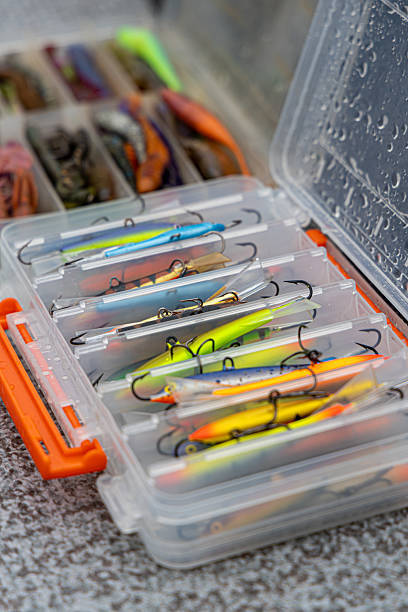
Are your fishing lures scattered all over your tackle box, making it hard to find the right one when you need it most? You’re not alone.
Organizing your fishing lures can save you time, reduce frustration, and even help you catch more fish. Imagine reaching into your gear and instantly grabbing the perfect lure without digging through a mess. You’ll discover simple and effective ways to organize your fishing lures so your next fishing trip is smoother and more successful.
Keep reading—your fishing game is about to get a serious upgrade.
Choosing The Right Storage
Organizing fishing lures keeps them safe and easy to find. Choosing the right storage helps protect your gear and saves time.
There are many storage options. Each type fits different needs and fishing styles.
Types Of Tackle Boxes
Tackle boxes come in many sizes and styles. They hold lures, hooks, and other tools. Some have adjustable compartments to fit various lure sizes.
- Hard plastic boxes offer strong protection.
- Metal boxes are durable but heavier.
- Stackable boxes save space and keep lures sorted.
- Waterproof boxes keep gear dry during rain or splashes.
Benefits Of Tackle Bags
Tackle bags are soft and lightweight. They have many pockets and easy handles. These bags make carrying lures simple and comfortable.
| Benefit | Description |
| Portability | Easy to carry on trips or hikes. |
| Storage | Multiple pockets for different items. |
| Flexibility | Can fit in tight spaces or backpacks. |
| Protection | Soft padding protects delicate lures. |
Using Lure Cases And Trays
Lure cases and trays organize small lures well. They keep lures separated to avoid tangling or damage.
- Clear cases show lures without opening.
- Trays with compartments hold lures by size or type.
- Some cases have foam inserts to keep lures in place.
- Stackable trays save space and keep lures neat.
Sorting Lures By Type
Organizing fishing lures by type helps you find the right lure fast. It also protects your lures from damage.
Sorting lures this way keeps your tackle box neat and ready for any fishing trip.
Separating Crankbaits And Jigs
Crankbaits and jigs look different and work in unique ways. Keep them separate to avoid tangles and damage.
Use small compartments or boxes to store crankbaits and jigs apart. This makes them easy to spot.
- Store crankbaits by size and color for quick access
- Keep jigs with similar hook sizes together
- Use foam inserts to hold jigs firmly
Organizing Soft Plastics
Soft plastics come in many shapes and colors. Sort them by type to keep them fresh and usable.
Use plastic bags or small containers to separate worms, grubs, and creature baits. Label each container for easy finding.
- Keep soft plastics away from direct sunlight
- Store similar colors together to avoid mixing
- Use airtight containers to keep plastics from drying out
Grouping Spoons And Spinners
Spoons and spinners are metal lures that can scratch each other. Group them carefully to protect their finish.
Place spoons and spinners in separate compartments or use dividers inside your tackle box. Keep hooks covered to prevent tangling.
- Sort spoons by size and weight
- Arrange spinners by blade type and color
- Use small plastic tubes or sleeves for hooks
Arranging By Size And Color
Organizing fishing lures by size and color helps find the right one fast. It also keeps your tackle box neat and tidy.
This method makes fishing trips easier and more enjoyable. You can quickly choose lures that match the conditions.
Size-based Storage Tips
Sort your lures by size to avoid tangling and damage. Use separate compartments or small boxes for each size group.
- Group small lures together to save space.
- Keep medium-sized lures in their own section.
- Store large lures separately to prevent crushing.
- Label compartments for quick access.
- Use clear containers to see lures without opening.
Color Coordination Strategies
Arrange lures by color to match water and weather conditions. This helps you select the best color quickly.
| Color | Best Use |
| Bright Colors | Cloudy days or murky water |
| Natural Colors | Clear water and sunny days |
| Dark Colors | Low light or deep water |
| Flashy Colors | Attract fish in stained water |
Seasonal Color Selection
Change lure colors with the seasons to improve catches. Fish react differently to colors in each season.
- Spring:Use natural and bright colors as fish become active.
- Summer:Try flashy and dark colors to stand out in bright water.
- Fall:Focus on natural and dark colors for feeding fish.
- Winter:Use subtle and natural colors to match low light.

Credit: www.reddit.com
Preventing Tangle And Damage
Fishing lures can easily get tangled or damaged if not stored properly. Organizing them well helps keep them ready for use. It also protects your investment in quality lures.
Using the right tools and methods for storage reduces wear and tear. This guide shows how to prevent problems with lures and keep them in good shape.
Using Dividers And Compartments
Dividers and compartments separate your lures to stop hooks from tangling. They also protect delicate parts from rubbing against each other.
- Use tackle boxes with adjustable dividers.
- Sort lures by size or type in different compartments.
- Keep sharp hooks away from soft or painted areas.
- Fill empty spaces to reduce movement during travel.
Hook Covers And Safety Measures
Hook covers prevent injury and stop hooks from catching on other lures. They also keep your gear safe to handle.
| Type of Hook Cover | Material | Benefit |
|---|---|---|
| Foam Caps | Soft foam | Protects hooks and fingers |
| Plastic Sleeves | Durable plastic | Keeps hooks sharp and safe |
| Reusable Tape | Sticky tape | Holds hooks securely in place |
Maintaining Lure Longevity
Proper cleaning and drying help lures last longer. Store them in cool, dry places to avoid rust and fading.
- Rinse lures with fresh water after use.
- Dry them completely before storage.
- Check hooks and rings for rust regularly.
- Replace damaged parts to keep lures effective.
- Use silica gel packs to absorb moisture.
Labeling And Cataloging
Organizing fishing lures helps you find the right one fast. Labeling and cataloging keep your tackle box neat. This saves time and avoids confusion on fishing trips.
Proper tracking also helps you remember which lures work best. You can keep notes on lure types, colors, and conditions.
Creating A Lure Inventory
Start by listing all your fishing lures. Write down details like brand, size, color, and type. This list forms your lure inventory.
| Lure Name | Type | Color | Size | Notes |
|---|---|---|---|---|
| Rapala Original | Crankbait | Silver | 3 inches | Good for trout |
| Mepps Spinner | Spinnerbait | Gold | 2 inches | Works well in murky water |
| Zoom Worm | Soft Plastic | Green | 4 inches | Popular for bass |
Labeling Techniques
Use clear labels on your lure boxes or individual lures. Labels should include the lure’s name and key details. This helps quick identification.
- Write on waterproof tape and stick it to boxes.
- Use small tags tied to lures with fishing line.
- Print labels with a label maker for neatness.
- Color code labels by lure type or size.
- Include notes about lure effectiveness or conditions.
Using Digital Apps For Tracking
Many anglers use apps to keep digital records of their lures. Apps let you add photos, notes, and location details. This makes tracking easy and portable.
Popular features in lure tracking apps include:
- Adding lure details like type, size, and color
- Logging fishing trips and lure success rates
- Syncing data across multiple devices
- Searching and filtering your lure inventory
Maintenance And Cleaning
Keeping fishing lures clean and well-maintained helps them last longer. Dirt, salt, and water can damage lures if not cleaned.
Regular care improves lure performance and protects your fishing gear investment.
Regular Cleaning Tips
Rinse your lures with fresh water after each use. This removes salt and dirt that cause damage.
Use a soft brush to clean hard-to-reach areas. Dry lures completely before storing them.
- Rinse lures in clean water
- Use a soft brush for crevices
- Dry lures with a soft cloth
- Check hooks for damage
Dealing With Rust And Corrosion
Rust weakens hooks and metal parts. Remove rust quickly to keep lures usable.
Use fine sandpaper or a wire brush to clean rust spots. Apply a light oil to protect metal from future rust.
- Remove rust with sandpaper or brush
- Apply light oil to metal parts
- Replace heavily rusted hooks
- Store lures in dry places
Storing Lures For Long-term Use
Store lures in a cool, dry place to prevent damage. Avoid direct sunlight and moisture.
Use tackle boxes with compartments to keep lures separated. This prevents tangling and damage.
- Keep lures dry before storing
- Use compartmentalized tackle boxes
- Avoid sunlight and heat exposure
- Check lures regularly for damage
Packing For Fishing Trips
Packing fishing lures correctly makes your trip easier. It saves time and helps catch more fish.
Organizing lures well keeps them safe and ready to use. It also stops tangles and damage.
Choosing Essential Lures
Pick lures that match the fish you want. Bring different types for variety and success.
Include lures for different water depths and weather. This helps you adapt during the trip.
- Soft plastic baits for bass and panfish
- Spinnerbaits for murky water
- Crankbaits for deep water fishing
- Topwater lures for early morning or evening
- Jigs for bottom fishing
Efficient Packing Methods
Use tackle boxes with separate compartments. This keeps lures organized and easy to find.
Group lures by type or size. Pack fragile lures in padded sections to avoid damage.
- Place hooks away from soft plastics
- Use small zip bags for tiny lures
- Label compartments for quick access
- Keep frequently used lures on top
Adapting To Different Fishing Spots
Change your lure selection based on the fishing location. Different spots need different lures.
Research the area’s water type and fish species. Pack lures that suit those conditions.
- Use smaller lures in clear water
- Choose brighter colors in stained water
- Bring heavy lures for deep lakes
- Pack lightweight lures for shallow rivers

Credit: sevenstripesfishing.com

Credit: www.finfeatherfur.com
Frequently Asked Questions
What Is The Best Way To Organize Fishing Lures?
Use a tackle box with adjustable compartments. Sort lures by type, size, and color for easy access. Keep similar lures together to save time while fishing. Regularly clean and dry lures before storing to prevent rust and damage.
How Do I Prevent Fishing Lures From Tangling?
Store lures separately in individual compartments or use lure wraps. Avoid overcrowding your tackle box. Use rubber bands or small bags for extra protection. Proper organization reduces tangling and saves fishing time.
How Often Should I Clean Fishing Lures?
Clean lures after every fishing trip to remove dirt and debris. Use warm water and mild soap, then dry thoroughly. Proper cleaning extends lure life and maintains effectiveness in water.
Can I Use Household Items To Organize Lures?
Yes, small containers, pill organizers, and ice cube trays work well. Label each container for quick identification. These cost-effective solutions keep lures neat and accessible without specialized gear.
Conclusion
Organizing fishing lures can boost your fishing experience. A neat tackle box saves time. You find the right lure quickly. This means more time for fishing. Use clear boxes to see lures easily. Label each section for easy access. Separate lures by type and size.
Keep hooks sharp and rust-free. Regularly check and maintain your gear. This keeps your lures in top condition. A tidy tackle box makes fishing trips smoother. Enjoy the water without fuss. Happy fishing!