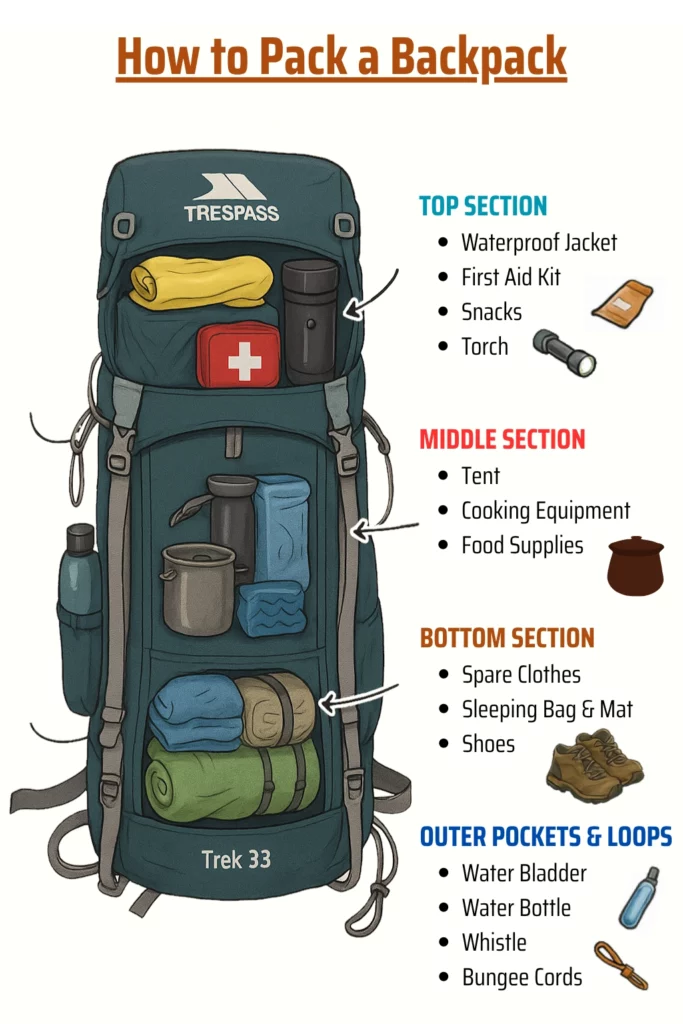
Packing a backpack for hiking can make or break your adventure. If you don’t pack right, you might end up carrying too much weight or forgetting important gear.
But when you know how to pack smart, your hike becomes easier, safer, and way more enjoyable. In this guide, you’ll learn simple, effective tips to organize your backpack so every step feels lighter and every moment more fun. Ready to pack like a pro?
Let’s dive in.
Choose The Right Backpack
Choosing the right backpack is key for a comfortable hiking trip. It helps carry your gear safely and keeps you balanced on the trail.
A good backpack fits your needs and feels good to wear. Think about size, comfort, and strength before buying one.
Consider Size And Capacity
The size of your backpack depends on how long you will hike and what you need to carry. Small backpacks work for short trips. Larger packs fit more gear for longer hikes.
- Day hikes: 15 to 30 liters
- Weekend trips: 30 to 50 liters
- Extended trips: 50+ liters
Check For Comfort Features
A backpack should feel good on your back. Look for padded straps, adjustable hip belts, and good ventilation. These features reduce strain and keep you cool.
| Feature | Benefit |
| Padded Shoulder Straps | Reduces shoulder pressure |
| Adjustable Hip Belt | Supports weight on hips |
| Mesh Back Panel | Improves airflow |
| Chest Strap | Keeps pack stable |
Look For Durability
Your backpack should last many trips. Check the material and stitching. Strong fabrics and reinforced seams resist tears and wear.
- Choose ripstop nylon or polyester fabric
- Look for water-resistant coatings
- Check for strong zippers and buckles
- Reinforced bottom and stress points last longer
Credit: pangolinswithpacks.com
Plan Your Gear List
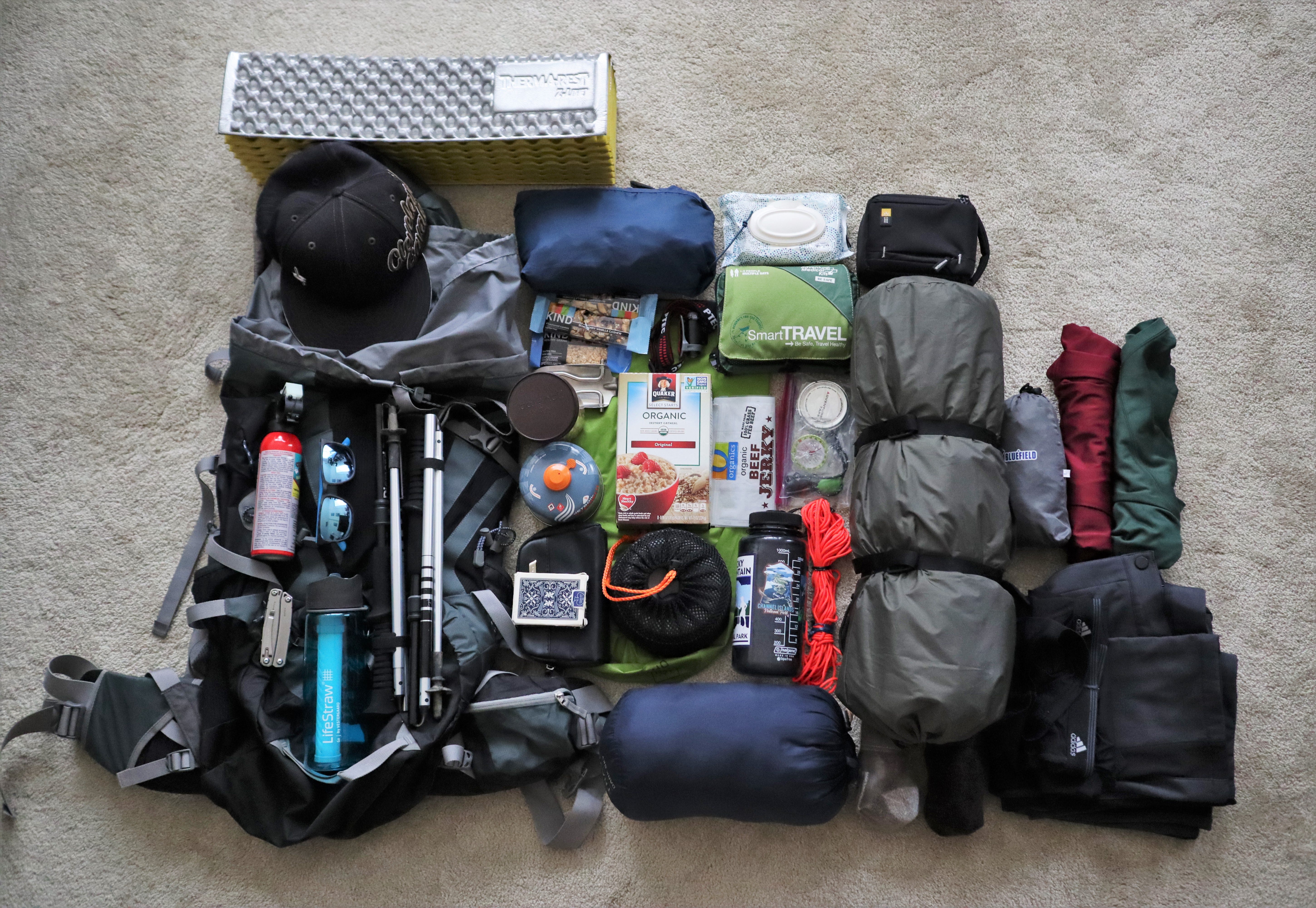
Packing a backpack for hiking needs careful planning. You should know what gear to bring and what to leave behind.
Planning your gear list helps you carry only what is necessary. This saves space and makes your hike easier.
Prioritize Essentials
Focus on items that you need most for your hike. These include food, water, shelter, and clothing.
Do not pack things that you will not use. Essentials keep you safe and comfortable on the trail.
- Water and a way to purify it
- Enough food for the trip
- Weather-appropriate clothing
- A tent or sleeping bag for shelter
Balance Weight And Necessities
Keep your backpack light by carrying only what is necessary. Heavy backpacks make hiking harder and slower.
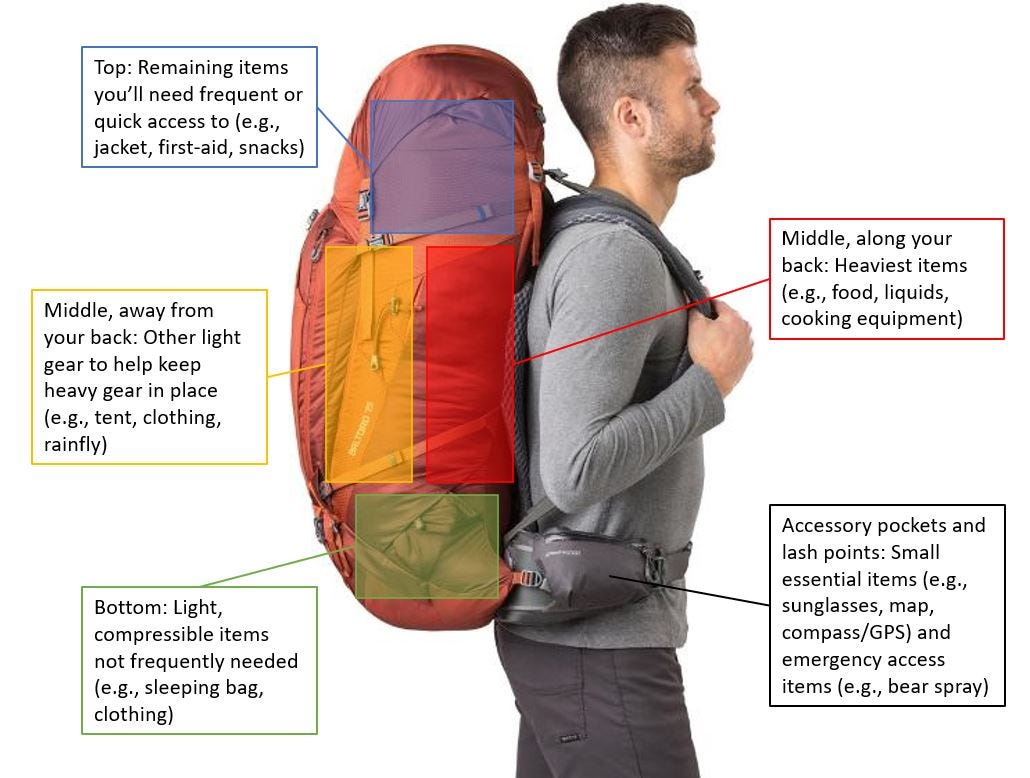
Distribute weight evenly to avoid strain. Pack heavier items close to your back and near the center.
- Choose lightweight gear when possible
- Use multi-purpose items
- Pack heavy items near your spine
- Keep frequently used items easy to reach
Include Safety Items
Safety items protect you in emergencies. Always carry first aid and navigation tools.
These items can help you if you get lost or hurt. Don’t forget communication tools if possible.
- First aid kit
- Map and compass or GPS device
- Whistle for signaling
- Headlamp or flashlight with extra batteries
Organize By Weight
Packing your backpack correctly makes hiking easier and safer. Organizing by weight helps keep balance and comfort.
Knowing where to place heavy and light items stops strain on your back. It also keeps you steady on rough trails.
Pack Heavy Items Close To Your Back
Put heavy items near your spine and high in the pack. This position supports your back and keeps the load stable.
Heavy items far from your back cause you to lean forward. This can make hiking tiring and cause pain.
- Place water, food, and cooking gear close to your back
- Keep heavy tools or gear near the middle and top of the pack
- Light items like clothes can go farther away
Distribute Weight Evenly
Balance the weight between left and right sides of your backpack. This stops you from leaning and losing balance.
Even weight helps your muscles work better. It reduces the risk of injury on uneven paths.
- Split heavy items into two parts if possible
- Keep weight centered front to back as well
- Check your pack before hiking to feel the balance
Keep Frequently Used Items Accessible
Put items you use often in easy-to-reach pockets. This saves time and stops you from unpacking everything.
Small things like snacks, maps, and sunscreen should be within quick reach. This keeps your hike smooth.
- Use side or top pockets for small, needed items
- Keep your rain jacket and first aid kit near the top
- Organize items by how often you need them

Credit: www.sport-conrad.com
Use Packing Techniques
Packing your backpack well can make your hike easier. Good packing saves space and keeps items organized. Use simple techniques to fit more and find things fast.
Try these three useful methods to pack your backpack smartly. They help keep your gear tidy and protect your clothes from dirt and moisture.
Roll Clothes To Save Space
Rolling clothes is better than folding. It uses less space and reduces wrinkles. Roll each item tightly and place them side by side in your backpack.
- Lay the clothes flat and smooth out wrinkles.
- Fold clothes in half if needed to make a rectangle.
- Roll tightly from one end to the other.
- Stack rolls vertically or horizontally to fill gaps.
Use Compression Bags
Compression bags remove air from your clothes and gear. This reduces volume and protects items from water. Use a vacuum or squeeze air out by hand.
| Compression Bag Type | Best For | Notes |
|---|---|---|
| Vacuum Seal Bags | Bulky clothes, sleeping bags | Requires vacuum or pump |
| Roll-Up Bags | Light clothes, soft gear | Air squeezed out manually |
| Zipper Compression Bags | Mix of clothes and small items | Easy to open and close |
Separate Items With Packing Cubes
Packing cubes divide your backpack into sections. They keep items organized and easy to find. Use different cubes for clothes, electronics, and toiletries.
Tips for using packing cubes:
- Choose cubes in different colors or sizes.
- Place heavy items at the bottom.
- Use mesh cubes to see contents easily.
- Compress cubes if possible for extra space.
Protect Your Gear
Keeping your gear safe during a hike is very important. Protecting your items helps them last longer and keeps them useful.
Water, dirt, and bumps can damage your equipment. Use smart packing methods to avoid these problems.
Use Waterproof Bags
Waterproof bags stop water from reaching your clothes and electronics. They keep everything dry even if it rains.
Use dry bags or plastic bags inside your backpack. Seal them tightly to block moisture and dust.
- Put clothes in waterproof bags to keep them dry
- Store electronics and documents in sealed plastic bags
- Use different bags to organize and protect items
Secure Fragile Items
Fragile items like cameras and glasses need extra care. Pack them with soft padding to avoid damage.
Use foam, bubble wrap, or clothes to cushion these items. Place them in the middle of your backpack for safety.
- Wrap fragile items in soft clothes or foam
- Place fragile gear in the center of your pack
- Keep fragile items away from heavy objects
Cover The Backpack In Rain
Use a rain cover to protect your whole backpack from getting wet. This cover shields your gear during rainstorms.
Carry a rain cover that fits your backpack size. Put it on quickly when rain starts to keep your pack dry.
- Choose a rain cover that matches your backpack size
- Keep the rain cover easily accessible
- Put the cover on at the first sign of rain
Credit: pangolinswithpacks.com
Adjust And Test Your Pack
After packing your backpack, adjusting the fit is very important. A well-fitted pack feels comfortable and supports your body. Testing your pack helps avoid pain during your hike.
Focus on shoulder straps, hip belt, weight distribution, and walking with your pack. These steps make sure your backpack feels right for your body and hike.
Fit Shoulder Straps And Hip Belt
Start by tightening the hip belt so it sits on your hip bones. Then pull the shoulder straps snug but not too tight. The pack should feel close to your back without pinching.
- Place hip belt on top of your hips, not your waist
- Fasten and tighten the hip belt firmly
- Pull shoulder straps to bring the pack close to your back
- Adjust the load lifter straps for better balance
- Check that the pack does not press on your neck
Check Weight Distribution
Good weight distribution makes hiking easier. Heavy items should sit close to your back and centered. Lighter items can go near the top or edges. Balance the pack left to right.
| Item Type | Pack Location |
|---|---|
| Heavy gear (water, stove) | Near your back, middle of the pack |
| Medium weight (clothing, food) | Top or middle sections |
| Light items (sleeping bag, rain gear) | Bottom or outer pockets |
Make Trial Walks
Try walking with your packed backpack before the hike. This helps you feel if the fit is right. Pay attention to any discomfort or shifting load.
- Walk on flat ground for 5 to 10 minutes
- Check if the pack moves or bounces
- Notice any pressure points or pain
- Adjust straps and weight as needed
- Repeat walking test until comfortable
Frequently Asked Questions
What Essentials Should I Pack For Hiking?
When packing for hiking, include water, snacks, a first aid kit, and a map. Wear suitable clothing and sturdy footwear. Consider the weather conditions and pack a rain jacket if necessary. Don’t forget a multi-tool, sunscreen, and a flashlight. Always tailor your pack to the hike’s duration and location.
How Do I Balance My Hiking Backpack?
To balance your backpack, distribute weight evenly. Place heavier items close to your back and center. Pack lighter items on top and bulky gear at the bottom. Adjust the straps for a snug fit. This helps maintain stability and prevents back strain during your hike.
What Size Backpack Is Best For Hiking?
Choose a backpack size based on your hike’s duration. For day hikes, a 20-30 liter pack is suitable. For multi-day hikes, opt for a 50-70 liter backpack. Ensure it fits comfortably and has adjustable straps. Consider extra compartments for organization and easy access to essentials.
How Can I Keep My Backpack Dry?
Use a waterproof cover or pack liner to keep your backpack dry. Store electronics and clothes in waterproof bags. Avoid placing your backpack directly on wet surfaces. In extreme conditions, consider using a dry bag. Always check the weather forecast and prepare accordingly.
Conclusion
Packing your backpack well makes hiking safer and more fun. Keep heavy items close to your back for balance. Use small bags to organize clothes and gear. Don’t forget essentials like water, snacks, and a first aid kit. Adjust straps for comfort before you start walking.
Pack only what you truly need to avoid extra weight. A well-packed bag helps you enjoy the trail without worry. Take your time packing and double-check everything. Ready to hit the trail with confidence? Your perfect hike starts with smart packing.