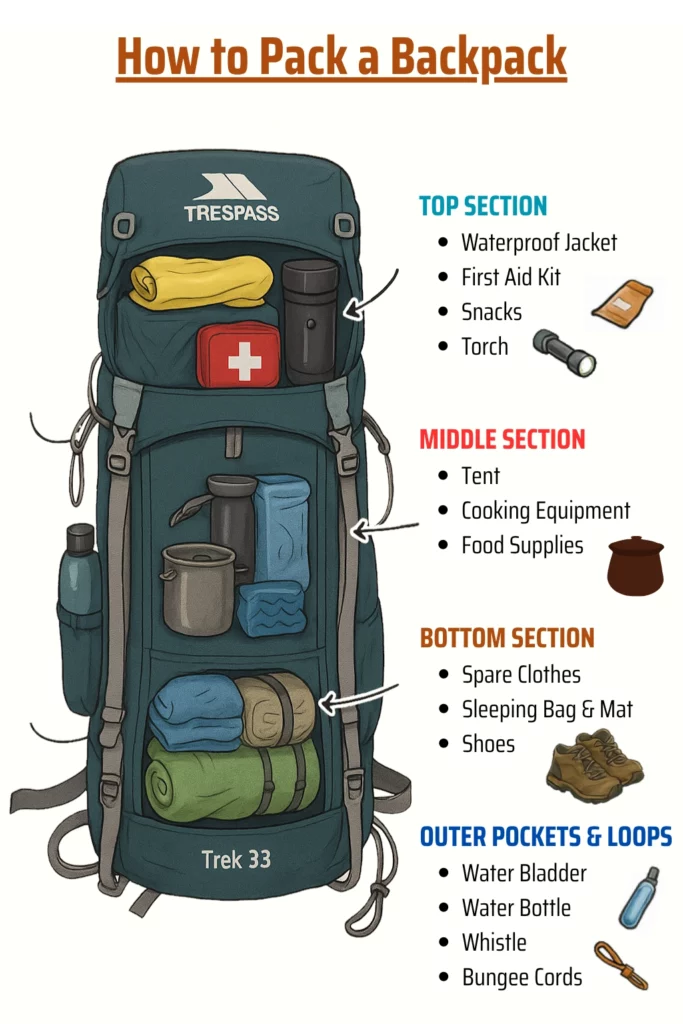
Packing your backpack for hiking might seem simple, but getting it right can make all the difference on the trail. Imagine feeling balanced, comfortable, and prepared every step of the way.
You want to avoid sore shoulders, wasted space, and digging around for essentials. This guide will show you exactly how to pack your backpack so it fits well, feels light, and keeps your gear organized. By the end, you’ll know the smart tricks that experienced hikers use to carry what they need without any extra hassle.
Keep reading to discover how to pack your backpack perfectly for your next adventure.
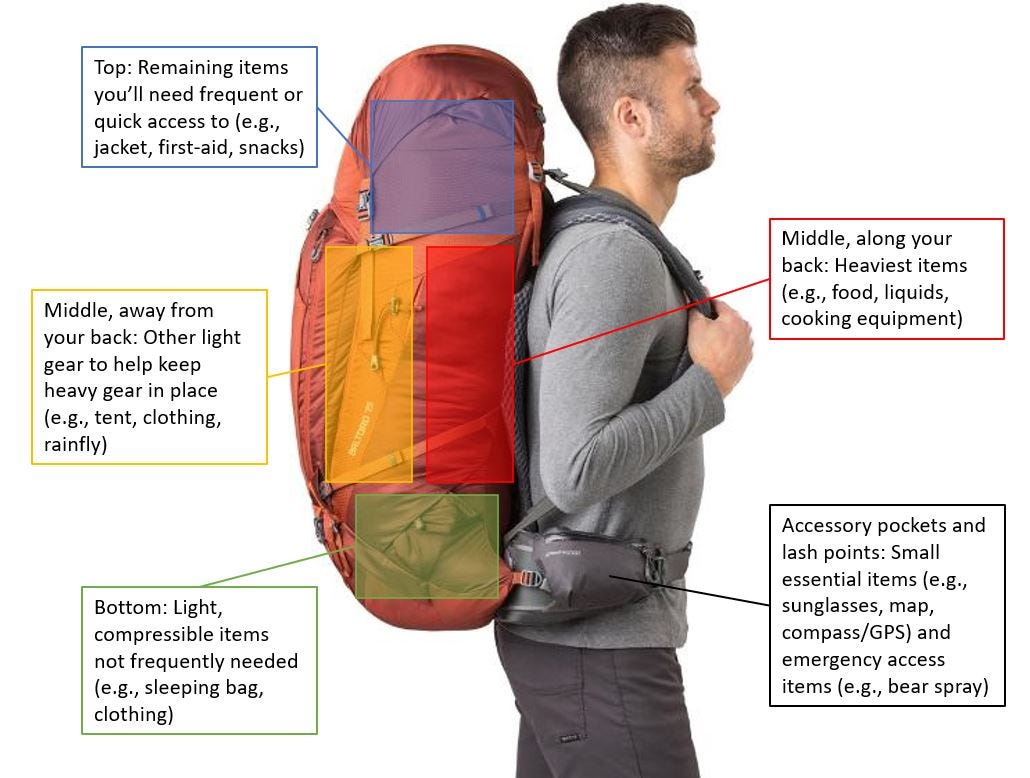
Credit: pangolinswithpacks.com
Choosing The Right Backpack
Picking the right backpack is key for a good hiking trip. It helps carry your gear safely and comfortably.
There are many backpacks to choose from. Knowing the types, sizes, and features helps you find the best fit.
Types Of Hiking Backpacks
Backpacks come in many styles. Each type suits different hiking needs and trip lengths.
- Daypacks:Small and light, for short hikes or day trips.
- Overnight Backpacks:Bigger, to carry sleeping bags and extra clothes.
- Multi-day Backpacks:Large packs for longer trips with more gear.
- Technical Backpacks:Designed for climbing or special activities, with extra straps and support.
Selecting The Proper Size
The right size keeps you comfortable and balanced on the trail. Too big or too small can cause pain.
| Trip Length | Recommended Backpack Size (Liters) |
| Day hike | 15 – 30 L |
| Overnight | 30 – 50 L |
| 2-3 days | 50 – 70 L |
| More than 3 days | 70+ L |
Features To Look For
Good backpacks have features that make hiking easier and safer.
- Adjustable straps to fit your body well.
- Padded hip belt to spread weight evenly.
- Ventilated back panel for airflow.
- Multiple compartments for organized packing.
- Durable material to resist weather and wear.
- Attachment points for tools like trekking poles.
Planning Your Gear
Packing a backpack for hiking needs good planning. You must know what to bring and how to pack it. This guide helps you pack wisely.
Think about essentials, weight, and weather. Each is important for a safe and enjoyable hike.
Must-have Essentials
There are items you should always carry on a hike. These essentials keep you safe and comfortable.
- First-aid kit
- Water bottle or hydration system
- Map and compass or GPS
- Snacks and energy bars
- Multi-tool or knife
- Headlamp with extra batteries
Weight Considerations
Carrying too much weight can slow you down. Pack only what you need and keep it light.
Balance your backpack weight. Keep heavier items close to your back. This helps with stability and comfort.
- Use lightweight gear
- Share group items with hiking partners
- Avoid duplicates
Weather-appropriate Items
Weather can change quickly in the mountains. Be ready for sun, rain, or cold with the right clothes.
Check the forecast before you leave. Pack layers so you can adjust to temperature changes.
- Waterproof jacket
- Warm hat and gloves
- Sun hat and sunscreen
- Extra socks
Packing Techniques
Packing a backpack for hiking needs smart planning. Proper packing saves space and keeps gear safe.
Good packing techniques help you carry less weight and stay comfortable on the trail.
Organizing By Weight
Place heavy items close to your back and near the middle of the pack. This helps keep balance and reduces strain.
Lighter items should go at the top and edges of the pack to keep it stable and easy to carry.
- Heavy items: water, food, stove
- Medium weight: clothes, sleeping bag
- Light items: tent poles, maps, small tools
Using Packing Cubes And Bags
Packing cubes and bags keep your gear organized and easy to find. They also save space by compressing items.
Use different cubes for clothes, food, and gear. This stops items from mixing and makes unpacking faster.
- Choose cubes by size for each gear type
- Use waterproof bags for electronics and food
- Compress clothes to make more room
Balancing The Load
Balance your backpack to avoid pain and injury. Distribute weight evenly on both sides of the pack.
Check your load before hiking. Adjust items to keep the pack stable and close to your body.
- Keep heavy items centered and low
- Place medium weight items around heavy gear
- Light items go on top and sides
- Tighten straps to secure the load
Maximizing Space
Packing a backpack for hiking needs smart space use. You want to carry all essentials without extra bulk. Organizing items well helps keep the pack light and neat.
Focus on fitting soft and bulky things tightly, using all pockets, and attaching gear outside. These tips save room and balance weight.
Compressing Soft Items
Soft items like clothes, sleeping bags, and towels take much space if loose. Compressing them shrinks their size and frees room.
- Roll clothes tightly instead of folding them.
- Use compression sacks or bags with straps.
- Squeeze air out from stuff sacks before sealing.
- Layer soft items at the bottom or sides of the pack.
Utilizing External Pockets
External pockets offer quick access and extra space. Use them wisely to keep small and often-used items handy.
| Type of Pocket | Best Items to Store |
| Side mesh pockets | Water bottles, snacks |
| Top lid pocket | Maps, sunscreen, sunglasses |
| Hip belt pockets | Phone, small tools, lip balm |
| Front zipper pocket | Rain jacket, gloves |
Attaching Gear Outside
Bulky or wet gear can go outside the pack. Attach items securely using straps or loops to save inside space.
- Use daisy chains for carabiners and tools.
- Strap sleeping pads or tents on the bottom or sides.
- Clip water bottles or shoes where they won’t swing.
- Cover wet items with waterproof bags to protect your pack.
Comfort And Accessibility
Packing your backpack well helps you stay comfortable on your hike. It also makes it easy to find your gear quickly.
Organizing your backpack with comfort and accessibility in mind keeps your body balanced and your items within reach.
Placing Frequently Used Items
Put items you use often where you can reach them fast. This saves time and keeps you moving smoothly on the trail.
- Place snacks and maps in outer pockets
- Keep your rain jacket near the top
- Store first aid kit where you can grab it quickly
- Put headlamp or flashlight in an easy-to-access spot
Adjusting Straps And Fit
Proper strap adjustment spreads weight evenly. This reduces strain and keeps you comfortable for longer hikes.
| Strap | Adjustment Tip |
| Shoulder Straps | Snug but not too tight to allow arm movement |
| Hip Belt | Position over your hip bones for best support |
| Chest Strap | Keep at chest height to stabilize shoulder straps |
| Load Lifters | Tighten to pull pack closer to your back |
Managing Hydration Systems
Keep your water easy to reach so you stay hydrated without stopping often. Plan how to store and use your hydration gear.
- Place water bladders in internal compartments close to your back
- Route the drinking tube over the shoulder strap
- Secure the tube with clips or magnets for easy access
- Carry extra bottles in side pockets for backup
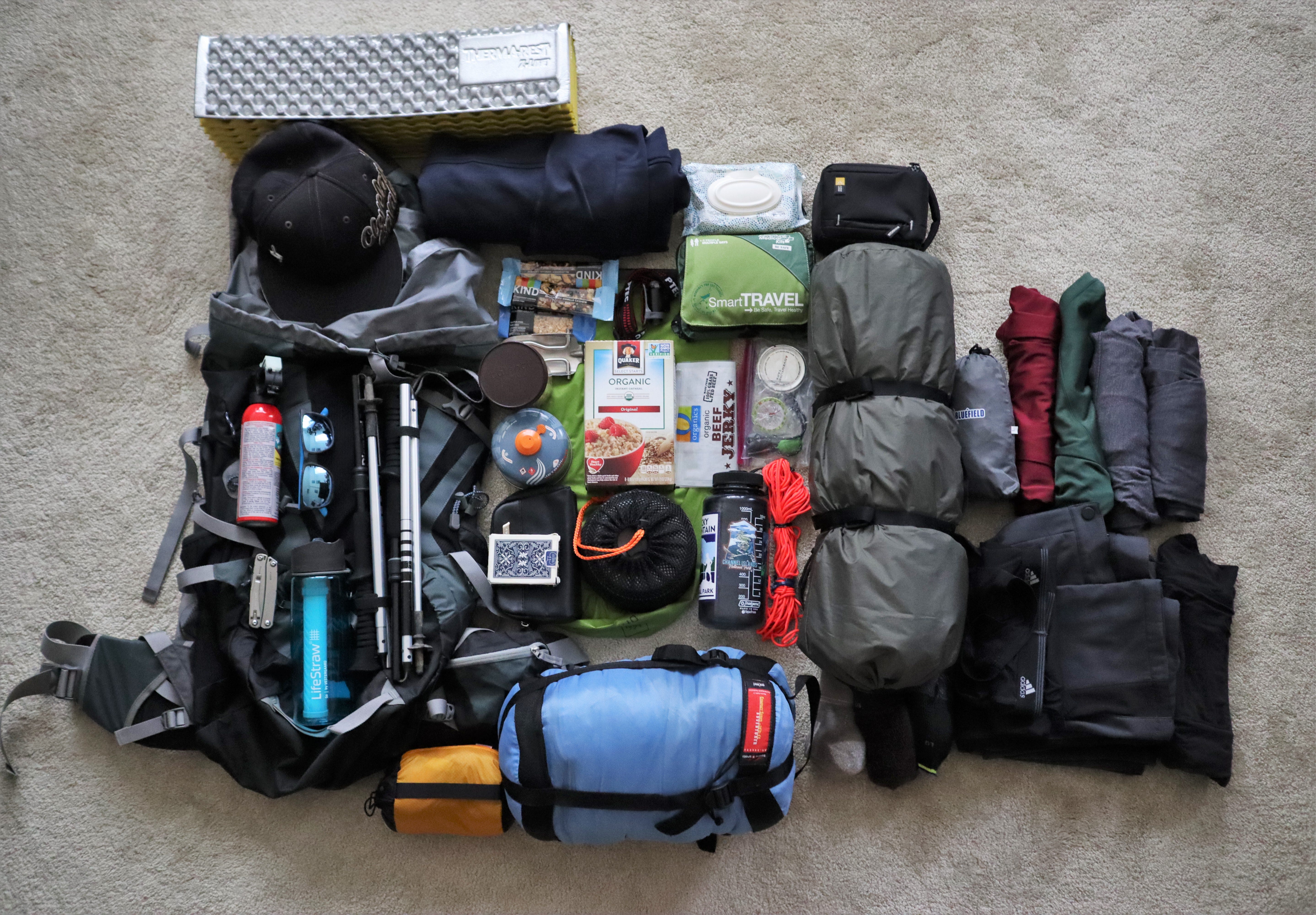
Credit: pangolinswithpacks.com
Safety And Emergency Gear
Packing safety and emergency gear is essential for any hiking trip. It helps you stay prepared for unexpected situations. Knowing where to place your gear can save time and keep you safe.
Keep your emergency items easy to reach and organized. This guide covers first aid kit placement, navigation tools, and emergency shelter options.
First Aid Kit Placement
Your first aid kit should be in a spot you can access quickly. Avoid packing it deep inside your backpack. Place it where you can grab it fast in case of an injury.
- Store the kit in an outer pocket or top compartment
- Use a waterproof bag to protect the contents
- Keep it separate from heavy gear to avoid damage
- Check and restock the kit before each hike
Navigation Tools
Navigation tools help you find your way and avoid getting lost. Place these items where you can access them without unpacking your whole bag.
| Item | Suggested Placement | Reason |
| Map | Side pocket or top pouch | Easy to pull out for quick reference |
| Compass | Inside a small front pocket | Protects it but keeps it reachable |
| GPS device | Near the top of the backpack | Allows quick access to batteries and screen |
Emergency Shelter Options
Carrying an emergency shelter can protect you from weather and cold. Choose a lightweight option that fits your backpack well.
- Pack a compact tarp or bivy sack in the bottom compartment
- Use a waterproof stuff sack to keep it dry
- Keep it separate from food to avoid contamination
- Practice setting it up before your hike
Final Checks
Before heading out, make sure your backpack is ready for the trail. Final checks help keep your gear safe and comfortable.
Taking a few minutes now can prevent problems later on your hike.
Weight Distribution Test
Check how the weight feels on your back by putting on the pack. Walk around to sense any heavy spots.
Adjust the load if you feel strain on your shoulders or back. The heaviest items should sit close to your spine.
- Heaviest gear near the middle of your back
- Lighter items at the top and outside
- Balance weight evenly on both sides
Securing Loose Straps
Loose straps can catch on branches or flap in the wind. Tuck or fasten any extra strap length.
Use strap keepers or tie knots to keep them in place. This keeps your pack neat and safe.
- Check shoulder strap ends
- Tighten and secure hip belt straps
- Fasten chest strap loose ends
Weatherproofing Your Pack
Protect your gear from rain or moisture by using a rain cover or waterproof bags. This keeps everything dry.
Seal zippers tightly and cover openings. If you expect wet weather, pack items in plastic bags inside your backpack.
- Use a rain cover over your pack
- Put clothes and electronics in dry bags
- Close all zippers firmly

Credit: www.sport-conrad.com
Frequently Asked Questions
How Do I Organize Items In A Hiking Backpack?
Start by placing heavy items close to your back and centered. Use compartments to separate gear by use. Keep essentials like water and snacks easily accessible. This organization improves balance and comfort during hiking.
What Gear Is Essential For Packing A Hiking Backpack?
Pack a map, first aid kit, water, food, extra clothing, and a flashlight. These basics ensure safety and preparedness on the trail. Adjust items based on trip length and weather conditions.
How Can I Reduce Backpack Weight For Hiking?
Choose lightweight gear and pack only essentials. Avoid carrying duplicates or unnecessary items. Use compression bags to minimize bulk. This helps prevent fatigue and improves hiking endurance.
When Should I Pack My Hiking Backpack?
Pack your backpack the night before your hike. This saves time and reduces morning stress. Double-check your list to ensure nothing important is forgotten.
Conclusion
Packing a backpack right makes hiking safer and more fun. Keep heavy items close to your back for better balance. Organize gear so you can find things fast. Don’t forget essentials like water, food, and a first aid kit. Check your pack before you start walking.
A well-packed bag saves energy and keeps you comfortable. Enjoy your hike with less stress and more adventure. Simple steps lead to great hiking experiences. Stay prepared, stay happy on the trail.