Packing your hiking backpack the right way can make all the difference on your adventure. Imagine reaching your favorite trail and feeling light, balanced, and ready to go, without constantly adjusting your bag or struggling under heavy weight.
You want to know exactly where everything should go to stay organized and comfortable. This guide, complete with an easy-to-follow packing diagram, will show you how to pack your hiking backpack smartly. Keep reading, and you’ll discover simple tips that save you energy, prevent pain, and make your hike more enjoyable from start to finish.
Choosing The Right Backpack
Packing a hiking backpack starts with picking the right one. The right backpack makes hiking easier and more comfortable.
Think about the hike length and what you need to carry. This helps you find a backpack that fits your needs well.
Types Of Hiking Backpacks
There are many types of hiking backpacks. Each type fits different hiking styles and trip lengths.
- Daypacks: Small backpacks for short hikes and light loads.
- Overnight Packs: Medium size, good for one or two nights.
- Multi-day Packs: Larger backpacks for trips longer than two nights.
- Technical Packs: Designed for specific activities like climbing or winter hiking.
Selecting The Proper Size
Choose a backpack size based on how long you will hike and what you will carry. A too-small pack won’t fit your gear.
A pack that is too big can feel heavy and awkward. Find a size that matches your body and trip needs.
- 20-35 liters for day hikes
- 35-50 liters for overnight trips
- 50-70 liters for multi-day trips
Features To Look For
Some features improve comfort and usability. Look for adjustable straps and good padding on shoulder and hip belts.
Other useful features include many pockets, hydration system compatibility, and rain covers to protect your gear.
- Adjustable shoulder straps and hip belts
- Ventilated back panels for airflow
- Multiple compartments and pockets
- Hydration bladder sleeve or pockets
- Durable materials and water resistance
- Rain cover included or compatible

Credit: www.amazon.in
Essential Gear To Pack
Packing the right gear makes your hiking trip safe and comfortable.
This guide covers key items to carry in your backpack for any hike.
Clothing And Footwear
Wear layers to adjust to changing weather. Bring waterproof and breathable clothes.
- Base layer for moisture control
- Insulating layer for warmth
- Waterproof jacket and pants
- Hiking boots with good grip
- Extra socks and gloves
Navigation Tools
Navigation tools help you stay on track and avoid getting lost outdoors.
| Tool | Purpose |
| Map | Shows terrain and trails |
| Compass | Helps with direction |
| GPS Device | Tracks your exact location |
| Altimeter | Measures elevation changes |
Food And Hydration
Bring enough food and water to keep your energy up and stay hydrated.
- High-energy snacks like nuts and dried fruit
- Lightweight meals ready to eat
- Water bottles or hydration bladders
- Water purification tablets or filters
Emergency Supplies
Emergency supplies help you handle injuries or unexpected situations on the trail.
- First aid kit with bandages and antiseptic
- Emergency whistle to signal for help
- Fire starter kit for warmth and cooking
- Space blanket to keep warm
- Multi-tool or knife for repairs
Packing Techniques
Packing a hiking backpack correctly helps you carry weight comfortably. Good techniques keep your gear safe and easy to reach.
Using smart packing methods can make your hike more enjoyable. You stay balanced and prepared for any situation on the trail.
Weight Distribution Basics
Keep heavy items close to your back and near the middle of the pack. This helps you stay stable and reduces strain on your shoulders.
- Place heavy gear like water and food near your spine.
- Light items go at the top or outside pockets.
- Balance weight evenly on both sides of the pack.
- Put sleeping bags and pads at the bottom.
Organizing By Accessibility
Keep items you need often in easy-to-reach spots. This saves time and effort during your hike.
| Item | Best Location |
| Map and compass | Top or side pocket |
| Snacks | Side or front pocket |
| Rain jacket | Outer pocket |
| First aid kit | Top compartment |
Using Compression Sacks
Compression sacks save space by squeezing soft items. They make your pack smaller and easier to carry.
Tips for using compression sacks:
- Put clothes and sleeping bags inside.
- Push air out before sealing.
- Use straps to tighten the sack.
- Place sacks in the main compartment.

Credit: www.myogtutorials.com
Loading The Backpack Diagram
Packing a hiking backpack properly helps you stay balanced and comfortable. A good load plan makes your hike easier and safer.
This guide shows you how to arrange items in your backpack using a simple loading diagram.
Bottom Layer Items
The bottom layer holds the lightest and bulkiest items. These items are not needed during the day but are important for your trip.
Place sleeping bags, extra clothes, and bulky gear here. This keeps the heavy items from pressing on your back.
- Sleeping bag or sleeping pad
- Extra clothing in dry bags
- Lightweight but bulky gear
Core Middle Layer
The middle layer holds the heaviest items closest to your back. This helps balance the weight and keeps you stable.
Pack food, water, and cooking gear here. Keep the weight centered and tight to your body.
- Food supplies and cooking utensils
- Water bottles or hydration bladder
- Heavy gear like stove or cookware
Top And Outer Pockets
The top and outer pockets hold items you need quick access to during the hike. These are lighter and smaller things.
Keep maps, snacks, rain jackets, and first aid kits here. This makes it easy to reach them without unpacking.
- Maps and navigation tools
- Snacks and water bottle
- Rain jacket or extra layers
- First aid kit and small tools
Straps And Attachments
Use straps and attachments to carry extra gear outside the main compartment. This saves space inside the pack.
Attach sleeping pads, trekking poles, or tents here. Make sure these items are secure and balanced.
- Sleeping pads or mats
- Trekking poles or ice axes
- Tent poles or tripod
- Extra gear tied with compression straps
Adjusting For Comfort
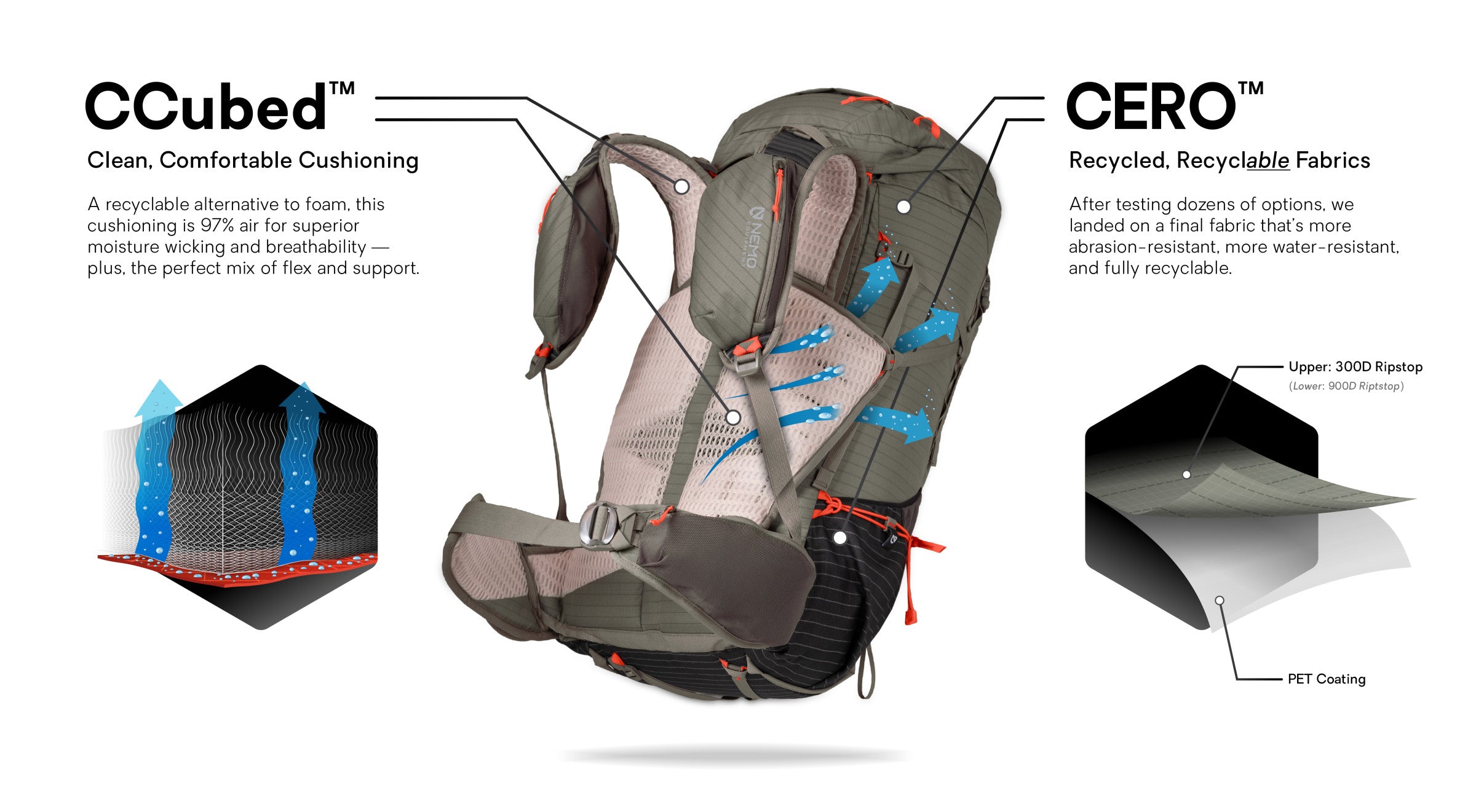
Adjusting your hiking backpack correctly helps you carry it comfortably. It reduces strain and prevents pain on long hikes.
Small changes to straps and load can make a big difference in how the backpack feels. Take time to adjust before you start walking.
Strap Adjustments
Straps keep your backpack close to your body and help share the weight. Adjust shoulder straps so the pack sits near your upper back.
Use the hip belt to carry most of the load. Tighten it around your hips, not your waist, to avoid back pain.
- Loosen all straps before putting on the backpack
- Tighten the hip belt first to transfer weight to hips
- Adjust shoulder straps to pull pack close but not tight
- Use load lifter straps to bring weight forward
- Fasten chest strap to stabilize shoulder straps
Balancing The Load
Balance the backpack load to prevent tipping or discomfort. Heavy items should sit close to your back and centered.
Place lighter gear near the top and outer parts of the pack. This helps keep your center of gravity steady while hiking.
- Put heavy gear like water and food near your spine
- Medium-weight items go in the middle section
- Light items like clothes go at the top or outside pockets
- Distribute weight evenly from left to right
Testing Fit Before Hiking
Test the backpack fit before starting your hike. Walk around and make small adjustments to straps and load.
Check for pressure points or loose straps. A well-fitted pack feels secure and does not bounce while moving.
- Put on the backpack fully loaded
- Walk on flat ground for a few minutes
- Listen to your body for discomfort or pain
- Adjust straps or redistribute weight if needed
- Repeat until the pack feels stable and comfortable
Credit: www.nemoequipment.com
Tips For Efficient Packing
Packing a hiking backpack well saves space and energy. It helps you carry only what you need.
Organizing your gear carefully makes your hike safer and more comfortable.
Minimizing Weight
Carrying less weight makes hiking easier and less tiring. Choose lightweight gear and pack smart.
- Use a lightweight backpack with good support.
- Pack multi-use items to reduce the number of things.
- Wear your heaviest clothes to save pack space.
- Replace heavy glass or metal containers with plastic ones.
- Limit food to what you can eat in a day or two.
Protecting Fragile Items
Keep fragile items safe to avoid damage. Use padding and place them correctly inside your pack.
| Item | Packing Tip |
| Camera | Wrap in soft clothes and place in the middle of the pack. |
| Glasses | Use a hard case and keep it at the top or side pockets. |
| Electronics | Put in padded bags and avoid heavy items on top. |
| Food jars | Wrap in bubble wrap or clothes and keep away from sharp objects. |
Keeping Essentials Handy
Place essential items where you can reach them fast. This saves time and avoids unpacking the whole bag.
- Keep your water bottle in side pockets for quick access.
- Store your map and compass in the top or outer pockets.
- Put snacks near the top or in easy-to-open compartments.
- Keep a first aid kit in an outer pocket for emergencies.
- Keep rain gear and extra layers near the top for sudden weather changes.
Frequently Asked Questions
How Do I Start Packing My Hiking Backpack?
Begin by laying out all your gear. Place heavier items like a tent or cooking gear close to your back. This helps with balance. Keep frequently used items like a map or snacks on top or in accessible pockets. Use a packing diagram for better organization.
What Should I Pack For A Day Hike?
For a day hike, pack essentials like water, snacks, and a first-aid kit. Include a map or GPS, sunscreen, and a hat. Wear appropriate clothing and footwear. A small backpack with these items should suffice. Adjust your pack based on weather and trail conditions.
How Do I Distribute Weight In My Backpack?
Distribute weight evenly by placing heavier items near your back. Keep lighter items towards the bottom and top. This helps maintain balance and reduces strain. Use side pockets for small, frequently accessed items. Adjust straps to ensure comfort and stability.
Why Is A Packing Diagram Useful?
A packing diagram visually guides you in organizing your backpack efficiently. It ensures you don’t forget important items. It helps distribute weight properly, improving comfort and balance. A diagram can also help in quick access to essential gear during hikes.
Conclusion
Packing your hiking backpack right makes a big difference on the trail. Keep heavy items close to your back for balance. Distribute weight evenly to avoid strain. Use compartments to organize gear and find things quickly. Always pack what you need, but avoid extra weight.
A well-packed bag helps you hike longer and stay comfortable. Practice packing before your trip to improve. This simple skill leads to better adventures and safer hikes.