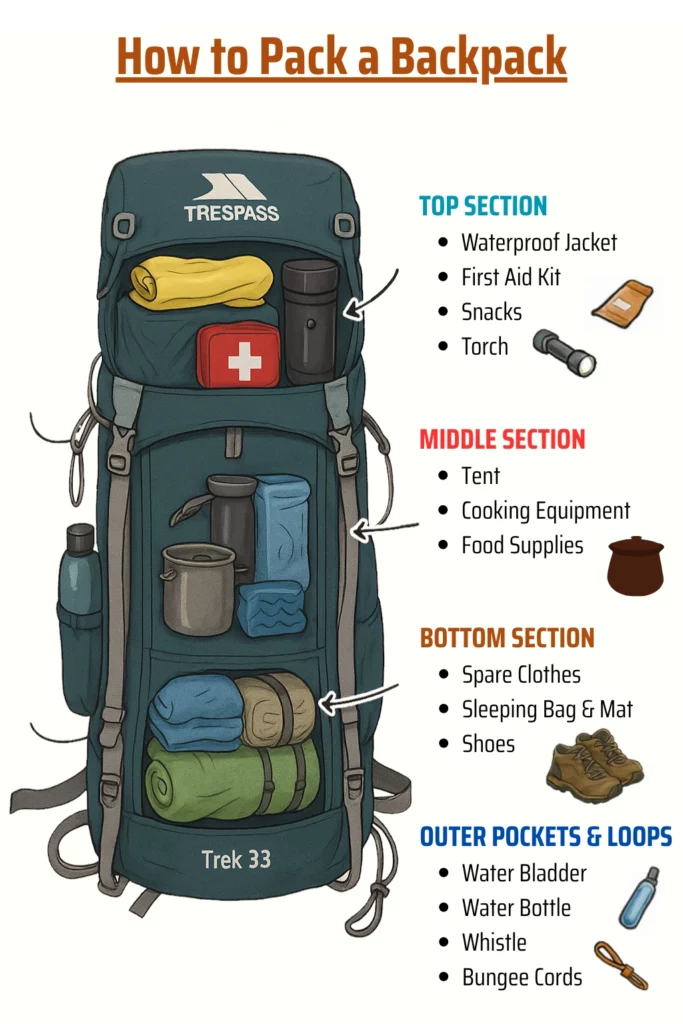
Packing your hiking backpack the right way can make all the difference between a tough, uncomfortable trek and an enjoyable, smooth adventure. If you’ve ever felt weighed down, struggled to find essentials, or wished you had packed smarter, this guide is for you.
You’ll learn simple, effective tips to organize your gear so you carry only what you need—comfortably and safely. Keep reading, and discover how to pack your hiking backpack like a pro, making every step easier and every moment more enjoyable.
Credit: pangolinswithpacks.com
Choosing The Right Backpack
Packing a hiking backpack starts with choosing the right one. The right backpack makes hiking easier and more comfortable.
Think about what you need to carry and how long your hike will be. This helps you pick the best backpack.
Size And Capacity
Pick a backpack size that fits the length of your hike. Small packs are good for day trips. Larger packs work for overnight trips.
Capacity is usually measured in liters. Choose a size that holds all your gear without being too big or heavy.
- 20-30 liters for day hikes
- 40-60 liters for overnight trips
- 60+ liters for multi-day hikes
Fit And Comfort
A backpack should fit your body well. Look for adjustable straps and padded areas. These features help reduce pressure and pain.
Try the backpack on with weight inside. Check if it feels balanced and does not rub your shoulders or hips.
- Adjust shoulder straps to fit snugly
- Use hip belts to carry weight on hips
- Check for padded back panels for comfort
Features To Look For
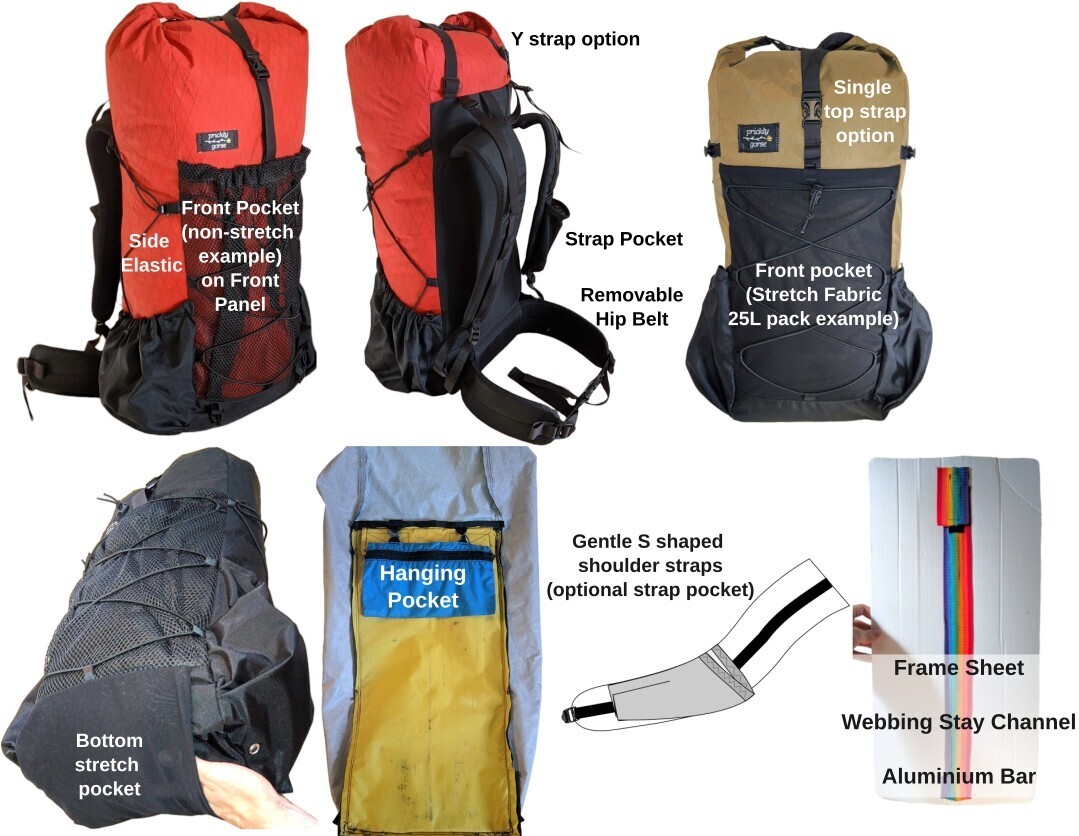
Some features make a backpack easier to use. Look for pockets, hydration system compatibility, and rain covers.
Good ventilation helps keep your back dry. Compression straps help keep your load stable.
- Multiple pockets for organization
- Hydration bladder sleeve and tube port
- Rain cover to protect gear
- Ventilated back panel for airflow
- Compression straps to stabilize load
Credit: www.myogtutorials.com
Planning Your Gear
Packing a hiking backpack needs careful planning. Your gear must be useful and light.
Think about what you need for your trip before packing. This helps avoid carrying too much.
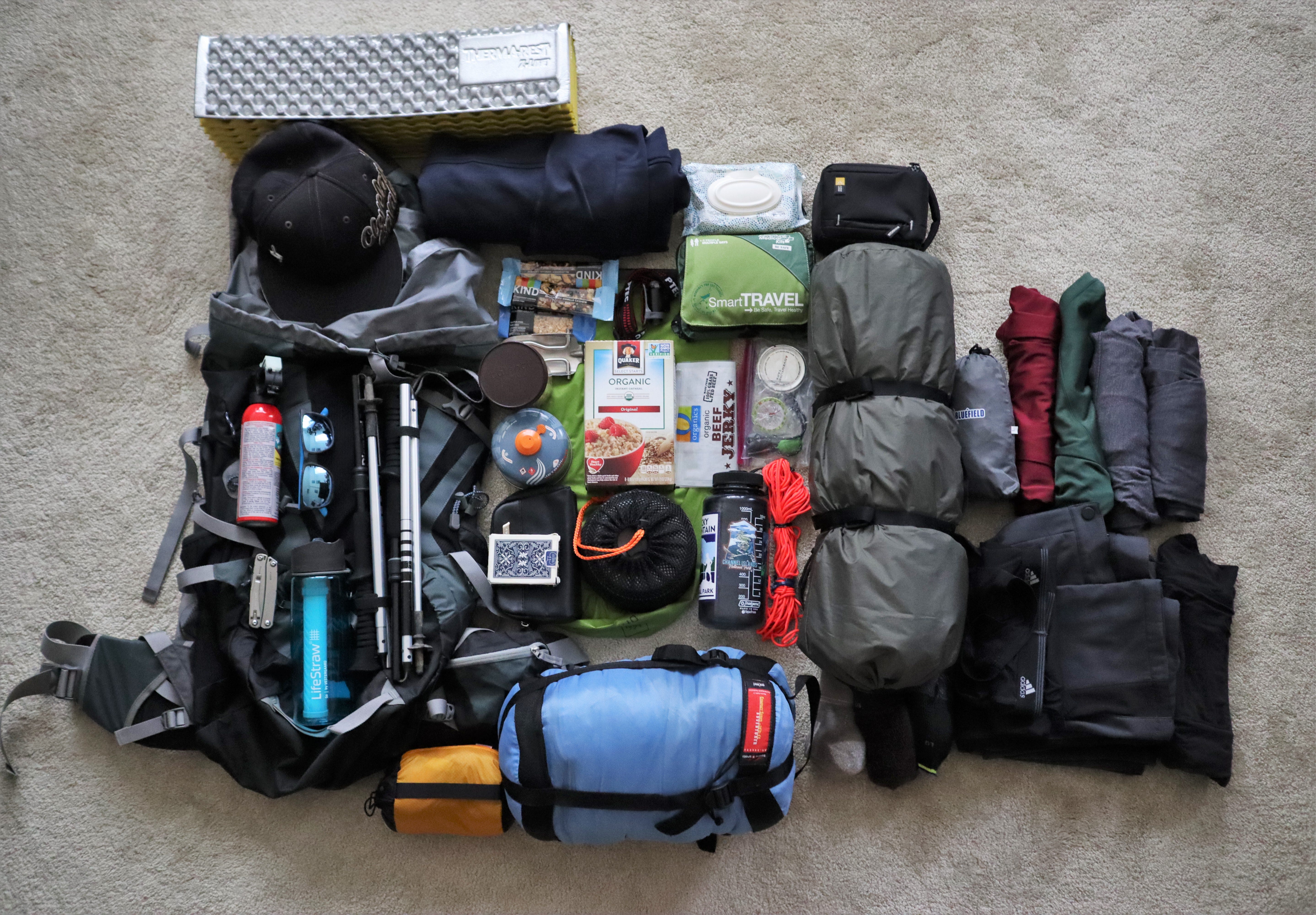
Essential Items
Bring only essential items to keep your pack light. These include food, water, and shelter.
Don’t forget tools like a map, compass, and first aid kit. These keep you safe on the trail.
- Food and snacks for energy
- Water bottles or hydration system
- Lightweight shelter or tent
- Map and compass or GPS device
- First aid kit with basics
- Multi-tool or knife
- Headlamp or flashlight
Weight Considerations
Keep your backpack weight low to avoid fatigue. Heavy packs slow you down and tire you out.
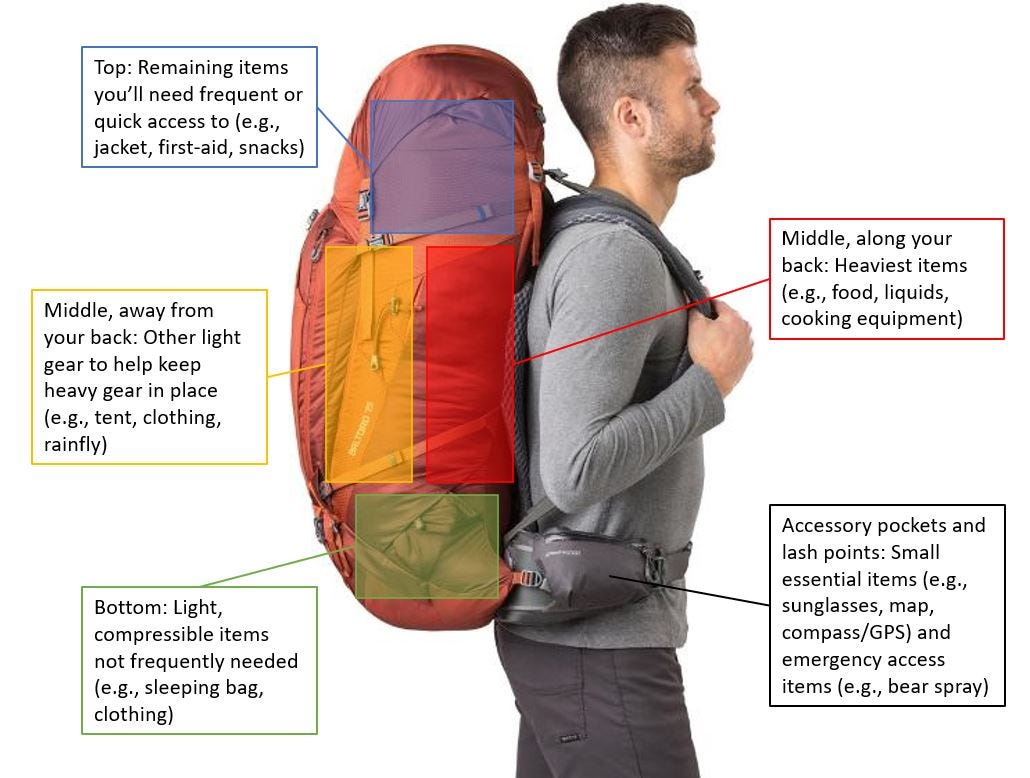
Distribute weight evenly. Put heavy items close to your back and near the middle of your pack.
- Choose lightweight gear when possible
- Pack only what you need
- Place heavy gear in the middle and close to your spine
- Keep frequently used items at the top or outer pockets
- Balance weight on both sides of the pack
Weather Preparedness
Check the weather forecast before packing. Bring gear that matches expected conditions.
Pack rain gear and extra clothes to stay dry and warm. Weather can change quickly on hikes.
- Waterproof jacket and pants
- Warm layers like fleece or wool
- Extra socks and gloves
- Sun protection: hat, sunglasses, sunscreen
- Emergency blanket or bivy sack
Packing Techniques
Packing a hiking backpack correctly makes your trip easier and safer. You want to carry weight smartly to avoid back pain. Organizing items well helps you find things fast.
This guide covers ways to distribute weight, use packing cubes, and secure loose items. These tips keep your gear stable and comfortable on the trail.
Distributing Weight Evenly
Put heavy items close to your back and near the middle of the pack. This keeps your center of gravity balanced. Light items go at the top or outer parts of the bag.
- Place heavy gear like water and food near your spine.
- Keep medium weight items around the middle section.
- Put light clothes and sleeping bags on top or outside pockets.
- Try to keep the pack tight and compact to avoid shifting.
Using Packing Cubes And Bags
Packing cubes and bags help organize your gear inside the backpack. They save space and make it easy to find things. Use different cubes for clothes, food, and tools.
| Type | Use |
| Large packing cube | Store clothes and bulky items |
| Medium packing cube | Keep food and snacks |
| Small packing cube | Hold small tools and accessories |
| Compression bags | Reduce space for sleeping bags |
Securing Loose Items
Loose items can shift and make your pack unbalanced. Use straps and pockets to keep them in place. Tie small items together so they do not fall out.
- Use external straps to secure bulky gear like tents or mats.
- Put small items in zippered pockets or small bags.
- Attach gear like water bottles or tools using carabiners.
- Check your pack before hiking to make sure nothing is loose.
Organizing By Accessibility
Packing your hiking backpack well helps you find things fast. You should organize items by how often you use them. Keep important items easy to reach.
This guide covers what to pack for quick access, emergency gear storage, and managing food and water.
Items For Quick Access
Put items you need often near the top or outside pockets. This saves time and keeps you ready on the trail.
- Map and compass
- Sunscreen and insect repellent
- Sunglasses and hat
- Light rain jacket
- Camera or phone
Storing Emergency Gear
Emergency gear needs a special place. It must be easy to grab but protected from damage.
| Emergency Item | Suggested Storage |
|---|---|
| First aid kit | Top side pocket or inside top compartment |
| Whistle | Attached to shoulder strap |
| Headlamp | Accessible outside mesh pocket |
| Fire starter | Waterproof pouch inside main compartment |
Managing Food And Water
Keep food and water easy to reach but sealed well. Store water bottles in side pockets for fast refills.
- Place snacks in top or front pockets
- Use insulated water bottle holders
- Pack meals in resealable containers
- Store extra food at the bottom to keep balance
Protecting Your Gear
Packing your hiking backpack well keeps your gear safe. Protecting your things stops damage and loss.
Good packing helps you stay dry and organized on your hike. It also makes carrying easier.
Waterproofing
Waterproof your gear to stop rain or spills from ruining it. Use waterproof bags or covers.
Put electronics and clothes in plastic or dry bags. Cover your backpack with a rain cover.
- Use dry bags for important items
- Wrap clothes in plastic bags
- Carry a waterproof backpack cover
- Seal items tightly to block water
Using Compression Bags
Compression bags save space and protect gear from dirt. They keep your backpack light and neat.
Squeeze air out before sealing. This stops your items from moving and getting squashed.
- Put clothes or sleeping bags inside
- Press air out to shrink the bag
- Seal the bag tightly to keep shape
- Pack compressed bags near the center
Avoiding Damage
Place heavy items close to your back. This stops gear from damaging lighter things.
Wrap fragile items in soft clothes. Avoid putting sharp tools near delicate gear.
- Keep electronics padded and secure
- Put sharp objects in protective cases
- Use clothes as cushions around fragile items
- Do not overload your backpack
Credit: pangolinswithpacks.com
Final Adjustments
After packing your hiking backpack, you need to make final adjustments. These help make your load comfortable and secure.
Proper adjustments reduce strain and improve your balance on the trail. Take time to check every part of your pack.
Strap Tightening
Tighten the shoulder straps so the pack fits snugly but not too tight. Loose straps can cause the pack to sway.
Adjust the hip belt to carry most of the weight on your hips. This helps reduce pressure on your shoulders.
- Pull shoulder straps evenly on both sides.
- Fasten and tighten the hip belt firmly around your hips.
- Adjust load lifter straps to bring the pack closer to your back.
Balance Check
Check if the pack feels balanced on your back. The weight should be centered and not leaning to one side.
Shift items inside if you feel uneven weight. Heavy items should be close to your spine for better balance.
- Stand straight and notice if the pack pulls you backward or sideways.
- Adjust the position of heavy gear as needed.
- Make sure the pack stays stable when you move.
Test Carrying
Walk a few steps with the pack on. Feel how the weight moves and if the straps stay tight.
Stop and adjust straps again if you feel discomfort. Repeat testing until the pack feels right.
- Take a short walk on flat ground.
- Notice any pressure points or slipping straps.
- Make small adjustments and try again.
Frequently Asked Questions
What Items Are Essential For A Hiking Backpack?
When packing a hiking backpack, include essentials like a map, compass, first-aid kit, and water. Don’t forget snacks for energy, a flashlight, and a multi-tool. Layered clothing, a rain jacket, and a hat are also important. These items ensure you’re prepared for most hiking situations.
How Should I Organize My Backpack?
Organize your backpack by placing heavier items at the center near your back. Store frequently used items in top or outer pockets. Use separate compartments or pouches for better organization. This method maintains balance and ease of access.
How Do I Pack Clothes Efficiently?
Pack clothes by rolling them tightly to save space and reduce wrinkles. Place heavier clothing at the bottom and lighter items on top. Use compression sacks or packing cubes to keep clothes organized and compact. This method maximizes space and maintains order.
Why Is Weight Distribution Important In Packing?
Proper weight distribution prevents strain on your back and shoulders. It improves balance and reduces the risk of injury. Place heavier items close to your center of gravity. Distribute weight evenly on both sides. This ensures a comfortable and safe hiking experience.
Conclusion
Packing a hiking backpack does not have to be hard. Plan what you need and pack light. Place heavy items close to your back for balance. Keep essentials easy to reach. Double-check your gear before you start hiking. A well-packed backpack makes your trip safer and more fun.
Enjoy your hike with comfort and confidence. Take your time and pack smart. Happy hiking!