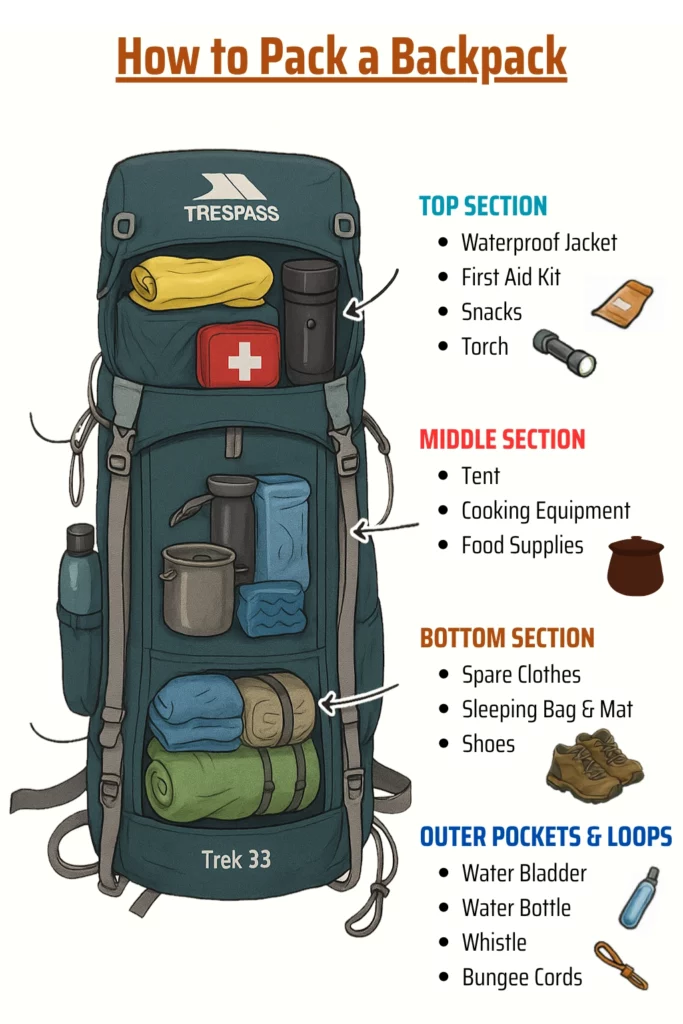
Packing your hiking bag the right way can make all the difference between a great adventure and a frustrating experience. You want to carry everything you need without feeling weighed down or missing crucial items.
But how do you strike that perfect balance? In this guide, you’ll discover simple, effective tips to pack smart, stay comfortable, and be prepared for anything on the trail. Keep reading, and you’ll unlock the secrets to packing your hiking bag like a pro.
Choosing The Right Backpack
Picking the right backpack makes hiking easier and more fun. The right bag holds your gear well and feels comfortable.
Learn about different types of hiking bags, their sizes, and how to find a good fit. This will help you choose the best backpack for your trip.
Types Of Hiking Bags
There are many hiking bags. Each one fits different needs and trips. Choose a type that matches your plan and load.
- Daypacks: Small bags for short hikes. Carry snacks, water, and light gear.
- Weekend Packs: Medium size for overnight trips. Room for clothes and food.
- Multi-day Packs: Large backpacks for long trips. Carry tents, sleeping bags, and more.
- Hydration Packs: Have a water bladder inside. Easy to drink while walking.
Size And Capacity
Backpacks come in many sizes. Pick one that fits how much stuff you bring. Too big feels heavy. Too small leaves no space.
| Backpack Size | Use | Volume (Liters) |
| Small | Day hikes | 15-30 L |
| Medium | Weekend trips | 30-50 L |
| Large | Multi-day hikes | 50-80 L |
| Extra Large | Long expeditions | 80+ L |
Fit And Comfort
The backpack must fit your body shape. A good fit stops pain and keeps you steady. Try bags with padding on the straps and back.
- Adjust shoulder straps to fit snugly.
- Use the hip belt to carry weight on hips.
- Choose a bag with breathable back padding.
- Look for chest straps for extra support.
Essential Gear To Pack
Packing the right gear is key to a good hiking trip. You need tools that keep you safe and comfortable.
This guide covers must-have items to bring in your hiking bag. Being prepared makes hiking fun and safe.
Navigation Tools
Navigation tools help you find your way on trails. They prevent you from getting lost in unknown areas.
Carry a map and compass to check directions easily. A GPS device or smartphone app can also help.
- Topographic map of the hiking area
- Compass for basic navigation
- GPS device or smartphone with offline maps
- Extra batteries or power bank
Safety And First Aid
Safety gear protects you during emergencies. A first aid kit helps treat small injuries on the trail.
Include items to handle cuts, scrapes, and insect bites. Also, add a whistle to signal for help if needed.
- Basic first aid kit with bandages and antiseptic
- Emergency whistle
- Multi-tool or pocket knife
- Small flashlight or headlamp
- Personal medications
Food And Hydration
Bring enough food and water to stay energized and hydrated. Choose lightweight, easy-to-carry snacks.
Carry water in bottles or hydration packs. Water purification tablets or filters are good for longer trips.
- High-energy snacks like nuts and granola bars
- Meals that are easy to prepare or ready to eat
- Water bottles or hydration reservoir
- Water filter or purification tablets
Clothing And Footwear
Wear clothes that protect you from weather and terrain. Layering helps adjust to temperature changes.
Choose sturdy hiking boots for support. Pack extra socks and rain gear in case of wet conditions.
- Moisture-wicking base layers
- Insulating mid-layers like fleece or wool
- Waterproof jacket and pants
- Hiking boots with good grip
- Extra socks and hat
Packing Techniques For Weight Distribution
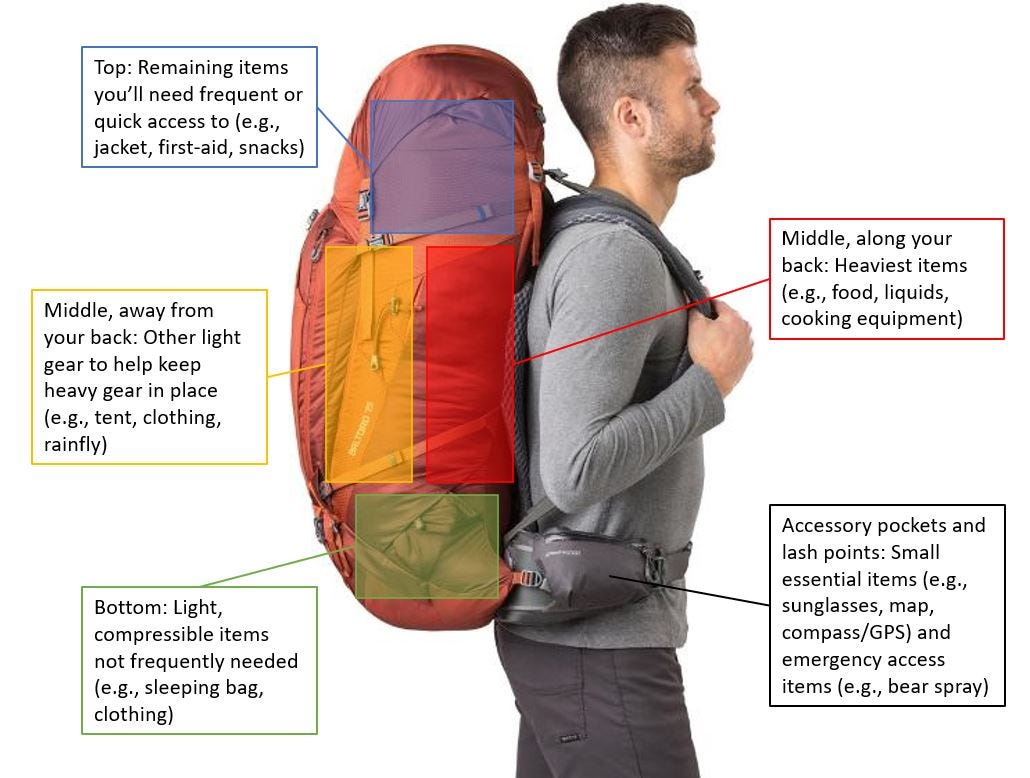
Proper weight distribution is key for a comfortable hike. It helps keep your balance and reduces strain on your back.
Learn simple ways to pack your hiking bag so you can walk longer without pain or fatigue.
Heavy Items Close To Your Back
Place heavy items like water, food, and cooking gear close to your back. This keeps the weight near your center of gravity.
Keeping heavy gear close reduces the pull away from your body and helps with balance.
Balanced Load Placement
Spread weight evenly on both sides of your bag. Avoid putting too much weight on one side.
- Pack similar weights on left and right pockets
- Keep medium-weight items in the middle
- Place light items at the top and bottom
- Check your pack in front of a mirror or with a partner
Using Compression Straps
Compression straps help tighten your load and bring items closer to your back. This improves stability while hiking.
| Compression Strap | Purpose |
| Side Straps | Pull pack sides inward to secure contents |
| Bottom Straps | Compress items at base to reduce sway |
| Top Straps | Hold down sleeping bags or bulky gear |

Credit: www.backcountry.com
Minimizing Weight Without Sacrificing Safety
Packing a hiking bag is about balance. You want to carry less but stay safe.
Choosing the right gear can help you reduce weight. It is important to keep safety in mind.
Choosing Lightweight Equipment
Lightweight gear can make your hike easier. Always check the weight before buying.
- Opt for a lightweight tent
- Use a compact sleeping bag
- Choose ultralight cooking gear
- Carry a small first aid kit
Multi-use Items
Items with multiple uses save space and weight. They are very helpful on long hikes.
Consider the following multi-use items:
- A bandana can be a towel, sunshade, or sling.
- Use a spork instead of separate spoon and fork.
- A poncho can serve as a raincoat and groundsheet.
Prioritizing Essentials
Pack only what you need. Essentials should be the priority.
| Item | Reason |
| Water filter | Safe drinking water |
| Map and compass | Navigation |
| Emergency blanket | Warmth |
| Headlamp | Visibility at night |
Organizing For Easy Access
Packing your hiking bag well helps you find things fast. Good organization saves time on the trail.
Keep items in places you can reach easily. Use simple tools to separate your gear for quick access.
Packing Cubes And Dry Bags
Packing cubes help group similar items together. Dry bags keep clothes and gear dry in wet weather.
Use cubes to sort clothes, food, and tools. Dry bags protect items from rain and river crossings.
- Choose cubes in different colors for easy ID
- Use small dry bags for electronics and food
- Compress cubes to save space in your bag
Quick-access Pockets
Quick-access pockets hold items you need fast. Put snacks, maps, and phones in these pockets.
Keep your water bottle and sunscreen in side pockets. Avoid digging into the main bag for small things.
- Use outer pockets for things you grab often
- Keep first aid kit in an easy-to-reach spot
- Place gloves and hats in top pockets for quick use
Layering Items
Layer heavier items at the bottom of the bag. Put lighter and often-used items on top.
Pack your sleeping bag and tent near the base. Keep rain gear and snacks close to the top.
- Bottom: heavy, bulky items like tent and sleeping bag
- Middle: clothes and cooking gear
- Top: rain jacket, snacks, and map
Credit: www.reddit.com
Final Checks Before Hitting The Trail
Packing your hiking bag is not done until you do a final check. This step ensures you have everything needed for a safe trip.
Take a few minutes to review your bag’s weight, the weather forecast, and emergency supplies before you leave.
Weight Testing
Check the weight of your hiking bag by lifting it. Make sure it feels comfortable on your back.
A heavy bag can cause fatigue and slow you down. Remove any items that are not essential.
- Lift the bag to test comfort
- Adjust or remove heavy items
- Keep weight balanced for easy carrying
Weather Considerations
Check the weather forecast before you leave. Pack clothing and gear that match the expected conditions.
Bring rain gear if rain is likely. Add extra layers if it will be cold. Avoid packing too many unnecessary clothes.
- Look at temperature and rain chances
- Pack waterproof items if needed
- Include warm layers for cold weather
Emergency Preparedness
Make sure your bag has basic emergency supplies. These items can help if something goes wrong on the trail.
Include a first aid kit, a flashlight, and a whistle. These small items can make a big difference in an emergency.
- Pack a first aid kit
- Carry a flashlight with extra batteries
- Bring a whistle for signaling help
Credit: pangolinswithpacks.com
Frequently Asked Questions
What Essentials Should I Pack For A Hiking Trip?
Pack water, snacks, a first aid kit, map, weather-appropriate clothing, and a multi-tool. These essentials ensure safety and comfort on your hike.
How Do I Distribute Weight In A Hiking Bag?
Place heavy items close to your back and centered. Lighter items should go towards the top and outer pockets for balance and comfort.
How Much Water Should I Carry While Hiking?
Carry at least two liters of water for a day hike. Adjust based on weather, trail difficulty, and personal hydration needs.
What Clothing Is Best To Pack For Hiking?
Pack moisture-wicking layers, a waterproof jacket, and sturdy hiking boots. Dress in layers to adapt to changing weather conditions.
Conclusion
Packing a hiking bag takes careful thought and planning. Choose items that suit your trip length and weather. Keep your bag light to move easily on trails. Organize gear so you find it fast when needed. Remember to pack essentials like water, food, and first aid.
Practice packing a few times before your trip. This helps you avoid forgetting important things. Enjoy your hike with a well-packed bag that supports your adventure. Safe travels and happy hiking!