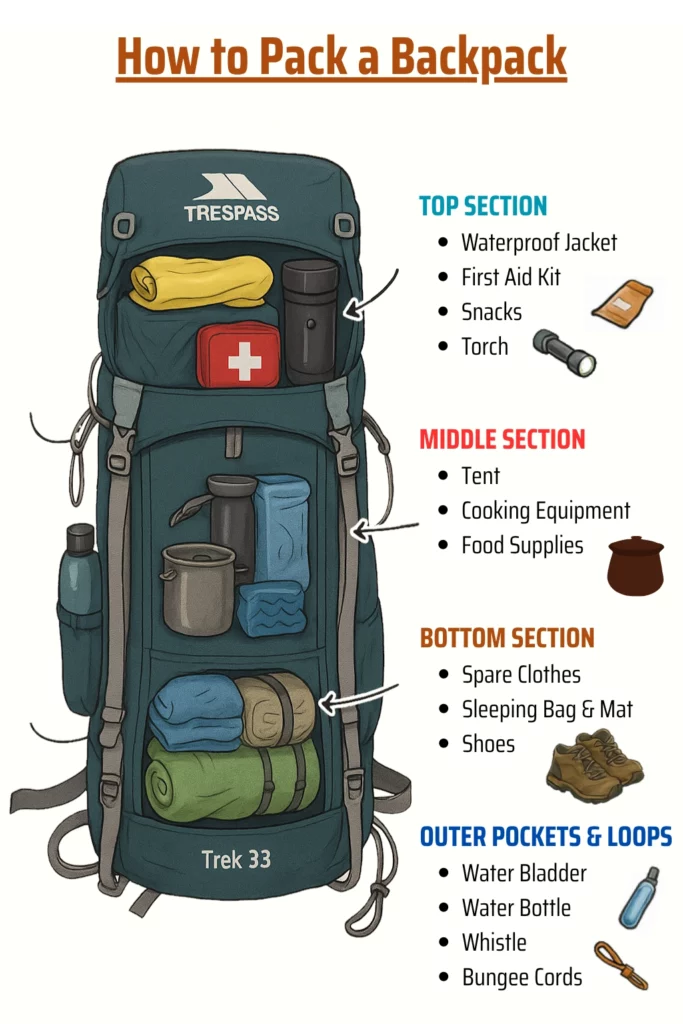
Packing your hiking pack the right way can make or break your outdoor adventure. Imagine reaching your favorite trail, only to find your gear heavy, uncomfortable, or hard to access.
You don’t want that. When you learn how to pack a hiking pack smartly, you’ll carry less weight, stay balanced, and find what you need quickly. This guide will show you simple steps to organize your pack like a pro, so you can focus on enjoying the hike instead of struggling with your gear.
Ready to make every hike easier and more fun? Let’s dive in.

Credit: www.youtube.com
Choosing The Right Pack
Picking the right hiking pack is important for a good trip. A proper pack helps carry your gear with ease and comfort. This guide explains key points to consider before buying a pack.
Focus on size, fit, and useful features. These will make your hike safer and more enjoyable. Read on to learn what to look for in each area.
Size And Capacity
Choose a pack size that fits your trip length and gear. Larger packs carry more but weigh more. Smaller packs keep you light but hold less.
- Day hikes: 15 to 35 liters
- Weekend trips: 35 to 50 liters
- Long trips: 50 to 80 liters or more
Fit And Comfort
A good fit reduces strain on your back and shoulders. Look for adjustable straps and padded areas. The pack should sit snugly against your body.
| Fit Element | What to Check |
| Torso Length | Measure your back from neck to waist |
| Hip Belt | Fits comfortably around hips, not waist |
| Shoulder Straps | Padded and adjustable for your shape |
| Load Lifters | Help balance weight close to your body |
Features To Look For
Extra features can add convenience and safety. Choose features that match your hiking style and needs.
- Multiple compartments for organized packing
- Hydration reservoir sleeve for water storage
- Rain cover to protect gear from wet weather
- Compression straps to stabilize load
- Attachment points for tools like trekking poles
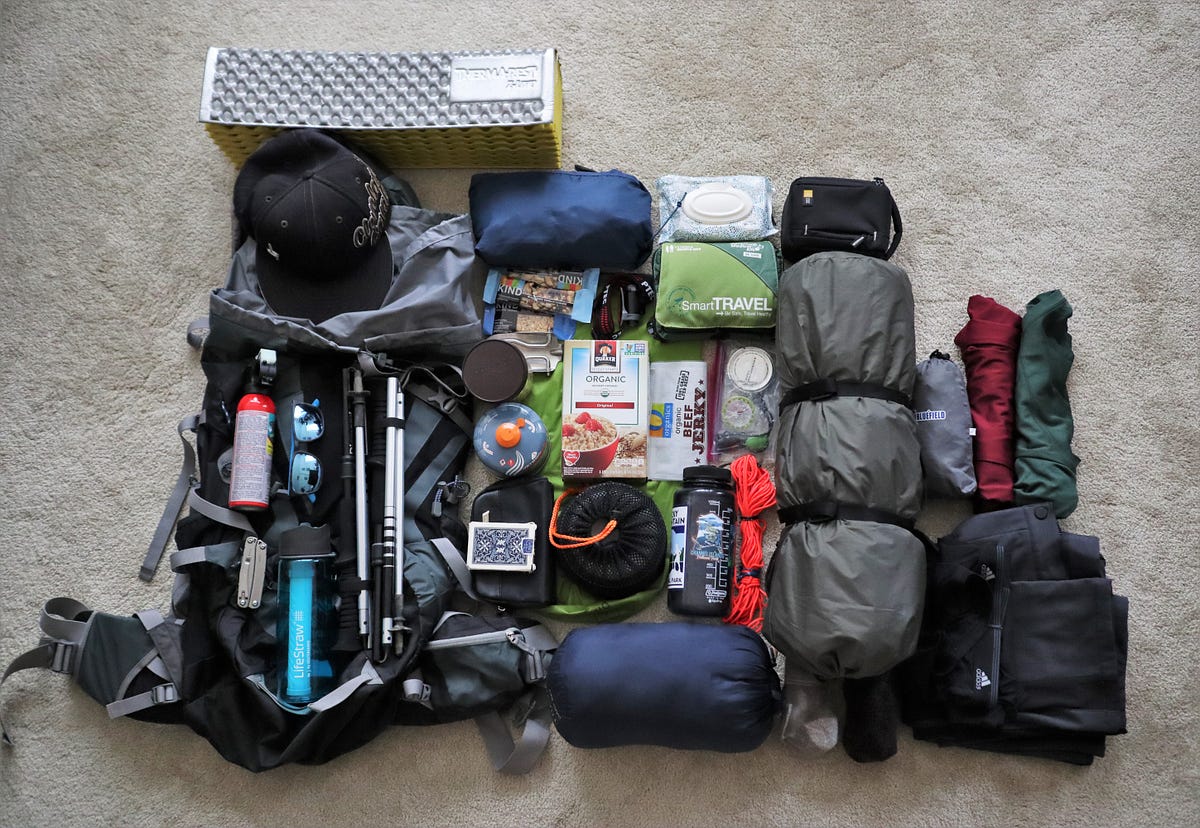
Credit: pangolinswithpacks.com
Essential Gear Selection
Packing a hiking pack needs careful thought about what to bring. The right gear keeps you safe and comfortable on the trail.
Choosing what to carry means balancing weight and usefulness. Focus on gear that helps without adding too much bulk.
Prioritizing Lightweight Items
Lightweight gear reduces strain and saves energy during long hikes. Choose items made from light materials.
- Use a thin, durable tent instead of a heavy one
- Pick a sleeping bag designed for weight savings
- Carry a compact stove instead of a large one
- Bring small, refillable water bottles
- Select lightweight cookware made from titanium or aluminum
Multipurpose Tools
Tools that serve more than one purpose save space and weight. They help you prepare food, fix gear, and stay safe.
| Tool | Functions |
| Multi-tool knife | Cutting, screwing, opening cans |
| Bandana | Shade, towel, filter |
| Cooking pot with lid | Boiling, frying, eating plate |
| Trekking poles | Support, tent poles |
Clothing Choices
Choose clothing that fits weather and trail conditions. Layers let you adjust warmth and protection.
- Wear moisture-wicking base layers to stay dry
- Bring a lightweight waterproof jacket
- Pack quick-dry pants and shirts
- Include a warm hat and gloves for cold times
- Choose breathable socks to avoid blisters
Packing Strategies
Packing a hiking pack properly makes your hike safer and more comfortable. Good packing helps you carry weight well and find items quickly.
Use smart strategies to organize your gear. This saves space and keeps your pack balanced on your back.
Organizing By Weight
Put heavy items close to your back and near the middle of your pack. This keeps your center of gravity steady and reduces strain.
Lighter items go near the top and edges. Keep things you use often in easy-to-reach pockets or at the top.
- Heavy gear: water, stove, food
- Medium weight: clothes, sleeping bag
- Light items: maps, snacks, rain gear
Using Compression Sacks
Compression sacks reduce the size of bulky items like sleeping bags and clothes. They save space and keep your pack organized.
Use sacks that match your gear size. Tighten the sacks to remove air and make items smaller. This helps fit more in your pack.
- Choose the right size sack
- Pack items loosely before compressing
- Squeeze air out and seal tightly
- Place compressed sacks in the middle or bottom
Balancing The Load
Balance your pack to avoid hurting your back or shoulders. Spread weight evenly from side to side and top to bottom.
Check your pack after loading. Adjust items to fix any tilt or heavy spots. A balanced pack feels lighter when you walk.
- Keep heavy items centered
- Place medium weight items around heavy gear
- Fill gaps with lighter gear
- Use straps to secure the load

Credit: www.sport-conrad.com
Efficient Use Of Space
Packing a hiking pack well saves space and keeps items easy to find. Using the right techniques helps you carry more without extra weight.
Good space use also makes your pack balanced and comfortable. This guide shows simple ways to pack smart for your hike.
Filling Gaps
Small gaps in your pack can waste valuable space. Fill these gaps with soft or small items to use every inch.
For example, stuff socks or gloves into shoe spaces or corners. This keeps your pack tight and stable.
- Use socks, gloves, or hats to fill gaps
- Place small gear inside shoes or pockets
- Fill corners with rolled-up clothing
Rolling Vs Folding
Rolling clothes saves space and reduces wrinkles. Folded clothes take more room and can create lumps.
Roll items tightly and place them side by side. This method fits more in your pack and keeps it organized.
- Roll t-shirts, pants, and jackets
- Fold bulky items like sweaters carefully
- Use rolling to maximize space and reduce wrinkles
Packing Cubes And Stuff Sacks
Packing cubes and stuff sacks help organize your gear. They compress clothes and keep items separated.
Use cubes for clothes and sacks for sleeping bags or bulky items. This saves space and makes finding gear easier.
- Packing cubes keep clothes tidy and compact
- Stuff sacks compress bulky gear tightly
- Label cubes for quick access to items
Safety And Accessibility
Packing your hiking pack correctly improves safety and ease during your trek. Good organization helps you find items fast.
Focus on placing important gear where you can reach it without stopping. This reduces risk and saves time in emergencies.
Quick Access Items
Keep items you need often near the top or outside pockets. This includes maps, sunscreen, and sunglasses.
- Place your phone and compass in a front pocket.
- Store snacks in side pockets for easy reach.
- Keep lip balm and insect repellent accessible.
Emergency Gear Placement
Emergency gear must be easy to grab in a crisis. Items like a first aid kit or whistle should be near the top of your pack.
| Emergency Item | Suggested Location |
| First Aid Kit | Top compartment |
| Whistle | Attached to chest strap |
| Headlamp | Front pocket |
| Fire starter | Inner pocket near top |
Water And Food Storage
Store water and food for balance and easy access. Heavy items should go close to your back to keep weight centered.
- Place water bottles in side pockets for quick refills.
- Pack food in sealed containers to avoid spills.
- Keep energy bars near the top for easy snacking.
- Use a hydration bladder if you want hands-free water access.
Final Checks And Adjustments
Before you hit the trail, make sure your hiking pack feels right. This step helps you carry your gear comfortably.
Check your pack’s fit and balance. Small changes can make a big difference on long hikes.
Weight Distribution Test
Try lifting your packed backpack to check the weight balance. It should feel stable and not pull you backward.
Shift heavy items closer to your back and center of gravity. This helps keep your balance on uneven paths.
- Place heavy gear like water and food near your spine
- Lighter items go toward the top and outside
- Adjust items if the pack feels uneven or lopsided
Strap Adjustments
Tighten your shoulder straps so the pack sits close but not too tight. It should not dig into your shoulders.
Adjust the hip belt to carry most of the pack’s weight. This reduces strain on your shoulders and back.
- Shoulder straps should wrap comfortably over your shoulders
- Hip belt rests on your hips, not your waist
- Use chest strap to keep shoulder straps in place
Weatherproofing Tips
Keep your gear dry by using rain covers or waterproof bags inside your pack. Wet gear can be heavy and uncomfortable.
Seal your pack’s zippers tightly. Check for holes or gaps where water can enter.
- Use a rain cover over your whole pack
- Pack clothes in dry bags or plastic bags
- Check seams and zippers for water leaks
Frequently Asked Questions
How To Choose The Right Hiking Pack Size?
Choose a hiking pack size based on trip length and gear weight. For day hikes, 15-30 liters is ideal. Multi-day trips need 40-70 liters. Consider your body size and comfort. A proper size ensures better weight distribution and hiking ease.
What Essential Items To Pack For Hiking?
Pack water, snacks, first aid kit, navigation tools, and weather-appropriate clothing. Include a multi-tool, flashlight, and emergency shelter. Always bring extra layers and sun protection. Prioritize lightweight and compact items to save space and reduce pack weight.
How To Distribute Weight In A Hiking Pack?
Place heavy items close to your back and centered. Lighter items should go on top and at the pack’s edges. Balance weight evenly on both sides. This improves stability and reduces strain on your shoulders and back during hikes.
How To Protect Gear From Rain In A Hiking Pack?
Use waterproof stuff sacks or dry bags to protect gear inside the pack. Cover the entire pack with a rain cover when hiking in wet conditions. These methods keep your belongings dry and prevent damage from rain or moisture.
Conclusion
Packing a hiking pack is crucial for a good adventure. Organize your items logically. Place heavy gear near your back. Keep essentials accessible. Use compartments wisely for easy access. Stay balanced to prevent strain. Test the pack’s weight before heading out.
Adjust straps for comfort. Remember, a well-packed pack enhances your hiking experience. Enjoy the trail with confidence. Happy hiking!