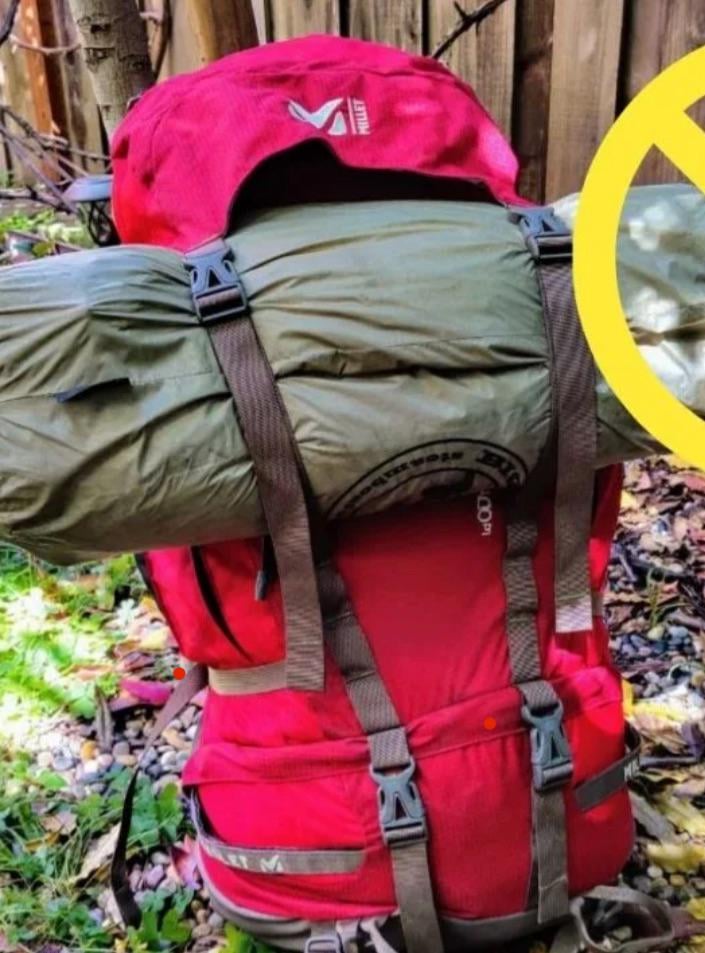
Packing your sleeping bag the right way can make a huge difference in your comfort and the space you have left in your backpack. If you’ve ever struggled with a bulky, messy sleeping bag that takes up too much room, you’re not alone.
Imagine having more space for other essentials and carrying your gear with ease. In this guide, you’ll learn simple, practical steps to pack your sleeping bag efficiently. By the end, you’ll feel confident and ready to tackle your next adventure without the hassle of a poorly packed sleeping bag.
Keep reading to discover the secrets that seasoned campers swear by!
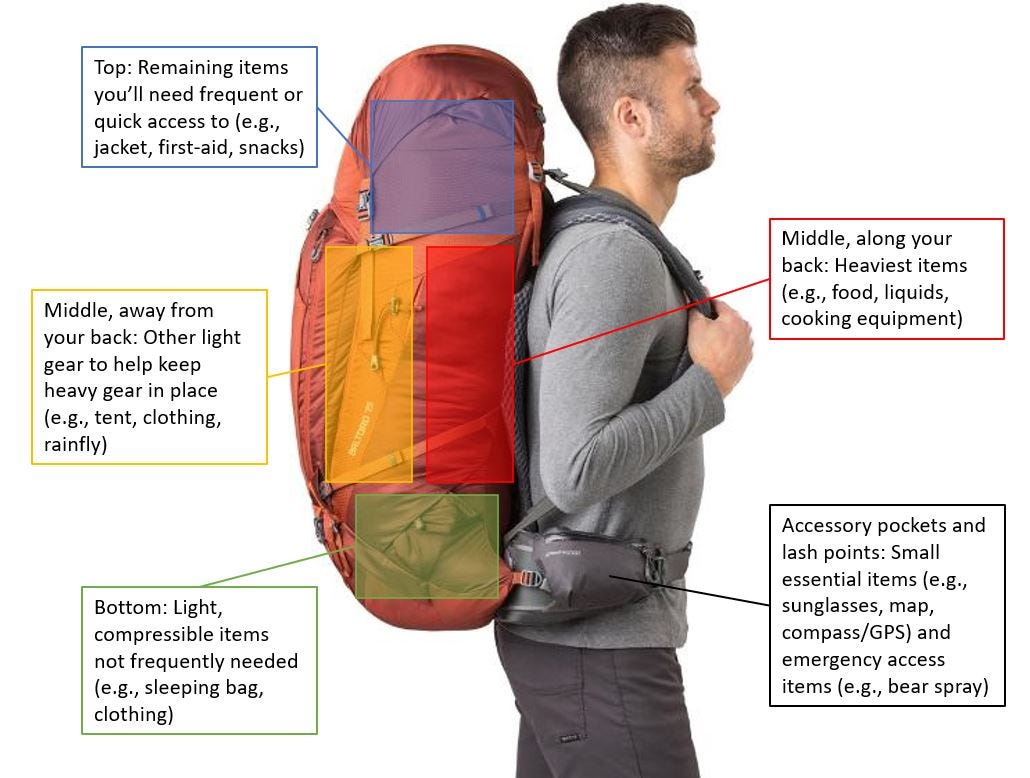
Credit: pangolinswithpacks.com
Choosing The Right Sleeping Bag
Picking the right sleeping bag is key to a good night outdoors. It keeps you warm and fits well in your backpack.
Learn about types, materials, and size to find the best sleeping bag for your trip.
Types Of Sleeping Bags
Sleeping bags come in different shapes. Each shape suits a different need and style of camping.
- Mummy bags: tight fit, best for cold weather
- Rectangular bags: roomier, good for mild weather
- Semi-rectangular bags: mix of warmth and space
Materials And Insulation
Sleeping bags use different materials for warmth and weight. Choose one that fits your comfort and pack size.
| Material | Pros | Cons |
| Down | Lightweight, very warm | Expensive, loses warmth if wet |
| Synthetic | Affordable, dries fast | Heavier, less warm than down |
| Hybrid | Mix of down and synthetic | Costs more, balances warmth and weight |
Size And Weight Considerations
Think about how much space your sleeping bag takes and its weight. It affects your backpack load and comfort.
- Choose a size that fits your height and build
- Lighter bags save energy on long hikes
- Compressible bags save space in your pack
Preparing Your Sleeping Bag
Packing a sleeping bag correctly helps save space in your backpack. It also protects the bag from damage and moisture. Preparing your sleeping bag well makes your trip more comfortable.
This guide covers cleaning and drying, rolling versus stuffing, and using compression sacks. Follow these tips to pack your sleeping bag easily and safely.
Cleaning And Drying
Keep your sleeping bag clean to avoid dirt and odors. Wash it according to the label instructions. Use gentle detergent made for outdoor gear.
Dry your sleeping bag completely before packing. Lay it flat or hang it in a dry place. Avoid direct sunlight and heat sources that can damage the fabric.
Rolling Vs. Stuffing
Rolling your sleeping bag keeps it neat and easy to pack. It reduces wrinkles and makes the bag fit better in your backpack.
Stuffing your sleeping bag into a sack saves space. It compresses the bag but can cause more wrinkles. Stuffing is good for short trips and when you need to pack fast.
- Rolling:Neat, less wrinkling, easy to repack
- Stuffing:Saves space, compresses the bag, faster
Using Compression Sacks
Compression sacks reduce the size of your sleeping bag. They use straps or cords to squeeze air out. This lets you pack more gear in your backpack.
Be gentle when tightening compression sacks. Too much pressure can damage the insulation. Use them mainly for synthetic bags, as down bags need gentle care.
Packing Techniques
Packing a sleeping bag efficiently saves space and makes hiking easier. Learn different techniques to pack your sleeping bag in a backpack.
Different methods help in various situations. Choose the right one based on your needs and backpack space.
Stuffing Method For Maximum Compression
Stuffing your sleeping bag directly into its sack is efficient. It helps compress the bag to fit better in your backpack.
This method uses the bag’s natural folds for compact packing. It is ideal for limited space.
- Open the sleeping bag stuff sack
- Push the foot of the sleeping bag in first
- Continue stuffing without rolling
- Compress by tightening straps
Rolling Method For Quick Access
Rolling is useful for those who need quick access to their sleeping bag. It keeps the bag tidy and ready to use.
Roll tightly from the foot to the head of the bag. This method is easy and fast.
- Lay the sleeping bag flat
- Smooth out any wrinkles
- Roll from the foot end tightly
- Secure with straps or elastic bands
Layering In The Backpack
Layering your backpack helps in organizing your items. Place the sleeping bag at the bottom for balance.
Put heavier items on top to stabilize the pack. This technique keeps your gear organized and accessible.
- Place the sleeping bag at the bottom
- Layer clothes and lighter items above
- Keep heavy items close to your back
- Use side pockets for quick-grab items
Utilizing Backpack Space Efficiently
Packing a sleeping bag in your backpack needs smart space use. You want to fit it well without wasting room.
Good packing helps carry more gear and keeps your backpack balanced and comfortable.
Placing The Sleeping Bag At The Bottom
Put your sleeping bag at the bottom of the backpack. It is bulky but lightweight, so it fits well there.
This spot keeps the bag out of the way and leaves space above for heavier items that keep balance.
Filling Gaps With Soft Items
Use soft things like clothes or extra layers to fill empty spaces around the sleeping bag. This stops movement inside.
Filling gaps keeps your pack stable and protects your gear from damage during the hike.
- Socks and gloves fit well in small spaces
- T-shirts can fill wider gaps
- Light jackets work well around the edges
External Attachment Options
Some backpacks have straps or loops outside. You can use these to attach your sleeping bag if space inside is tight.
Attach the sleeping bag tightly to avoid swinging and keep your balance while walking.
- Use compression straps to secure the bag
- Attach it at the bottom or side of the pack
- Cover it with a rain cover if it is wet
Additional Space-saving Tips
Packing a sleeping bag efficiently saves valuable backpack space. This helps you carry more gear and stay comfortable on your trip.
Here are some extra tips to maximize space by choosing the right gear and packing smartly.
Choosing Multi-use Gear
Select gear that serves more than one purpose. This reduces the number of items you need to carry.
- Use a sleeping pad that doubles as a seat.
- Choose clothing that works for hiking and sleeping.
- Pick a backpack with built-in rain cover.
- Bring a cook set that nests with other items.
Minimizing Other Gear Bulk
Reduce the bulk of other gear to free up space for your sleeping bag. Compress and organize well.
| Gear | Space-Saving Tip |
|---|---|
| Clothing | Roll tightly and use compression sacks |
| Cooking Equipment | Stack smaller items inside larger pots |
| Food | Use resealable bags instead of bulky boxes |
| Toiletries | Use travel-sized containers and combine items |
Maintaining Balance And Weight Distribution
Keep your backpack balanced by placing heavy items near your back. This helps you carry your load comfortably.
Try this packing order for good balance:
- Place heavy items like food and water close to your spine.
- Put your sleeping bag at the bottom of the pack.
- Fill gaps with lighter items like clothes.
- Keep frequently used gear on top or in outside pockets.

Credit: www.reddit.com
Packing For Different Weather Conditions
Packing a sleeping bag correctly helps you stay comfortable outside. Weather changes how you pack your bag. You need to prepare for warm, cold, and wet conditions.
This guide shows tips to pack your sleeping bag for all weather types. Follow these steps to keep your sleeping bag dry and easy to carry.
Warm Weather Packing Strategies
In warm weather, sleeping bags need to be light and breathable. Use a sleeping bag with less insulation or a liner to stay cool. Roll your sleeping bag tightly to save space.
Keep your sleeping bag in a breathable stuff sack. Avoid compressing it too much to keep the insulation fluffy. Pack it near the top of your backpack for quick access.
- Choose a lightweight sleeping bag or liner
- Roll tightly without over-compressing
- Use a breathable stuff sack
- Place near the top of your backpack
Cold Weather Adjustments
Cold weather needs a sleeping bag with good insulation. Use a compression sack to make it smaller but do not crush the insulation too much. Pack your sleeping bag at the bottom of your backpack for protection.
Layer your sleeping bag with an insulated sleeping pad for extra warmth. Keep your sleeping bag dry by sealing it in a waterproof bag inside your pack.
- Select a sleeping bag rated for cold temperatures
- Use a compression sack carefully
- Place at the bottom of your backpack
- Use a waterproof bag inside your pack
- Bring an insulated sleeping pad
Dealing With Moisture And Condensation
Moisture can damage your sleeping bag’s insulation. Use a waterproof stuff sack or dry bag to keep water out. Always store your sleeping bag in a dry spot inside your backpack.
Air out your sleeping bag daily to reduce condensation. If your sleeping bag gets wet, dry it completely before packing it away. Avoid packing your bag when wet to prevent mold and smells.
- Use waterproof or dry bags for protection
- Keep the sleeping bag dry inside your pack
- Air out daily to reduce condensation
- Dry completely if wet before packing
- Avoid packing wet sleeping bags
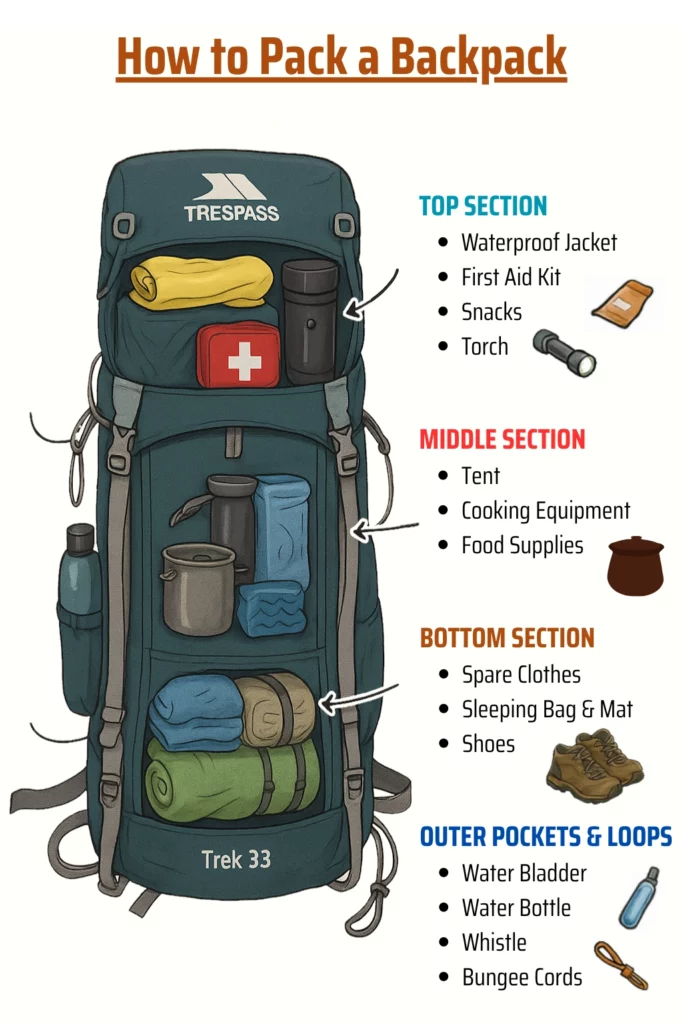
Credit: www.trespass.com
Frequently Asked Questions
How To Compress A Sleeping Bag For Backpacking?
To compress a sleeping bag, use a compression sack. Roll the bag tightly from the bottom. Push out excess air while tightening straps. This reduces volume and saves space in your backpack, making it easier to carry during hiking or camping trips.
What Is The Best Way To Pack A Sleeping Bag?
Place the sleeping bag in a dry sack or compression sack first. Pack it at the bottom of your backpack. This helps balance weight and keeps the bag protected from moisture or damage during travel.
How To Keep A Sleeping Bag Dry In A Backpack?
Use a waterproof dry bag or compression sack to store your sleeping bag. Avoid placing it near wet gear. This prevents moisture from soaking into the bag, ensuring it stays dry and warm for your next use.
Can I Stuff A Sleeping Bag Directly Into My Backpack?
Stuffing a sleeping bag directly in a backpack is not ideal. It can cause uneven packing and damage insulation. Always use a compression sack or dedicated sleeping bag compartment for better protection and organization.
Conclusion
Packing a sleeping bag correctly saves space and keeps it dry. Roll it tightly and use compression straps if available. Place it at the bottom of your backpack for better balance. Avoid stuffing it loosely to prevent damage. Practice packing a few times before your trip.
This simple skill helps your backpack stay organized and makes hiking easier. Enjoy your outdoor adventure with a well-packed sleeping bag.