Packing a tent for backpacking can feel tricky, but it doesn’t have to be. How you pack your tent affects not just the weight on your back, but also how quickly you can set up camp at the end of a long day.
Imagine reaching your spot, unpacking smoothly, and having more energy to enjoy the outdoors. In this guide, you’ll learn simple, effective steps to pack your tent the right way. By the time you finish reading, you’ll have the confidence to carry your shelter efficiently and make your backpacking trips easier and more enjoyable.
Ready to pack smarter? Let’s dive in.
Credit: www.reddit.com
Choosing The Right Tent
Packing a tent for backpacking starts with choosing the right one. Your tent must fit your trip and needs. It affects your comfort and safety outdoors.
Think about what you need in a tent before buying. Look at size, weight, material, and season use. These factors help you pick the best tent.
Weight And Size Considerations
Weight is very important for backpacking. A heavy tent makes your pack hard to carry. Size matters too. You want enough room for you and your gear.
- Choose a tent that fits your group size.
- Pick a tent light enough for your hiking ability.
- Consider tents that pack small to save space.
- Check if the tent’s packed size fits your backpack.
Material And Durability
Tents are made from different fabrics and poles. Strong material lasts longer and protects you better. Look for tents with good waterproof ratings and tear resistance.
| Material | Advantages | Disadvantages |
| Silnylon | Lightweight, waterproof | Can stretch when wet |
| Polyester | Durable, resists UV damage | Heavier than silnylon |
| Aluminum Poles | Strong and light | Costly |
| Fiberglass Poles | Cheap | Heavier, less durable |
Seasonal Suitability
Tents are made for different weather conditions. Choose a tent that fits the season you hike in. Some tents work best in summer, others in winter.
- 3-Season:Good for spring, summer, and fall. Lightweight and ventilated.
- 4-Season:Built for winter. Strong frame and less mesh for warmth.
- Convertible:Can change between 3-season and 4-season use.

Credit: www.reddit.com
Preparing Your Tent For Packing
Packing your tent properly makes your backpack lighter and easier to carry. It also keeps your tent safe for the next trip. Taking the right steps before packing helps the tent last longer.
Start by cleaning and drying your tent. Then organize all parts carefully. Finally, remove any items you do not need. Each step is important for good care.
Cleaning And Drying
Always clean your tent after use. Dirt and moisture can damage the fabric and cause bad smells. Dry your tent completely before packing to avoid mold and mildew.
- Shake off loose dirt outside
- Use a soft brush to clean mud
- Spot clean with mild soap and water
- Air dry your tent in the shade
- Make sure no wet spots remain
Organizing Tent Components
Keep all tent parts together. This includes poles, stakes, rainfly, and the tent body. Organizing parts prevents loss and damage. Use bags or compartments for each component.
| Component | Storage Tip |
| Tent Poles | Bundle and secure with a strap |
| Stakes | Keep in a small pouch |
| Rainfly | Fold loosely to avoid creases |
| Tent Body | Fold neatly and place in main bag |
Removing Excess Items
Remove items that do not belong inside your tent bag. Extra gear adds weight and clutter. Keep only what you need for setup and repair.
- Take out camping chairs and cooking gear
- Remove trash and leftover food
- Check for personal items left inside
- Store repair kits separately
Folding And Rolling Techniques
Learning how to pack a tent properly is important for backpacking. It keeps your tent safe and saves space in your backpack.
Here are some folding and rolling techniques to help you pack your tent efficiently.
Flat Folding Methods
Flat folding is a simple way to pack your tent. It helps in keeping the tent fabric flat and less bulky.
Lay the tent on a clean surface. Fold it in half, keeping the edges aligned. Press out any air as you fold.
- Fold the tent lengthwise in half.
- Flatten it with your hands to remove air.
- Fold it again, keeping it compact.
Rolling For Compactness
Rolling your tent can make it very compact. This method is great for saving space in your backpack.
Start at one end and roll the tent tightly. Keep it even and smooth as you roll.
- Place poles at one end of the tent.
- Begin rolling from the pole side.
- Keep rolling tight and even.
Avoiding Damage While Folding
To avoid damage, be gentle with your tent. Sharp folds can weaken the fabric over time.
Check for any dirt or debris before folding. Clean the tent if needed to prevent damage.
| Tip | Action |
| Remove debris | Shake off dirt before folding |
| Check fabric | Ensure no sharp objects are inside |
| Gentle folds | Avoid creasing the fabric |
Using Compression Bags And Stuff Sacks
Packing a tent for backpacking needs careful planning. Compression bags and stuff sacks help save space.
These tools keep your tent organized and protected on the trail. They make carrying easier.
Choosing The Right Sack
Select a sack that fits your tent size well. Too big or small sacks cause problems.
Look for water-resistant materials to keep the tent dry. Durable fabric lasts longer on trips.
- Stuff sacks are lightweight and simple
- Compression bags reduce volume with straps
- Choose sacks with good quality zippers or drawstrings
- Pick a sack size matching your packed tent
Effective Compression Tips
Remove excess air from the bag to save space. Roll or squeeze the tent tightly.
Use the compression straps evenly. Tighten straps in small steps for better control.
- Fold the tent flat before stuffing
- Place poles and stakes separately if possible
- Compress slowly to avoid damage
- Check for leaks or holes in the bag
Protecting Tent Fabric
Keep the tent fabric clean and dry before packing. Dirt and moisture can cause damage.
Use a groundsheet inside the sack for extra protection. Avoid sharp objects that can tear fabric.
- Wipe off mud and debris
- Dry the tent fully before packing
- Store tent away from direct sunlight
- Inspect fabric for holes or tears regularly
Packing The Tent In Your Backpack
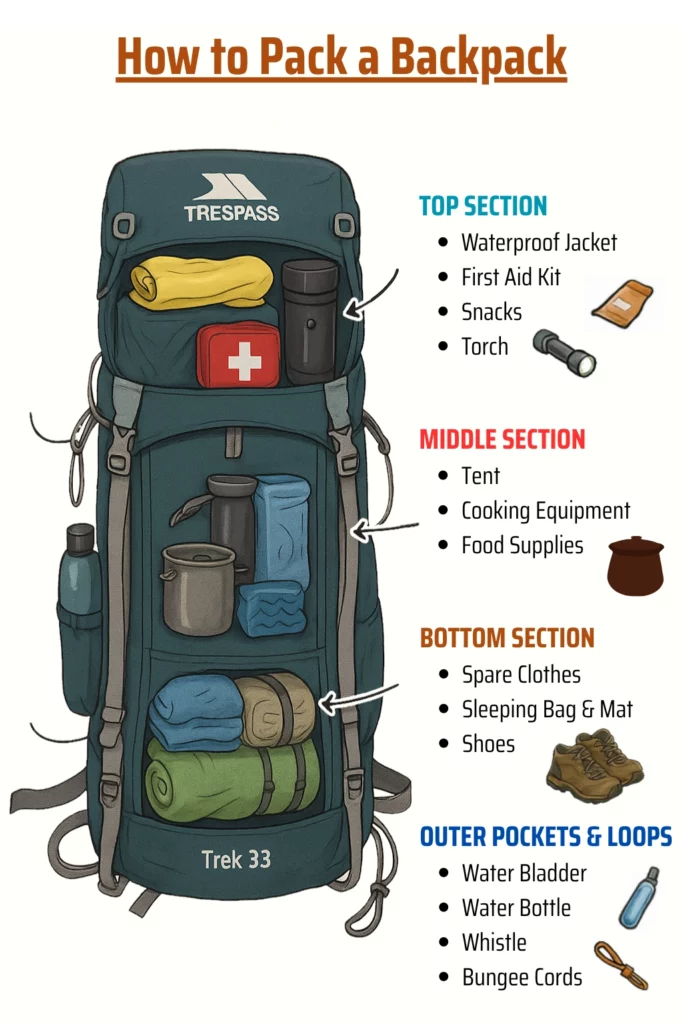
Packing your tent correctly helps keep your backpack balanced and organized. It saves space and makes your gear easy to reach.
Knowing where and how to place your tent in your backpack makes hiking more comfortable. It also protects your tent from damage.
Optimal Placement For Balance
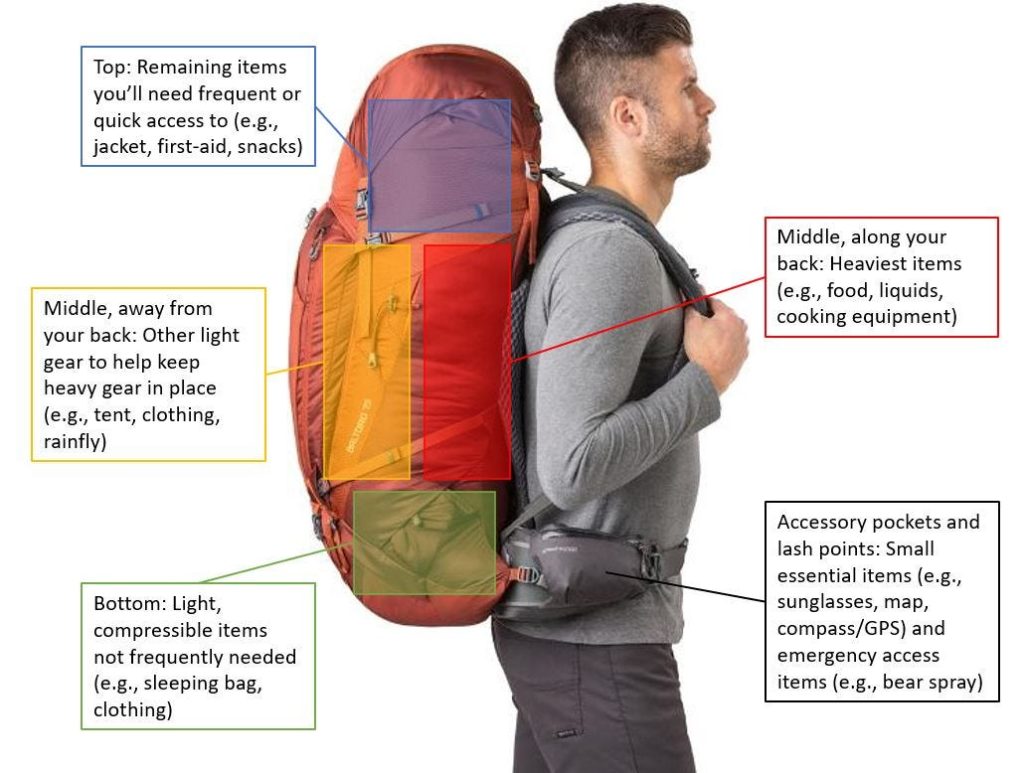
Place the tent close to your back near the center of your pack. This keeps the weight near your body and improves balance.
A tent packed too far away from your back can make you feel off-balance and tire you faster on the trail.
- Put the tent in the middle of your pack
- Keep it near your back for better weight support
- Avoid placing it at the top or bottom alone
Maximizing Space Efficiency
Compress the tent tightly to reduce its size before packing. Use a stuff sack or compression sack to keep it small.
Fill gaps around the tent with smaller items to save space. This helps you fit more gear in your backpack.
- Use a compression sack to shrink the tent
- Fill empty spaces with socks or small gear
- Keep the tent dry and clean before packing
Securing The Tent For Easy Access
Keep the tent in an outer pocket or side compartment if you plan to set up camp quickly. This saves time after hiking.
Use straps or clips to attach the tent to the outside of your pack if it doesn’t fit inside. Secure it tightly to prevent swinging.
- Store the tent where you can reach it fast
- Attach it outside with straps if needed
- Make sure it won’t move while walking
Credit: www.trespass.com
Additional Space-saving Tips
Packing a tent for backpacking can be tricky. Saving space helps carry less weight.
These tips focus on smart ways to pack and reduce bulk. They make your backpack lighter.
Using Tent Accessories Wisely
Use small bags or stuff sacks for tent parts. Keep accessories organized and compact.
Wrap stakes and guylines separately to avoid tangling. This saves space and time.
- Store rainfly and footprint in their own bags
- Use compression sacks for bulky accessories
- Bundle guylines and cords with rubber bands
Minimizing Pole And Stake Bulk
Choose lightweight poles and stakes. They reduce weight and take less room.
Break poles down fully before packing. Align them straight to fit in small spaces.
- Use aluminum or carbon fiber poles
- Pick compact, straight stakes
- Store poles in a slim bag or wrap in cloth
Packing Multi-use Gear
Bring gear that serves more than one purpose. This cuts down on what you carry.
Examples include tarps that work as ground cloths or rain shelters. Use trekking poles as tent supports.
- Use a tarp as a tent footprint and rainfly
- Choose trekking poles for tent poles
- Pack gear that can store other items inside
Frequently Asked Questions
How Do I Fold A Tent For Backpacking?
Fold the tent tightly by aligning edges and rolling from one end. Remove air pockets to save space. Secure with straps or place in its bag to keep it compact and easy to carry.
What Is The Best Way To Pack A Tent?
Pack the tent with poles and stakes inside the tent body. Fold the rainfly neatly on top. Use a compression sack to reduce volume and protect it from damage.
How Can I Save Space Packing A Tent?
Remove excess air and fold the tent tightly. Use a compression sack or stuff the tent instead of folding for better space use. Store poles and stakes separately inside the tent bag.
Should I Dry My Tent Before Packing?
Yes, always dry your tent completely before packing. Moisture causes mold and bad odors. Drying extends the tent’s life and keeps it fresh for your next trip.
Conclusion
Packing a tent well saves space and keeps gear safe. Roll it tight and keep it dry. Use stuff sacks to organize parts easily. Practice packing before your trip for smooth results. A good pack helps you hike light and camp better.
Stay organized, and enjoy your backpacking adventure!