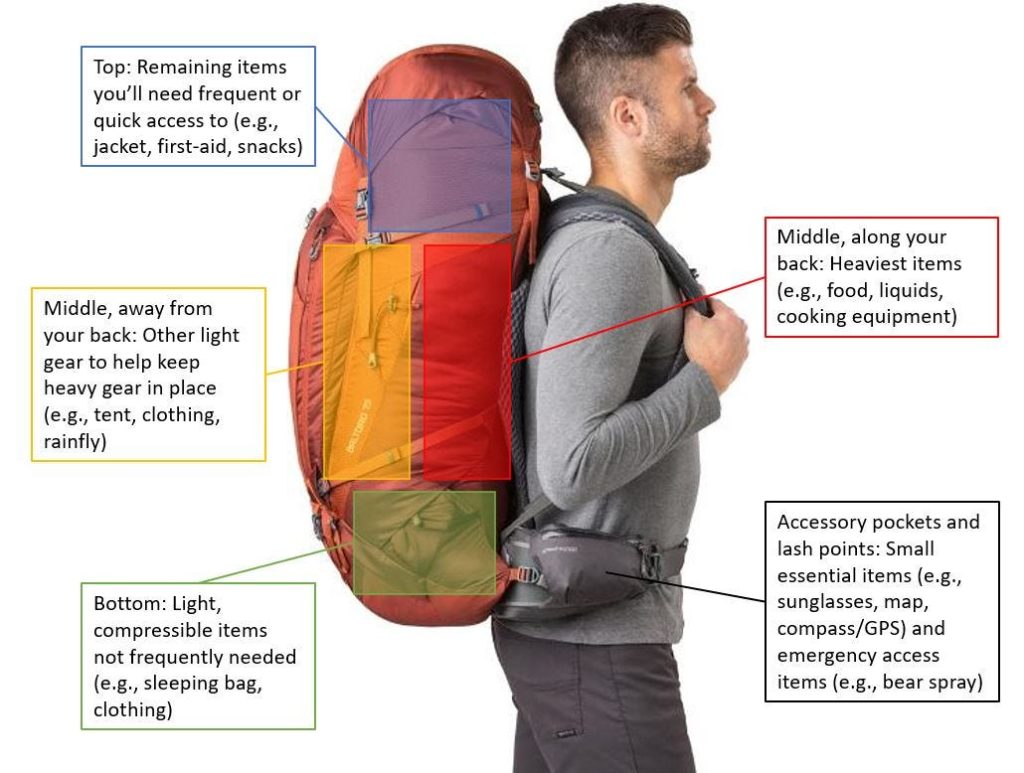
Packing a tent for backpacking might seem simple, but doing it the right way can save you time, space, and frustration on the trail. Imagine reaching your campsite after a long hike, only to struggle with a bulky, messy tent bag.
You don’t want that. In this guide, you’ll learn easy steps to pack your tent efficiently so it fits perfectly in your backpack and stays protected. Keep reading to discover smart tips that make your next adventure smoother and more enjoyable.
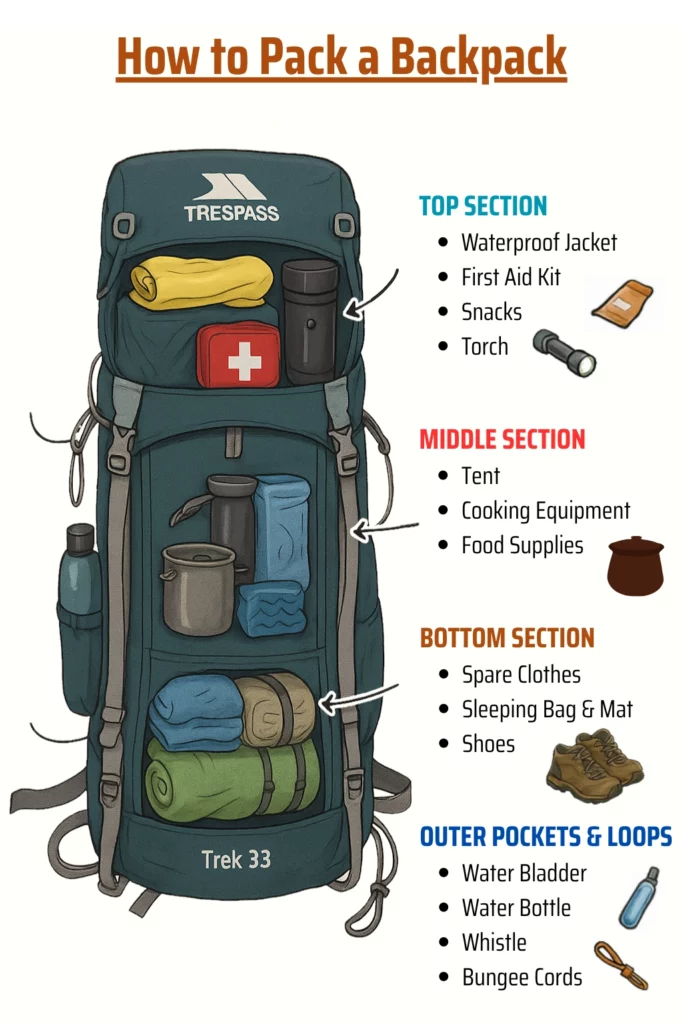
Credit: www.trespass.com
Choosing The Right Tent
Picking the right tent is key for backpacking trips. It affects your comfort and how easy it is to carry your gear.
Look at three main things before buying: weight, material, and size. These help you find the best tent for your needs.
Weight Considerations
Light tents make hiking easier. You want a tent that is strong but does not add too much weight.
- Check the packed weight, not just the tent weight alone.
- Ultralight tents often cost more but save energy.
- Consider the weight of poles, stakes, and rainfly.
Material And Durability
Tent fabric and poles must hold up to weather. Look for water resistance and tear strength.
| Material | Durability | Weight |
| Nylon | Good | Light |
| Polyester | Better under sun | Medium |
| Silicone-coated | Very strong | Light |
| Aluminum poles | Strong and light | Light |
| Fiberglass poles | Less durable | Heavier |
Size And Capacity
Choose a size that fits you and your gear. Too big adds weight; too small feels cramped.
Here are common tent sizes and who they fit best:
- 1-person: Very light, good for solo hikers
- 2-person: Fits two people or one with extra gear
- 3-person: Room for two plus gear or three if needed
Preparing Your Tent For Packing
Packing your tent properly keeps it safe and ready for your next trip. Taking time to prepare your tent helps it last longer.
Focus on cleaning, drying, and checking your tent before you pack it away. This stops damage and bad smells.
Cleaning And Drying
Always clean your tent before packing it. Dirt and moisture can cause mold and damage the fabric.
Set up your tent in a dry, shaded place. Let it dry completely, both inside and out. Avoid packing it damp.
Removing Dirt And Debris
Clear off all dirt, leaves, and bugs before storing your tent. Use gentle tools to avoid tears.
- Shake out loose debris outside.
- Brush off dirt with a soft brush.
- Spot clean stains with mild soap and water.
- Rinse soap well and let dry fully.
Checking For Damage
Look carefully for holes, tears, or broken parts. Fix small problems before storing your tent.
| Part | What to Check | Action |
| Tent Fabric | Holes, tears, worn spots | Patch or sew small holes |
| Zippers | Stuck or broken teeth | Clean and lubricate zippers |
| Poles | Bends or cracks | Replace damaged poles |
| Seams | Loose stitches or leaks | Reseal seams if needed |
Folding Techniques
Packing a tent properly saves space in your backpack. It also protects the tent fabric and poles. Good folding techniques make your gear lighter and easier to carry.
This guide covers three key folding steps. Learn how to flatten the tent body, align poles and stakes, and choose between rolling or folding.
Flattening The Tent Body
Start by shaking out the tent to remove dirt and debris. Lay the tent flat on a clean surface. Smooth out wrinkles and folds to make the tent body even. This step helps reduce bulk and makes folding easier.
Aligning Poles And Stakes
Gather all poles and stakes in one place. Align them neatly next to the tent body. This keeps everything organized and prevents damage. Placing poles and stakes inside the folded tent saves space and protects them.
- Stack poles by size, largest to smallest
- Place stakes in a small bag or wrap them in cloth
- Lay poles and stakes along the tent’s length
- Secure them with straps or ties if possible
Rolling Vs. Folding
Choosing between rolling or folding depends on your tent type and space. Rolling keeps the tent compact and reduces wrinkles. Folding works well for square tents and can fit better in backpacks.
| Method | Advantages | Best For |
|---|---|---|
| Rolling | Compact, fewer wrinkles | Small tents, lightweight gear |
| Folding | Fits better in tight spaces | Square-shaped tents, larger packs |
Using A Compression Sack
Packing a tent for backpacking can be tricky. Using a compression sack helps save space in your backpack.
Compression sacks squeeze your tent into a smaller size. This makes carrying your gear easier and lighter.
Benefits Of Compression
Compression sacks reduce the volume of your tent. This frees up room for other essential items.
They keep your tent dry and protected from dirt. This helps your gear last longer on the trail.
- Makes your backpack lighter and smaller
- Protects your tent from water and dirt
- Keeps your tent organized and easy to pack
Proper Stuffing Methods
Start by shaking out your tent to remove dirt and moisture. Fold it neatly before putting it in the sack.
Place the tent flat inside the compression sack. Roll or fold the sack tightly to push out air and reduce size.
- Clean and dry your tent first
- Fold or roll the tent neatly
- Place tent flat inside the sack
- Pull straps evenly to compress the sack
Avoiding Damage
Do not over-tighten the compression sack. Too much pressure can damage tent fabric and seams.
Keep sharp objects away from the sack. They can puncture or tear the material and ruin your gear.
- Compress gently without force
- Check for sharp objects before packing
- Store your tent loosely when not hiking
Packing Tips For Lightweight Travel
Packing a tent for backpacking needs careful planning. You want to carry less weight and save space. Good packing helps you travel comfortably and safely.
This guide shows simple ways to pack your tent so it is light and easy to carry. Follow these tips for a better backpacking trip.
Distributing Weight Evenly
Even weight distribution keeps your backpack balanced. It makes walking easier and reduces strain on your back. Place heavy items close to your spine and near the middle of your pack.
- Put the tent body and rainfly near the center of the pack.
- Store tent poles and stakes around the edges to keep balance.
- Use side pockets for lighter items like repair kits or cords.
- Keep frequently used items near the top for easy access.
Minimizing Bulk
Reducing the size of your packed tent saves space for other gear. Rolling and folding your tent tightly helps cut bulk. Use stuff sacks designed for tents to compress them well.
| Method | Benefit |
| Rolling tightly | Reduces tent size by removing air |
| Folding carefully | Keeps fabric neat and compact |
| Using compression sacks | Compresses tent for smaller pack volume |
Securing Tent To Backpack
Attaching your tent outside the pack saves internal space. Use straps or bungee cords to keep the tent secure. Make sure it does not swing or shift while you walk.
- Place the tent poles and stakes in a bundle and strap them tightly.
- Attach the rolled tent body in a waterproof sack on top or bottom.
- Check all straps before starting your hike to avoid loose gear.
- Balance the tent load with the backpack’s center of gravity.

Credit: www.youtube.com
Additional Gear Considerations
Packing a tent for backpacking requires more than just folding the tent. You need to think about extra gear to protect and organize your setup.
Proper care of your tent components helps keep them safe and easy to find during your trip.
Storing Tent Footprint
The tent footprint protects the bottom of your tent from rough ground. Always dry it before packing to stop mold and damage.
Fold the footprint neatly and store it in a separate waterproof bag. This keeps it clean and stops dirt from getting on your tent.
Managing Rainfly
The rainfly keeps your tent dry during rain. Pack it loosely to avoid wrinkles that can cause leaks or tears.
Use a small bag to keep the rainfly separate. This helps you find it quickly if the weather changes.
Organizing Accessories
Keep tent stakes, guylines, and repair kits in a single pouch. This stops small items from getting lost in your pack.
- Label the pouch for easy access
- Check items before each trip
- Replace broken or missing parts

Credit: www.reddit.com
Frequently Asked Questions
How Do I Properly Fold A Tent For Backpacking?
Fold the tent neatly by aligning its edges. Roll it tightly from one end to minimize volume. Secure with straps or ties to avoid loosening during transport.
What Is The Best Way To Dry A Tent Before Packing?
Always dry your tent fully before packing. Set it up in sunlight or a well-ventilated area. This prevents mold and preserves fabric integrity.
How Can I Save Space When Packing A Tent?
Disassemble poles and stakes separately. Use compression sacks to reduce bulk. Organize components compactly to maximize backpack space.
Should I Pack The Tent Wet Or Dry?
Packing a wet tent causes mildew and bad odor. Always pack it dry to maintain freshness and durability. Use a protective bag for easy storage.
Conclusion
Packing a tent for backpacking can be simple. Just follow the steps. Keep your tent clean and dry. Roll it tightly to save space. Use a stuff sack for extra protection. Secure it well to avoid damage. Check the weather before you pack.
Adjust your gear accordingly. Practice makes perfect. Try packing at home first. This will ensure you’re ready. Enjoy the adventure and stay safe. A well-packed tent is key to comfort. Happy backpacking!