Packing a tent into your backpack might seem tricky at first, but with the right approach, it can be quick and hassle-free. Imagine reaching your campsite without struggling to fit your tent inside your pack or dealing with a bulky, heavy load on your back.
You want your gear to be compact, organized, and easy to carry so you can focus on enjoying your adventure. You’ll discover simple, practical tips to pack your tent like a pro, save space, and keep your backpack balanced. Keep reading, and you’ll never dread packing your tent again!
Choosing The Right Tent
Packing a tent into your backpack needs careful planning. The right tent makes your trip comfortable and safe.
Consider size, weight, material, and season to pick the best tent for your needs.
Size And Weight Considerations
Choose a tent size that fits your group and gear. Avoid tents too large or heavy to carry.
- Small tents save space and weight
- Extra room adds comfort but increases weight
- Check packed size to fit your backpack
- Consider tent poles and stakes weight
Material And Durability
Durable materials protect you from rain and wind. Look for strong fabric and sturdy poles.
| Material | Feature | Benefit |
| Nylon | Lightweight | Easy to carry |
| Polyester | UV Resistant | Lasts longer in sun |
| Aluminum Poles | Strong and light | Good for rough weather |
| Fiberglass Poles | Heavier | Lower cost |
Seasonal Suitability
Pick a tent that fits the season you camp in. Different tents handle weather differently.
- 3-Season:Best for spring, summer, and fall. Light rain and wind protection.
- 4-Season:Made for winter and harsh weather. Stronger poles and more coverage.
- Convertible:Flexible for many conditions. Add or remove parts for seasons.
Credit: pangolinswithpacks.com
Preparing Your Tent For Packing
Packing your tent properly helps keep it safe and ready for your next trip.
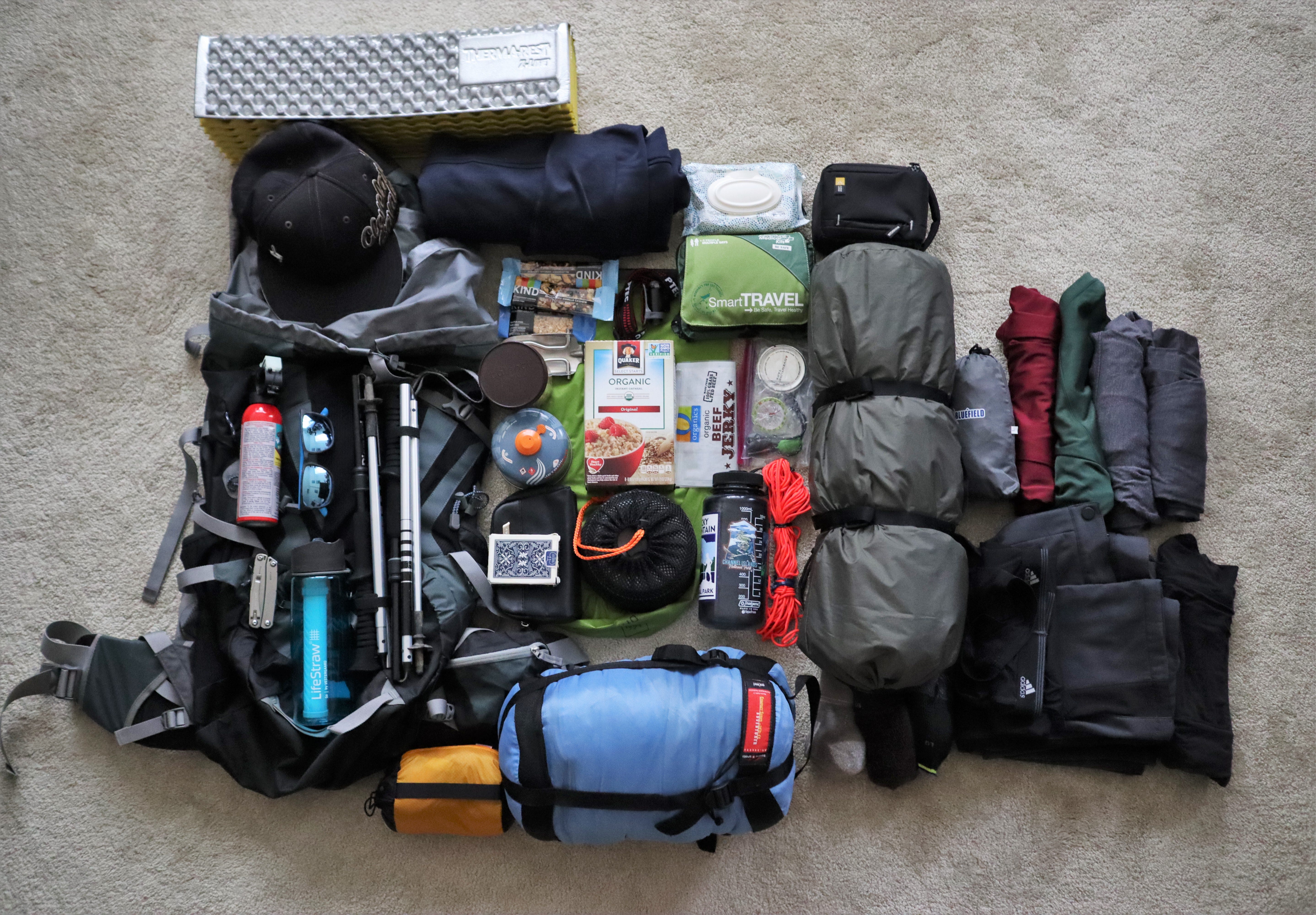
Start by getting your tent clean and dry, then organize its parts and remove extra items.
Cleaning And Drying
Always clean your tent before packing. Dirt and moisture can damage the fabric.
Dry your tent completely to prevent mold and smells.
- Shake off dirt and leaves outside.
- Use a soft brush or cloth to clean stains.
- Air dry your tent fully in a shaded area.
- Check corners and seams for hidden moisture.
Organizing Tent Components
Keep all tent parts together to avoid losing pieces later.
| Component | Storage Tip |
|---|---|
| Tent Body | Fold neatly to save space |
| Poles | Bundle and secure with a strap |
| Stakes | Keep in a small bag or pouch |
| Rainfly | Fold separately to keep dry |
Removing Excess Items
Take out any items that don’t belong in the tent bag.
- Remove trash and food scraps.
- Separate gear that can be packed elsewhere.
- Leave wet clothes or towels out to dry.
- Check pockets and corners for small items.
Folding Techniques For Compactness
Packing a tent neatly saves space in your backpack. Folding your tent correctly keeps it compact and easy to carry.
Good folding techniques also protect your tent fabric from damage. This guide explains simple ways to fold your tent for travel.
Rolling Vs. Folding
Rolling a tent is common and quick. It works well for some types of tents and fabrics.
Folding makes the tent flatter and can save more space. It is better for thicker materials or square-shaped tents.
- Rolling is faster but can trap air inside
- Folding creates a compact, flat shape
- Rolling may cause wrinkles in some fabrics
- Folding takes longer but protects the tent better
Step-by-step Folding Method
Start by laying your tent flat and removing all poles and stakes. Shake out dirt and dry the tent.
Fold the tent in half lengthwise, then fold again until the width matches your backpack space.
- Lay tent flat and clean it
- Fold in half lengthwise
- Fold in half or thirds widthwise
- Fold tightly to reduce air pockets
- Place in storage bag or compression sack
Using Compression Bags
Compression bags squeeze out extra air and reduce tent size. They help keep the tent dry and compact.
After folding the tent, slide it into the compression bag. Tighten the straps to remove air and shrink the bag.
- Fold tent neatly before placing in bag
- Insert tent fully into compression bag
- Pull straps to compress and remove air
- Secure bag to prevent expansion
- Store bag in backpack for easy carrying
Credit: www.trespass.com
Optimizing Backpack Space
Packing a tent in a backpack needs careful planning. You want to use space wisely and keep the load balanced.
This guide covers how to place your tent, balance weight, and use straps outside your pack.
Strategic Placement Of Tent
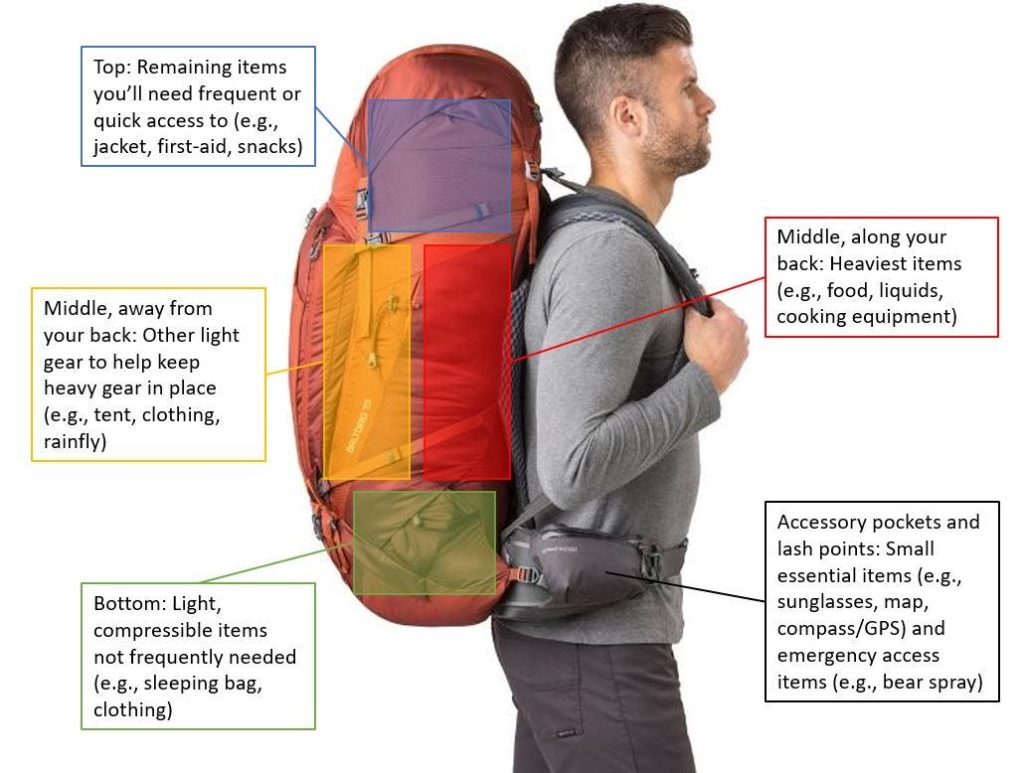
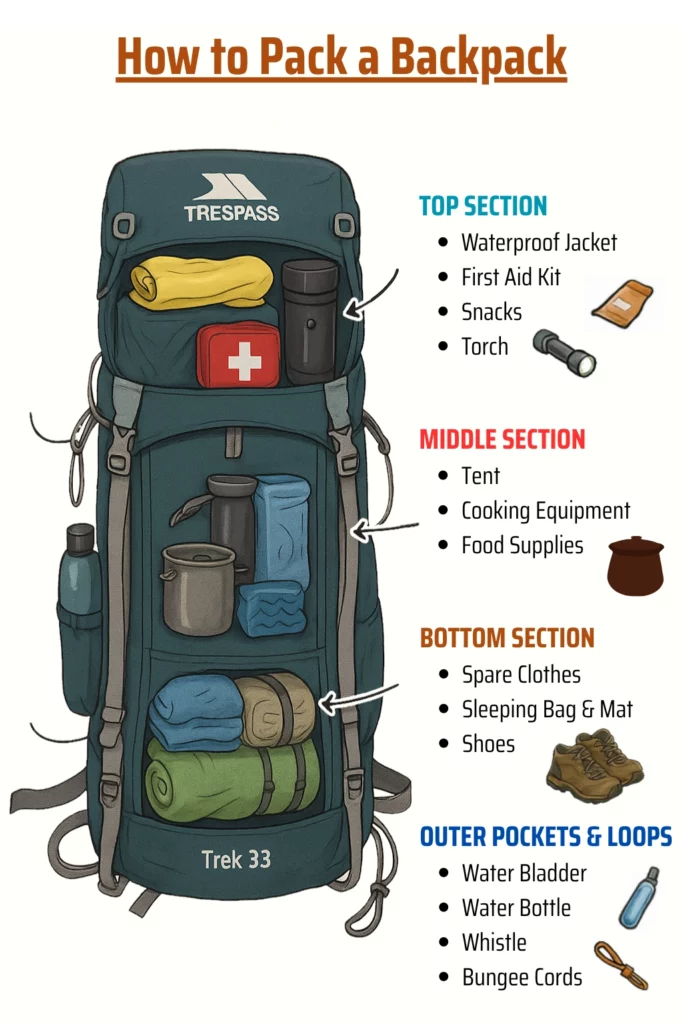
Place the tent where it fits best to save space. Usually, the tent body goes inside the main compartment.
- Put the tent poles in side pockets or narrow spaces.
- Keep the tent bag compact by rolling it tightly.
- Fill small gaps around the tent with other soft items.
- Use waterproof bags to protect the tent from moisture.
Balancing Weight Distribution
Balance the weight for comfort and stability. Heavy items should be close to your back and centered.
| Location in Backpack | Item Example | Reason |
| Near Back | Tent body | Reduces strain on shoulders |
| Bottom | Sleeping bag | Keeps center of gravity low |
| Side Pockets | Poles or stakes | Keeps tent parts separate |
| Top | Light clothes | Easy access and light weight |
Utilizing External Straps
Use external straps to attach bulky tent parts. This frees space inside the backpack.
- Secure the tent poles along the sides with compression straps.
- Attach the tent bag to the bottom using adjustable straps.
- Make sure all straps are tight to avoid swinging.
- Check straps often to keep the load stable.
Additional Packing Tips
Packing a tent in a backpack needs some smart planning. You want to keep the tent safe and easy to reach.
These tips help protect your tent and organize your gear better for camping.
Protecting Tent From Damage
Wrap your tent in a waterproof bag to keep it dry. Use a padded sack or extra clothes to protect the poles.
- Keep sharp items away from the tent fabric
- Store poles separately if possible
- Place the tent at the center of your backpack
- Use a rain cover on your backpack in wet weather
Quick Access Strategies
Keep important items where you can reach them fast. This helps when setting up camp or facing sudden weather changes.
- Put your tent stakes and rainfly in an outer pocket
- Store the tent bag near the top of the backpack
- Use compression straps to secure the tent without blocking access
- Keep a small repair kit in a side pouch
Packing Other Camping Gear
Organize your camping gear for easy packing and balance. Group similar items to save space.
| Item | Packing Tip |
| Sleeping Bag | Compress and place at the bottom |
| Cooking Gear | Store near the top for quick use |
| Clothing | Pack in waterproof stuff sacks |
| Food | Keep in sealed containers away from tent |
Credit: www.reddit.com
Frequently Asked Questions
How Do I Pack A Tent To Save Space In My Backpack?
To save space, fold the tent tightly and roll it with poles and stakes. Use a compression sack to reduce volume. Pack heavier items at the bottom for balance. Keep the tent dry to avoid extra weight from moisture.
What Is The Best Way To Organize Tent Parts In A Backpack?
Organize tent parts by grouping poles, stakes, and fabric separately. Use small bags or pouches to prevent tangling and loss. Place poles alongside the tent to maximize space. Keep stakes accessible for quick setup.
Should I Dry My Tent Before Packing It In A Backpack?
Yes, always dry your tent fully before packing. Moisture causes mildew, bad odors, and damage. If drying isn’t possible, loosely pack the tent for ventilation. Dry it thoroughly at the earliest opportunity.
How Can I Prevent My Tent From Getting Damaged In A Backpack?
Avoid sharp objects near the tent to prevent tears. Use a protective sack or bag for extra safety. Handle poles carefully to avoid bending or breaking. Pack tent fabric away from heavy gear to maintain its shape.
Conclusion
Packing a tent can seem tricky at first. But with practice, it gets easier. Always start by folding the tent neatly. This saves space. Secure the poles and stakes tightly. Use straps to keep everything in place. Remember to distribute the weight evenly.
This helps balance the backpack. Avoid overloading it. A balanced load makes hiking more comfortable. Practice these steps a few times. Soon, you’ll pack your tent like a pro. Enjoy your camping trips with a lighter load. Happy hiking!