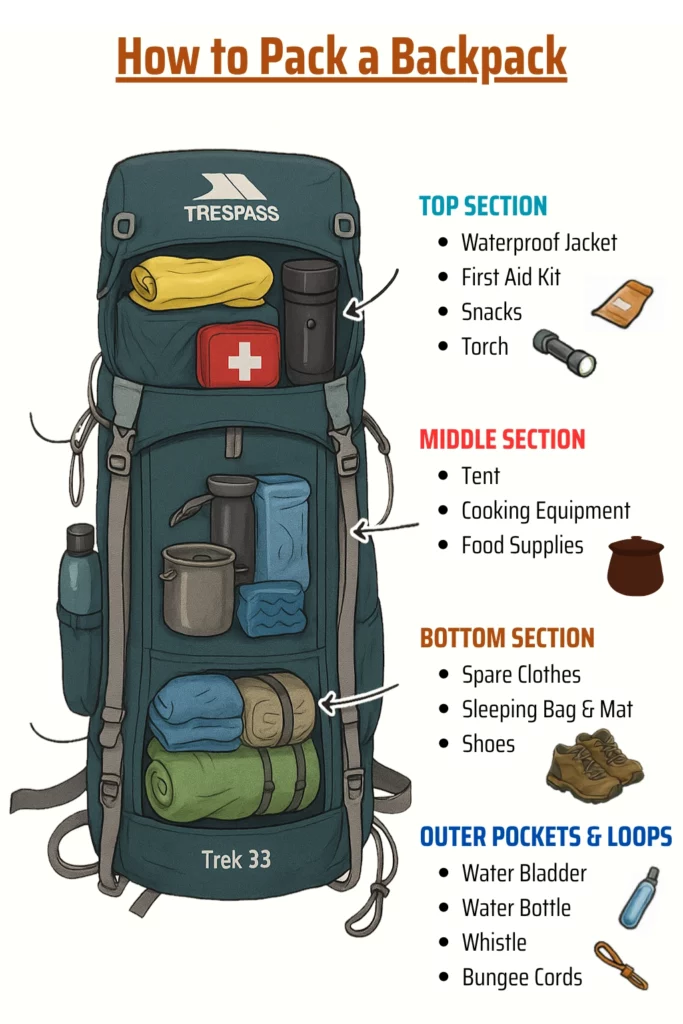
Packing your hiking backpack the right way can make all the difference between a great adventure and a frustrating trek. If you’ve ever felt tired too soon, struggled to find your gear, or ended up with a sore back, this guide is for you.
You’ll learn simple, smart tips to organize your backpack so it feels lighter, keeps you comfortable, and helps you stay prepared for anything on the trail. Keep reading, and you’ll discover how to pack like a pro, making every hike more enjoyable and stress-free.
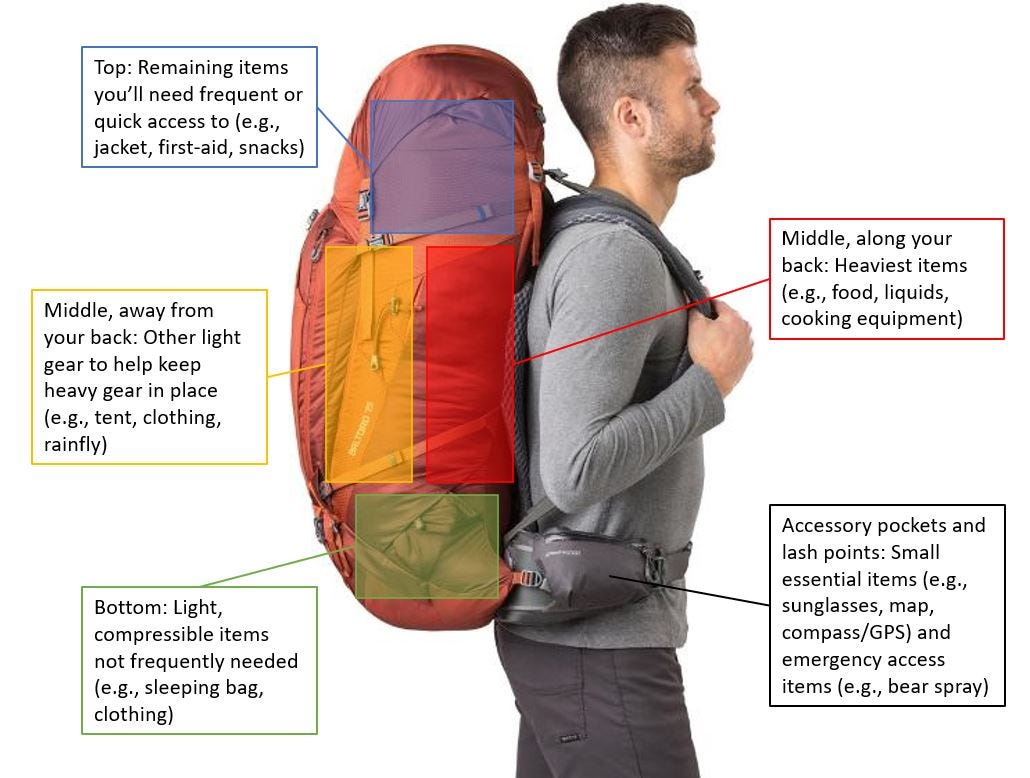
Credit: pangolinswithpacks.com
Choosing The Right Backpack
Packing a hiking backpack starts with picking the right one. The right backpack helps carry your gear comfortably. It also keeps your load balanced.
Choosing the right backpack depends on the type of hike and how long you will be out. You want a pack that fits your body well.
Types Of Hiking Backpacks
There are many hiking backpacks made for different needs. Some are light and small, while others are big with many pockets.
- Daypacks: Small and light for short hikes
- Weekend packs: Medium size for 2-3 days
- Multi-day packs: Large for trips over 3 days
- Technical packs: Designed for climbing or special activities
Capacity And Size
Backpacks come in different sizes measured in liters. The size you need depends on your trip length and what you carry.
| Trip Length | Recommended Capacity (Liters) |
| Day hike | 15-30 L |
| Weekend trip | 30-50 L |
| Multi-day trip | 50-70 L |
| Extended trips | 70+ L |
Fit And Comfort
A backpack should fit your torso length and waist size. Adjustable straps help make the pack snug and stable.
- Look for padded shoulder straps
- Choose a hip belt that fits your hips well
- Check for back padding and ventilation
- Try the backpack with weight before buying
Essential Gear To Pack
Packing a hiking backpack can be an exciting task. You need to ensure you have all the essential gear for a safe and enjoyable adventure.
This guide will help you pack the necessary items for a successful hiking trip. From navigation tools to food, we’ve got you covered.
Navigation Tools
Navigation tools help you find your way and avoid getting lost. Always carry reliable tools with you.
- Map of the area
- Compass for direction
- GPS device
- Fully charged mobile phone
Clothing And Footwear
Proper clothing and footwear keep you comfortable and protect you from the elements. Choose wisely based on the weather and terrain.
| Item | Purpose |
| Waterproof jacket | Stay dry in rain |
| Thermal layers | Keep warm |
| Hiking boots | Support and grip |
| Socks | Prevent blisters |
Shelter And Sleeping Gear
Having the right shelter and sleeping gear ensures you rest well during your hike. It protects you from the weather and wildlife.
- Tent with stakes
- Sleeping bag suitable for the season
- Sleeping mat for comfort
- Lightweight tarp for extra protection
Food And Hydration
Food and hydration are crucial for maintaining energy levels. Pack enough to sustain you throughout your hike.
Consider packing:
- High-energy snacks like nuts and dried fruits
- Lightweight cooking equipment
- Water bottles or hydration system
- Water purification tablets
Packing Techniques
Packing a hiking backpack correctly makes your trip easier and safer. Using smart techniques helps balance weight and find items quickly.
This guide covers three key techniques: weight distribution, organizing by use, and using compression bags. Each helps keep your pack comfortable and efficient.
Weight Distribution
Keep heavy items close to your back and centered in the pack. This balance reduces strain on your shoulders and back.
- Place heavy gear like water and food near the middle of your back.
- Keep medium-weight items above and below the heavy items.
- Store light items, such as clothes, at the top or outer pockets.
- Distribute weight evenly on both sides to avoid leaning.
Organizing By Use
Group items by how often you use them. This helps you find things fast without unpacking everything.
| Item Group | Pack Location |
| Everyday Use | Top or outer pockets |
| Cooking Gear | Bottom compartment |
| Sleeping Bag | Bottom or external straps |
| Clothing | Middle section |
| First Aid and Tools | Side pockets |
Using Compression Bags
Compression bags save space and keep your clothes dry. They make your pack smaller and better organized.
- Put clothes or sleeping bags in the compression bag.
- Seal the bag tightly to remove air.
- Compress the bag by pressing or rolling it.
- Place the compressed bag in the middle or bottom of your pack.
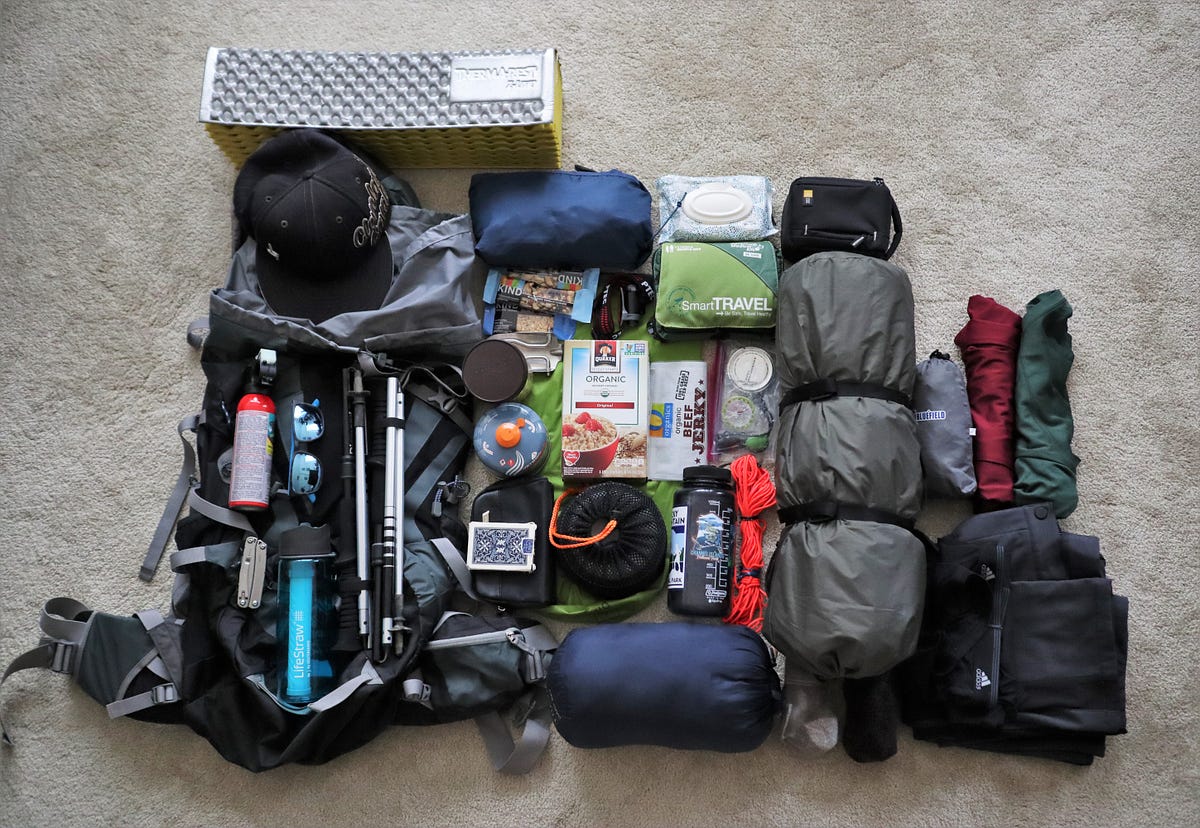
Credit: pangolinswithpacks.com
Safety And Emergency Items
Packing your hiking backpack carefully keeps you safe on the trail. Safety and emergency items help you handle problems fast.
Always carry the right gear to be ready for any situation. These items can protect you and help you stay calm.
First Aid Kit
A first aid kit is a must-have for every hike. It helps you treat cuts, scrapes, and small injuries quickly.
Include bandages, antiseptic wipes, pain relief medicine, and tweezers. Keep the kit in an easy-to-reach pocket.
- Adhesive bandages in different sizes
- Antiseptic wipes or cream
- Pain relievers like ibuprofen
- Tweezers for splinters
- Medical tape and scissors
- Allergy medicine if needed
Emergency Communication
Bring a way to call for help if you get lost or hurt. Phones may not work well in remote areas.
A whistle can signal rescuers, and a personal locator beacon sends your location to emergency teams. Always tell someone your plans.
- Fully charged mobile phone
- Whistle for loud signals
- Personal locator beacon (PLB)
- Two-way radios for group hikes
- Notify a friend or family before hiking
Weather Protection
Weather can change fast while hiking. Pack items to protect yourself from rain, wind, and cold.
Waterproof jackets and extra layers keep you dry and warm. A hat and gloves help in cold weather.
- Waterproof rain jacket or poncho
- Extra warm clothing layers
- Hat to protect from sun and cold
- Gloves for chilly conditions
- Emergency space blanket for warmth
Tips For Reducing Weight
Carrying less weight makes hiking easier and more fun. Packing smart helps you avoid heavy loads. Use good strategies to keep your backpack light.
Focus on what you really need. Choose items that serve more than one purpose. Remove things you can do without. Pick gear that weighs less.
Prioritizing Multi-use Items
Multi-use items save space and weight. Look for gear that can do more than one job. This reduces the number of things you carry.
- Use a bandana for a towel, sunshade, or pot holder
- Choose clothing that works for warm and cool weather
- Carry a pot that can also serve as a bowl
- Pick a jacket that is rainproof and warm
- Bring a knife that can cut, open cans, and help with repairs
Eliminating Non-essentials
Remove items you do not need on your hike. This helps keep your pack light and comfortable. Think about what you really use during the trip.
- Make a list of all items you plan to bring
- Check each item’s importance and use
- Remove duplicates or rarely used items
- Leave behind heavy items that have light alternatives
- Ask yourself if you can do without it
Choosing Lightweight Gear
Light gear helps reduce your pack weight a lot. Look for gear made from light materials. Check the weight before buying.
| Gear Type | Heavy Option | Lightweight Option | Weight Saved |
| Sleeping Bag | Down-filled | Ultra-light synthetic | 1.5 lbs |
| Tent | Double-wall tent | Single-wall tent | 2 lbs |
| Water Bottle | Metal bottle | Plastic bottle | 0.5 lbs |
| Cookware | Heavy aluminum | Titanium | 1 lb |
Maintaining Backpack Balance
Keeping your backpack balanced is important for a safe and comfortable hike. A balanced pack helps you avoid strain and fatigue.
Good packing techniques make walking easier and protect your back and shoulders.
Packing Heavy Items Close To Back
Put heavy items near your back in the middle of the pack. This keeps the weight close to your body.
It helps you stay balanced and reduces stress on your muscles.
- Place heavy gear like water and food near your spine
- Keep heavy items centered, not too high or low
- Distribute weight evenly on both sides
Securing Loose Straps
Tie or tuck in loose straps to stop them from swinging. Loose straps can throw off your balance.
Secure straps keep your pack tight and stable as you move.
- Use strap keepers or clips if available
- Roll excess strap length and fasten it
- Check straps often during the hike
Adjusting Straps For Comfort
Adjust shoulder, chest, and waist straps to fit snugly. Proper fit helps balance the load.
Straps that are too loose or tight cause discomfort and strain.
- Shoulder straps hold the pack close but not pinch
- Chest strap keeps shoulder straps stable
- Waist strap carries most weight on hips
Final Checks Before Hiking
Before you start your hike, it is important to do some final checks. These checks help you carry a safe and comfortable backpack. Taking time now can prevent problems on the trail.
Make sure your backpack is balanced and packed well. Also, review your gear list to confirm nothing is missing. Finally, check the weather and trail conditions to prepare for any changes.
Testing The Packed Backpack
Try on your packed backpack before you leave. Walk around with it to feel the weight and balance. Adjust straps and padding for comfort. Make sure the pack does not shift or rub during movement.
- Check that the weight feels even on both shoulders.
- Make sure the hip belt sits on your hips, not your waist.
- Adjust shoulder straps so the pack stays close to your back.
- Ensure you can easily reach essential items like water and snacks.
Reviewing Gear List
Go over your gear list one last time. Confirm you packed all necessary items. This step helps avoid forgetting important things like maps, first aid kits, or extra clothing.
| Gear Item | Check |
| Water bottle or hydration system | ✓ |
| Food and snacks | ✓ |
| First aid kit | ✓ |
| Map and compass | ✓ |
| Extra clothing layers | ✓ |
| Rain gear | ✓ |
| Headlamp or flashlight | ✓ |
Weather And Trail Considerations
Check the weather forecast before you head out. Look for rain, wind, or temperature changes. Also, learn about the trail conditions such as closures or hazards.
- Dress in layers to adjust to temperature changes.
- Pack rain gear if rain is possible.
- Bring sun protection for hot and sunny days.
- Know if the trail has difficult parts or detours.
- Inform someone about your route and expected return time.

Credit: www.myogtutorials.com
Frequently Asked Questions
How Do I Choose The Right Hiking Backpack Size?
Select a backpack based on trip length and load weight. Daypacks suit short hikes, while larger packs fit multi-day trips. Ensure it fits your torso length and has adjustable straps for comfort and support.
What Items Should I Pack First In A Hiking Backpack?
Pack heavy and bulky items like tents and food near your back. Place lighter items like clothing and sleeping bags toward the top and outside for easy access. This balance improves comfort and stability.
How Can I Distribute Weight Evenly In My Backpack?
Keep heavy items close to your back and centered. Spread medium-weight items around heavy gear and place light items in outer pockets. This distribution prevents strain and improves balance on rough trails.
Should I Waterproof My Hiking Backpack?
Yes, use a rain cover or waterproof bag liners. This protects your gear from rain and moisture during hikes. Waterproofing keeps essentials dry and prevents damage, especially in unpredictable weather.
Conclusion
Packing your hiking backpack well makes your trip safer and more fun. Keep heavy items close to your back for balance. Use all pockets to organize gear for easy access. Always pack only what you need to stay light. Test your pack before the hike to feel comfortable.
Good packing helps you focus on the trail, not the load. Remember, simple and smart packing leads to better hiking days. Enjoy every step with a well-packed backpack!