Packing your sleeping bag the right way can make a big difference in your comfort and space while hiking or camping. If you’ve ever struggled to fit your sleeping bag into your backpack or found it taking up too much room, you’re not alone.
You want to keep your gear organized, save space, and protect your sleeping bag from getting damp or damaged. In this guide, you’ll learn simple, effective tips to pack your sleeping bag quickly and efficiently. By the end, you’ll be ready to maximize your backpack space and enjoy your outdoor adventures without the hassle.
Keep reading to discover how easy it can be!

Credit: www.reddit.com
Choosing The Right Sleeping Bag
Picking the right sleeping bag is key for a good night’s sleep outdoors. It helps keep you warm and comfortable.
Many factors affect your choice, like weather, weight, and size. Learning about these can help you pack better.
Types Of Sleeping Bags
Sleeping bags come in different shapes and styles. Each type fits different needs and climates.
- Mummy bags are snug and keep heat well.
- Rectangular bags offer more space to move.
- Semi-rectangular bags blend warmth with roominess.
- Double bags are for sharing with a partner.
Choose a type that matches your sleeping style and weather conditions.
Material And Weight Considerations
Materials affect warmth, weight, and how easy it is to pack your sleeping bag. Choose wisely for your trip.
- Down fill is light and warm but loses insulation if wet.
- Synthetic fill stays warm even when damp and dries fast.
- Outer fabrics should be durable and water-resistant.
- Lighter sleeping bags make hiking easier.
- Heavier bags may offer more comfort but add bulk.
Balance weight and warmth to match your backpack capacity and trip length.
Credit: pangolinswithpacks.com
Preparing Your Sleeping Bag
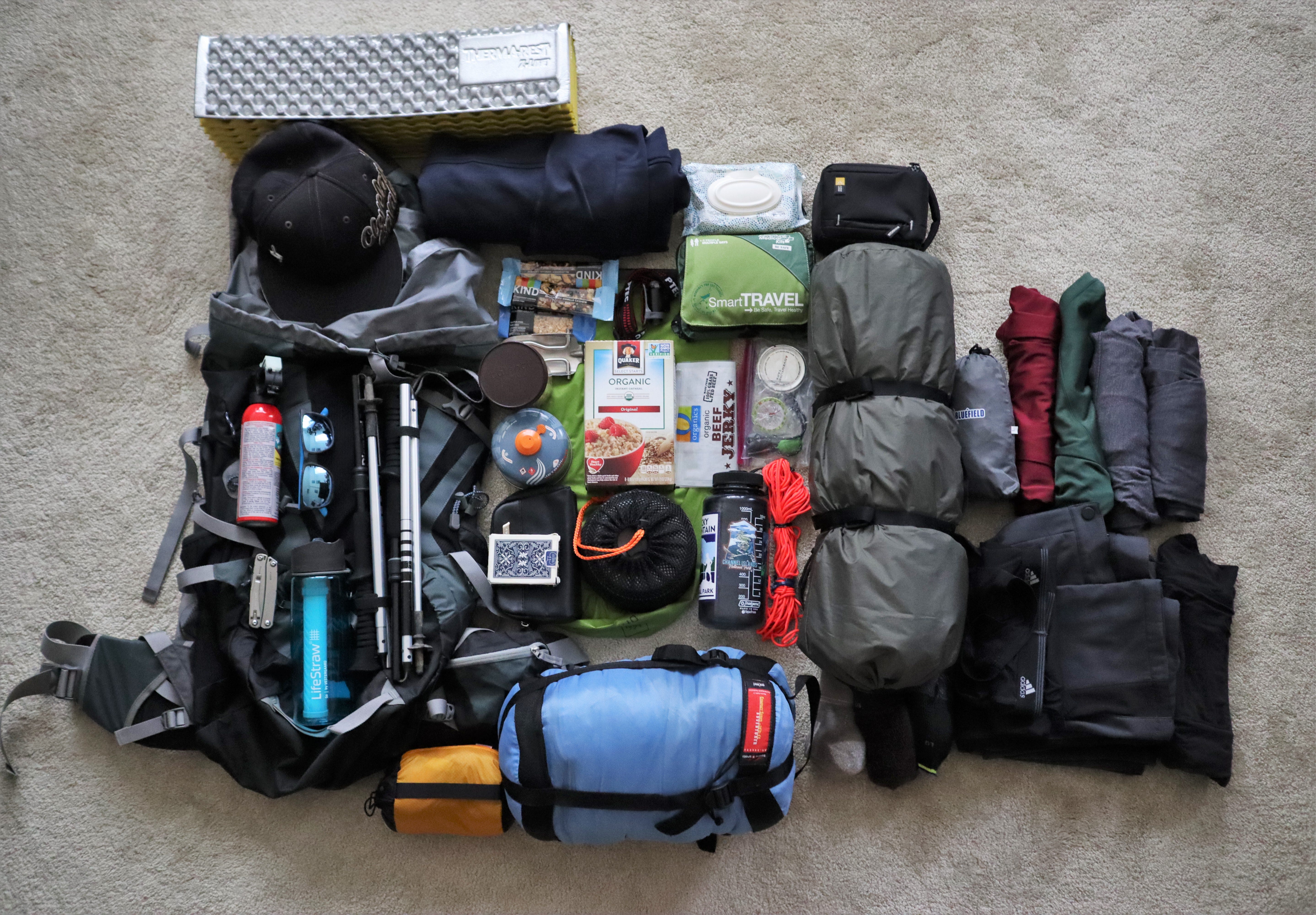
Packing your sleeping bag properly keeps it clean and saves space. It also helps your bag last longer on trips.
Before packing, take time to clean and dry your sleeping bag well. Choose the right packing method to fit your backpack.
Cleaning And Drying
Always clean your sleeping bag after use. Dirt and sweat can damage the insulation and fabric.
- Use a gentle detergent designed for sleeping bags or down gear.
- Wash your bag in a large front-loading washer to avoid damage.
- Rinse thoroughly to remove all soap residues.
- Dry your bag completely before packing to prevent mold and smell.
- Use low heat or air dry in a shaded area.
Rolling Vs. Stuffing Methods
You can pack your sleeping bag by rolling or stuffing it. Each method has its benefits for storage and care.
| Method | Description | Advantages |
| Rolling | Lay the sleeping bag flat and roll it tightly from the foot end. | Easy to compress and keeps shape neat. |
| Stuffing | Push the sleeping bag into the sack without folding or rolling. | Protects insulation and dries faster after use. |
Stuffing is better for down bags to avoid crushing the feathers. Rolling is good for synthetic bags and saves space.
Techniques To Save Space
Packing a sleeping bag in your backpack can be tricky. You want to save space and keep it dry. Using the right techniques helps you carry more gear.
Here are some easy ways to pack your sleeping bag tightly. These tips keep your bag small and protected.
Compression Sacks
Compression sacks squeeze air out of your sleeping bag. They have straps that tighten the sack. This reduces the bag’s size a lot.
Use a compression sack by placing your sleeping bag inside. Pull the straps to push out air. This makes the bag much smaller and easier to pack.
- Choose the right size for your sleeping bag.
- Avoid over-tightening to protect insulation.
- Use the sack to keep the bag organized.
Using Dry Bags
Dry bags keep your sleeping bag safe from water. They also help compress the bag a little. These bags are made of waterproof material.
Put your sleeping bag inside the dry bag. Roll the top tightly to seal out water. Press the bag to remove extra air for a better fit.
- Choose a dry bag size close to your sleeping bag size.
- Use the roll-top closure to keep water out.
- Press the bag to remove air before sealing.
Vacuum Bags For Compactness
Vacuum bags use a pump or vacuum to remove air from the sleeping bag. This makes the bag very small. It is one of the best ways to save space.
Place your sleeping bag inside a vacuum bag. Use a vacuum or pump to suck out the air. This flattens the bag so it fits better in your backpack.
- Use vacuum bags only if you have access to a pump.
- Be careful not to damage the insulation by compressing too much.
- Vacuum bags work best for short trips.
Packing Strategies For Backpacks
Packing a sleeping bag correctly saves space in your backpack. It also helps keep your bag balanced and easy to carry.
Using smart packing strategies makes your trip more comfortable. You will find your gear quickly and hike with less strain.
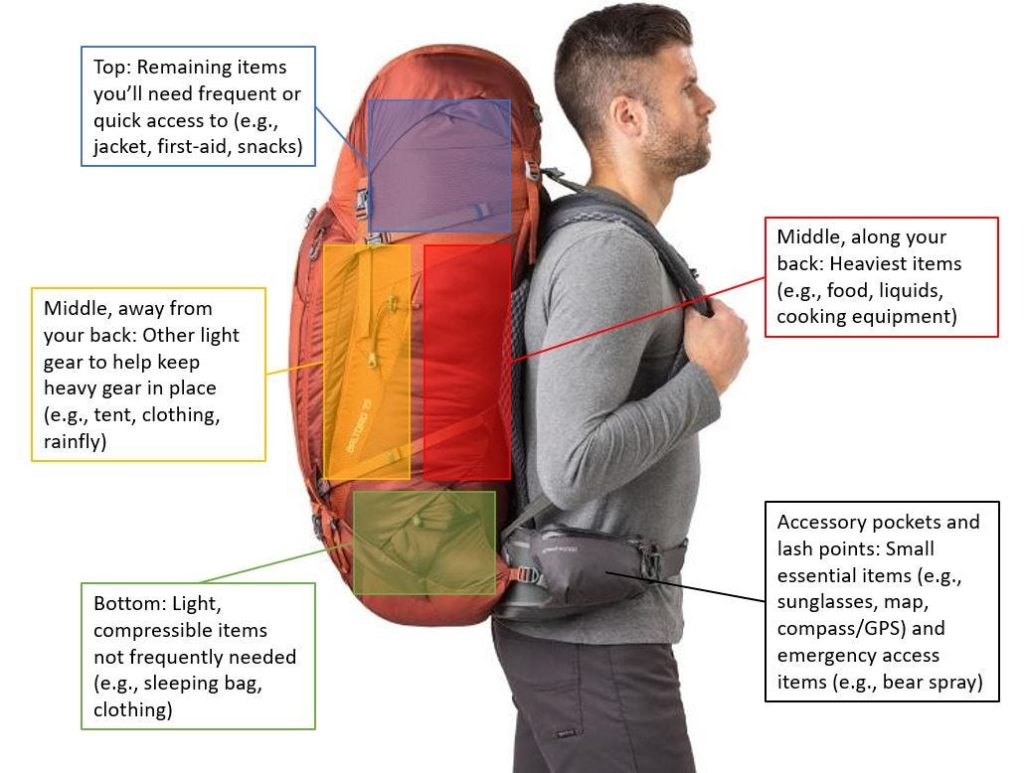
Placement Inside The Backpack
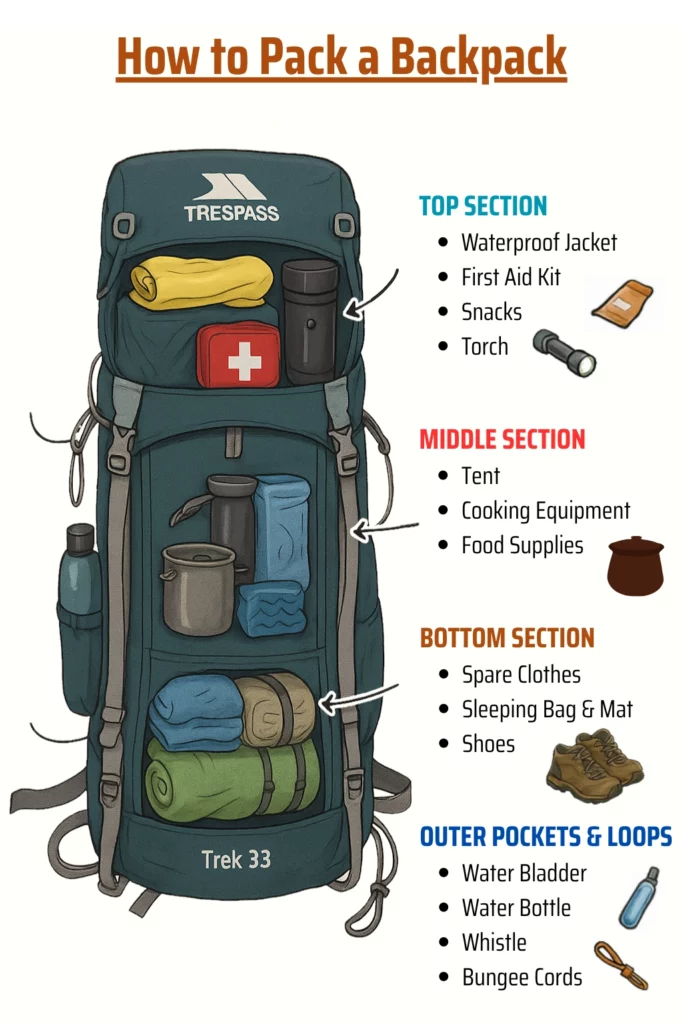
Put your sleeping bag at the bottom of the backpack. This spot fits bulky items and keeps your bag stable.
Keep heavier items near the middle of your back. This helps the backpack feel balanced and easier to carry.
- Place the sleeping bag in the main compartment bottom
- Use compression sacks to reduce size
- Keep lighter items on top or outside pockets
Balancing Weight
Balance weight evenly on both sides of the backpack. This prevents leaning and helps keep your posture straight.
Put heavy gear close to your back and centered. This keeps your body stable and reduces fatigue.
- Place heavy items near your spine
- Distribute medium weight gear evenly
- Keep light items in outer pockets
Accessibility Tips
Pack your sleeping bag where you can reach it easily. This saves time when setting up camp or during cold nights.
Use the backpack’s bottom or side compartments if available. These spots let you take out your sleeping bag without unpacking everything.
- Keep your sleeping bag in a separate compartment
- Use compression sacks with quick-release straps
- Store essential items near the top or side pockets
Additional Tips For Maintenance
Keeping your sleeping bag in good shape helps it last longer. Proper care keeps it warm and comfy for many trips.
Follow simple steps to avoid damage and keep your bag clean and fresh. These tips help protect your gear.
Avoiding Moisture
Moisture can harm your sleeping bag by causing mold and bad smells. Always keep it dry before packing.
- Air out your bag after every use to dry any sweat or dampness.
- Use a waterproof stuff sack to protect it from rain during hikes.
- Do not store your bag in damp places like basements or garages.
- If your bag gets wet, dry it completely before storing it.
Regular Fluffing
Fluffing your sleeping bag keeps the insulation from clumping. This helps it stay warm and soft.
| When to Fluff | How to Fluff |
|---|---|
| After each trip | Shake and gently pat the bag to restore loft |
| During long storage | Take it out monthly and shake to keep the fill loose |
| If bag feels flat | Use your hands to separate clumped insulation |
Storage Between Trips
How you store your sleeping bag affects its life. Use loose storage to keep the insulation healthy.
- Store your bag uncompressed in a large cotton or mesh storage sack.
- Avoid tight stuff sacks for long-term storage to prevent damage.
- Keep the bag in a cool, dry place away from direct sunlight.
- Check the bag occasionally for any signs of moisture or pests.
Credit: www.trespass.com
Frequently Asked Questions
How Do I Pack A Sleeping Bag Efficiently?
To pack a sleeping bag efficiently, start by rolling it tightly from the foot end. Use compression straps to reduce its size. Place it at the bottom of your backpack. This helps in distributing weight evenly and saves space for other essentials.
Always use a waterproof stuff sack if possible.
Can I Compress My Sleeping Bag Too Much?
Yes, compressing your sleeping bag too much can damage its insulation. Over-compression breaks down the fill material, reducing its effectiveness. Use compression sacks carefully. Avoid storing your sleeping bag in a compressed state for long periods. This ensures it retains its loft and warmth when you need it.
Should I Use A Stuff Sack For My Sleeping Bag?
Using a stuff sack for your sleeping bag is recommended. It protects the bag from moisture and dirt. Choose a waterproof and durable stuff sack for better protection. It also helps in compressing the sleeping bag to save space in your backpack.
This keeps your sleeping bag clean and dry.
How To Keep My Sleeping Bag Dry When Backpacking?
To keep your sleeping bag dry, use a waterproof stuff sack. Line your backpack with a trash bag for extra protection. Avoid setting your backpack on wet ground. Always store your sleeping bag in a dry place during breaks. This ensures it remains dry throughout your trip.
Conclusion
Packing your sleeping bag right saves space and keeps it dry. Roll it tightly and use compression straps for a snug fit. Place it at the bottom of your backpack for balance. This way, your bag stays safe and easy to carry.
Practice packing a few times to get faster and better. Enjoy your trip with less hassle and more comfort. Ready for your next adventure? Just pack smart and go!