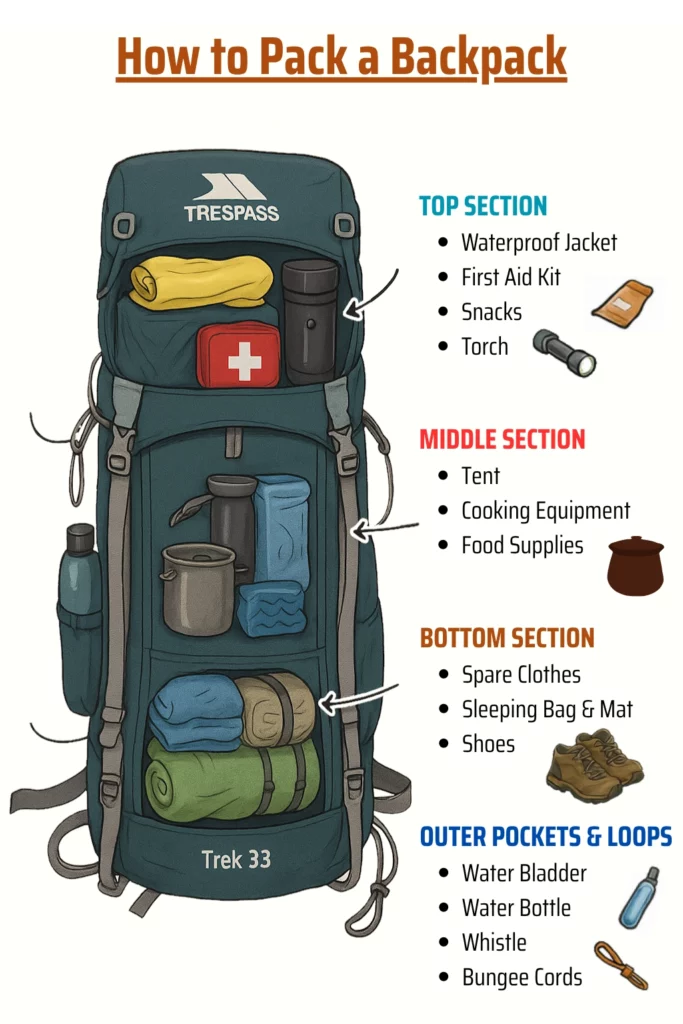
Packing your hiking pack the right way can make or break your adventure. Imagine reaching your favorite trail feeling light, balanced, and ready to enjoy every step—without constant stops to adjust your gear.
You want to avoid sore shoulders, back pain, or digging through a messy pack when you need something fast. In this guide, you’ll discover simple, smart tips to organize your hiking pack for maximum comfort and efficiency. Ready to pack like a pro and hike with confidence?
Let’s get started.
Choosing The Right Pack
Packing a hiking pack starts with picking the right bag. The right pack makes hiking easier and more fun.
Think about your trip needs before choosing your pack. Size, fit, and weight matter most.
Size And Capacity
Choose a pack size that fits your trip length. Small packs suit day hikes. Larger packs work for overnight trips.
Look at the capacity in liters. It shows how much gear the pack holds. Pick one with enough space for your items.
- Day packs: 15 to 30 liters
- Weekend packs: 30 to 50 liters
- Multi-day packs: 50 liters or more
Fit And Adjustability
The pack should fit your torso and hips well. A good fit helps carry weight comfortably. It reduces strain on your back.
Look for adjustable straps. These let you change the fit to your body. Padded hip belts and shoulder straps add comfort.
- Measure your torso length before buying
- Adjust shoulder straps to keep pack close to your body
- Use hip belts to transfer weight to hips
Weight Considerations
The pack’s empty weight matters. A lighter pack means less effort while hiking. Look for packs made from strong, light materials.
Remember, the packed weight includes your gear. Avoid overloading your pack to stay comfortable and safe on trails.
- Check the pack’s weight before purchase
- Balance gear inside to keep the pack stable
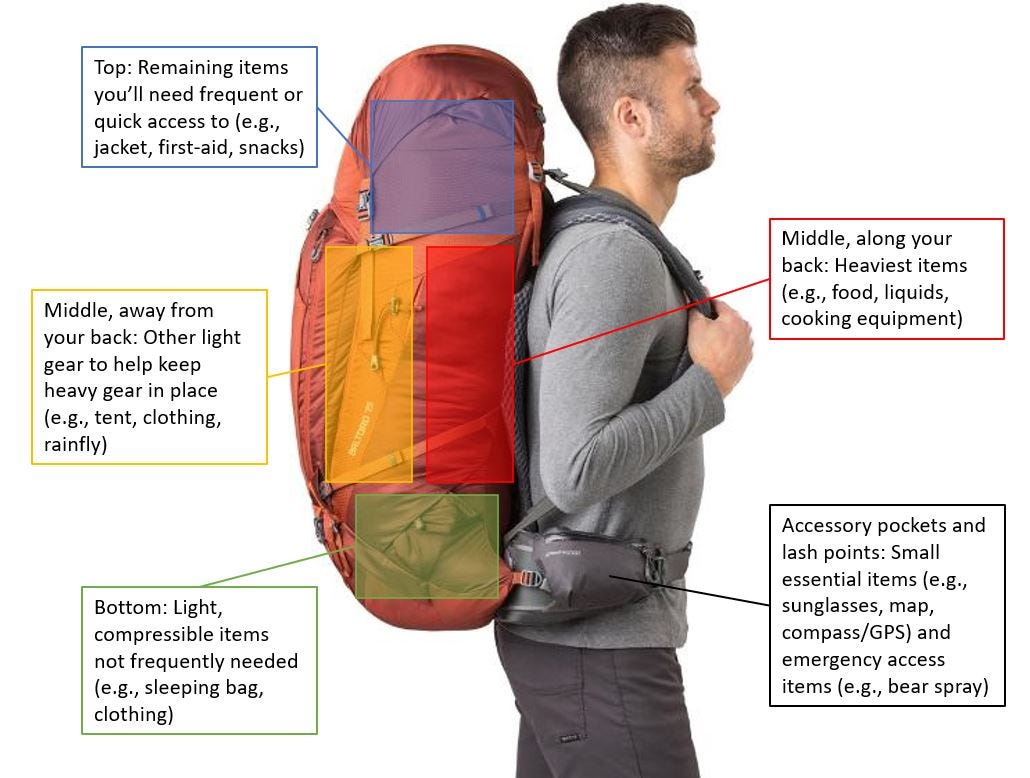
- Keep heavy items close to your back
Credit: pangolinswithpacks.com
Essential Gear To Include
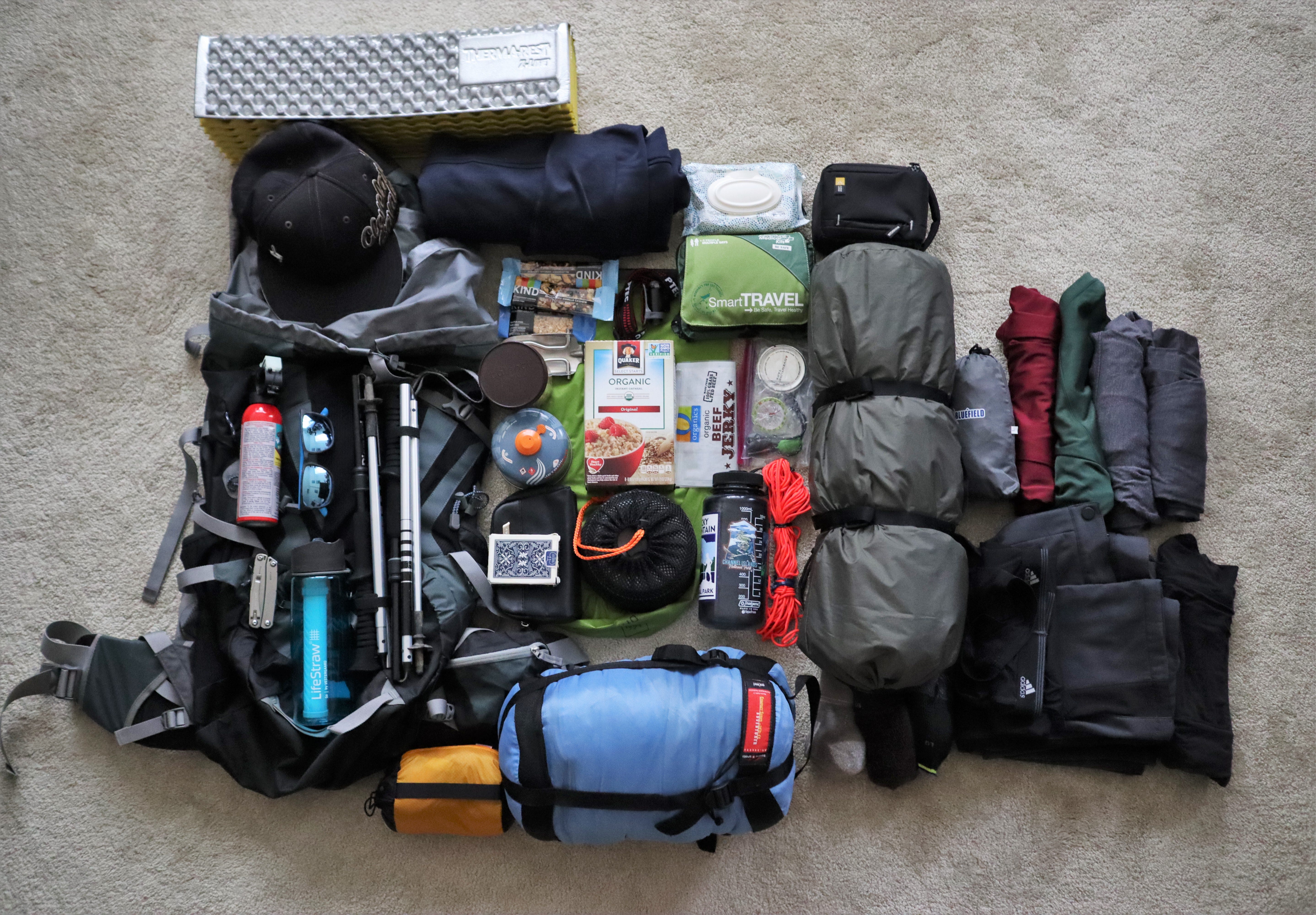
Packing your hiking pack with the right gear is very important. It keeps you safe and comfortable on the trail.
Here are the key items you should always include in your pack for a successful hike.
Navigation Tools
Navigation tools help you find your way and avoid getting lost. Always bring reliable items you know how to use.
- Map of the hiking area
- Compass for direction
- GPS device or smartphone with offline maps
- Extra batteries or power bank
Safety Equipment
Safety gear protects you from injuries and emergencies. Pack items that cover first aid and emergency needs.
- First aid kit with bandages and antiseptic
- Whistle for signaling help
- Multi-tool or knife
- Fire starter such as waterproof matches or lighter
- Emergency blanket to keep warm
Food And Hydration
Bring enough food and water to keep your energy up. Choose easy-to-carry and nutritious snacks.
- Water bottles or hydration bladder
- Water purification tablets or filter
- High-energy snacks like nuts and dried fruit
- Lightweight meals if hiking all day
Clothing Layers
Wear and pack clothes in layers. This helps you adjust to changing weather and stay comfortable.
- Base layer to wick sweat
- Insulating layer for warmth
- Waterproof and windproof outer layer
- Extra socks and hat
Sleeping Gear
If you camp overnight, bring proper sleeping gear. It keeps you warm and helps you rest well.
- Sleeping bag suitable for the weather
- Sleeping pad for comfort and insulation
- Lightweight tent or shelter
- Stuff sack to keep gear dry
Packing Techniques
Packing your hiking pack the right way makes your journey easier. Good packing helps you stay balanced and comfortable.
Learn how to place heavy items, balance weight, use compression bags, and keep things accessible.
Heavy Items Placement
Place heavy items close to your back and near the middle of the pack. This keeps your center of gravity steady.
Examples of heavy items are water, food, and cooking gear.
Balancing Weight
Distribute weight evenly on both sides of your pack. Uneven weight can cause pain and affect your balance.
- Pack similar weight items on each side.
- Keep frequently used items balanced.
- Adjust straps to keep the load tight.
Using Compression Bags
Compression bags save space and keep your gear organized. They reduce the volume of soft items like clothes and sleeping bags.
| Item | Benefit of Compression Bag |
| Sleeping Bag | Takes less space |
| Clothes | Keeps dry and compact |
| Tent Components | Organized and protected |
Accessibility Tips
Keep important items easy to reach. This saves time and effort during your hike.
- Place map and compass in the top pocket.
- Store snacks in side pockets.
- Keep rain gear in an outer compartment.
- Use small bags for quick access items.
Credit: www.reddit.com
Comfort And Support Tips
Packing your hiking pack properly helps you stay comfortable all day. Good support reduces strain on your back and shoulders.
This guide covers how to adjust your pack straps, distribute weight, and use padding for the best fit.
Adjusting Straps Properly
Straps keep your pack close to your body. Adjusting them right prevents pain and improves balance on rough trails.
- Loosen all straps before putting on the pack.
- Tighten the hip belt snugly around your hips, not your waist.
- Pull the shoulder straps until the pack feels close but not tight.
- Adjust the load lifters on top of the shoulder straps to pull the pack inward.
- Fasten the sternum strap across your chest for extra stability.
Distributing Load Evenly
Even weight distribution stops your pack from pulling you backward or sideways. It helps keep your balance.
| Pack Area | Item Type | Placement Tip |
| Bottom | Light items | Place sleeping bag or clothes here |
| Middle (near back) | Heavy items | Put water, food, and stove close to your spine |
| Top | Medium weight | Keep rain jacket or layers here for quick access |
| Outside pockets | Small items | Store map, snacks, and first aid kit |
Padding And Cushioning
Padding protects your body and softens pressure points. Proper cushioning prevents soreness on long hikes.
- Check that shoulder straps have thick, soft padding.
- Use a padded hip belt to support your lower back.
- Add extra foam or gel pads if you feel discomfort.
- Wear a padded shirt or jacket for added comfort.
Maintaining Your Pack
Keeping your hiking pack in good shape helps it last longer. A clean and well-maintained pack works better on every trip.
Regular care stops small problems from becoming big ones. Follow these tips to keep your pack ready for adventure.
Cleaning Tips
Clean your pack after each trip to remove dirt and sweat. Dirt can damage the fabric if left too long.
Use mild soap and warm water. Avoid harsh cleaners that can weaken the material.
- Empty all pockets and compartments.
- Use a soft brush to remove loose dirt.
- Spot clean stains gently with soap and water.
- Rinse well to remove soap residue.
- Air dry your pack away from direct sunlight.
Repair And Upkeep
Check your pack regularly for tears, broken zippers, or loose straps. Fix small issues quickly to avoid bigger damage.
Use repair tape or patches for small holes. Replace broken parts like buckles or straps to keep your pack secure.
- Inspect seams and stitching for wear.
- Sew or patch small holes promptly.
- Lubricate zippers with silicone spray if sticky.
- Replace worn or broken buckles and straps.
- Keep an emergency repair kit with you on hikes.
Storage Best Practices
Store your pack in a cool, dry place. Avoid damp areas to prevent mold and mildew growth.
Keep your pack loosely packed or empty when not in use. This helps it keep its shape and avoid damage.
- Clean and dry your pack before storing.
- Store away from direct sunlight to protect colors.
- Hang your pack or lay it flat to keep shape.
- Avoid heavy items on top of your pack.
- Check your pack regularly during storage.
Credit: pangolinswithpacks.com
Frequently Asked Questions
How Do I Organize Items In My Hiking Pack?
Start with heavy items close to your back and center. Use compartments for easy access. Pack essentials like water and snacks on top.
What Is The Best Way To Balance A Hiking Backpack?
Distribute weight evenly between shoulders and hips. Place heavier gear low and centered. Adjust straps to fit snugly without discomfort.
How Much Weight Should I Carry In My Hiking Pack?
Carry no more than 20-25% of your body weight. Overloading causes fatigue and injury. Pack only necessary items to stay light.
Should I Waterproof My Hiking Pack Contents?
Yes, use waterproof bags or liners inside your pack. Protect electronics, clothes, and food from moisture. This prevents damage during rain or river crossings.
Conclusion
Packing your hiking pack right makes your adventure better. Keep essentials within reach. Distribute weight evenly for comfort. Remember, less is more. Heavy packs slow you down. Prioritize safety items. Water and snacks are vital. Check the weather beforehand. Adjust your pack based on conditions.
Practice packing before the trip. This helps you remember important items. Enjoy the hike with a well-packed bag. Stay prepared. Stay safe. Happy hiking!