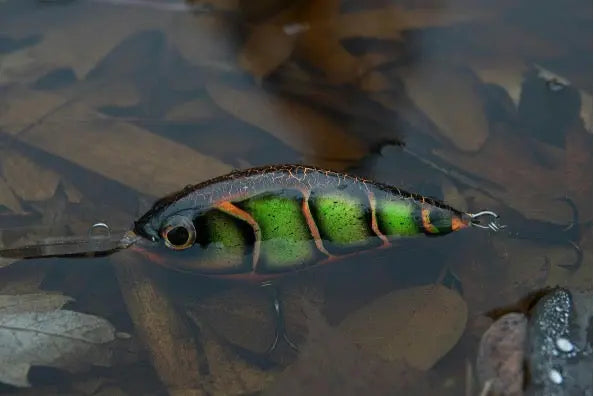
Have you ever looked at a fishing lure and thought, “I could make that look better”? Painting your own fishing lures is a simple way to catch more fish and add a personal touch to your gear.
Imagine creating colors and patterns that attract the exact fish you want. In this guide, you’ll learn easy steps to transform plain lures into eye-catching masterpieces. By the end, you’ll have the skills to make lures that stand out on any fishing trip.
Ready to make your fishing experience more exciting and successful? Let’s dive in!

Credit: www.battlbox.com
Choosing The Right Materials
Painting fishing lures needs the right materials for good results. Using the best items helps the paint last longer and look better.
Picking the correct paints, brushes, and preparing the lure surface are important steps. This guide explains these parts clearly.
Types Of Paints For Lures
Choose paints made for plastic or metal surfaces. Acrylic paints are popular because they dry fast and are easy to use.
Enamel paints give a shiny finish and last long in water. Avoid cheap paints that peel or fade quickly.
- Acrylic paints: fast drying and easy to clean
- Enamel paints: durable and glossy finish
- Spray paints: good for base coats and smooth coverage
- Airbrush paints: allow detailed and smooth designs
Essential Brushes And Tools
Use small, fine brushes for detailed work on lures. Flat brushes help cover larger areas evenly.
Other tools like airbrushes and sponges can create special effects. Keep brushes clean to avoid mixing colors.
- Fine detail brushes for small designs
- Flat brushes for base coats
- Airbrush for smooth and even paint
- Sponges for texture effects
- Masking tape to protect areas
Preparing The Lure Surface
Clean the lure to remove dirt and oil. Use soap and water, then dry it well before painting.
Lightly sanding the surface helps paint stick better. Use fine sandpaper and wipe off dust after sanding.
- Wash lure with soap and water
- Dry completely before painting
- Sand lightly with fine-grit sandpaper
- Remove sanding dust with a clean cloth
Basic Painting Techniques
Painting fishing lures is a fun way to customize your gear. Using the right techniques helps your lure look real and attract fish.
We will cover three key techniques: applying base coats, layering colors, and creating gradient effects. Each step adds depth and interest to your lure.
Applying Base Coats
Start by cleaning the lure to remove dust and grease. Then apply a base coat to give a smooth surface. Use thin, even layers of paint for the best results.
- Choose a color that matches the main tone of your lure.
- Use spray paint or a brush for even coverage.
- Let each coat dry fully before adding another.
- Apply 2 to 3 coats for good coverage.
Layering Colors
Layering adds detail and makes your lure more realistic. Use multiple colors to mimic natural patterns on fish.
| Color Layer | Purpose | Tips |
| First Layer | Basic pattern | Use light colors |
| Second Layer | Details and spots | Use small brushes |
| Third Layer | Highlights | Use bright or metallic paints |
Creating Gradient Effects
Gradients make your lure look natural and eye-catching. Blend colors smoothly from one shade to another.
Tips for Gradient Painting:
- Use an airbrush or sponge for soft blends.
- Start with the lightest color first.
- Work quickly before paint dries.
- Practice on paper before painting the lure.
Design Ideas For Lures
Painting fishing lures can enhance their appeal and effectiveness. With a few creative ideas, you can transform plain lures into eye-catching baits.
Explore different designs to mimic natural environments or stand out in the water. Let’s dive into some popular design ideas.
Natural Fish Patterns
Natural fish patterns help lures blend into aquatic settings. Mimicking these patterns can make your lure look like real prey.
- Study local fish species for accurate patterns.
- Use colors like green, blue, and silver for realism.
- Add details like scales and stripes for authenticity.
Bold And Bright Designs
Bold designs attract fish from a distance. Bright colors and unique patterns can draw attention even in murky waters.
| Color | Use |
| Neon Yellow | Clear Waters |
| Hot Pink | Murky Waters |
| Bright Orange | Deep Waters |
Using Stencils And Decals
Stencils and decals offer precision and creativity. They allow for intricate designs without the need for advanced painting skills.
Detailing And Finishing Touches
Adding details and finishing touches makes fishing lures look more real. These steps help attract fish better.
Use small details like eyes and scales to give your lure character. Finish with shiny elements and sealant for protection.
Adding Eyes And Scales
Eyes make lures look alive and catch fish attention. You can paint or add stickers for eyes.
Scales add texture and depth. Use a fine brush or a stencil to paint scales evenly.
- Paint small black or white dots for eyes
- Use silver or gray paint for scales
- Try a mesh or net to stamp scale patterns
- Let each layer dry before adding details
Using Glitter And Reflective Elements
Glitter and reflective paint catch light and attract fish. Add them lightly to avoid overdoing it.
Apply glitter on wet paint or mix it into clear coat for sparkle. Use reflective tape or foil for shine.
- Use fine glitter for subtle shine
- Apply reflective tape in small strips
- Mix glitter into clear paint for sparkle
- Let glitter dry fully before sealing
Sealing For Durability
Sealing protects paint and adds shine to your lure. Use a clear coat or varnish made for outdoor use.
Apply thin, even layers of sealant. Let each layer dry before adding the next one for best results.
- Choose waterproof clear coat or epoxy resin
- Apply thin coats with a brush or spray
- Allow drying time between coats
- Seal eyes, scales, and glitter carefully
Common Mistakes To Avoid
Painting fishing lures can make them more attractive to fish. But some mistakes can ruin your work. Avoid these errors to get better results.
Knowing what not to do helps you save time and paint lures that work well. Here are common mistakes you should watch out for.
Overloading Paint
Putting too much paint on your lure causes drips and uneven layers. Thick paint takes longer to dry and can peel off easily.
Apply thin coats instead. Let each layer dry before adding another. This gives a smooth and durable finish.
- Use a small brush or airbrush for better control
- Avoid heavy brush strokes
- Wait between coats to prevent runs
Skipping Surface Prep
Painting on a dirty or oily surface makes paint stick poorly. Your lure may chip or peel quickly.
Clean your lure well before painting. Lightly sanding the surface helps paint grip better.
- Wash the lure with soap and water
- Use rubbing alcohol to remove oils
- Sand lightly with fine-grit sandpaper
Ignoring Drying Times
Not waiting long enough between coats can smudge your paint. It can also trap moisture under layers.
Follow the recommended drying times on your paint. Patience helps your lure look neat and last longer.
- Check paint instructions for drying time
- Dry in a dust-free area
- Allow extra time if the weather is humid

Credit: www.lurenet.com
Caring For Painted Lures
Painting fishing lures adds a personal touch and can attract more fish. Caring for these painted lures keeps them looking good and lasting longer.
Proper care includes storing them safely, cleaning after use, and protecting the paint from damage. This guide helps you maintain your painted lures well.
Storage Tips
Store painted lures in a dry, cool place to prevent paint from peeling or fading. Avoid direct sunlight and high humidity.
- Use tackle boxes with separate compartments to avoid scratches
- Keep lures away from strong chemicals or solvents
- Wrap delicate lures in soft cloth or foam for extra protection
- Check stored lures regularly for any signs of damage
Cleaning Painted Lures
Cleaning painted lures after each fishing trip removes dirt and salt that can harm the paint. Use mild soap and water with a soft cloth or brush.
Rinse lures well and dry them completely before storage. Avoid using harsh chemicals that can strip the paint.
Maintaining Paint Longevity
| Action | Benefit |
|---|---|
| Apply clear coat or sealant | Protects paint from chipping and water damage |
| Handle lures gently | Prevents scratches and paint loss |
| Repaint worn areas | Keeps lures looking fresh and effective |
| Avoid dropping or banging | Reduces paint cracks and chips |

Credit: www.battlbox.com
Frequently Asked Questions
How Do I Prepare Fishing Lures For Painting?
Clean the lure thoroughly to remove dirt and oils. Sand the surface lightly for better paint adhesion. Use a primer if the lure is plastic or metal. Ensure the lure is dry before applying paint to achieve a smooth finish.
What Types Of Paint Work Best On Fishing Lures?
Acrylic paints are ideal due to their durability and quick drying. Enamel paints also work well for metal lures. Use waterproof and non-toxic paints to ensure safety and longevity in water.
How Many Coats Of Paint Should I Apply On Lures?
Apply 2 to 3 thin coats of paint for even coverage. Allow each coat to dry completely before adding the next. Thin layers prevent paint from chipping or peeling during fishing.
How Can I Protect The Paint On Fishing Lures?
Use a clear waterproof sealant or epoxy resin to coat the lure. This protects the paint from water damage and abrasion. Apply the sealant evenly and let it cure fully before use.
Conclusion
Painting fishing lures takes patience and simple steps. Choose colors that attract the fish you want. Use thin layers for a smooth finish. Let each layer dry before adding more paint. Seal your work to protect the design. Practice will help you improve your skills.
Enjoy creating lures that stand out on the water. Your custom paint can make fishing more fun and personal. Keep experimenting with colors and patterns. Happy fishing!