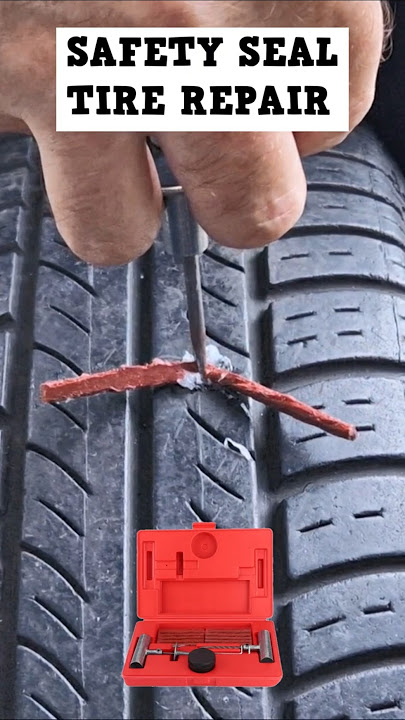
A flat tire can strike at the worst moments, leaving you stuck and frustrated. But what if you could fix it yourself quickly and save both time and money?
Knowing how to patch a car tire is a skill that puts you in control and gets you back on the road fast. In this guide, you’ll discover simple, step-by-step instructions to repair your tire safely and effectively. Keep reading, and you’ll learn exactly what to do the next time you face a flat—no mechanic needed.

Credit: www.amazon.ca
Tools And Materials Needed
Patching a car tire needs specific tools and materials. Having the right items makes the job easier and safer.
This guide lists all essential tools and materials you need to patch a tire properly.
Basic Tools
These tools help you remove the tire and prepare it for patching.
- Tire iron or lug wrench to remove the wheel
- Jack to lift the car safely
- Valve core remover to release air from the tire
- Wire brush to clean the puncture area
- Rasp tool to roughen the puncture hole
Patching Materials
You need special patching materials to seal the puncture and keep the tire airtight.
| Material | Purpose |
| Tire patch | Covers and seals the puncture hole |
| Rubber cement or vulcanizing glue | Bonds the patch to the tire surface |
| Chalk or marker | Marks the puncture spot clearly |
| Sandpaper (optional) | Smooths the tire surface for better adhesion |
Safety Gear
Wear safety gear to protect yourself during the repair process.
- Gloves to protect your hands from sharp objects and chemicals
- Safety glasses to shield your eyes from debris
- Work clothes to avoid damage to your regular clothing

Credit: www.youtube.com
Locating The Leak
Finding the leak in a car tire is the first step to patch it. You need to check carefully to spot where the air escapes.
Two main ways help you locate the leak: looking closely at the tire and using soapy water to find bubbles.
Visual Inspection
Look closely over the tire surface for any signs of damage. Check the sidewalls and tread for nails, cuts, or cracks.
- Remove dirt and debris from the tire surface.
- Look for sharp objects stuck in the tread.
- Check for any cracks or holes on the sidewall.
- Press lightly on suspicious areas to feel for soft spots.
- Inspect the valve stem for damage or leaks.
Using Soapy Water
Soapy water helps you see bubbles where air leaks from the tire. This method works well for small or hard-to-find holes.
| Materials Needed | How to Apply |
|---|---|
| Water and dish soap | Mix soap and water in a spray bottle or bowl. |
| Spray bottle or sponge | Apply the soapy water evenly on the tire surface. |
| Visual check | Watch closely for bubbles forming on the tire. |
Spray the soapy water on the tire and wait a few minutes. Bubbles will appear at the leak point. Mark the spot for patching later.
Preparing The Tire
Before patching a car tire, you need to prepare it well. Proper preparation helps the patch stick and last longer.
Preparing includes removing the tire and cleaning the damaged area carefully. These steps make the repair easier and safer.
Removing The Tire
Take the tire off the car before patching. This gives you full access to the inside and outside of the tire.
Use a jack to lift the car safely. Then, use a wrench to remove the lug nuts and take off the tire.
- Park the car on a flat surface
- Use a jack to lift the car
- Remove the lug nuts with a wrench
- Take the tire off the wheel hub
Cleaning The Area
Clean the tire area around the puncture well. Dirt or oil can stop the patch from sticking properly.
Use a wire brush or sandpaper to remove dirt and roughen the surface slightly. Then wipe with a clean cloth.
- Remove dirt and debris with a brush
- Lightly sand the area around the hole
- Wipe the area with a clean, dry cloth
- Ensure the surface is dry before patching
Applying The Patch
Applying a patch to a car tire is an important step to fix a puncture. Doing it right makes the tire safe to use again.
This process involves preparing the tire surface, applying adhesive, and placing the patch carefully.
Scuffing The Surface
First, clean the area around the hole. Remove any dirt or debris to ensure the patch sticks well.
Use sandpaper or a scuffer tool to roughen the surface slightly. This helps the adhesive bond better.
Applying Adhesive
Spread a thin layer of adhesive over the scuffed area. Cover the patch size plus a small margin around it.
Let the adhesive dry until it feels sticky but does not transfer to your finger.
Placing The Patch
Carefully place the patch over the adhesive. Press firmly from the center outward to remove air bubbles.
- Make sure the patch covers the hole completely
- Apply pressure for a few minutes to secure the patch
- Allow the patch to cure according to adhesive instructions
Reinstalling The Tire
After patching the tire, you need to put it back on the car. Reinstalling the tire is important for safety and proper driving.
Make sure the tire is clean and the patch is dry before reinstalling. This will help the tire hold air well.
Inflating The Tire
Use an air pump to fill the tire with air. Check the recommended pressure on your car’s door or tire sidewall.
Do not overinflate the tire. Too much air can cause damage or make the ride uncomfortable.
- Attach the air pump nozzle to the valve stem
- Pump air slowly and steadily
- Use a pressure gauge to check the pressure
- Stop inflating when the correct pressure is reached
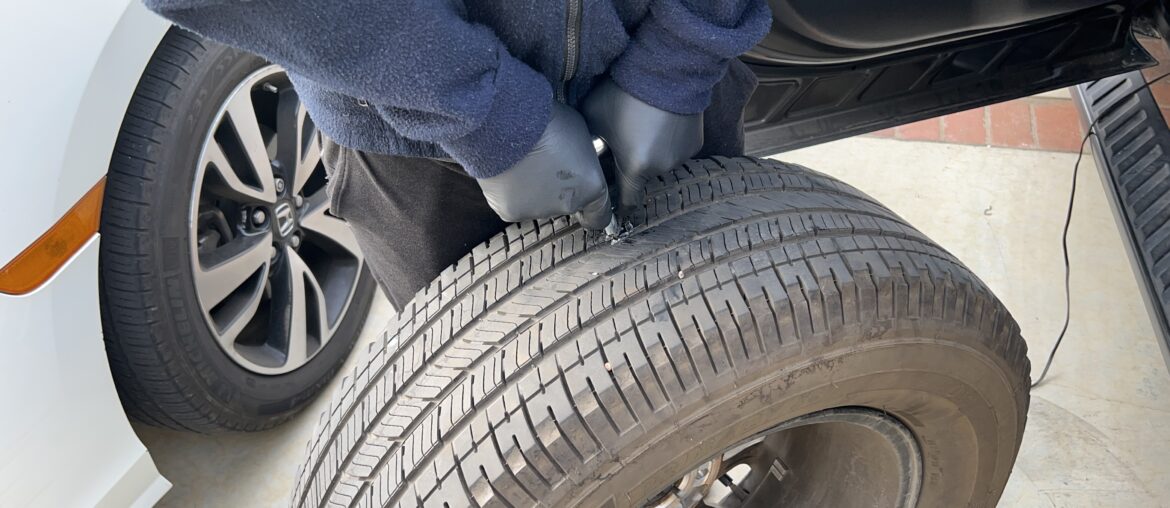
Checking For Leaks Again
After inflating, check the tire for leaks. Leaks can cause the tire to lose air quickly.
Spray soapy water on the patched area and valve. Look for bubbles that show escaping air.
- Apply soapy water to the patch and valve
- Watch for any bubbles forming
- If bubbles appear, the patch may not be sealed
- Fix any leaks before using the tire on the road
Credit: thetrackahead.com
Safety Tips And Precautions
Patching a car tire can save you money and time. It is important to follow safety tips to avoid injury.
Use the right tools and work in a safe place. Always take precautions to protect yourself.
Work On A Flat, Stable Surface
Park your car on a flat, stable surface before starting. This stops the car from moving while you work.
Use wheel chocks or blocks to keep the car from rolling.
- Park on concrete or asphalt
- Apply parking brake firmly
- Place wheel chocks on opposite wheels
Wear Protective Gear
Wear gloves to protect your hands from sharp objects. Use eye protection to guard against debris.
Long sleeves and closed-toe shoes help keep your skin safe.
- Use sturdy gloves
- Wear safety glasses
- Wear long sleeves and closed shoes
Use Proper Tools
Choose tools made for tire repair. Using the wrong tools can cause accidents or damage.
Check tools for damage before starting your repair work.
- Use a tire plug kit or patch kit
- Check for sharp or broken tools
- Have a jack and lug wrench ready
Deflate The Tire Safely
Before patching, release all air from the tire. This stops the tire from spinning or moving.
Be careful when pressing the valve to avoid sudden air bursts.
- Remove valve cap gently
- Press valve to release air slowly
- Wait until the tire is fully deflated
Avoid Working Near Traffic
Do not patch a tire on the side of a busy road. Move your car to a safe place away from traffic.
If you must work near traffic, use warning signs and wear reflective clothing.
- Find a quiet parking lot or driveway
- Set up warning triangles if near a road
- Wear a reflective vest or bright clothes
Check For Tire Damage Before Patching
Inspect the tire carefully. Do not patch if the sidewall is cut or if the damage is too large.
Only patch small holes in the tread area to keep safe driving.
- Look for cracks, cuts, or bulges
- Do not patch sidewall damage
- Patch only punctures smaller than 1/4 inch
Common Mistakes To Avoid
Patching a car tire can save time and money. Yet, many people make errors that cause the repair to fail.
Knowing these common mistakes helps you fix your tire safely and effectively.
Using The Wrong Patch Size
Choosing a patch that is too small or too large weakens the repair. The patch should fully cover the hole with some extra margin.
Not Cleaning The Area Properly
Dirt and debris stop the patch from sticking well. Clean the damaged area using a tire buffer or sandpaper before applying the patch.
Skipping The Vulcanizing Glue
Some try to apply the patch without glue, which causes leaks. Always use vulcanizing glue or rubber cement as directed.
Patching Sidewall Punctures
Sidewall damage is unsafe to repair with a patch. Patching here can lead to tire failure. Replace the tire if the sidewall is punctured.
Not Checking For Additional Damage
Only fixing the visible hole ignores other potential problems. Inspect the tire inside and out for cracks, cuts, or weak spots.
Failing To Follow Proper Curing Time
Removing the tire or driving too soon after patching can break the seal. Let the patch cure as instructed by the glue manufacturer.
Not Inflating The Tire To Correct Pressure
Under or over-inflated tires can cause patch failure or uneven wear. Use a pressure gauge to inflate the tire to the recommended level.
Common Mistakes Checklist
- Using a patch that is too small or too big
- Failing to clean the puncture area before patching
- Applying patch without vulcanizing glue
- Patching sidewall punctures instead of replacing tire
- Ignoring additional damage inside or outside the tire
- Removing tire or driving before glue cures fully
- Not inflating tire to correct pressure after repair
When To Seek Professional Help
Patching a car tire can save you time and money. Some tire damage is easy to fix at home. Other problems need a professional’s attention.
Knowing when to get help avoids safety risks. It also keeps your car running smoothly.
Severe Tire Damage
If the tire has large cuts or holes, do not try to patch it yourself. Deep cracks or sidewall damage make the tire unsafe. A professional can check if the tire needs replacement.
Multiple Punctures Or Worn Tires
When a tire has many punctures or is very worn out, patching may not work well. A tire expert can inspect the tread and overall condition. They will advise if a new tire is necessary.
Tire Pressure Problems After Patching
- The tire loses air quickly after patching.
- You notice uneven tire pressure on your dashboard.
- The patched area feels weak or damaged.
These signs mean the patch may not be enough. A professional can find hidden leaks or other issues.
Lack Of Tools Or Experience
If you do not have proper tools or know how to patch a tire, it is safer to visit a tire shop. Incorrect patching can cause accidents.
| Tool | Purpose |
|---|---|
| Tire Plug Kit | Seal small punctures |
| Patch Kit | Fix larger holes from inside |
| Tire Pressure Gauge | Check air pressure |
| Air Compressor | Inflate tire |
Frequently Asked Questions
How Do I Know If My Tire Needs Patching?
Check for visible punctures, slow leaks, or nails embedded in the tire. If the damage is small and on the tread, patching is possible. Sidewall damage requires tire replacement. Use a tire pressure gauge to monitor pressure regularly for leaks.
What Tools Are Required To Patch A Car Tire?
You need a tire repair kit, which includes a rasp tool, insertion tool, rubber plugs, and adhesive. Additionally, a jack and lug wrench are necessary to remove the tire. A tire pressure gauge helps ensure proper inflation after patching.
Can I Patch A Tire Myself Safely?
Yes, you can patch a tire safely if the damage is minor and on the tread. Follow instructions carefully and ensure the tire is clean and dry. If unsure, consult a professional to avoid safety risks while driving.
How Long Does A Tire Patch Last?
A properly applied tire patch can last several years, often the life of the tire. However, regular inspections are essential to ensure the patch remains intact and effective. Replace the tire if leaks reoccur or damage worsens.
Conclusion
Patching a car tire is a useful skill to save time and money. Start by finding the hole and cleaning the area well. Use the right patch kit and follow each step carefully. Check the tire pressure after fixing it.
Remember, a patched tire works best for small punctures only. Always inspect your tires regularly for safety. Practice this process to feel more confident on the road. Stay safe and keep your tires in good shape. Simple care can extend your tire’s life a lot.
Try patching your tire next time to avoid delays.