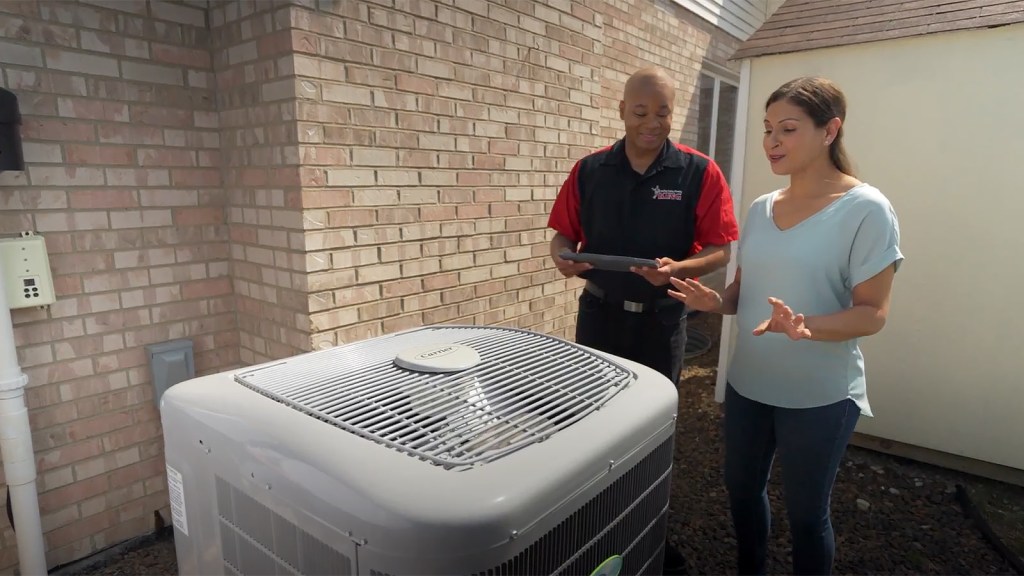
Is your air conditioner giving out just when you need it most? Replacing it can feel overwhelming, especially when you’re worried about the cost.
But don’t let that stress stop you from staying cool and comfortable. You’ll discover simple, practical ways to pay for your air conditioner replacement without breaking the bank. Keep reading, and you’ll find smart tips that make the process easier—and your wallet happier.
Cost Factors For Ac Replacement
Replacing an air conditioner involves several costs. Knowing these helps you budget well. This guide covers key price factors for AC replacement.
We will look at unit price variations, installation expenses, and additional repair costs. Each affects the total amount you pay.
Unit Price Variations
The price of an AC unit changes based on size, brand, and energy rating. Larger units cost more because they cool bigger spaces.
- Small units (up to 1.5 tons) are cheaper.
- Medium units (1.5 to 3 tons) have moderate prices.
- Large units (above 3 tons) are the most expensive.
- High-efficiency models cost more upfront but save energy.
Installation Expenses
Installation costs depend on labor, complexity, and materials. Some setups need new ducts or electrical work.
| Installation Aspect | Typical Cost Range |
| Basic installation | $300 – $600 |
| New ductwork | $1,000 – $3,000 |
| Electrical upgrades | $500 – $1,200 |
| Removal of old unit | $100 – $300 |
Additional Repair Costs
Extra repairs can add to the total cost. These include fixing leaks, replacing thermostats, or repairing duct damage.
- Refrigerant leak repair
- Thermostat replacement
- Duct sealing or repair
- Electrical wiring fixes
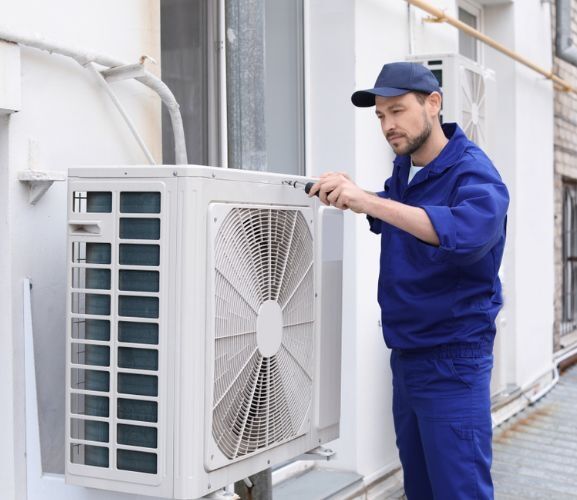
Credit: bossplumbingltd.com
Budgeting For Your New Ac
Replacing your air conditioner needs careful budgeting. Knowing costs helps you plan better. It avoids surprises and stress.
Start with clear estimates and keep extra funds ready. This guide helps you manage your budget well.
Estimating Total Costs
The total cost includes more than just the price of the AC unit. Installation and additional parts add to the bill.
| Cost Item | Typical Price Range |
|---|---|
| Air Conditioner Unit | $1,500 – $4,000 |
| Installation Labor | $500 – $1,200 |
| Additional Parts (ductwork, wiring) | $200 – $1,000 |
| Removal of Old Unit | $100 – $300 |
Prices vary by brand, size, and complexity of your home system. Get multiple quotes to find the best deal.
Setting Aside Emergency Funds
Extra money for emergencies is smart. Unexpected problems can raise costs.
- Set aside 10% to 20% of the total estimate.
- Use this fund only for urgent repairs or changes.
- Keep the emergency fund separate from your main budget.
- Review the fund after the project to refill it for future use.
Financing Options To Consider
Replacing an air conditioner can be expensive. Many people need to find ways to pay for it without using all their savings.
There are several financing options that can help you manage the cost. Each option has different benefits and costs.
Personal Loans
Personal loans come from banks or credit unions. You borrow a fixed amount and pay it back over time with interest.
These loans usually have fixed interest rates and set monthly payments. They can be good if you want clear costs.
- Loan amounts vary based on credit score
- Terms usually range from 1 to 5 years
- Interest rates depend on credit history
- No need to use your home as collateral
Credit Cards
Credit cards let you borrow money up to a limit. You pay at least the minimum balance monthly and interest on the rest.
Some credit cards offer 0% interest for a limited time. This can help if you pay off the balance quickly.
- Easy to use for small to medium costs
- Higher interest rates after promotional period
- Check your credit limit before use
- Can help build credit with timely payments
Home Equity Loans
Home equity loans use your house as security. You borrow a lump sum and repay with fixed monthly payments.
These loans often have lower interest rates than personal loans. But failing to pay can risk losing your home.
- Best for homeowners with equity in their home
- Long repayment terms, often 5 to 15 years
- Interest may be tax-deductible in some cases
- Requires home appraisal and approval process
Manufacturer Financing
Some air conditioner makers offer financing deals. These can include low or no interest for a period.
These options can be simple to use but read the terms carefully. Late payments may cause high fees.
- May include special discounts or promotions
- Usually requires credit approval
- Terms vary by manufacturer and dealer
- Good for buyers who want quick approval

Credit: www.furnaceprices.ca
Government And Utility Rebates
Replacing your air conditioner can be costly. Some programs help lower these costs. Government and utility rebates offer financial help for energy-efficient units.
These rebates encourage homeowners to pick models that save energy. This lowers bills and helps the environment.
Energy-efficient Incentives
Many rebates focus on air conditioners with high energy efficiency ratings. These incentives reduce the purchase price or provide cash back after installation.
- Federal tax credits for ENERGY STAR certified units
- State rebates for installing high SEER rating systems
- Cash incentives for using smart thermostats with your new AC
- Discounts on energy audits before replacement
Local Program Availability
Rebate programs vary by location. Some utility companies offer special deals to their customers. Local governments may have their own funding.
| Region | Utility Provider | Rebate Amount |
| California | PGE | $200 – $500 |
| Texas | Oncor | $150 – $400 |
| New York | Con Edison | $100 – $350 |
| Florida | Florida Power & Light | $180 – $450 |
Choosing The Right Financing Plan
Replacing an air conditioner can be costly. Choosing the right financing plan helps manage these costs.
Good financing plans make payments easier and fit your budget. Learn to compare plans carefully.
Interest Rates Comparison
Interest rates affect how much extra you pay. Lower rates save money over time.
Look for fixed or variable rates. Fixed rates stay the same. Variable rates can change.
- Check the Annual Percentage Rate (APR)
- Compare rates from different lenders
- Ask if rates increase after a period
Repayment Terms
Repayment terms tell how long you have to pay back. Shorter terms mean higher payments but less interest.
Longer terms lower monthly payments but cost more in interest. Choose what fits your budget best.
- Check the length of the loan
- Confirm monthly payment amounts
- Ask if early repayment has penalties
Hidden Fees To Watch
Some financing plans have hidden fees. These can increase your total cost without warning.
Look for fees like application charges, late payment fees, and prepayment penalties.
- Ask about all fees before signing
- Read the fine print carefully
- Keep a copy of your agreement
Tips For Managing Financing Responsibly
Replacing an air conditioner can be costly. Financing helps spread out payments over time. It is important to manage this money wisely.
Good financial habits keep your payments on track. They also protect your credit and avoid extra fees. Here are tips to help you stay responsible.
Avoiding Debt Traps
Debt traps happen when you borrow more than you can repay. High interest rates and fees can make debt grow fast. Avoid borrowing too much money.
Only finance what you need and can pay back on time. Read all loan terms before signing. Watch out for hidden fees or penalties.
- Set a budget before applying for financing
- Choose loans with low interest rates
- Ask questions about any unclear charges
- Make a plan to pay off your balance quickly
Maintaining Good Credit
Good credit helps you get better loan offers. It shows lenders you pay bills on time. Keep your credit score healthy by managing debt carefully.
Check your credit report regularly to spot errors. Avoid opening many new credit accounts at once. Keep credit card balances low.
- Pay bills before their due dates
- Limit credit applications
- Keep old accounts open if possible
- Use credit cards wisely and sparingly
Timely Payments
Paying on time avoids late fees and extra interest. It also protects your credit score. Set reminders to help you remember payment dates.
If you struggle to pay on time, contact your lender. They might offer flexible options. Always try to pay at least the minimum amount due.
- Use calendar alerts or phone alarms
- Set up automatic payments if possible
- Keep track of payment due dates
- Communicate with lenders if you face issues
Alternative Ways To Lower Replacement Costs
Replacing an air conditioner can be expensive. There are ways to pay less for the replacement.
Knowing how to save money can help you get the best deal without hurting your comfort.
Seasonal Discounts
Many stores offer lower prices on air conditioners during certain times of the year.
Look for deals in fall or winter when demand is low. This can save you money.
- Buy during off-season months
- Watch for holiday sales
- Check clearance events
Negotiating With Contractors
Contractors may be willing to lower their price if you ask. Don’t be afraid to negotiate.
Compare quotes from several contractors to find a fair price. Use those quotes to get better offers.
- Get multiple quotes before choosing
- Ask for discounts or bundled services
- Request price matching if possible
Diy Maintenance To Extend Life
Regular care can keep your air conditioner working longer. This can delay the need for replacement.
Simple tasks like cleaning filters and checking for leaks help your unit run well.
- Clean or replace air filters monthly
- Keep outdoor unit clear of debris
- Check for unusual noises or leaks
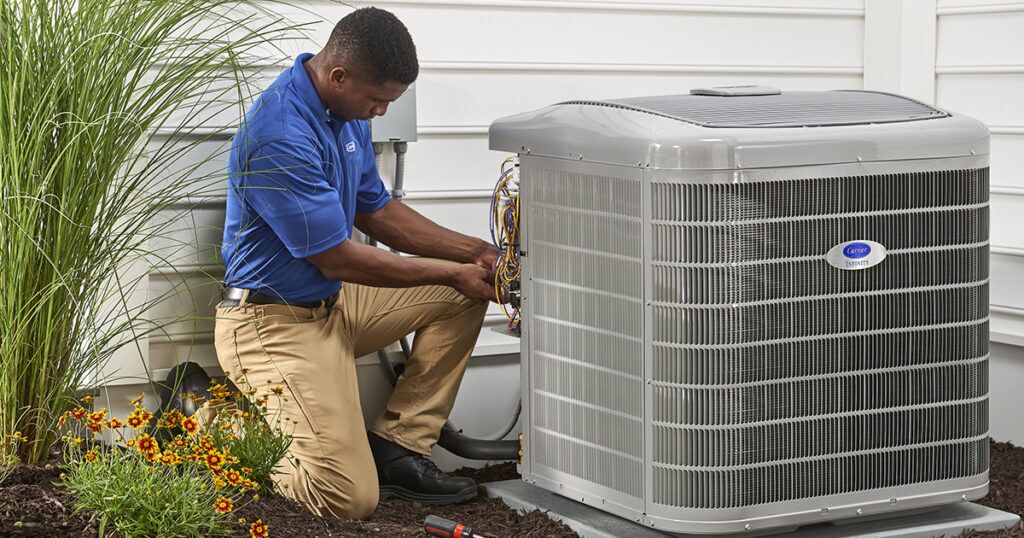
Credit: bossplumbingltd.com
Frequently Asked Questions
How Much Does Air Conditioner Replacement Cost?
The cost of replacing an air conditioner varies by size and brand. On average, expect to pay between $3,000 and $7,000 including installation. Additional fees may apply for permits or ductwork modifications. Always get multiple quotes for the best price.
Can I Finance My Air Conditioner Replacement?
Yes, many HVAC companies offer financing options. You can also use personal loans or credit cards. Financing helps spread out the cost over time with manageable payments. Check for low-interest or zero-interest promotional offers to save money.
Are There Rebates For Replacing An Air Conditioner?
Many local utilities and government programs offer rebates for energy-efficient AC units. Check with your energy provider or state website for eligibility. Rebates can significantly reduce upfront costs. Always verify requirements before purchase to qualify for savings.
What Is The Best Time To Replace An Air Conditioner?
The best time is during the off-season, typically fall or early spring. Prices may be lower, and installers are less busy. Early replacement prevents breakdowns during peak summer heat. Planning ahead can save money and stress.
Conclusion
Paying for an air conditioner replacement can seem challenging. Exploring different options helps. Consider savings, financing, or payment plans. Each has its benefits. Choose what suits your budget best. Research and compare offers. Ask for professional advice if needed. A well-chosen payment method eases the process.
Keeping cool shouldn’t stress you out. Proper planning ensures comfort and peace of mind. Remember, staying informed leads to better decisions. With the right approach, replacing an air conditioner becomes manageable. Stay cool and confident with your choice.