Choosing the right climbing shoe can make all the difference in your performance and comfort on the wall. You want a shoe that fits perfectly, supports your feet, and helps you climb with confidence.
But with so many options out there, how do you know which one is best for you? This guide will help you cut through the confusion and find the perfect climbing shoe tailored to your needs. By the end, you’ll feel ready to pick a shoe that boosts your skills and keeps you comfortable from start to finish.
Keep reading to discover the key tips that will change the way you climb.

Credit: www.gearx.com
Types Of Climbing Shoes
Choosing the right climbing shoe is key to comfort and performance. Different types fit different climbing styles and foot shapes.
There are three main types of climbing shoes: neutral, moderate, and aggressive. Each type offers unique features.
Neutral Shoes
Neutral climbing shoes have a relaxed fit. They are comfortable for long climbs and all-day wear. These shoes have a flat sole and little to no downturn.
- Best for beginners and crack climbing
- Good for all-day comfort
- Less precise on small footholds
Moderate Shoes
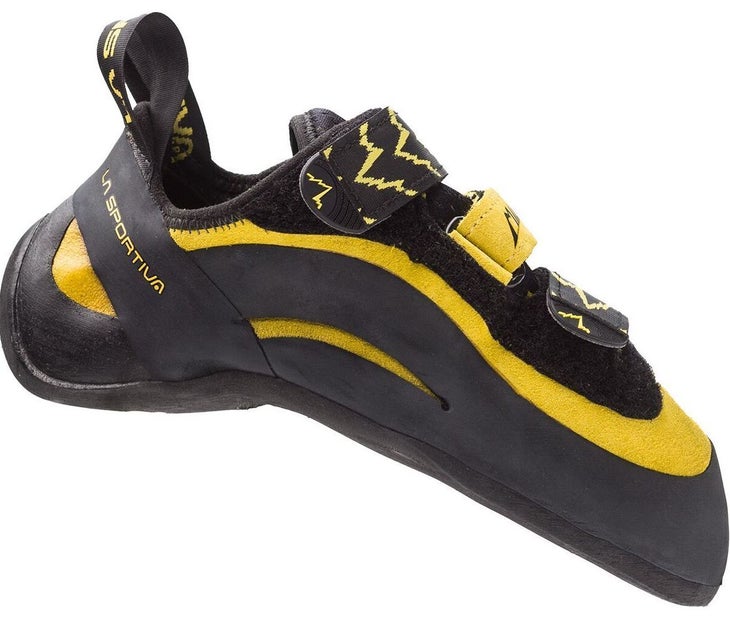
Moderate shoes balance comfort and performance. They have a slight downward curve that helps with edging and small holds. These shoes suit many climbing styles.
| Feature | Benefit |
| Slight downturn | Improves foothold precision |
| Moderate stiffness | Supports foot on edges |
| Comfortable fit | Good for sport and trad climbing |
Aggressive Shoes
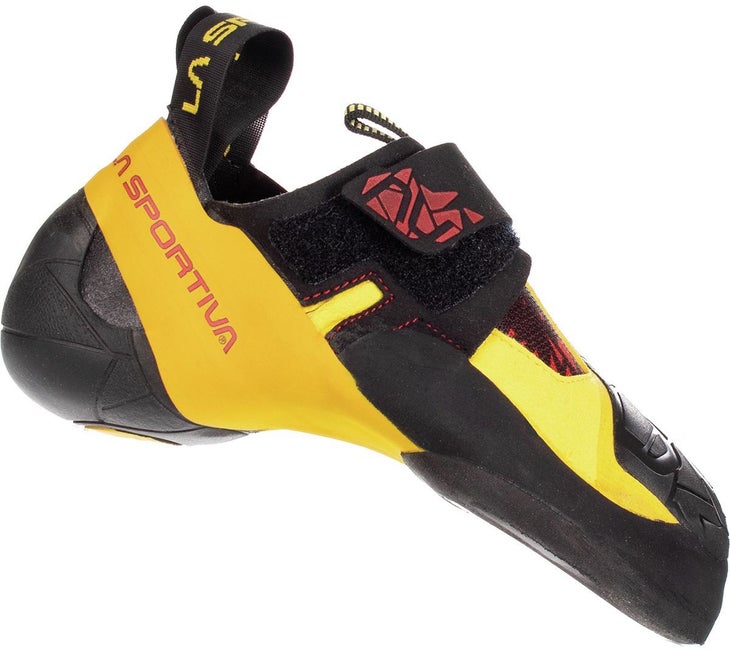
Aggressive climbing shoes have a strong downward curve. They put your toes in a powerful position to hold tiny edges and steep routes. These shoes fit tight and are less comfortable for long climbs.
- Sport climbing on steep walls
- Bouldering with small footholds
- Climbing routes that need toe power
Credit: www.climbing.com
Key Features To Consider
Choosing the right climbing shoe can improve your climbing experience. It’s important to consider key features for the best fit.
These features include material, closure systems, sole stiffness, and heel and toe design. Each plays a crucial role in performance.
Material And Construction
Climbing shoes are made from different materials. Leather and synthetic are the most common types.
Leather stretches over time, offering a customized fit. Synthetic materials provide consistent shape and fit.
- Leather: Stretches, better for a snug fit
- Synthetic: Maintains shape, no stretching
Closure Systems
Closure systems determine how the shoe fits on your foot. Common types are laces, Velcro, and slip-on.
Laces offer customizable tightness. Velcro allows quick adjustments. Slip-ons provide ease of use but less adjustment.
- Laces: Customizable, precise fit
- Velcro: Quick and easy adjustments
- Slip-on: Convenient, less adjustable
Sole Stiffness
The stiffness of the sole affects comfort and performance. Stiffer soles offer better support for edges.
Softer soles provide more sensitivity, ideal for slabs and smears.
- Stiff soles: Better support, ideal for edges
- Soft soles: More sensitivity, good for smears
Heel And Toe Design
The design of the heel and toe impacts precision and comfort. A snug heel enhances heel hooking.
Pointed toes help with small footholds, while rounded toes offer comfort.
- Snug heel: Better for heel hooks
- Pointed toe: Precision for small holds
- Rounded toe: Increased comfort
Finding The Right Fit
Choosing climbing shoes that fit well is very important. Shoes that fit right give you better control and comfort.
Finding the right fit means knowing your foot size and shape. It also means testing shoes before you buy.
Measuring Your Feet
Measure your feet at the end of the day. Your feet swell a little, so this gives a better size.
Use a ruler or tape to measure your foot length and width. Compare these numbers to shoe size charts.
- Place your foot on a piece of paper
- Mark the longest toe and heel points
- Measure the distance between marks
- Measure the widest part of your foot
- Check size charts for shoe brands
Trying Different Sizes
Try several sizes to find the best fit. Sizes can vary between brands and models.
Your toes should be slightly curled but not painfully tight. The heel must fit snug without slipping.
- Put on shoes and tighten straps or laces
- Stand and feel if your toes touch the front
- Walk around to check heel fit and comfort
- Try climbing moves if possible
Breaking In Your Shoes
New climbing shoes feel stiff at first. Breaking them in makes them softer and more comfortable.
Wear your shoes for short sessions. This helps the material mold to your feet.
- Wear shoes at home for 20-30 minutes
- Gradually increase wear time over days
- Avoid wearing them all day initially
- Use climbing chalk to reduce sweat
Matching Shoes To Climbing Styles
Choosing the right climbing shoe depends on your climbing style. Different shoes offer various fits and features. Picking the right shoe improves comfort and performance.
Learn how to match climbing shoes to your preferred style. This guide covers bouldering, sport climbing, trad climbing, and indoor climbing.
Bouldering
Bouldering shoes need to be tight and aggressive. They help you with precise foot placements on small holds. Many climbers choose downturned shoes for better toe power.
- Tight fit for sensitivity
- Downturned shape for toe strength
- Sticky rubber for grip
- Durable materials to handle friction
Sport Climbing
Sport climbing shoes balance comfort and performance. Moderate downturned shapes suit long routes. They provide support while still allowing sensitive footwork.
| Feature | Reason |
| Moderate fit | Comfort for long climbs |
| Slightly downturned shape | Precision on small holds |
| Good rubber coverage | Grip on varied surfaces |
Trad Climbing
Trad climbing shoes focus on comfort and edging ability. They usually have a flatter shape. This helps protect feet on long routes and cracks.
- Comfortable fit for all-day wear
- Stiff sole for edging on cracks
- Durable leather for protection
- Secure closure for stability
Indoor Climbing
Indoor climbing shoes should offer comfort and grip. Many climbers prefer a neutral shape for all-around use. Quick closure systems help with fast shoe changes.
- Neutral or slightly downturned shape
- Comfort for long sessions
- Sticky rubber for artificial holds
- Velcro closures for convenience
Common Fit Issues And Fixes
Choosing the right climbing shoe is key for comfort and performance. Many climbers face fit problems that hurt their experience.
This guide covers common fit issues and simple fixes. Knowing these helps you find shoes that fit well and feel good.
Too Tight Or Painful
Shoes that are too tight cause pain and numbness. This can make climbing uncomfortable and reduce control.
If your shoe hurts, try loosening the laces or straps. Wearing shoes for short times helps them stretch and soften.
- Loosen laces for extra room
- Wear shoes around the house to break them in
- Choose a size slightly larger if pain continues
Too Loose Or Slipping
Shoes that slip off or feel loose reduce climbing control. Your foot should stay snug inside the shoe without extra space.
Use tighter laces or straps to secure the shoe better. Some shoes have a heel cup or tongue to improve fit and prevent slipping.
- Tighten laces or Velcro straps
- Try shoes with a secure heel design
- Consider insoles to fill extra space
Pressure Points
Pressure points cause discomfort in certain areas of the foot. They often appear around toes, arches, or heels.
Adjust shoe fit by trying different shapes or models. Padding or stretching shoes can reduce pressure spots.
- Test different shoe shapes for your foot
- Add thin padding inside tight spots
- Use a shoe stretcher for specific areas
Credit: www.climbing.com
Caring For Your Climbing Shoes
Taking care of your climbing shoes helps them last longer. Clean shoes perform better and feel more comfortable.
Simple care routines keep your shoes in good shape and save you money over time.
Cleaning Tips
Cleaning your climbing shoes removes dirt and sweat. Use a soft brush to clear off dust after every climb.
- Use lukewarm water and mild soap for washing.
- Do not soak shoes; wipe them gently instead.
- Air dry shoes away from direct sunlight or heaters.
- Remove insoles to dry separately if possible.
Storage Advice
Store climbing shoes properly to keep their shape and rubber strong. Avoid tight spaces and extreme temperatures.
| Storage Tip | Reason |
|---|---|
| Keep shoes in a cool, dry place | Prevents mold and rubber damage |
| Use a breathable shoe bag | Allows air flow and reduces odor |
| Do not crush or fold shoes | Keeps shoe shape intact |
| Remove shoes from gear bags after climbing | Stops moisture build-up |
When To Replace Them
Climbing shoes lose grip and fit over time. Watch for signs that show it is time for new shoes.
- Rubber soles are worn thin or have holes.
- The shoe no longer fits snugly or feels loose.
- Stitching or glue starts to come apart.
- Rubber edges peel away from the shoe body.
- Repeated repairs no longer restore performance.
Frequently Asked Questions
What Size Climbing Shoe Should I Choose?
Choose climbing shoes that fit snugly but not painfully tight. Your toes should be slightly curled but not cramped. Sizing varies by brand, so always try shoes on before buying. Proper fit ensures better control and comfort during climbs.
Which Climbing Shoe Type Suits Beginners Best?
For beginners, choose neutral shoes with a flat profile. They offer comfort and support for long sessions. Avoid aggressive downturned shoes, which are harder to wear initially. Neutral shoes help build climbing skills safely and comfortably.
How Do I Know If Climbing Shoes Fit Well?
Well-fitted climbing shoes feel snug without causing pain. Your heel should stay in place without slipping. Toes should touch the shoe’s end lightly, not jammed. Proper fit improves climbing precision and reduces foot fatigue.
What Materials Are Best For Climbing Shoes?
Leather and synthetic materials are common in climbing shoes. Leather molds to feet over time but may stretch. Synthetic shoes hold shape but offer less stretch. Choose based on your comfort preference and shoe performance needs.
Conclusion
Choosing the right climbing shoe makes a big difference. Fit and comfort matter most for your feet. Think about the type of climbing you enjoy. Try different shoes to find what feels best. Remember, a good shoe helps you climb better and stay safe.
Take your time picking shoes that match your needs. Happy climbing!