Choosing the right climbing shoe can make all the difference in your climbing experience. Whether you’re just starting out or looking to upgrade, the perfect shoe helps you climb with more confidence and control.
But with so many options available, how do you know which one fits you best? You’ll discover simple tips to find a climbing shoe that feels like it was made just for you. Keep reading to learn how to boost your performance and enjoy every climb more than ever before.
Types Of Climbing Shoes
Climbing shoes come in different shapes and styles. Each type fits a specific climbing need.
Choosing the right shoe helps you climb better and stay comfortable.
Neutral Shoes
Neutral shoes have a flat shape with little curve. They feel like regular shoes on your feet.
These shoes work well for beginners and long climbs. They offer comfort and support for your feet.
- Great for all-day wear
- Good for crack and slab climbing
- Less aggressive fit
Moderate Shoes
Moderate shoes have a slight curve. They balance comfort and performance well.
These shoes suit most climbers and many types of climbing. They help with edging and small footholds.
- Comfortable but precise
- Good for sport and trad climbing
- Fits snugly without pain
Aggressive Shoes
Aggressive shoes have a strong downward curve. They focus power on your toes.
These shoes suit hard climbs and steep routes. They help you hold tiny edges and pockets.
- Tight fit for better control
- Good for bouldering and sport climbing
- Not for long climbs or comfort
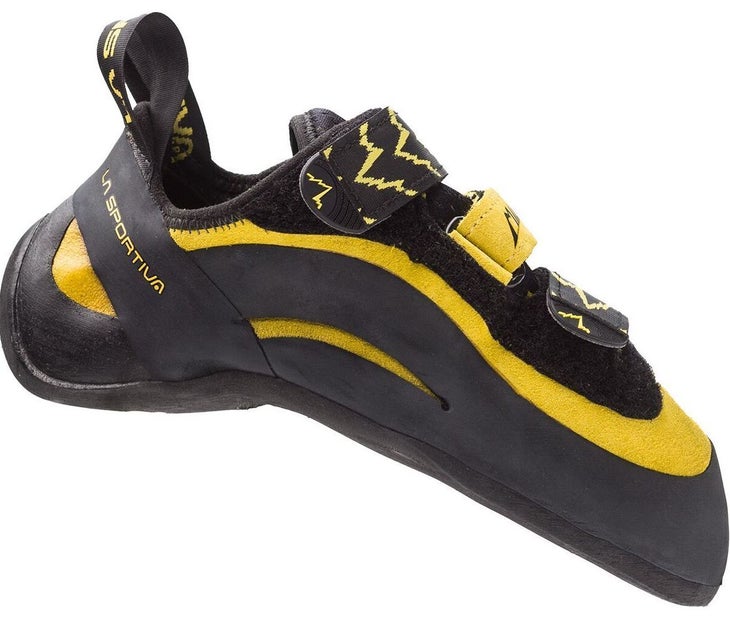
Credit: www.climbing.com
Key Fit Factors
Picking the right climbing shoe is important for comfort and performance. The fit can affect how well you climb and how long you can wear the shoes without pain.
Three main factors help you find the best fit: length and width, heel fit, and toe box shape. Each factor plays a role in how the shoe feels on your foot.
Length And Width
The shoe length should be snug but not painful. Too long, and your foot will slide inside. Too short, and toes will cramp.
Width is also important. Shoes that are too narrow cause discomfort and reduce blood flow. Shoes too wide will not hold your foot firmly.
- Try shoes that feel tight but not pinching
- Check if your toes can move slightly without pressure
- Wear the type of socks you usually climb with
- Test shoes on both feet; sizes may vary
Heel Fit
A good heel fit stops your foot from slipping out when you climb. It should feel snug and secure without pain.
| Heel Fit Type | Description |
| Snug | Holds heel firmly with slight pressure |
| Loose | Heel moves and may slip out |
| Too Tight | Causes pain and restricts blood flow |
Toe Box Shape
The toe box is the front area of the shoe. It should match your foot shape for comfort and control.
There are different toe box shapes to fit various foot types. Knowing your foot shape helps pick the right shoe.
- Pointed:For narrow toes, offers precise toe placement.
- Rounded:Fits average foot shapes comfortably.
- Asymmetric:Curves toward the big toe for power on small holds.
Materials And Construction
Choosing the right climbing shoe depends a lot on the materials and how it is made. These factors affect comfort, durability, and performance.
Understanding the types of materials and construction helps you pick a shoe that fits your climbing style and needs.
Leather Vs Synthetic
Leather shoes stretch and mold to your feet over time. They offer a natural feel but may need more care.
Synthetic shoes keep their shape better and dry faster. They are often less stretchy and hold tight fit longer.
- Leather: breathes well, stretches with use
- Synthetic: resists stretching, quick drying
- Leather needs more maintenance than synthetic
Closure Systems
Closure systems keep your shoe snug on your foot. Choose a system that is easy to adjust and fits your foot shape.
There are three main types: laces, Velcro straps, and slip-ons. Each has its own benefits for climbing.
- Laces: allow precise fit and adjustment
- Velcro: quick to put on and take off
- Slip-ons: simple and comfortable, but less adjustable
Sole Types
The sole of a climbing shoe affects grip and sensitivity. Most soles are made of rubber but differ in thickness and stiffness.
Soft soles give more feel on small holds. Stiffer soles protect your feet on sharp edges and help with support.
- Soft soles: better sensitivity, good for technical climbing
- Stiff soles: more support, ideal for edging and crack climbing
- Medium stiffness: a balance of comfort and performance
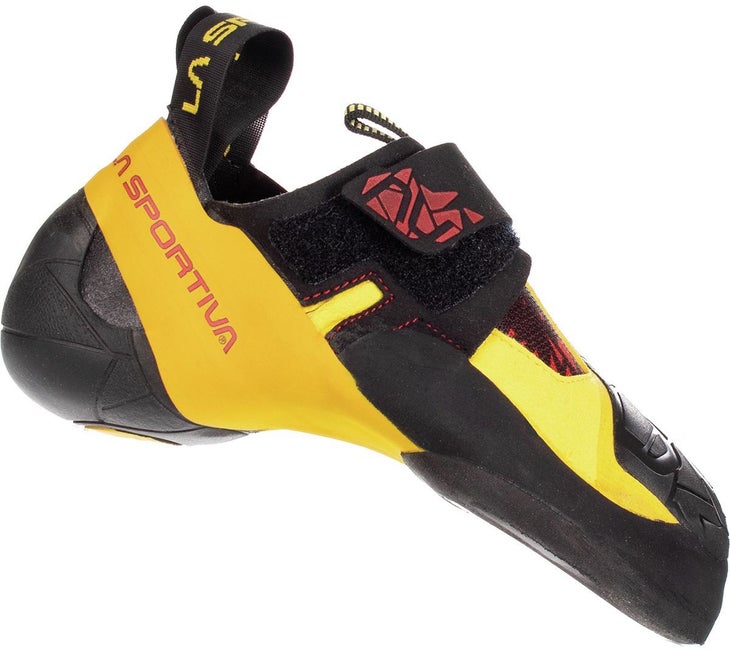
Credit: www.climbing.com
Purpose And Climbing Style
Picking the right climbing shoe depends on your climbing style and what you want to achieve. Different shoes suit different types of climbing.
Understanding your purpose helps you find a shoe that fits well and supports your climbing goals.
Bouldering
Bouldering shoes need to be tight and sensitive for better control on small holds. They often have a downturned shape to help with steep problems.
- Look for aggressive shoes with a pointed toe
- Choose sticky rubber soles for better grip
- Pick shoes with a snug fit to increase precision
- Consider closure type for quick adjustments
Sport Climbing
Sport climbing shoes balance comfort and performance. They need to fit well for long climbs without causing pain.
| Feature | Why It Matters | Example |
| Fit | Comfort for long climbs | Snug but not too tight |
| Shape | Moderate downturn for mixed terrain | Slightly curved toe |
| Closure | Adjustability and ease | Velcro or laces |
| Sole | Grip on smooth surfaces | Sticky rubber with moderate thickness |
Trad Climbing
Trad climbing shoes focus on comfort and durability for long days on varied rock. They should protect your feet and offer support.
Key factors for trad climbing shoes:
- Comfortable fit to avoid foot pain
- Stiff sole to protect from sharp edges
- Durable materials for rough use
- Moderate downturn for all-day wear
Trying And Testing Shoes
Choosing the right climbing shoe means trying many pairs. Testing shoes helps find the best fit and feel for your feet.
Good testing includes checking sizes, moving in the shoes, and balancing comfort with performance. This process takes time but is worth it.
Trying Multiple Sizes
Climbing shoe sizes can vary a lot by brand. Try on several sizes to see which fits your foot best.
Your toes should be snug but not painfully cramped. Shoes that are too loose reduce control, and shoes that are too tight cause pain.
Walking And Flexing
Walk around and flex your feet in the shoes. This helps check how the shoe moves with your foot.
The shoe should feel firm but allow some foot movement. Too stiff shoes can hurt, and too soft shoes give less support.
Assessing Comfort Vs Performance
Climbing shoes balance comfort and performance. Performance shoes fit tighter and give better grip but can be painful.
Comfortable shoes feel good for long climbs but may not offer the best precision. Decide what matters most for your climbing style.
- Tight fit improves control on small holds
- Comfort fit is better for long sessions
- Test shoes on real climbing surfaces if possible
Breaking In And Maintenance
Climbing shoes need some care to fit well and last long. Breaking them in and keeping them clean helps your climbing experience.
Learn how to break in your shoes, clean them, and know when to replace them for the best performance.
Breaking In Tips
New climbing shoes can feel tight and stiff. Breaking them in gently makes them more comfortable without losing grip.
- Wear your shoes at home for short periods to soften the materials.
- Use climbing tape on sensitive toes to avoid blisters during break-in.
- Try climbing on easy routes to help shoes mold to your feet.
- Do not stretch shoes with water or heat; this can damage them.
- Be patient; break-in usually takes a few climbing sessions.
Cleaning And Care
Keeping your climbing shoes clean and dry helps maintain their shape and grip. Dirt and sweat can wear out the materials faster.
- Remove dirt by wiping with a damp cloth after each use.
- Air dry shoes away from direct sunlight or heaters.
- Use baking soda inside shoes to reduce odor.
- Store shoes in a cool, dry place when not in use.
- Check for damage regularly and fix small tears quickly.
When To Replace Shoes
Worn-out shoes can hurt your climbing and cause discomfort. Watch for signs that mean it’s time to get new shoes.
| Sign | Description |
| Worn Sole | Rubber is thin or has holes, reducing grip. |
| Loose Fit | Shoes stretch too much and no longer fit snugly. |
| Damaged Upper | Rips or tears that can’t be repaired. |
| Loss of Support | Shoes feel soft and don’t hold your foot well. |

Credit: www.gearx.com
Frequently Asked Questions
What Size Climbing Shoes Should I Choose?
Choose climbing shoes that fit snugly but not painfully tight. Your toes should be slightly curled without discomfort. Sizes vary by brand, so always try shoes on before buying to ensure a proper fit for optimal performance and comfort.
How Important Is Shoe Stiffness For Climbing?
Shoe stiffness affects support and sensitivity. Stiffer shoes provide better support on edges, while softer shoes offer more sensitivity for smearing. Choose stiffness based on your climbing style and terrain to maximize efficiency and comfort during climbs.
Should I Pick Aggressive Or Neutral Climbing Shoes?
Aggressive shoes are great for steep, technical routes and precision. Neutral shoes offer comfort and support for all-day wear and crack climbing. Select shoe type based on your climbing preferences and the typical routes you tackle.
How Do Climbing Shoe Materials Affect Performance?
Synthetic materials stretch less and maintain shape, while leather molds to your feet over time. Breathable materials improve comfort. Choose materials based on fit, durability, and the climate where you climb to enhance performance.
Conclusion
Choosing the right climbing shoe makes a big difference. Comfort is key. Fit should feel snug, not painful. Consider the type of climbing. Bouldering? Opt for aggressive shoes. Long climbs? A flat shoe might be better. Materials matter too. Leather stretches, synthetic holds shape.
Try several pairs before buying. Trust your feet. They know best. Remember, the right shoe boosts confidence and performance. Happy climbing!