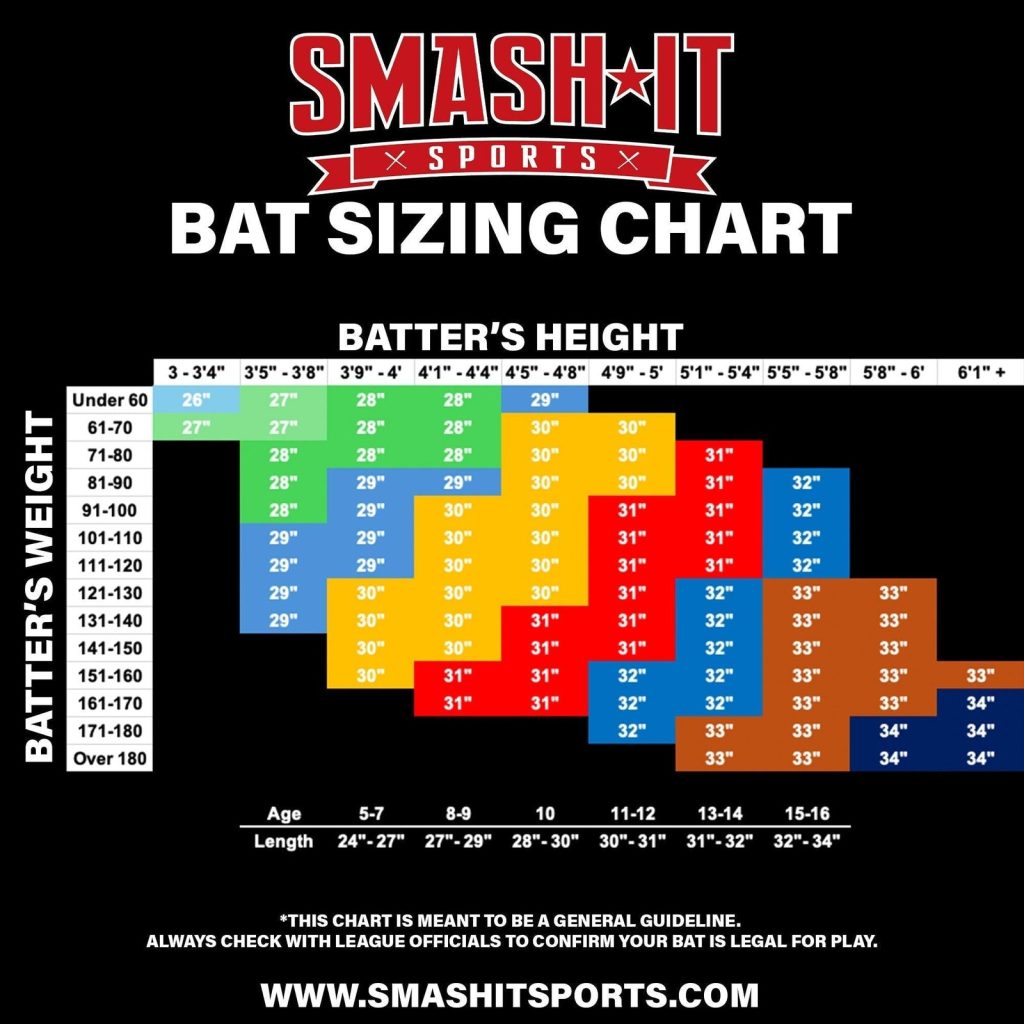
Choosing the right baseball bat can make all the difference in your game. Whether you’re a beginner or looking to upgrade, the bat you pick affects your swing, power, and control.
But with so many options out there, how do you know which one fits you best? This guide will help you understand what to look for, so you can find a bat that feels just right and helps you hit those home runs.
Keep reading to discover simple tips that will boost your confidence and performance on the field.
Types Of Baseball Bats
Choosing the right baseball bat is important for your performance. Different types of bats suit different players and styles.
Knowing the main types helps you pick a bat that fits your needs and feels comfortable in your hands.
Wood Vs. Aluminum
Wood bats are classic and offer a traditional feel. Aluminum bats are lighter and often more durable.
- Wood Bats:Made from ash, maple, or birch. They give good feedback on hits.
- Aluminum Bats:Made from lightweight metal. They provide more power and a bigger sweet spot.
- Durability:Aluminum bats last longer but can dent; wood bats can break on bad hits.
Composite Bats
Composite bats are made from a mix of materials like carbon fiber. They often have better balance and less vibration.
| Feature | Benefit |
| Material | Carbon fiber and resin mix |
| Weight | Lighter than wood, similar to aluminum |
| Performance | More power and bigger sweet spot |
| Break-in Time | Needs some use to reach full performance |
Hybrid Options
Hybrid bats combine wood and composite parts. Usually, they have a composite barrel and an aluminum or wood handle.
Benefits of hybrid bats include:
- Less vibration than all-aluminum bats
- More power than wood bats
- Good balance and feel
- Often lighter than full wood bats
Bat Length And Weight
Choosing the right baseball bat is important for players. The bat’s length and weight affect your swing. This guide helps you understand what to look for.
Finding the right bat can improve your game. Let’s explore how to pick the correct length and weight.
Finding The Ideal Length
The length of the bat depends on your height and age. A longer bat can cover more area, but it may be hard to handle.
Measure from the center of your chest to the tips of your fingers. This helps find the right bat length for you.
- Short players: Choose shorter bats for control.
- Tall players: Longer bats for more reach.
- Younger players: Lightweight and shorter bats.
Understanding Weight And Swing Speed
The weight of a bat affects how fast you can swing it. A heavier bat can hit harder, but may slow you down.
Try different weights to see which feels right. The bat should not be too heavy or too light for you.
- Light bats: Faster swings, suitable for contact hitters.
- Heavy bats: More power, suited for strong players.
- Balance: Find a weight that offers control and power.
Balancing Weight Distribution
Weight distribution affects how the bat feels. End-loaded bats have more weight at the end, giving more power. Balanced bats have even weight distribution, offering better control.
Choose a bat that matches your playing style. Try both types to see which one suits you best.
| End-Loaded Bats | More power, less control |
| Balanced Bats | Better control, less power |
Grip And Handle Styles
Choosing the right grip and handle style is key for comfort and control in baseball. Your grip affects how well you swing the bat.
Different styles suit different players. Knowing the options helps you find the best fit for your hands and swing style.
Knob Shapes
Knobs at the end of the bat handle help with grip and control. They come in several shapes that feel different in your hands.
- Round Knob:Smooth and classic. Allows the bat to rotate slightly in your hands.
- Flat Knob:Has a wider base. Prevents the bat from slipping during the swing.
- Extended Knob:Longer shape. Helps some players hold the bat lower for more power.
Grip Materials
Grip material affects how the bat feels and how much you can hold on during play. Some materials absorb sweat better than others.
| Material | Feel | Best For |
| Rubber | Firm and tacky | Players needing strong hold |
| Leather | Smooth and natural | Comfort and classic feel |
| Composite | Soft and cushioned | Reducing vibration on contact |
| Wraps | Varied textures | Custom grip preferences |
Handle Thickness
Handle thickness changes how the bat feels in your hands. Thinner handles allow more wrist movement.
- Thin Handles: Great for better bat control and quick swings.
- Thick Handles: Offer more strength and reduce hand fatigue.
- Standard Handles: Balance between control and power.

Credit: www.forelle.com
League Regulations And Standards
Choosing the right baseball bat requires understanding league rules. These rules keep the game fair and safe for all players.
Each league sets its own standards for bat types, sizes, and safety. Knowing these rules helps you pick the proper bat.
Approved Bat Certifications
Leagues accept bats only if they meet certain certifications. These certifications show bats pass quality and safety tests.
- BBCOR certification is common in high school and college leagues.
- USA Baseball stamp is required in youth baseball leagues.
- USSSA bats are approved for many travel and tournament leagues.
- Check your league’s website to confirm which certifications are allowed.
Size Limits By Age Group
Leagues limit bat size based on player age to ensure safety and fair play. The length and weight of bats vary by group.
| Age Group | Max Bat Length (inches) | Max Bat Weight (oz) |
| 8-10 years | 29 | 17 |
| 11-12 years | 32 | 20 |
| 13-15 years | 33 | 23 |
| 16+ years | 34 | 26 |
Safety Rules To Follow
Safety is the top priority when choosing a bat. Follow these rules to protect yourself and others during play.
- Always use bats that meet your league’s certification standards.
- Do not use cracked or damaged bats.
- Use the correct bat size for your age and strength.
- Wear proper protective gear, including helmets, when batting.
- Inspect bats regularly for dents or loose parts.
Personal Preferences And Playing Style
Choosing the right baseball bat depends on your personal preferences. Your playing style also affects which bat suits you best.
Understanding key factors like hitting type, handedness, and comfort helps you pick a bat that fits your needs.
Power Vs. Contact Hitting
Power hitters need bats that deliver strong hits with more force. Contact hitters focus on control and making consistent contact.
- Power hitters often choose heavier bats to add strength to their swing.
- Contact hitters prefer lighter bats for quicker swings and better bat speed.
- Bat length can vary; longer bats help power hitters reach farther, while shorter bats aid control.
Right Or Left-handed Bats
You should select a bat designed for your dominant hand. Right-handed bats suit right-handed players and left-handed bats suit left-handed players.
| Player Hand | Recommended Bat |
| Right-handed | Right-handed bat |
| Left-handed | Left-handed bat |
| Switch hitter | Choose bats for both hands or one that feels best |
Comfort And Confidence Factors
Feeling comfortable with your bat builds confidence. Confidence can improve your overall performance.
- Grip thickness should feel natural and firm in your hands.
- Weight distribution affects how easy it is to swing the bat fast.
- Try different bats to see which feels best before buying.
- Consider the bat’s material, such as wood or composite, for comfort.
Testing And Trying Bats
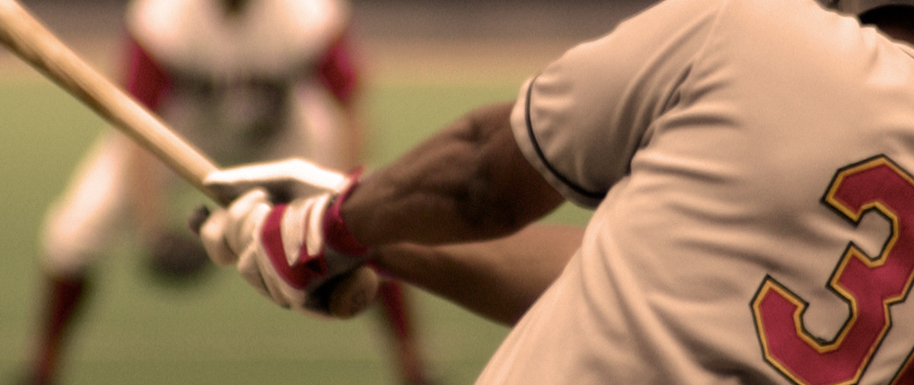
Picking the right baseball bat needs more than just looking at specs. Testing different bats helps find the best fit for your swing and strength. Trying out bats can show you which one feels comfortable and powerful.
Testing bats lets you compare weight, length, and grip. It also helps avoid injuries by choosing a bat that suits your style. Taking time to try bats will improve your hitting skills.
Demoing Bats At The Store
Many stores let you demo bats before buying. You can hold and swing them to feel their balance and weight. This helps you see which bat feels right in your hands.
Try swinging the bat slowly, then faster. Notice how it moves and if it feels easy to control. A good demo session can save you money and improve your choice.
Using Batting Cages
Batting cages let you hit balls with different bats. This real action shows how the bat performs with your swing. It is a great way to test power and control.
Try several swings with each bat. Pay attention to how hard the ball goes and how comfortable the bat feels. Batting cages give you real feedback on bat performance.
- Check the bat’s weight during swings
- Notice the bat’s balance and feel
- Observe ball distance and accuracy
Feedback From Coaches And Peers
Ask coaches and teammates to watch you try bats. They can give helpful advice on your swing and bat choice. Their experience can point out things you might miss.
Coaches may suggest bats that match your skill and style. Peers can share what worked for them. Listen to feedback and use it to make a better decision.
Maintaining Your Baseball Bat
Taking care of your baseball bat helps it last longer. Good maintenance keeps it ready for play.
Simple steps can protect your bat from damage. Clean and store it properly after use.
Cleaning And Storage Tips
Clean your bat after every use to remove dirt and sweat. Use a soft cloth with warm water.
Do not use harsh chemicals or abrasive tools. These can damage the bat’s surface.
- Wipe the bat with a damp cloth
- Dry it completely before storing
- Store it in a cool, dry place
- Keep it away from extreme heat or cold
Inspecting For Damage
Check your bat regularly for cracks, dents, or loose parts. Damage can affect performance.
Look at the handle, barrel, and end cap carefully. Small issues can get worse over time.
- Feel for rough spots or splinters
- Tap the bat lightly to listen for cracks
- Check if the grip is secure and not worn out
When To Replace Your Bat
Replace your bat if it has large cracks or dents. These can break during use and cause injury.
If the bat feels different or does not hit well, it may be time to get a new one. A worn grip can also reduce control.
- Visible deep cracks or splits
- Loose or missing end cap
- Grip slips or is damaged
- Reduced performance in hitting
Credit: www.annexbaseball.com

Credit: batdigest.com
Frequently Asked Questions
What Size Baseball Bat Should I Choose?
Choose a bat size based on your height, weight, and age. Use a size chart to find the right length and weight for better control and power.
How Does Bat Material Affect Performance?
Aluminum bats are lightweight and durable, offering faster swings. Wood bats provide better balance and traditional feel but require more skill.
Should I Pick A Bat For Power Or Control?
Select a bat for power if you want longer hits. Choose control if you prioritize accuracy and faster swing speed.
How To Test A Baseball Bat Before Buying?
Swing the bat several times to check weight and balance. Ensure it feels comfortable and easy to control for your style.
Conclusion
Choosing the right baseball bat takes time and thought. Think about your height, weight, and skill level first. The right bat feels comfortable and helps you swing easily. Don’t rush; test different bats before buying. Remember, the best bat fits you, not just looks good.
Practice with your bat often to improve your game. A good bat can make playing more fun and rewarding. Keep these tips in mind, and you will find the perfect bat for you. Happy hitting!