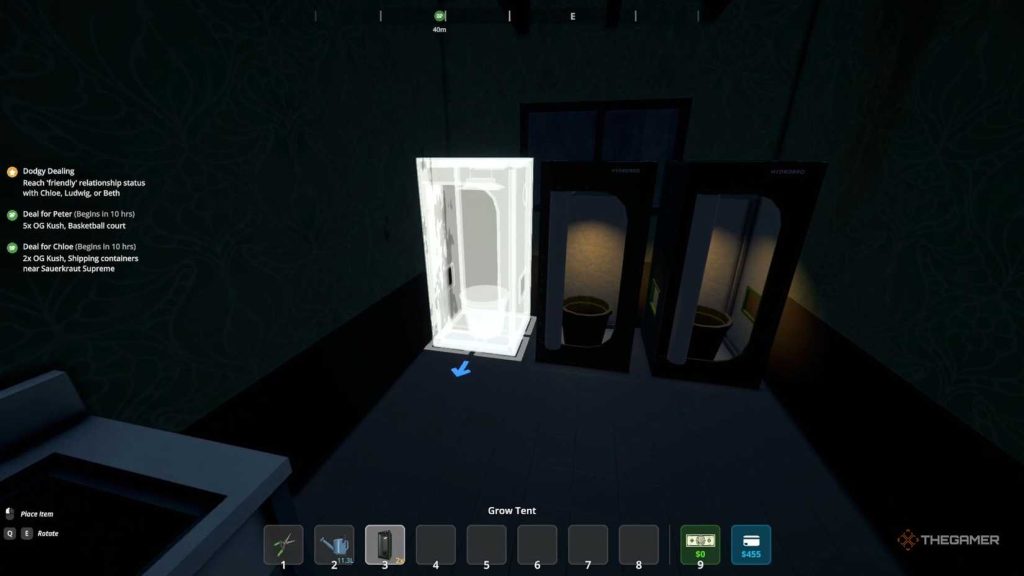
Are you struggling to figure out the best way to pick up your grow tent schedule 1? You’re not alone.
Getting the timing right can make all the difference in how healthy and productive your plants become. Imagine having a simple, clear plan that helps you control light, temperature, and humidity perfectly—without stress or guesswork. You’ll discover easy steps to create a grow tent schedule that fits your needs and boosts your growing success.
Keep reading, and you’ll soon have the confidence to manage your grow tent like a pro.
Credit: www.thegamer.com
Choosing The Right Tent Size
Choosing the right size for your grow tent is important. It affects how your plants grow and how easy it is to manage the tent.
A tent that is too small can limit plant growth. A tent that is too big may waste space and energy.
Assessing Space Requirements
Start by measuring the area where you want to put your grow tent. Check for enough room to open doors and move around.
- Measure the floor space available
- Consider the height of the tent for plant growth
- Leave space for fans and lights
- Think about access to power outlets
Considering Plant Growth Stages
Plants need different amounts of space during each growth stage. Seedlings need less room than mature plants.
| Growth Stage | Recommended Tent Size (feet) | Notes |
| Seedling | 2 x 2 | Small space, easy to manage |
| Vegetative | 3 x 3 | More height and room needed |
| Flowering | 4 x 4 or larger | Plants grow biggest here |
Selecting Proper Lighting
Choosing the right lighting is crucial for a successful grow tent. The type of light influences plant growth and energy use.
Understanding different lights and their cycles ensures healthy plants. Let’s explore the options.
Types Of Grow Lights
There are various grow lights available. Each has its advantages and uses.
- LED Lights: Energy-efficient and long-lasting.
- Fluorescent Lights: Good for seedlings and small plants.
- HID Lights: High intensity, ideal for large plants.
Light Cycles For Schedule 1
Light cycles help mimic natural sunlight. This is essential for plant development and flowering.
For Schedule 1, a typical cycle is 18 hours of light followed by 6 hours of darkness. This supports vegetative growth.
| Light Type | Usage |
| LED | Energy-saving, suits all growth stages |
| Fluorescent | Best for seedlings |
| HID | High yield for mature plants |
Setting Up Ventilation
Good ventilation is key for a healthy grow tent. It helps control temperature and humidity inside.
Proper airflow keeps plants strong and prevents mold or pests from growing.
Airflow Importance
Air moves fresh oxygen to plants and removes heat and moisture. Without airflow, plants may suffer.
- Reduces heat buildup that can stress plants
- Keeps humidity at safe levels
- Prevents mold and mildew growth
- Helps plants develop strong stems
Best Fan And Filter Options
Choosing the right fan and filter helps keep the air clean and moving.
| Type | Use | Benefits |
| Inline Fan | Moves air in and out of tent | Strong airflow, quiet operation |
| Oscillating Fan | Keeps air circulating inside tent | Prevents hot spots, strengthens plants |
| Carbon Filter | Removes odors and impurities | Keeps tent smelling clean |
Credit: screenrant.com
Managing Temperature And Humidity
Keeping the right temperature and humidity inside your grow tent is very important. These factors help your plants grow strong and healthy.
If the temperature or humidity is too high or too low, your plants may suffer from stress or disease. You need to watch these conditions closely.
Ideal Climate Conditions
The best temperature for most plants inside a grow tent is between 70°F and 85°F (21°C to 29°C). Too much heat can dry out the plants.
Humidity should usually stay between 40% and 60%. Young plants like higher humidity, near 60%, while mature plants do better around 40% to 50%.
- Keep temperature stable to avoid stress
- Use a fan to improve air circulation
- Lower humidity to prevent mold and mildew
- Increase humidity for seedlings and clones
Tools For Monitoring
You need tools to check temperature and humidity inside your grow tent. They help you keep the environment right for your plants.
A hygrometer and thermometer combo is best. Some devices show both numbers on one screen. You can place them at plant level for accurate readings.
- Digital hygrometers measure humidity
- Thermometers track temperature
- Combined devices save space and give quick info
- Some tools connect to apps for easy monitoring
Organizing Watering And Nutrients
Growing plants in a grow tent requires careful attention to watering and nutrients. Proper organization helps plants stay healthy and grow well.
This guide explains how to manage watering frequency and choose the right nutrient mixes for your grow tent.
Watering Frequency
Watering plants too much or too little can harm growth. You should water your plants based on their size and stage of growth.
- Check the soil moisture every day by touching the soil surface.
- Water when the top inch of soil feels dry to the touch.
- Use a spray bottle for seedlings to avoid overwatering.
- Increase watering as plants grow larger and need more moisture.
- Reduce watering during the flowering stage to avoid mold.
Choosing Nutrient Mixes
Plants need different nutrients at different growth stages. Using the right mix supports strong roots, leaves, and flowers.
| Growth Stage | Key Nutrients | Notes |
| Seedling | Low nitrogen, mild phosphorus, potassium | Use gentle nutrients to avoid burn |
| Vegetative | Higher nitrogen, balanced phosphorus, potassium | Supports leaf and stem growth |
| Flowering | Lower nitrogen, higher phosphorus and potassium | Promotes flower and fruit production |
Credit: www.thegamer.com
Establishing A Growth Schedule
Setting a clear growth schedule helps plants grow strong and healthy. It guides light, water, and nutrients to match plant needs.
A good schedule divides plant growth into phases. Each phase has a specific time and care routine.
Vegetative Phase Timing
The vegetative phase is when plants grow leaves and stems. This phase needs more light to build strong plants.
This phase usually lasts 3 to 8 weeks. The exact time depends on the plant type and growth goals.
- Provide 16 to 24 hours of light daily
- Keep temperature between 70°F and 85°F (21°C to 29°C)
- Water plants regularly but avoid overwatering
- Feed with nutrients high in nitrogen
Flowering Phase Timing
The flowering phase is when plants produce flowers or fruit. It needs less light but stable conditions.
This phase lasts about 6 to 12 weeks. Timing depends on plant species and desired harvest size.
- Set light to 12 hours on, 12 hours off daily
- Keep temperature between 65°F and 80°F (18°C to 27°C)
- Reduce nitrogen, increase phosphorus and potassium
- Check plants often for pests and stress signs
Maintaining Cleanliness And Pest Control
Keeping your grow tent clean helps plants grow strong. Dirt and pests can harm your plants.
Regular care keeps pests away and stops diseases from spreading in your tent.
Regular Cleaning Tips
Clean your grow tent often to stop mold and bugs. Use safe products that won’t hurt plants.
- Remove old plant material and dead leaves.
- Wipe down walls and floors with mild soap and water.
- Clean pots and tools before reuse.
- Check for moisture buildup and dry it quickly.
- Replace filters and ventilation parts regularly.
Natural Pest Remedies
Use natural ways to keep pests away. Avoid harsh chemicals that can harm your plants.
| Remedy | How It Works | Use Frequency |
| Neem Oil | Kills pests and stops eggs from hatching | Once a week |
| Soap Spray | Smothers soft-bodied insects like aphids | Every 3 days |
| Garlic Spray | Repels insects with strong smell | Twice a week |
| Sticky Traps | Catches flying insects | Replace weekly |
Tracking Progress And Adjustments
Tracking your grow tent schedule helps you see how plants respond to care. It shows what works and what needs change.
Good records make it easier to improve your growing process. You can adjust lights, water, and nutrients with clear data.
Record Keeping Methods
Write down daily activities and plant conditions. Use notes, charts, or photos to track growth and problems.
- Use a notebook or digital app for daily logs
- Take photos to compare plant size and color
- Record light hours, water amount, and temperature
- Note any changes or issues observed
Adapting To Plant Responses
Plants show signs when they need changes. Watch leaves, stems, and growth speed to decide adjustments.
| Plant Sign | Possible Cause | Adjustment |
| Yellow leaves | Overwatering | Reduce water frequency |
| Slow growth | Low light | Increase light hours |
| Brown leaf tips | Low humidity | Raise humidity level |
| Wilting | Underwatering | Water more regularly |
Frequently Asked Questions
What Is A Grow Tent Schedule 1?
Grow tent schedule 1 refers to regulated guidelines for cultivating specific plants indoors. It ensures legal compliance and optimal growth conditions. Following this schedule helps maintain proper lighting, temperature, and humidity for healthy plant development in grow tents.
How Do I Set The Lighting Schedule In Grow Tents?
Set lighting schedules based on plant growth stages. Use 18 hours of light and 6 hours of darkness for vegetative growth. Switch to 12 hours of light and 12 hours of darkness during flowering to mimic natural cycles and boost yield.
Why Is Ventilation Important In A Grow Tent Schedule?
Ventilation controls temperature, humidity, and air quality inside the tent. Proper airflow prevents mold, pests, and heat stress. It ensures plants receive fresh CO2, promoting photosynthesis and healthy growth throughout the growth cycle.
How Often Should I Water Plants In A Grow Tent?
Water frequency depends on plant type, size, and growth stage. Typically, water when the top inch of soil feels dry. Overwatering causes root rot, while underwatering stresses plants. Monitor moisture levels regularly for best results.
Conclusion
Picking the right grow tent schedule 1 is key for success. Keep your plants’ needs in mind. Adjust light and dark periods carefully. Watch how your plants respond each day. Small changes can make a big difference. Stay patient and observe growth closely.
This helps you find the best routine. Growing healthy plants is a step-by-step process. With time and care, your efforts will pay off.