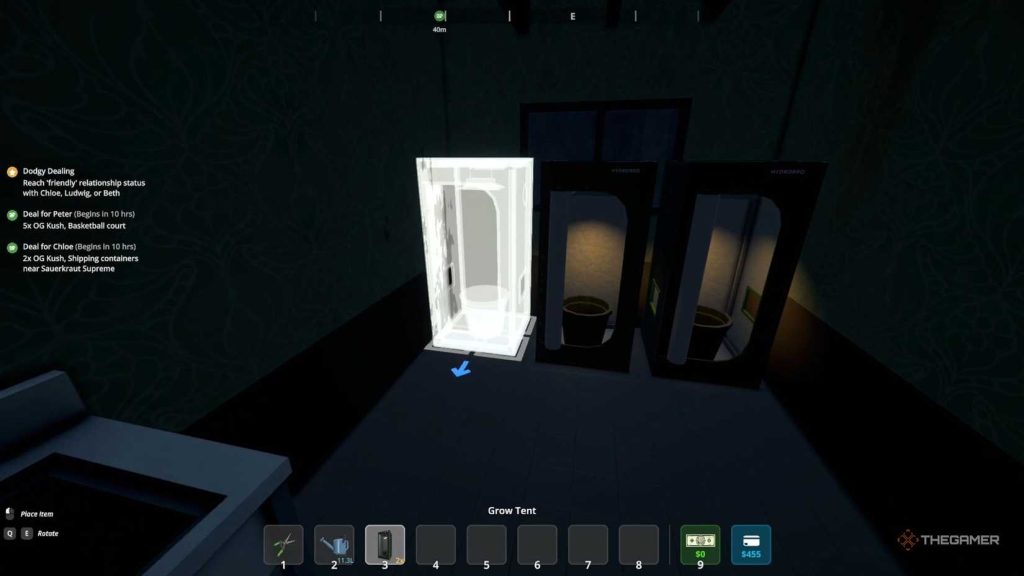
Are you ready to get the most out of your grow tent setup? Knowing how to pick up a grow tent schedule 1 can make all the difference in your plant’s health and growth.
Whether you’re a beginner or looking to improve your current routine, this guide will help you create a simple, effective schedule tailored to your needs. By following the right timing and care steps, you’ll see better results and less hassle.
Keep reading to discover how easy it is to master your grow tent schedule and watch your plants thrive like never before.
Choosing The Right Grow Tent
Picking the right grow tent helps you create a healthy space for your plants. It protects plants from pests and controls temperature and light.
Knowing what to look for in a grow tent makes your gardening easier and more successful.
Size And Space Considerations
Measure the available room before buying a grow tent. Choose a size that fits your space and plant needs. Too small limits growth. Too big wastes energy.
- Check ceiling height to allow room for lights and plants
- Leave space around the tent for easy access
- Consider the number of plants you want to grow
- Think about future expansion or changes
Material Quality And Durability
Good materials keep your grow tent sturdy and lasting long. Look for strong frames and thick fabric. Tear-resistant walls prevent damage.
| Material | Benefits |
| Steel frame | Strong and rust-resistant |
| Heavy-duty canvas | Durable and lightproof |
| Mylar lining | Reflects light well |
| Double stitching | Prevents tearing |
Ventilation And Lightproof Features
Good ventilation keeps air fresh and controls humidity. Lightproof fabric stops outside light from entering. Both are key for plant health.
- Strong zippers for easy opening and closing
- Mesh windows or vents for airflow
- Light traps around openings to block light leaks
- Port holes for fans and cables
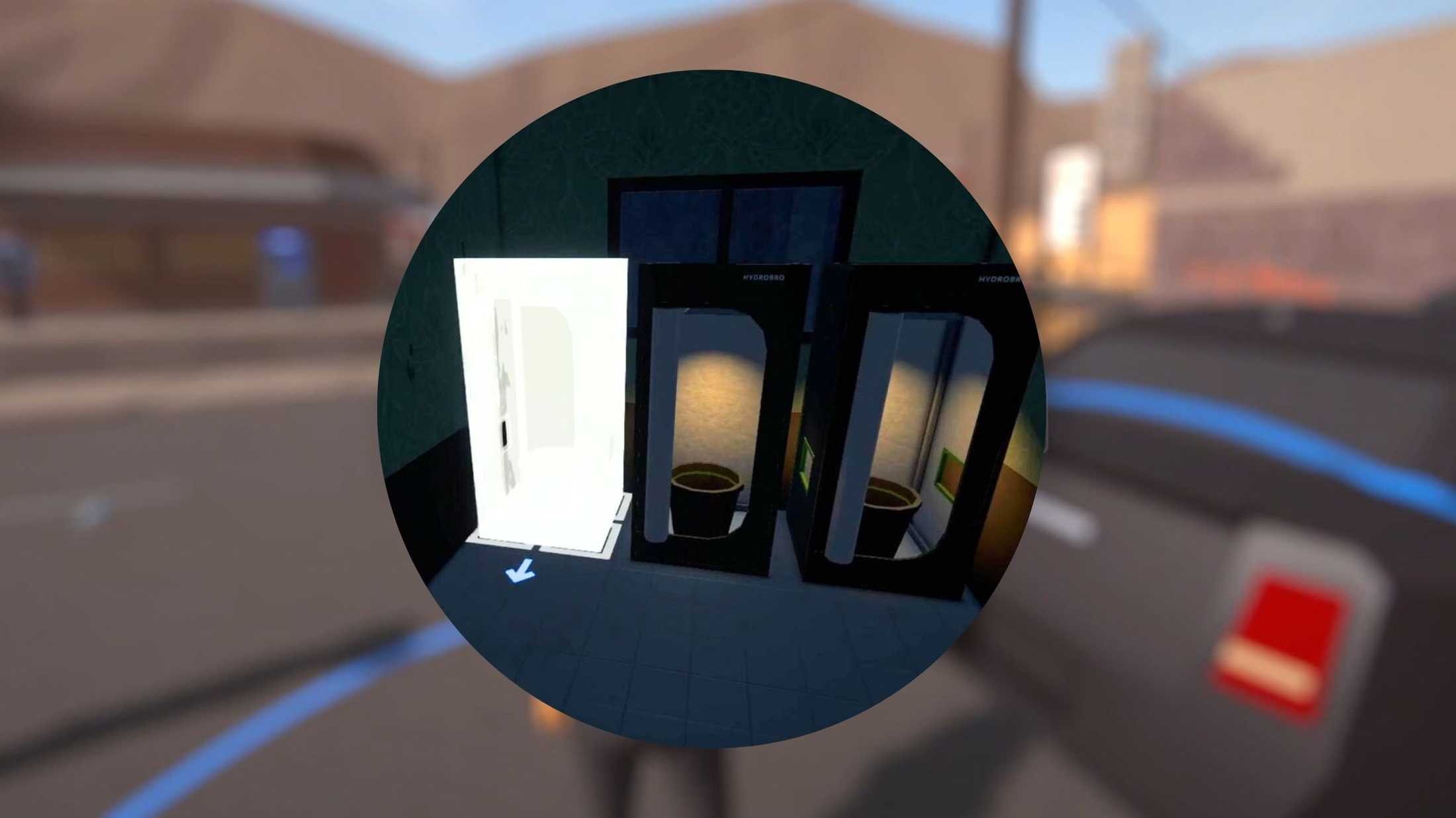
Credit: www.thegamer.com
Setting Up Your Grow Tent
Setting up a grow tent properly helps plants grow healthy and strong. You need to plan carefully before starting.
This guide covers three key parts: picking the right place, putting the tent together, and adding ventilation.
Location Selection
Choose a place with enough space for the tent and equipment. The area should be dry and easy to clean.
Make sure the location has access to power for lights and fans. Avoid spots with direct sunlight or strong drafts.
- Pick a flat, stable surface
- Keep the tent away from windows
- Ensure room for door access and maintenance
- Check for nearby electrical outlets
- Avoid damp or humid areas
Assembling The Tent
Follow the instructions to connect the frame parts tightly. This creates a sturdy base for the tent cover.
After the frame is ready, unzip the cover carefully. Fit it over the frame and secure all zippers and Velcro straps.
| Assembly Step | Tip |
| Frame setup | Check all poles for damage before use |
| Cover fitting | Start from one corner and work around evenly |
| Securing zippers | Close all zippers tightly to keep light inside |
| Final check | Make sure no holes or gaps remain |
Installing Ventilation Systems
Good airflow keeps plants healthy and controls temperature and humidity. Install fans and ducts in the tent.
Place intake vents low and exhaust vents high. This setup helps fresh air enter and warm air leave.
- Mount an exhaust fan near the top of the tent
- Install an intake vent or fan near the bottom
- Use ducting to connect to outside air
- Check for leaks and seal any gaps
- Test airflow before adding plants
Creating An Effective Schedule
Setting a clear schedule helps plants grow well inside a grow tent. A good plan covers light, water, and environment. This keeps plants healthy from seed to harvest.
Each growth stage needs different care. Adjust your schedule to match plant needs. This guide shows how to set times for light, water, and climate control.
Light Cycles For Different Growth Stages
Plants need different light amounts as they grow. Seedlings need less light than flowering plants. Set your light timer to match these needs.
- Seedling stage:18 hours light, 6 hours dark
- Vegetative stage:18-24 hours light, 6-0 hours dark
- Flowering stage:12 hours light, 12 hours dark
Watering And Nutrient Timing
Water and nutrients must be given at the right times. Overwatering or feeding can harm plants. Follow a schedule based on plant size and growth phase.
| Growth Stage | Watering Frequency | Nutrient Feeding |
| Seedling | Every 2-3 days | Light nutrient mix once a week |
| Vegetative | Every 1-2 days | Regular nutrient mix every watering |
| Flowering | Every 1-2 days | Flowering nutrients every watering |
Temperature And Humidity Control
Keep the grow tent’s temperature and humidity stable. Different stages need specific ranges to prevent stress and disease.
- Seedling: 70–75°F, 65–70% humidity
- Vegetative: 70–80°F, 50–70% humidity
- Flowering: 65–80°F, 40–50% humidity
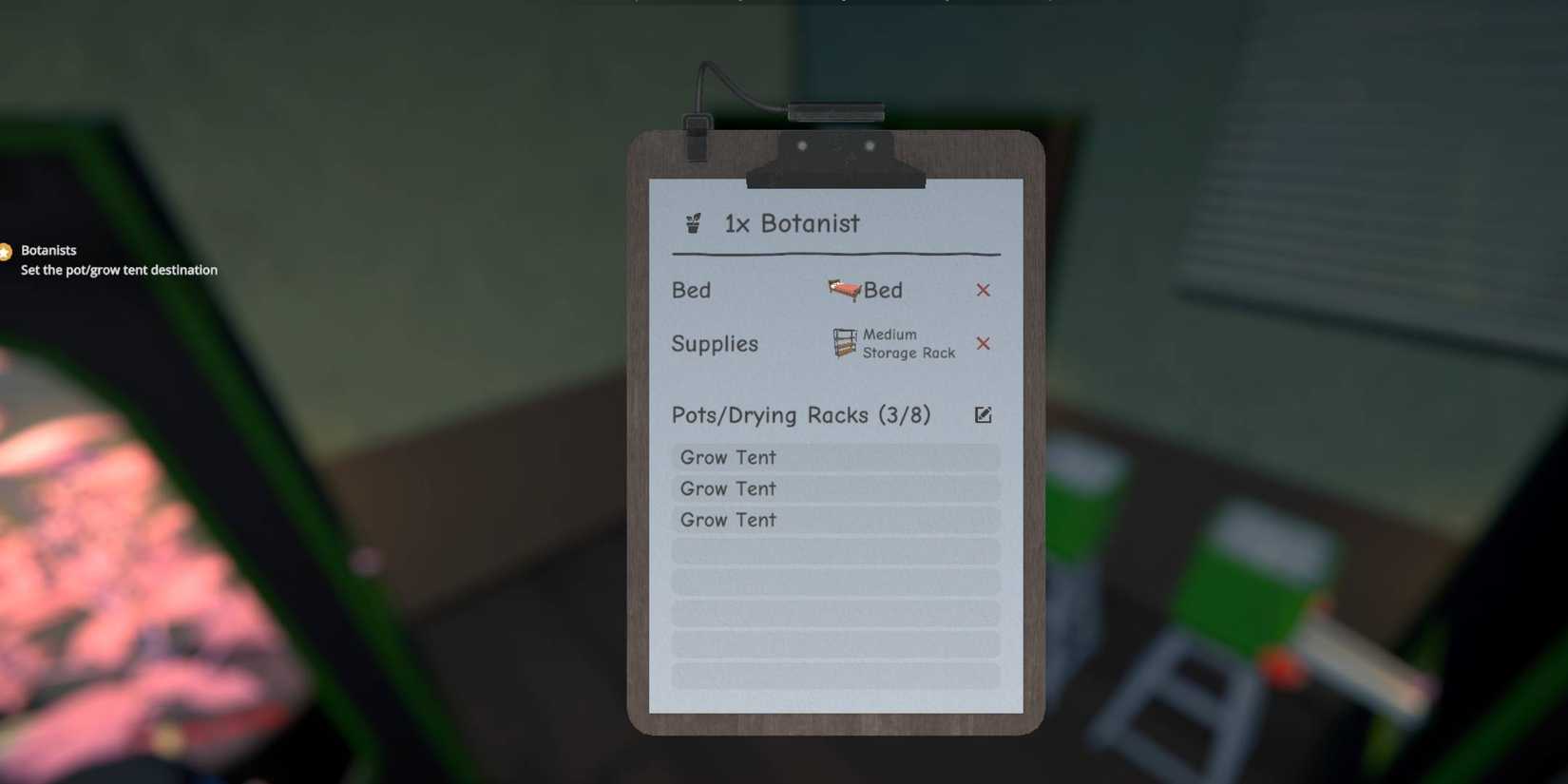
Credit: www.thegamer.com
Monitoring Plant Health
Keeping plants healthy inside a grow tent is very important. You need to watch your plants often to see how they are doing.
Checking plant health helps you fix problems early. It also makes sure your plants grow strong and well.
Identifying Common Issues
Look for signs that show your plants are not well. These signs include yellow leaves, spots, or slow growth.
Watch out for pests like bugs or mold. These can harm your plants quickly if not treated.
- Yellow or brown leaves
- Wilting or drooping plants
- White powdery spots on leaves
- Insect presence or sticky residue
- Slow or stunted growth
Adjusting Environment Settings
Plants need the right temperature, light, and humidity to grow well. You can change these settings inside your grow tent.
If the air is too dry or too hot, plants may get stressed. Adjust fans, heaters, or humidifiers to keep conditions steady.
- Keep temperature between 70-85°F (21-29°C)
- Maintain humidity around 40-60%
- Provide 12-18 hours of light daily
- Use ventilation to avoid stale air
Using Timers And Sensors
Timers help control when lights turn on and off. This keeps plants on a regular schedule for growth.
Sensors measure temperature, humidity, and soil moisture. They give data to help you make changes fast.
- Set light timers for consistent day and night cycles
- Use humidity sensors to check moisture levels
- Install temperature sensors to avoid heat stress
- Use soil moisture sensors to know when to water
Maximizing Yield And Quality
Growing plants in a tent requires careful planning. A good schedule helps plants grow strong and healthy. This guide covers key tips to boost both yield and quality.
Focus on light, pruning, training, and harvest timing. These steps help you get the best results from your grow tent setup.
Optimizing Light Intensity
Light is the main energy source for plant growth. Adjust the light intensity to match the plant’s stage. Too little light reduces growth. Too much can cause stress.
- Keep lights 12-24 inches above plants to avoid burning.
- Use a light meter to measure intensity at the canopy level.
- Increase light during the flowering stage for better yields.
- Lower light at early growth to prevent stretching.
- Use reflective materials inside the tent to spread light evenly.
Pruning And Training Techniques
Pruning removes dead or excess leaves. Training shapes the plant for better light exposure. Both improve airflow and reduce disease risk.
| Technique | Purpose | When to Use |
| Topping | Encourages bushier growth | Early vegetative stage |
| Low Stress Training (LST) | Spreads branches horizontally | Throughout growth |
| Defoliation | Removes excess leaves | Before flowering |
| Super Cropping | Strengthens stems | Vegetative stage |
Harvest Timing Strategies
Harvest timing affects both quality and yield. Harvest too early and potency drops. Wait too long and quality can decline.
- Check trichomes with a magnifier for color changes.
- Harvest when most trichomes turn milky white.
- Trim and dry plants slowly for best flavor.
- Store harvested buds in airtight containers.
- Keep containers in a cool, dark place to maintain quality.
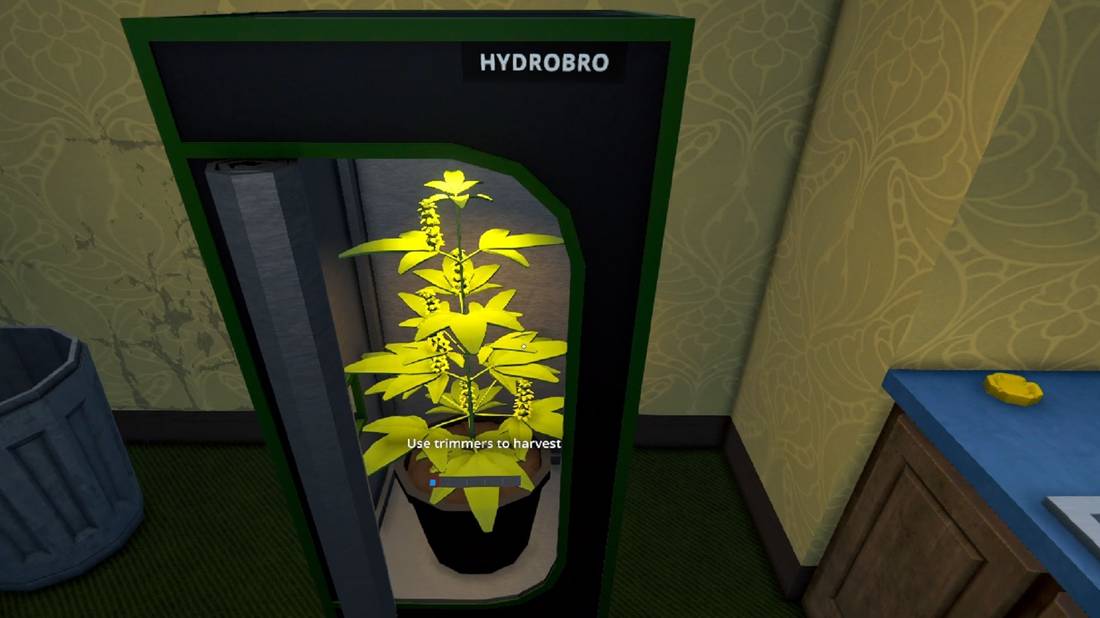
Credit: screenrant.com
Frequently Asked Questions
What Is A Grow Tent Schedule 1?
Grow tent schedule 1 refers to a legal classification for cultivating specific plants. It outlines regulations for growing controlled substances. Using a grow tent under this schedule ensures compliance with local laws and safe, discreet cultivation.
How Do I Set A Grow Tent Schedule 1?
To set a grow tent schedule 1, adjust light, temperature, and humidity. Follow legal guidelines for plant types and growth cycles. Regularly monitor conditions to optimize plant health and yield within legal restrictions.
Why Is Lighting Important In Grow Tent Schedule 1?
Lighting controls plant growth phases in grow tent schedule 1. Proper light duration and intensity boost photosynthesis and flowering. Using the right light schedule ensures healthy plants and maximizes harvest quality.
Can I Grow Different Plants In One Tent Schedule 1?
Yes, but select plants with similar growth needs. Maintain uniform light, humidity, and temperature for all plants. This approach prevents stress and promotes balanced growth within legal schedule 1 restrictions.
Conclusion
Choosing the right grow tent schedule takes some planning. Keep track of light and dark hours carefully. Adjust the schedule as your plants grow and change. Consistency helps plants stay healthy and strong. Watch how your plants respond and make small changes.
A good schedule supports better growth and yield. Stay patient and attentive throughout the process. Your plants will thank you with better results.