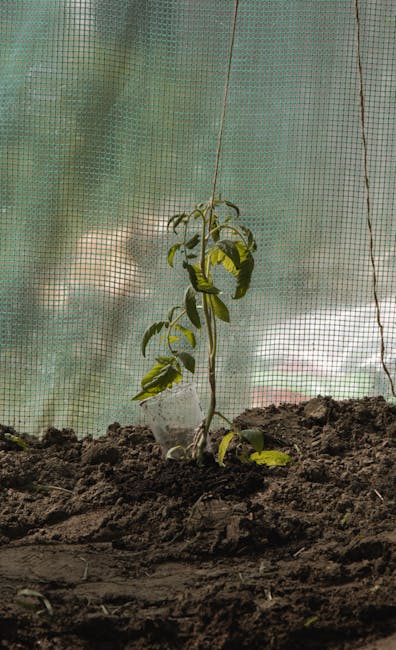
Are you ready to transform your gardening experience and enjoy fresh, healthy plants right at your fingertips? Planting in raised garden beds is one of the easiest and most effective ways to grow a thriving garden, no matter your skill level.
Imagine having a garden that drains well, stays weed-free, and lets you reach your plants without bending or straining. Sounds great, right? In this guide, you’ll discover simple, practical steps to get started and make your raised garden beds flourish.
Keep reading, and soon you’ll be growing like a pro!

Credit: www.youtube.com
Choosing The Right Location
Picking the right spot for your raised garden beds is very important. The location affects how well your plants will grow.
Good location helps your plants get sunlight, water, and air. It also makes gardening easier for you.
Sunlight Requirements
Most vegetables need at least six hours of sunlight daily. Choose a spot that gets enough sun.
Avoid shady areas near tall trees or buildings. Sunlight helps plants make food and grow strong.
Soil Drainage
Raised beds should be placed where water drains well. Avoid low spots where water can collect.
Good drainage stops roots from rotting and keeps soil healthy. Check the soil by digging a small hole.
- If water stays in the hole for hours, drainage is poor.
- Choose higher ground or add drainage material if needed.
Accessibility And Space
Place your raised beds where you can easily reach them. This makes planting and harvesting simple.
Leave enough space around beds to move tools and wheelbarrows. Avoid cramped or hard-to-reach spots.
- Allow at least 2-3 feet of walking space around each bed.
- Make sure paths are flat and clear of obstacles.
- Consider placing beds near a water source for easy watering.

Credit: www.vegogarden.com
Selecting Materials For Raised Beds
Choosing the right materials for raised garden beds is key to their success. You want materials that last and keep your plants safe.
This guide covers common material choices to help you decide what fits your garden best.
Wood Options
Wood is a popular choice because it is natural and easy to work with. Cedar and redwood resist rot and last longer. Pine is cheaper but may need more care.
- Cedar: Durable and insect resistant
- Redwood: Strong and long-lasting
- Pine: Affordable but less durable
- Untreated wood: Safer for organic gardens
Metal And Plastic Alternatives
Metal and plastic raised beds last long and resist pests. Metal beds warm up soil quickly but may get hot in summer. Plastic is lightweight and easy to move.
| Material | Pros | Cons |
| Galvanized metal | Durable, pest resistant | Can heat soil, may rust |
| Plastic | Lightweight, easy to clean | Less natural look, may fade |
| Corten steel | Strong, rust forms protective layer | More expensive |
Recycled Materials
Using recycled materials helps the environment. Old bricks, stones, or wood pallets can make unique raised beds. Check that materials do not have chemicals that harm plants.
Tips for using recycled materials:
- Clean all materials well before use
- Avoid treated wood with harmful chemicals
- Stack bricks or stones securely
- Look for materials that fit your garden style
Building Your Raised Garden Bed
Raised garden beds help you grow plants easily and keep soil healthy. You can build them yourself with simple tools and materials.
This guide explains how to build a raised garden bed that fits your space and protects your plants well.
Size And Shape Considerations
Choose the size and shape based on your available space and what you want to grow. Make sure you can reach the plants easily from all sides.
Common shapes include rectangles and squares. Keep beds no wider than 4 feet so you can reach the center without stepping inside.
- Length can vary depending on your space
- Width should be 3 to 4 feet for easy access
- Height usually ranges from 6 inches to 2 feet
Assembly Tips
Use sturdy materials like cedar or redwood to build the frame. These woods resist rot and last longer outdoors.
Join the corners with screws or brackets for strength. Make sure the bed is level before filling it with soil.
- Cut boards evenly to keep edges straight
- Pre-drill holes to avoid wood splitting
- Use a level to check the frame’s balance
- Attach legs or supports if needed for stability
Adding Protective Liners
Place a protective liner inside the bed to stop soil from touching the wood. This helps prevent rot and extends the bed’s life.
Use landscape fabric or plastic sheets. Make sure the liner has holes for water drainage to keep plants healthy.
- Cut the liner to fit the inside walls and bottom
- Secure the liner with staples or small nails
- Check that water can drain out easily
- Replace liners every few years if needed

Credit: migardener.com
Preparing The Soil Mix
Raised garden beds need good soil for plants to grow well. Preparing the soil mix helps roots get air, water, and nutrients.
This guide explains how to prepare the soil mix for raised beds. It covers choosing soil, adding amendments, and layering techniques.
Choosing The Right Soil
Use loose, well-draining soil in raised beds. It should hold moisture but not stay soggy. A mix of topsoil, compost, and sand works well.
Avoid heavy clay or pure garden soil. They can block roots and hold too much water. Look for soil labeled for vegetable gardening or raised beds.
Soil Amendments
Soil amendments improve soil texture and nutrient content. Add compost for nutrients and organic matter. Use peat moss or coconut coir for moisture retention.
Some gardeners add perlite or vermiculite to improve drainage. Mix these amendments well with the base soil to create a balanced growing medium.
- Compost: adds nutrients and organic matter
- Peat moss or coconut coir: holds water
- Perlite or vermiculite: improves drainage and aeration
Layering Techniques
Layering soil in raised beds helps plants grow strong roots. Start with coarse materials at the bottom for drainage. Add finer soil on top for planting.
Place small branches or straw at the bottom. Then add a mix of compost and soil above. Finish with a thin layer of mulch to keep moisture in.
- Bottom layer: small branches, straw, or wood chips
- Middle layer: compost mixed with soil
- Top layer: fine soil and mulch
Plant Selection And Arrangement
Choosing the right plants and arranging them well helps your raised garden bed thrive. Good planning saves space and grows healthier plants.
Learn how to pick plants that grow well in raised beds and place them for the best results.
Best Plants For Raised Beds
Raised beds warm up faster and drain well. This suits many vegetables and herbs. Leafy greens and root crops do very well here.
- Lettuce
- Spinach
- Carrots
- Radishes
- Tomatoes
- Peppers
- Basil
- Parsley
Companion Planting
Some plants grow better near certain others. This is called companion planting. It helps plants stay healthy and grow strong.
- Tomatoes with basil reduce pests
- Carrots grow well near onions
- Lettuce benefits from being near radishes
- Peppers do well with parsley
- Beans improve soil for many plants
Spacing Guidelines
Give plants enough space to grow. Crowding causes poor air flow and less food. Use this table to space plants well in raised beds.
| Plant | Spacing (inches) | Row Spacing (inches) |
| Lettuce | 8 | 12 |
| Carrots | 3 | 12 |
| Tomatoes | 24 | 36 |
| Peppers | 18 | 24 |
| Basil | 12 | 12 |
Planting Techniques
Raised garden beds offer good soil and drainage for plants. Using the right planting techniques helps your garden grow well.
Learn how to start seeds, plant at the right depth, and water properly after planting.
Seed Starting Vs Transplants
Starting seeds in raised beds lets plants grow in the same soil. Transplants are young plants moved from pots to the bed.
Seeds take longer but are cheaper. Transplants grow faster but cost more.
- Seeds need good soil contact and moisture to sprout.
- Transplants need careful handling to avoid root damage.
- Choose seeds for plants that grow well from seed.
- Use transplants for plants that take longer to mature.
Planting Depth And Timing
Plant seeds or transplants at the right depth for best growth. Too deep or shallow can harm the plant.
Plant at the correct time based on your climate and plant type. This helps plants grow strong.
- Read seed packets for recommended planting depth.
- Cover seeds lightly with soil to keep moisture.
- Plant transplants at the same soil level as in pots.
- Start planting after the last frost date in your area.
Watering After Planting
Water plants right after planting to help roots settle. Use gentle watering to avoid washing away soil.
Keep soil moist but not soggy as seeds germinate or transplants grow roots.
- Water deeply to reach plant roots.
- Use a watering can or gentle spray nozzle.
- Check soil moisture daily in the first weeks.
- Adjust watering based on weather and soil type.
Maintenance And Care
Keeping your raised garden beds healthy requires regular care. Proper maintenance helps plants grow strong.
Watering, feeding, and protecting your plants are key tasks. Each one supports healthy growth and good yields.
Watering Strategies
Water plants deeply but less often. This encourages strong root growth. Use drip irrigation or soaker hoses to save water.
- Water early in the morning to reduce evaporation
- Check soil moisture before watering again
- Avoid wetting leaves to prevent disease
- Adjust watering based on weather and plant needs
Fertilizing Tips
Feed your plants with balanced nutrients. Use organic compost or slow-release fertilizers for steady growth.
| Fertilizer Type | Use | Frequency |
| Compost | Improves soil structure and nutrients | Apply yearly |
| Slow-release fertilizer | Feeds plants over time | Apply every 6-8 weeks |
| Liquid fertilizer | Quick nutrient boost | Apply every 2-3 weeks |
Pest And Disease Control
Protect your garden from pests and diseases. Use natural methods to keep plants safe and healthy.
- Remove damaged or diseased leaves promptly
- Encourage beneficial insects like ladybugs
- Use neem oil or insecticidal soap for pests
- Keep garden clean and free of weeds
Seasonal Tips For Raised Beds
Raised garden beds need special care through the seasons. Each season brings unique tasks for healthy plants.
Knowing what to do in spring, summer, fall, and winter helps your garden grow strong all year.
Spring And Summer Care
In spring, prepare your raised beds by loosening soil and adding compost. Plant seeds and seedlings suited for warm weather.
- Water beds deeply but less often to encourage roots
- Remove weeds to reduce competition
- Use mulch to keep soil moist and cool
- Check plants regularly for pests and diseases
- Harvest crops as they ripen to encourage growth
Fall And Winter Preparation
In fall, clear old plants and add organic matter to the soil. Cover beds with mulch or leaves to protect them from cold.
| Task | Purpose |
| Remove old plants | Prevent disease and pests |
| Add compost | Improve soil fertility |
| Mulch beds | Protect soil from freezing |
| Plant cover crops | Prevent erosion and fix nitrogen |
Extending The Growing Season
Use simple methods to grow plants longer in raised beds. This helps you enjoy fresh food beyond regular seasons.
Try these ideas:
- Use row covers to protect plants from frost
- Build cold frames or mini greenhouses
- Choose plants that tolerate cool weather
- Plant in stages to spread harvest times
Frequently Asked Questions
What Soil Is Best For Raised Garden Beds?
Use a mix of high-quality compost, peat moss, and vermiculite. This blend ensures good drainage, aeration, and nutrient retention for healthy plant growth.
How Deep Should Raised Garden Beds Be?
A minimum depth of 12 inches is ideal for most vegetables. Deeper beds allow roots to grow well and improve soil moisture retention.
How Often Should I Water Plants In Raised Beds?
Water raised beds consistently, about 1 inch per week. Check soil moisture regularly and adjust watering during hot or dry periods.
Can I Plant Any Vegetables In Raised Garden Beds?
Yes, most vegetables thrive in raised beds. Choose crops suited to your climate and space for the best results.
Conclusion
Raised garden beds make planting easier and more fun. They help plants grow strong and healthy. You can control the soil and water better. Start small, choose good soil, and plant your favorite seeds. Watch your garden grow day by day.
Enjoy fresh vegetables and beautiful flowers from your own bed. Gardening this way saves space and time too. Give it a try and see the difference yourself. Simple steps lead to a great garden!