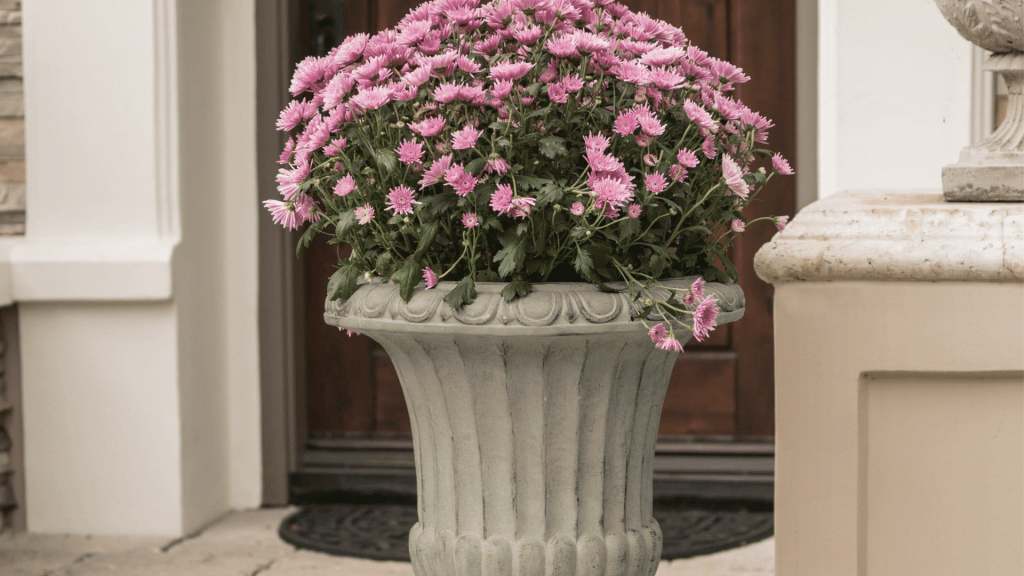
Have you ever wondered how to make your garden stand out with tall planters? Planting in tall planters can transform any space, adding height, style, and a fresh burst of life.
But it’s not just about placing soil and seeds inside a tall pot—you need the right techniques to ensure your plants thrive and look stunning. You’ll discover simple, effective steps to plant successfully in tall planters. By the end, you’ll have the confidence to create eye-catching displays that brighten your home or outdoor area.
Keep reading to unlock the secrets that will make your tall planters flourish!
Credit: www.outdoorartpros.com
Choosing The Right Tall Planter
Tall planters add height and style to your garden or patio. Picking the right one helps your plants grow well.
Think about what material, size, and drainage features fit your space and plants best.
Materials And Durability
Tall planters come in many materials like plastic, clay, wood, and metal. Each has different strengths and weaknesses.
Choose a material that lasts in your climate and fits your style.
- Plastic:Lightweight and affordable but can crack in cold weather.
- Clay:Natural and breathable but heavy and may break.
- Wood:Looks natural but needs treatment to avoid rot.
- Metal:Strong and modern but may heat up in the sun.
Size And Depth Considerations
The size and depth of your tall planter affect root growth and plant health. Bigger plants need bigger planters.
Make sure the planter is deep enough for the roots to spread and wide enough for good soil.
- Measure the mature size of your plants.
- Choose a depth of at least 12 inches for most plants.
- Make sure the planter fits your space without crowding.
Drainage Essentials
Good drainage keeps plants healthy by stopping water from pooling at the bottom. Tall planters must have drainage holes.
If your planter does not have holes, add some or use a layer of gravel at the bottom to help water flow.
- Check for drainage holes before buying.
- Use a saucer to catch extra water if needed.
- Avoid letting plants sit in water for long periods.

Credit: manuals.plus
Selecting Plants For Tall Planters
Tall planters add height and interest to your garden or patio. Choosing the right plants helps your tall planters look full and balanced. You want plants that suit the size and shape of the planter.
This guide shows you how to pick plants that fit well and look great in tall planters. You will learn about ideal plant types, color and texture combinations, and seasonal tips.
Ideal Plant Types
Tall planters work best with plants that have different heights and shapes. Use tall plants, trailing plants, and medium plants together. This mix fills the space nicely.
- Tall plants:Add height and structure. Examples: ornamental grasses, dracaena, or bamboo.
- Trailing plants:Hang over the edges for softness. Examples: ivy, sweet potato vine, or creeping jenny.
- Medium plants:Fill the center and add volume. Examples: petunias, marigolds, or coleus.
Combining Colors And Textures
Mixing colors and textures makes your tall planter more interesting. Use bright colors with green leaves to catch the eye. Different leaf shapes add texture.
- Use one main color and two accent colors for balance.
- Combine smooth and rough leaf textures for contrast.
- Pick plants with different leaf sizes to add depth.
- Include some plants with variegated leaves for variety.
Seasonal Planting Tips
Choose plants that grow well in each season. Change plants in your tall planter to keep it fresh all year. Use hardy plants for winter and colorful flowers for summer.
- Spring:Tulips, daffodils, pansies.
- Summer:Petunias, geraniums, marigolds.
- Fall:Mums, ornamental kale, asters.
- Winter:Evergreen shrubs, heather, winterberry.
Soil And Fertilizer Tips
Growing plants in tall planters needs the right soil and fertilizer. Good soil helps roots grow strong.
Fertilizer gives plants the nutrients they need to stay healthy and bloom well.
Best Soil Mixes
Choose a soil mix that drains well and holds moisture. Avoid heavy soils that stay wet too long.
- Use potting soil designed for containers
- Add perlite or vermiculite to improve drainage
- Mix in peat moss or coconut coir for moisture retention
- Avoid garden soil, which can compact and harm roots
Nutrient Requirements
Tall planters need nutrients for leaves, flowers, and roots. Plants need nitrogen, phosphorus, and potassium.
| Nutrient | Purpose |
| Nitrogen (N) | Helps leaves grow green and strong |
| Phosphorus (P) | Supports root and flower development |
| Potassium (K) | Increases plant strength and disease resistance |
Fertilizing Schedule
Feed plants regularly but not too much. Follow a set schedule for best results.
- Start fertilizing two weeks after planting
- Use a balanced fertilizer every 4 weeks during growing season
- Reduce feeding in fall and winter when growth slows
- Water plants after fertilizing to help nutrients soak in
Planting Techniques For Tall Planters
Tall planters add style and height to your garden or patio. They need special planting techniques to help plants grow well.
Using the right methods ensures your plants get enough water, space, and nutrients in these deep containers.
Layering And Arrangement
Start by placing a layer of small rocks or broken pottery at the bottom. This helps with drainage and stops roots from sitting in water.
Next, add good quality potting soil. Arrange plants by height, placing taller plants in the center or back and shorter ones near the edges.
- Bottom layer: drainage material like small stones
- Middle layer: fresh potting soil
- Top layer: plants arranged by height and color
Spacing And Depth
Give each plant enough room to grow. Crowding plants can cause poor air flow and weak growth.
Plant each root ball at the right depth. The top of the root should be just below the soil surface.
- Leave at least 2-3 inches between plants
- Plant roots fully covered with soil
- Avoid planting too deep or too shallow
Watering Right After Planting
Water your plants immediately after planting. This helps settle the soil around the roots and reduces air pockets.
Use enough water to moisten the soil deeply but avoid waterlogging. Check soil moisture regularly to keep plants healthy.
- Water slowly and deeply after planting
- Check soil moisture every few days
- Adjust watering based on weather and plant needs
Maintenance And Care
Tall planters add beauty and height to your garden or patio. Caring for them ensures they stay vibrant and healthy. Regular maintenance is key to thriving plants.
Understanding the needs of your plants is crucial. Proper care involves watering, pruning, and keeping pests at bay.
Watering Frequency
Watering tall planters can be a bit tricky. They tend to dry out faster than ground plants due to the elevation. Regular watering keeps them hydrated and healthy.
- Check soil moisture daily
- Water until it drains from the bottom
- Adjust frequency based on weather conditions
Pruning And Deadheading
Pruning helps maintain plant shape and encourages new growth. Deadheading removes spent blooms, promoting more flowers.
Pest And Disease Control
Pests and diseases can affect the health of your plants. Regular checks help catch issues early.
| Pest | Solution |
| Aphids | Spray with soapy water |
| Fungal Disease | Use a fungicide |
| Snails | Handpick or use bait |

Credit: sigmaplanters.com.au
Creative Styling Ideas
Tall planters add height and drama to your garden or patio. They give you a chance to play with colors and textures. Styling these planters can make your space look lively and inviting.
Use some simple ideas to group, decorate, and change your tall planters with the seasons. This guide helps you make the most of your tall planters for any setting.
Grouping Planters
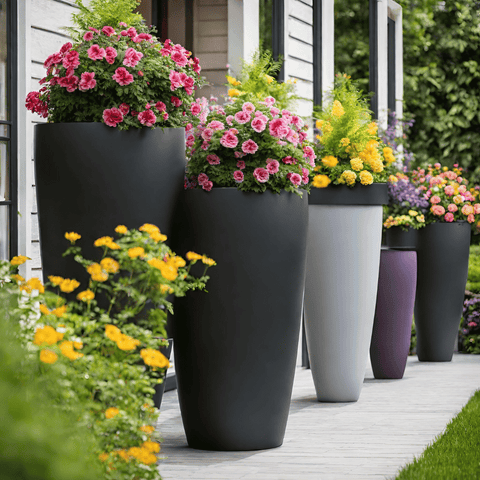
Group tall planters in odd numbers for a natural look. Mix different sizes and shapes to add interest. Use matching colors or themes to create unity. Place them near doorways or along paths to guide the eye.
- Put three planters of varying heights together
- Mix round and square shapes for contrast
- Use the same plant type in all for cohesion
- Cluster planters to create a focal point
- Space them evenly for a clean look
Using Decorative Elements
Decorative elements add personality to tall planters. You can use stones, moss, or small statues on the soil surface. Wrapping planters with fabric or rope gives a rustic feel. Lights around planters create a warm glow at night.
| Decoration | Effect | Tip |
|---|---|---|
| Colored stones | Brightens the planter | Choose colors that match plants |
| Moss layer | Keeps soil moist and fresh | Replace moss every few months |
| Small garden statues | Adds charm and personality | Use weatherproof materials |
| Twine wrap | Gives a rustic style | Secure tightly around the planter |
Seasonal Decoration Tips
Changing decorations with the seasons keeps tall planters fresh and interesting. Use bright flowers in spring and summer. Switch to warm tones and pinecones in fall. Add lights and evergreen branches for winter.
- Spring: Plant tulips and daffodils, add pastel ribbons
- Summer: Use bright blooms like marigolds, add seashells
- Fall: Include chrysanthemums, decorate with pumpkins
- Winter: Use holly, pine branches, and fairy lights
Frequently Asked Questions
What Soil Type Is Best For Tall Planters?
Use well-draining potting mix with organic matter. Avoid heavy garden soil to prevent waterlogging and root rot.
How Deep Should I Plant In Tall Planters?
Plant at least twice the root ball depth. This gives roots enough space to grow and anchors the plant securely.
How Often Should I Water Plants In Tall Planters?
Water when the top 1-2 inches of soil feel dry. Tall planters dry faster, so check moisture regularly.
Can Tall Planters Support Large Plants?
Yes, with proper soil and stable planter material. Ensure drainage and avoid overwatering to keep plants healthy.
Conclusion
Tall planters add style and height to any garden space. Choose the right soil and plants that fit the planter size. Water regularly, but avoid overwatering to keep roots healthy. Place planters where plants get enough sunlight. Remember to check drainage holes to prevent water buildup.
With these steps, your tall planters will thrive. Enjoy the beauty and ease of gardening with tall planters. Simple care leads to strong, healthy plants every time. Happy planting!