Imagine you’re driving and suddenly notice your car tire losing air. It’s stressful, right?
But don’t worry—you can fix it quickly by learning how to plug your car tire yourself. This simple skill can save you time, money, and the hassle of waiting for roadside help. In this guide, you’ll discover easy steps to get your tire back in shape and be on your way faster than you think.
Ready to take control and handle tire troubles like a pro? Let’s dive in.

Credit: www.youtube.com
Tools Needed
Fixing a car tire puncture needs the right tools. Having these ready helps you work faster and safer.
This guide lists the must-have tools and some extra items that make the job easier.
Essential Repair Kit
The essential repair kit contains tools needed to plug a car tire properly. These tools help remove the object, clean the hole, and insert the plug.
- Tire plug strips – sticky rubber strips to fill the puncture
- T-handle rasp tool – roughens the hole for better plug hold
- T-handle insertion tool – pushes the plug into the puncture
- Reamer tool – cleans and widens the hole if needed
- Rubber cement or vulcanizing glue – helps seal the plug inside the tire
- Air compressor or tire inflator – to refill the tire with air
- Pressure gauge – measures tire pressure after repair
Additional Helpful Items
Extra tools and supplies improve safety and speed up the repair process. They also prepare you for unexpected problems.
| Item | Purpose |
| Work gloves | Protect hands from dirt and sharp objects |
| Flashlight | Provides light if repairing in low visibility |
| Jack and lug wrench | Remove the tire from the car if needed |
| Soapy water spray | Detects air leaks after repair |
| Rags or paper towels | Clean the tire surface and tools |
| Portable tire patch kit | Alternative fix for larger punctures |
Identifying The Puncture
Finding the exact spot of a tire puncture is important before fixing it. It helps you know where to plug the tire.
Checking the puncture carefully can show how bad the damage is. This helps decide if the tire can be repaired.
Locating The Leak
Start by looking for visible signs of damage on the tire. Small holes or nails often cause leaks.
Use soapy water to find leaks if you cannot see the hole. The bubbles will form where air escapes.
- Check the tread and sidewalls for nails or sharp objects
- Apply soapy water on the tire surface
- Look for bubbles to spot the leak
- Mark the leak location with chalk or a marker
Assessing Tire Damage
Not all punctures can be safely repaired. You need to check how deep and large the damage is.
If the hole is too close to the tire edge or sidewall, do not plug it. These areas are unsafe to fix.
- Measure the size of the hole
- Check if the damage is inside the tread area
- Inspect for cracks or cuts on the sidewall
- Decide if the tire needs full replacement
Preparing The Tire
Fixing a car tire starts with good preparation. You must get the tire ready before plugging a hole.
Proper preparation helps the plug hold tight. It also keeps you safe during the repair.
Removing The Tire
First, lift the car with a jack and remove the tire. Loosen the lug nuts before raising the car.
Take the tire off the wheel hub. Place it on a flat surface so you can work on it easily.
- Park the car on a level surface
- Use a jack to lift the car safely
- Remove the lug nuts with a wrench
- Take the tire off carefully
Cleaning The Puncture Area
Look for the hole or puncture on the tire. Clean the area around it well before plugging.
Use a wire brush or sandpaper to remove dirt and rubber bits. This helps the plug stick better.
- Find the exact spot of the puncture
- Remove stones, dirt, and debris
- Roughen the surface with a wire brush
- Wipe the area clean with a cloth

Credit: www.motortrend.com
Plugging The Tire
Fixing a tire with a plug is a quick way to stop air leaks. This method works well for small punctures in the tread.
Before plugging, make sure to locate the hole and prepare the tire properly. Follow the correct steps for a safe repair.
Inserting The Plug
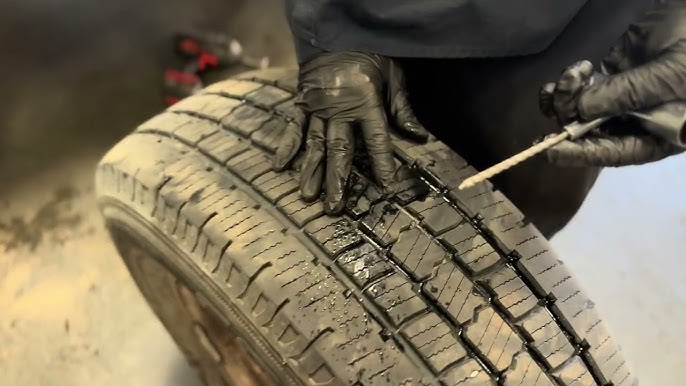
Insert the plug into the tire carefully to fill the hole and stop air from escaping. Use a plug tool and rubber plug strip for best results.
- Remove any object stuck in the tire.
- Use a reamer tool to clean and widen the hole.
- Thread the rubber plug strip into the insertion tool.
- Push the plug into the hole until only a small part remains outside.
- Pull the tool out quickly, leaving the plug in place.
Sealing The Hole
After inserting the plug, sealing the hole ensures a tight fit and prevents leaks. Check the plug and tire surface carefully.
| Action | Description |
| Trim Excess Plug | Cut off any plug material sticking out past the tire surface. |
| Apply Sealant | Use rubber cement or tire sealant around the plug area. |
| Check for Leaks | Spray soapy water and watch for bubbles indicating air leaks. |
| Inflate Tire | Fill the tire to the recommended pressure level. |
Reinflating And Testing
After plugging a car tire, it is important to reinflate it properly. This helps restore the tire’s pressure.
Testing the tire ensures the plug holds and there are no leaks. This keeps you safe on the road.
Inflating The Tire
Use an air compressor or a tire inflator to fill the tire with air. Check the car manual for the right pressure.
Do not overinflate the tire. Overinflation can cause damage or unsafe driving conditions.
- Attach the inflator to the valve stem
- Fill the tire slowly with air
- Use a pressure gauge to check the pressure
- Stop inflating when the pressure matches the recommended level
Checking For Leaks
After inflating, check the plug area for air leaks. Leaks can make the tire lose pressure quickly.
Use soapy water on the plugged area. Bubbles show where air is escaping.
- Mix soap and water in a spray bottle
- Spray the mixture on the plugged spot
- Look for bubbles forming on the tire surface
- If bubbles appear, the plug may not be sealed properly
- Repeat the plugging process if needed
Safety Tips
Plugging a car tire can be a helpful fix for small punctures. Safety is very important during this process.
Always follow careful steps to avoid accidents or making the damage worse. Use the right tools and protect yourself.
When To Replace Instead
Not all tire damage can be safely repaired with a plug. Some problems need a tire replacement for safety.
- If the sidewall or shoulder of the tire is damaged, replace it.
- Replace tires with large or multiple punctures.
- Do not plug tires with cuts or large tears.
- Replace tires if the tread is very worn or uneven.
- If a tire has been driven on while flat, replacement is safer.
Precautions During Repair
Take these precautions to ensure a safe and effective tire plug repair.
| Precaution | Reason |
| Use gloves and eye protection | Protects from dirt and debris |
| Work on a flat, stable surface | Prevents the car from moving |
| Deflate the tire before repair | Prevents sudden air release |
| Use approved tire plug kits | Ensures proper sealing and safety |
| Check tire pressure after repair | Ensures correct inflation for driving |
Maintaining Tire Health
Keeping your car tires in good shape is important for safety and fuel efficiency. Proper care helps tires last longer and perform better.
One simple way to maintain tire health is by plugging a tire if it gets a small puncture. This can prevent air leaks and extend the tire’s life.
Regular Inspection
Check your tires often for cuts, nails, or other damage. Look for uneven wear or bulges that may signal a problem.
Inspecting tires regularly helps you find issues early. Fixing small holes by plugging stops bigger damage later.
- Look for nails or sharp objects stuck in the tire
- Check for cracks or sidewall damage
- Notice any uneven tread wear
- Feel for any soft spots or bulges
Proper Tire Pressure
Keep your tires inflated to the pressure recommended by the car maker. Proper pressure improves safety and fuel economy.
Low pressure can cause tire damage and make the car harder to control. Too much pressure can reduce traction and cause uneven wear.
- Check tire pressure at least once a month
- Use a good quality pressure gauge
- Adjust pressure when tires are cold
- Follow the car manufacturer’s pressure guide

Credit: www.youtube.com
Frequently Asked Questions
How Do I Know If My Car Tire Needs Plugging?
Check for visible punctures, slow air leaks, or a flat tire. Use soapy water to spot bubbles indicating leaks. If the hole is small and in the tread, plugging is a good option.
What Tools Are Needed To Plug A Car Tire?
You need a tire plug kit including reamer, plug insertion tool, rubber plugs, and rubber cement. These basic tools help you seal small punctures quickly and effectively.
Can I Plug A Tire Myself Safely?
Yes, with proper tools and instructions, you can plug a tire safely. Ensure the puncture is in the tread and not the sidewall. Follow the tire plug kit steps carefully.
How Long Does A Tire Plug Last?
A properly installed tire plug can last for months or years. It depends on driving conditions and tire maintenance. Regularly check the tire pressure to ensure the plug holds air.
Conclusion
Plugging a car tire can save time and money. It stops air from leaking quickly. Always check the tire after plugging. Drive carefully and avoid high speeds. Remember, this fix is temporary, not permanent. Visit a professional for a full repair soon.
Knowing how to plug a tire helps in emergencies. Stay safe on the road with quick action. Keep a tire plug kit in your car. Simple steps can prevent bigger problems later.