Imagine you’re out on your motorcycle, feeling the thrill of the open road, when suddenly you notice your tire losing air. It’s frustrating, right?
But before panic sets in, what if you could fix it yourself quickly and safely? Knowing how to plug a motorcycle tire can save you time, money, and the hassle of waiting for help. In this guide, you’ll learn simple, step-by-step methods to get your tire back in shape and keep riding without worry.
Ready to take control and never get stranded again? Let’s dive in.

Credit: www.amazon.com
Tools Needed
Fixing a motorcycle tire puncture needs the right tools. Having them ready helps you repair quickly.
Knowing what tools to use makes the job easier and safer. Let’s look at what you need.
Essential Repair Kit
The basic repair kit has the most important tools. These tools help you plug the tire hole fast.
- Tire plug strips – sticky plugs to seal holes
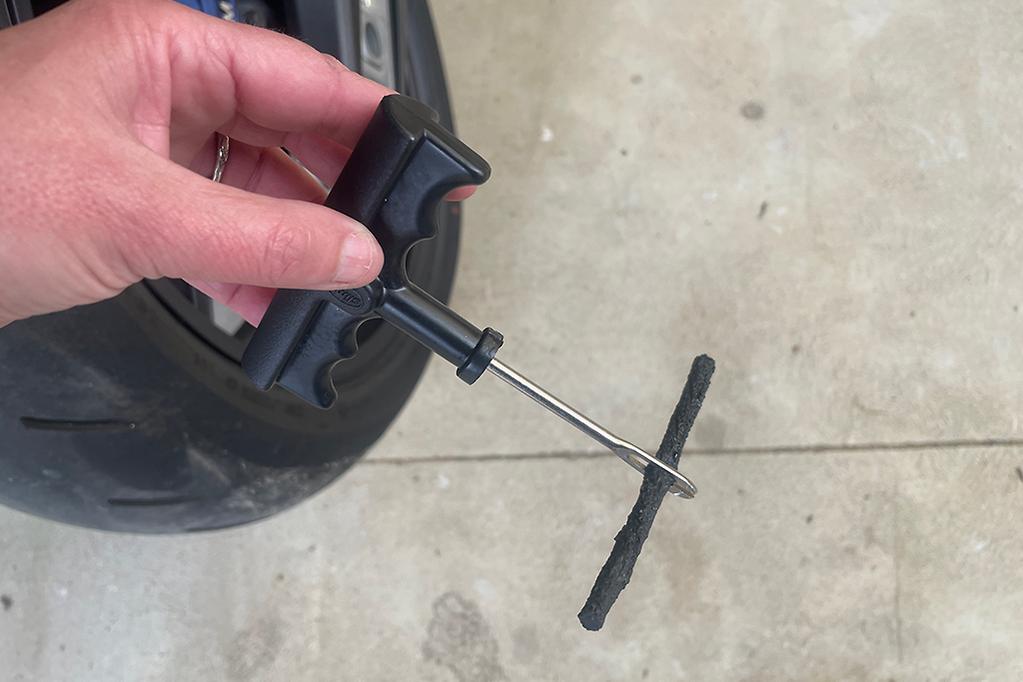
- T-handle reamer tool – cleans and widens the hole
- T-handle insertion tool – pushes the plug into the hole
- Rubber cement – helps the plug stick better
- Pliers – pull out nails or objects from the tire
These tools fit in a small bag. You can carry the kit on your bike for emergencies.
Additional Helpful Items
Extra tools make the repair easier and safer. They are not always needed but useful to have.
- Air pump or CO2 inflator – to refill the tire after repair
- Pressure gauge – checks tire pressure after fixing
- Gloves – protect your hands from dirt and sharp objects
- Flashlight – helps see the hole in low light
- Soap water spray – finds small leaks by bubbles
Having these extra items improves your repair experience. They help make sure the tire is safe to ride.

Credit: www.amazon.co.uk
Identifying The Puncture
Finding the exact spot of a puncture on a motorcycle tire is important. It helps you know where to apply the plug. This process ensures your tire will hold air after repair.
We will cover two key parts: locating the leak and assessing how bad the damage is. Each part helps you decide if the tire can be safely fixed.
Locating The Leak
Start by finding where air escapes. This can be done with simple tools and careful checks.
- Listen closely for hissing sounds near the tire.
- Mix soapy water and spread it on the tire surface.
- Watch for bubbles forming; bubbles show air is escaping.
- Check the valve stem and tread carefully.
- Mark the spot with chalk or tape once found.
Assessing Damage Severity
After locating the leak, check how big and deep the damage is. This helps to decide if plugging is safe or if tire replacement is needed.
| Damage Type | Size | Can Plug Fix? |
| Puncture | Less than 1/4 inch | Yes |
| Cut or Tear | More than 1/4 inch | No |
| Sidewall Damage | Any size | No |
| Large Hole | More than 1/2 inch | No |
Preparing The Tire
Before plugging a motorcycle tire, you must prepare it properly. This ensures the plug holds well and prevents air leaks.
Proper preparation makes the repair safe and effective. Start by removing the tire and cleaning the puncture area carefully.
Removing The Tire
Remove the tire from the motorcycle wheel to access the puncture. Use proper tools like tire irons and a rim protector.
Deflate the tire completely before prying it off the rim. Work slowly to avoid damage to the tire or wheel.
- Place the wheel on a clean surface
- Use tire irons to lift the tire bead
- Work around the rim to free the tire
- Remove the tire carefully from the rim
Cleaning The Puncture Area
Clean the puncture site to remove dirt, debris, and moisture. This helps the plug stick tightly inside the hole.
Use a cloth or sandpaper to roughen the area around the puncture. This improves the plug’s grip on the tire.
- Wipe the area with a clean cloth
- Remove any dirt or grease
- Lightly sand around the hole
- Keep the surface dry before plugging

Credit: www.amazon.ca
Inserting The Plug
Inserting a plug into a motorcycle tire is a key part of fixing a puncture. You need to do it carefully to stop the air from leaking.
This guide explains how to insert the plug properly using rubber cement and the plugging tool.
Applying Rubber Cement
Rubber cement helps the plug stick inside the tire. It makes the repair stronger and stops air leaks.
Apply a small amount of rubber cement to the plug before inserting it. Cover the plug evenly with cement.
- Use enough cement to cover the whole plug surface
- Do not use too much to avoid mess inside the tire
- Let the cement become sticky before inserting the plug
Using The Plugging Tool
The plugging tool pushes the plug deep into the hole in the tire. It holds the plug firmly while you insert it.
Insert the plug into the tool’s eyelet. Push the tool into the hole until the plug is inside the tire.
- Push the plug about two-thirds into the tire
- Pull the tool out carefully to leave the plug inside
- Trim the plug ends flush with the tire surface
Finishing The Repair
After plugging your motorcycle tire, you need to finish the repair carefully. This step makes sure the plug stays in place and the tire works well.
Proper finishing keeps your tire safe for riding. Follow these steps to complete the repair.
Trimming Excess Plug
Once the plug is inside the tire, trim the extra part sticking out. Cut it close to the tire surface without pulling the plug.
Use a sharp knife or scissors to make a clean cut. This prevents damage to the plug and tire.
- Hold the plug steady before cutting
- Cut flush with the tire surface
- Remove any loose pieces
Reinstalling The Tire
After trimming the plug, reinstall the tire onto the motorcycle wheel. Make sure it fits properly and sits evenly on the rim.
Check the tire for any leaks by inflating it to the right pressure. Look for bubbles or air escaping near the repair.
- Place the tire on the wheel carefully
- Inflate to recommended pressure
- Inspect the plug area for leaks
- Adjust if needed before riding
Testing The Repair
After plugging your motorcycle tire, you must test the repair. This step ensures the plug holds and the tire is safe to use.
Testing helps find leaks early. It prevents accidents caused by sudden air loss.
Inflating The Tire
Inflate the tire slowly to the recommended pressure. Use a reliable air compressor or pump for accuracy.
Do not overinflate. Follow the pressure level shown on the tire sidewall or the owner’s manual.
Checking For Leaks
Check the plugged area for air leaks. Use soapy water and apply it over the repair spot.
Look for bubbles forming at the plug site. Bubbles mean air is escaping and the repair is not sealed.
- If you see bubbles, remove the plug and try again.
- If no bubbles appear, the plug is secure and the tire is ready.
- Repeat this test after riding a short distance.
Safety Tips
Plugging a motorcycle tire can save you from a flat. It is a quick fix but must be done carefully.
Always check the tire condition before and after plugging. Safety comes first to avoid accidents.
When To Replace The Tire
Plugging a tire is not always the best solution. Replace the tire if the damage is too big or in the sidewall.
If the tire shows deep cracks, bulges, or worn tread, replace it immediately. Plugging will not fix these issues.
- Replace if the hole is larger than 1/4 inch (6mm)
- Replace if damage is on the sidewall or shoulder
- Replace if tread depth is below 2/32 inch (1.6mm)
- Replace if tire has visible cracks or bulges
Regular Maintenance Advice
Check your tires often for nails, cuts, and air pressure. Good maintenance helps prevent flats.
Keep tire pressure at the recommended level. Under or over inflation causes uneven wear and risks.
- Inspect tires before every ride
- Use a pressure gauge to check air levels
- Clean tires to spot damage easily
- Rotate tires if your bike model allows it
Frequently Asked Questions
How Do I Plug A Motorcycle Tire Safely?
To plug a motorcycle tire safely, locate the puncture, remove the object, and clean the hole. Insert a rubber plug with a plug tool, then trim excess plug material. Inflate the tire to the recommended pressure and check for leaks.
Can I Plug A Tire With A Large Puncture?
No, large punctures or sidewall damage cannot be safely plugged. Such damage requires tire replacement. Always inspect the puncture size before plugging to ensure safe and effective repair.
How Long Does A Motorcycle Tire Plug Last?
A properly installed tire plug can last the tire’s lifespan. However, plugs are considered temporary fixes, and professional inspection is advised for long-term safety.
Is A Tire Plug Better Than A Patch?
Tire plugs are quicker and easier for small punctures. Patches provide a more durable seal but require tire removal. Both methods are effective when done correctly.
Conclusion
Plugging a motorcycle tire is simple and essential. It ensures safety on the road. Always keep a tire plug kit handy. Practice makes it easier over time. Check the tire for leaks after plugging. This helps in maintaining proper air pressure.
Seek help if unsure about the process. Proper tire maintenance extends the life of your motorcycle. Riding with confidence comes from knowing your tires are secure. Stay prepared and enjoy your rides safely. Remember, a plugged tire can save you from unexpected troubles.
Your journey continues smoothly with these tips in mind.