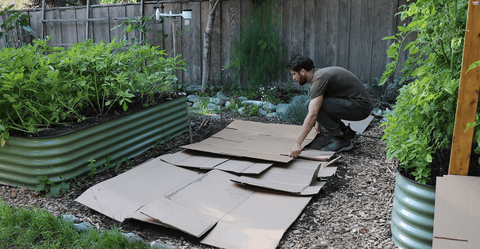
If you want to grow fresh vegetables, herbs, or flowers right in your backyard, starting with a raised garden bed is a smart choice. But before you plant a single seed, you need to prepare your raised bed the right way.
Getting this step right can make all the difference between a garden that thrives and one that struggles. In this guide, you’ll learn simple, practical tips to prep your raised garden bed so your plants get the best start possible.
Ready to turn your garden dreams into reality? Let’s dive in and make sure your raised bed is set up for success from day one.

Credit: www.youtube.com
Choosing The Location
Picking the right spot for your raised garden bed is very important. The location affects how well your plants grow and how easy it is to care for them.
Think about sunlight, soil drainage, and how easy it is to reach the garden bed. These factors help your garden thrive.
Assessing Sunlight Needs
Most vegetables and flowers need at least six hours of sunlight daily. Check the spot to see how much sun it gets during the day.
Choose a place that is not shaded by trees or buildings. Too little sun can slow plant growth.
- Observe the area from morning to afternoon
- Note any shadows that cover the spot
- Pick a place with full or partial sun
Checking Soil Drainage
Good drainage prevents water from pooling around plant roots. Waterlogged soil can harm your plants.
Test the soil by digging a small hole and filling it with water. If water drains in a few hours, the soil drains well.
- Dig a hole about 12 inches deep
- Fill it with water and watch how fast it drains
- Look for areas where water stays too long
Considering Accessibility
Place your raised bed where you can easily reach it for planting, watering, and harvesting. This saves time and effort.
Think about the path to the bed and space around it. Avoid spots that are hard to get to or crowded.
- Choose a location near your house or water source
- Leave enough space to walk around the bed
- Make sure tools and supplies are easy to bring

Credit: www.sproutboxgarden.com
Selecting Materials
Choosing the right materials for your raised garden bed is important. The materials affect how long the bed will last and how safe it is for plants.
This guide covers wood choices, other materials you can use, and the tools you need to build your bed.
Wood Options And Treatments
Wood is a popular choice because it looks natural and is easy to work with. Some woods last longer than others and need less care.
- Cedar: Naturally resists rot and insects, lasts many years.
- Redwood: Durable and attractive but can be expensive.
- Pine: Affordable but needs treatment to resist decay.
- Pressure-treated wood: Chemically treated to last, but avoid if you grow food directly in it.
Alternative Building Materials
You can use other materials besides wood. Some last longer and some look modern.
| Material | Benefits | Considerations |
| Metal | Strong and long-lasting | Can heat soil quickly |
| Concrete Blocks | Durable and stable | Heavy and hard to move |
| Recycled Plastic | Weatherproof and low maintenance | May be costly upfront |
| Composite Wood | Resists rot and insects | Less natural look |
Tools Required
Gathering the right tools makes building easier and safer. Here are the basics you will need.
- Measuring tape to get accurate dimensions
- Saw for cutting wood or other materials
- Drill and screws to join pieces securely
- Level to ensure the bed is flat
- Work gloves to protect your hands
- Shovel for preparing the soil
Building The Frame
Building the frame for a raised garden bed is a crucial task. A sturdy frame ensures your plants have a safe, supportive environment to thrive in.
Let’s explore how to measure, cut, assemble, and secure the structure effectively. This guide will help you create a lasting garden bed frame.
Measuring And Cutting
Accurate measurements are key to a perfect fit. Start by deciding the dimensions for your raised bed.
Use a tape measure to mark the wood. Then, cut the wood with a saw, ensuring straight lines.
- Mark each piece of wood clearly
- Double-check measurements before cutting
- Wear safety goggles while using the saw
Assembling The Bed
Now, it’s time to assemble the pieces. Lay them out on a flat surface to begin.
Align the corners and connect the pieces using screws or nails. Ensure each corner is secure.
- Use a screwdriver or hammer for assembly
- Check for gaps between the wood pieces
- Ensure the bed is level and even
Securing The Structure
Securing your garden bed is essential for stability. Use brackets or stakes for added strength.
Attach the brackets at each corner. Alternatively, drive stakes into the ground inside the frame for support.
- Ensure brackets are rust-proof
- Use a rubber mallet for stakes
- Check stability after securing
Preparing The Soil
Preparing the soil is key for a healthy raised garden bed. Good soil helps plants grow strong and stay healthy.
Before planting, you need to clear the area and improve the soil quality. This makes it easier for roots to grow.
Removing Grass And Weeds
Remove all grass and weeds from your raised bed area. These plants compete with your vegetables for nutrients and water.
Pull weeds by hand or use a hoe to clear the surface. Make sure to get roots to stop them from growing back.
Loosening The Soil
Loosen the soil to improve air flow and water drainage. This helps roots spread easily through the soil.
Use a garden fork or tiller to break up hard soil. Work the soil to a depth of about 12 inches.
Adding Compost And Amendments
Mix compost into the soil to add nutrients and improve soil texture. Compost feeds plants and holds moisture well.
You can also add amendments like peat moss or vermiculite to improve drainage and soil structure.
- Spread 2-3 inches of compost over the soil
- Mix amendments evenly with the top 6-12 inches of soil
- Water the soil lightly after mixing
Filling The Bed
Filling a raised garden bed properly helps plants grow strong. Good soil and care make a big difference.
Use the right materials and prepare the bed well. This will keep your plants healthy and happy.
Layering Soil And Organic Matter
Start by adding a base layer of coarse material like small branches or straw. This helps air flow in the soil.
Next, add a mix of garden soil and organic matter such as compost or aged manure. This mix feeds your plants.
- Coarse layer for airflow and drainage
- Topsoil mixed with compost for nutrients
- Avoid using fresh manure to prevent burning plants
Ensuring Proper Drainage
Drainage stops water from pooling and hurting plant roots. Make sure water can flow out easily.
Add materials like sand or small gravel if your soil holds too much water. Check that the bed has holes or gaps at the bottom.
- Use coarse materials under soil for drainage
- Add sand or gravel to heavy soils
- Check for drainage holes or gaps
Leveling The Surface
After filling, smooth the soil surface. This helps water spread evenly and roots grow straight.
Use a rake or your hands to level the soil gently. Avoid compacting it too hard to keep air pockets.

Credit: www.thegardenacademy.com
Planting Tips
Preparing a raised garden bed well helps plants grow strong. You should choose the right plants, plan space, and water correctly.
Good planting habits give your garden the best chance to thrive and produce healthy crops or flowers.
Choosing Suitable Plants
Select plants that match your climate and soil. Some plants do better in raised beds than others.
Consider how much sun the bed gets and pick plants that need that amount of light.
- Leafy greens like lettuce and spinach grow well in raised beds
- Root vegetables such as carrots and radishes need loose soil
- Herbs like basil and thyme prefer good drainage
- Tomatoes and peppers need full sun and space
Spacing And Layout
Give each plant enough space to grow. Crowding causes poor air flow and weak plants.
Plan your layout based on how tall and wide plants will get.
- Place taller plants on the north side to avoid shading smaller ones
- Follow seed packet spacing instructions for best results
- Group plants with similar water needs together
- Use rows or blocks for easy maintenance and harvesting
Watering Strategies
Water raised beds deeply but less often to encourage strong roots.
Check soil moisture before watering. Overwatering can harm plants.
- Water early in the day to reduce evaporation
- Use drip irrigation or soaker hoses to save water
- Mulch the soil surface to keep moisture in
- Adjust watering based on weather and plant needs
Maintenance Essentials
Taking care of a raised garden bed is important to keep plants healthy. Regular attention helps your garden grow strong and produce well.
This guide covers key maintenance tasks to keep your garden bed in top shape all year.
Regular Watering And Feeding
Your plants need water to grow. Water them deeply but not too often to avoid root problems.
Feed your plants with natural fertilizers or compost to provide nutrients. This keeps soil rich and plants healthy.
- Water early in the morning or late in the evening
- Check soil moisture before watering
- Use compost or organic fertilizers monthly
- Avoid overfeeding to prevent nutrient buildup
Weed Control
Weeds compete with your plants for water and nutrients. Remove them regularly to keep your garden clean.
Mulching helps stop weed growth and keeps soil moist. Use straw, leaves, or wood chips around plants.
- Pull weeds by hand when soil is moist
- Apply mulch 2-3 inches thick over soil
- Check for new weeds weekly
- Avoid using harsh chemicals near plants
Seasonal Care
Change your care routine with the seasons. Prepare your garden bed for cold or hot weather to protect plants.
Clean up dead leaves and old plants in fall. Add fresh compost to renew the soil for spring planting.
- In spring, loosen soil and add compost
- In summer, increase watering during dry spells
- In fall, clear debris and cover soil with mulch
- In winter, protect plants with covers if needed
Frequently Asked Questions
How Do I Prepare Soil For A Raised Garden Bed?
Start by removing weeds and debris from the bed area. Loosen the soil with a garden fork. Mix in organic compost to improve nutrients and drainage. Ensure the soil is well-drained and fertile before planting.
What Materials Are Best For Raised Garden Bed Soil?
Use a mix of topsoil, compost, and peat moss. This combination retains moisture, provides nutrients, and improves soil structure. Avoid heavy clay or sandy soils alone, as they either drain too fast or retain too much water.
How Deep Should Soil Be In A Raised Garden Bed?
Fill your raised bed with at least 12 inches of quality soil. For root vegetables, aim for 18 inches. This depth supports healthy root growth and better plant development.
When Is The Best Time To Prep A Raised Garden Bed?
Prepare your raised bed in early spring or fall. This timing allows soil to settle and nutrients to integrate. It also gives plants a strong start during the growing season.
Conclusion
Preparing a raised garden bed takes some simple steps. Clear the area and check the soil quality. Add good soil mix and compost for healthy plants. Make sure the bed has proper drainage. Water the soil lightly before planting seeds.
Keep the bed clean and remove weeds often. This helps your garden grow strong and healthy. Start small and enjoy watching your plants thrive. Gardening can be easy and fun with proper preparation. Try these tips and see your garden flourish this season.