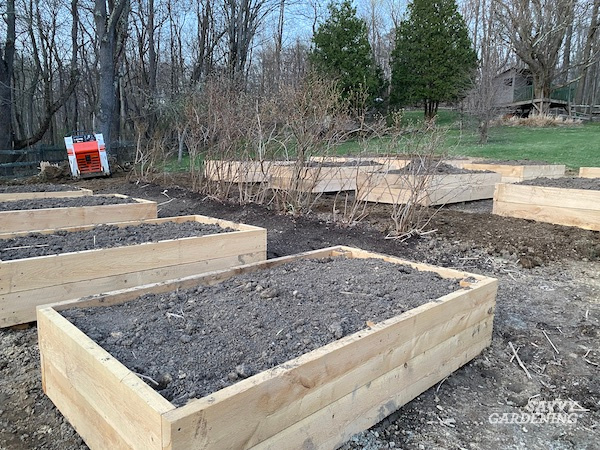
Are you ready to grow your own fresh vegetables, herbs, or flowers but don’t know where to start? Building a raised garden bed is one of the easiest and most effective ways to create a thriving garden, even if you have limited space or poor soil.
Imagine having a beautiful, organized garden that’s easy to maintain and delivers bountiful harvests. In this guide, you’ll discover simple, step-by-step tips to prepare your raised garden bed the right way. Keep reading, and soon you’ll be on your way to enjoying a vibrant, healthy garden that you can be proud of.
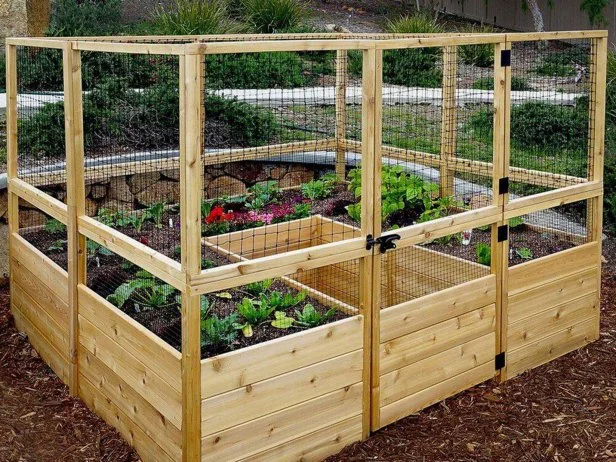
Credit: www.hgtv.com
Choosing The Location
Picking the right spot for your raised garden bed is very important. The location affects how well your plants grow.
Consider sunlight, soil drainage, and how easy it is to reach the bed. These factors help create a healthy garden.
Assessing Sunlight Needs
Most vegetables need at least six hours of sunlight each day. Find a place that gets enough sun.
- Observe the sun path in your yard for a few days.
- Note any shade from trees or buildings.
- Choose a spot with morning sun and less afternoon heat.
Considering Soil Drainage
Good drainage keeps plant roots healthy. Water should not stay pooled in the area.
| Drainage Type | Signs | What to Do |
| Good Drainage | Water drains quickly | Perfect for raised beds |
| Poor Drainage | Water pools or drains slowly | Improve soil or pick another spot |
Access And Convenience
Choose a location that is easy to reach. This saves effort when watering and harvesting.
- Place the bed near a water source.
- Ensure there is space to walk around the bed.
- Keep it close to your house if possible.

Credit: www.youtube.com
Selecting Materials
Choosing the right materials for your raised garden bed is important. The materials affect durability and plant health.
Consider factors like cost, availability, and environmental impact. Different materials offer various benefits for your garden.
Wood Options And Treatments
Wood is a popular choice for raised garden beds. It is natural and easy to work with.
Cedar and redwood are great choices. They resist rot and insects naturally.
- Cedar: Long-lasting and resistant to decay
- Redwood: Durable and insect-resistant
- Pine: Cheaper but needs treatment
Alternative Materials
If wood is not your choice, there are other options. Consider metal, stone, or recycled plastic.
These materials can offer longer life spans. Some require less maintenance than wood.
- Metal: Strong and long-lasting
- Stone: Natural and very durable
- Recycled Plastic: Eco-friendly and weather-resistant
Tools Required
Having the right tools makes building easier. Basic tools help you assemble the bed efficiently.
Ensure you have these tools before you start. It saves time and effort.
- Hammer: For nailing wood pieces
- Screwdriver: For assembling metal or plastic parts
- Saw: For cutting wood to size
Building The Frame
Building a raised garden bed frame is the first step to growing healthy plants. A strong frame holds soil and plants in place.
This guide explains how to measure, cut, assemble, and secure the frame.
Measuring And Cutting
Start by deciding the size of your garden bed. Measure the wood pieces carefully before cutting.
Use a saw to cut the wood to the right lengths. Keep cuts straight for a good fit.
- Measure twice to avoid mistakes
- Cut four pieces: two long and two short
- Use sturdy wood like cedar or pine
Assembling The Structure
Place the cut pieces on a flat surface to form a rectangle. Align the corners tightly for a strong frame.
Attach the pieces using screws or nails. Make sure the frame is square by checking the corners.
- Use a drill or hammer for fast assembly
- Check corners with a carpenter’s square
- Tighten screws to prevent movement
Securing The Frame
Place the frame where you want your garden bed. Press it into the soil to keep it steady.
Add stakes at each corner for extra support. Drive them into the ground and attach them to the frame.
- Use metal or wooden stakes
- Attach stakes with screws or nails
- Check stability by pressing the frame
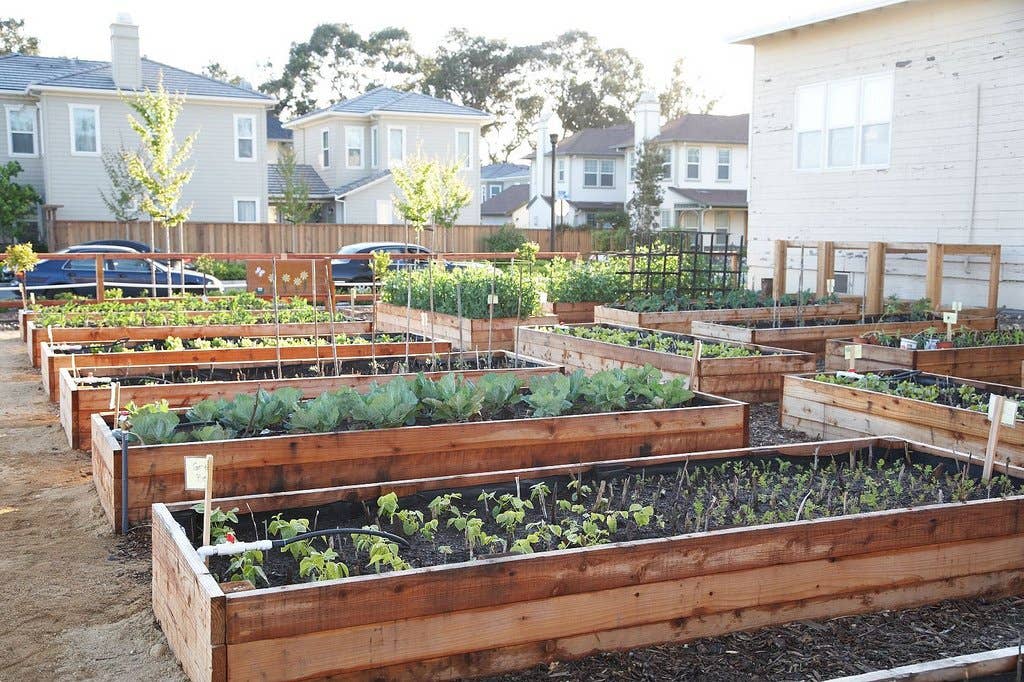
Credit: dengarden.com
Preparing The Base
Preparing the base is an important step for a raised garden bed. It helps plants grow healthy and strong.
This guide shows how to prepare the base by clearing the ground, adding a weed barrier, and improving drainage.
Clearing The Ground
Start by removing grass, weeds, and rocks from the area. This makes space for your garden bed.
Use a shovel or hoe to dig out roots and unwanted plants. Level the soil to create a flat surface.
Adding A Weed Barrier
Place a weed barrier over the cleared ground. This stops weeds from growing up into the garden bed.
Choose a landscape fabric or heavy cardboard. Cut it to fit the bed size and lay it flat on the soil.
- Use landscape fabric for long-term weed control
- Cardboard is an eco-friendly and cheap option
- Overlap edges to prevent weed gaps
Improving Drainage
Good drainage helps keep plant roots healthy. Water should flow out easily from the raised bed.
Add a layer of coarse gravel or small stones under the soil. This helps water drain away quickly.
- Use 2 to 3 inches of gravel or stones
- Spread evenly across the base
- Ensure the bed is slightly raised or sloped for water flow
Filling The Bed
Filling a raised garden bed correctly helps plants grow strong. Good soil and compost give roots what they need.
We will look at choosing soil mix, layering compost and soil, and leveling the surface.
Choosing Soil Mix
Pick a soil mix that drains well and holds moisture. It should be light and rich in nutrients for healthy plants.
A good mix often contains garden soil, compost, and materials like peat moss or coconut coir.
- Garden soil adds minerals and weight
- Compost improves fertility and texture
- Peat moss or coir help keep moisture
- Sand or perlite improves drainage
Layering Compost And Soil
Start by adding a layer of compost at the bottom of the bed. This feeds the plants as they grow.
Next, add a layer of your chosen soil mix on top. This creates a healthy environment for roots to spread.
- Place 2 to 3 inches of compost first
- Add 6 to 8 inches of soil mix on top
- Mix the top layers gently if needed
Leveling The Surface
After filling, smooth the soil surface. Level soil makes planting easier and helps water soak evenly.
Use a rake or your hands to even out the top. Avoid compacting the soil too much to keep it loose.
Planting Tips
Preparing a raised garden bed well helps your plants grow strong. Good planning makes it easy to care for them later.
Use smart planting methods to get the best results in your garden bed.
Selecting Suitable Plants
Choose plants that match your climate and soil type. Pick plants that grow well in raised beds.
- Pick vegetables like lettuce, carrots, and beans.
- Choose herbs such as basil, thyme, and parsley.
- Consider flowers like marigolds to add color and repel pests.
- Check plant height to avoid shading smaller plants.
Spacing And Arrangement
Give plants enough space to grow. Crowding plants leads to poor air flow and disease.
| Plant Type | Recommended Spacing | Notes |
| Lettuce | 6-8 inches | Plant in rows for easy harvesting |
| Carrots | 2-3 inches | Thin seedlings to avoid crowding |
| Beans | 4-6 inches | Use trellis for vertical growth |
| Basil | 8-10 inches | Place near tomatoes for better taste |
Watering Techniques
Water plants deeply and less often. This encourages strong roots and healthy growth.
- Water early in the morning to reduce evaporation.
- Use drip irrigation or soaker hoses to save water.
- Check soil moisture by touching the soil before watering.
- Avoid wetting leaves to prevent fungal diseases.
Maintenance Practices
Keeping a raised garden bed healthy needs regular care. Proper maintenance helps plants grow strong.
Simple daily and weekly tasks keep your garden bed in good shape. These tasks include watering, weeding, and feeding the soil.
Regular Watering
Water your raised bed often to keep soil moist. Plants need water to grow well and stay healthy.
Water early in the morning or late in the evening to reduce evaporation. Check soil moisture by touching the soil.
- Use a watering can or hose with a gentle spray
- Water deeply to reach plant roots
- Avoid overwatering to prevent root rot
- Mulch soil to keep moisture longer
Weed Control
Remove weeds from your raised bed regularly. Weeds compete with plants for water and nutrients.
Pull weeds by hand or use a hoe carefully. Mulching also helps stop weeds from growing.
- Check your garden bed every week for weeds
- Pull weeds before they flower or seed
- Use mulch like straw or wood chips to block weed growth
- Keep garden edges clean to stop weed spread
Soil Fertility Management
Healthy soil helps plants get the nutrients they need. Add compost or natural fertilizers to keep soil rich.
Test your soil to know what nutrients it lacks. Add organic matter each season to improve soil health.
- Add compost every spring and fall
- Use natural fertilizers like bone meal or fish emulsion
- Rotate crops to avoid nutrient depletion
- Avoid using too much chemical fertilizer
Frequently Asked Questions
What Materials Are Best For Building A Raised Garden Bed?
Wood like cedar or redwood is ideal due to durability and rot resistance. Avoid treated wood with chemicals. Alternatives include stone, brick, or metal for longer lifespan and aesthetics.
How Deep Should A Raised Garden Bed Be?
A depth of 12 to 18 inches is optimal for most vegetables. This allows enough space for root growth and proper drainage. Deeper beds are better for root crops like carrots.
What Soil Mix Is Best For Raised Beds?
Use a mix of 60% topsoil, 30% compost, and 10% potting soil. This blend provides nutrients, good drainage, and moisture retention essential for healthy plants.
How Often Should I Water A Raised Garden Bed?
Water deeply 2-3 times a week, depending on weather. Raised beds dry out faster, so consistent moisture is key. Early morning watering reduces evaporation and plant stress.
Conclusion
Preparing a raised garden bed takes some effort but brings great rewards. Start with good soil and choose the right location. Keep your bed well-watered and add compost often. Watch your plants grow strong and healthy. Raised beds help control weeds and pests easily.
Gardening this way saves space and time. Enjoy fresh vegetables and flowers from your own garden. Simple steps lead to a beautiful, productive garden space. Give it a try and see the difference!