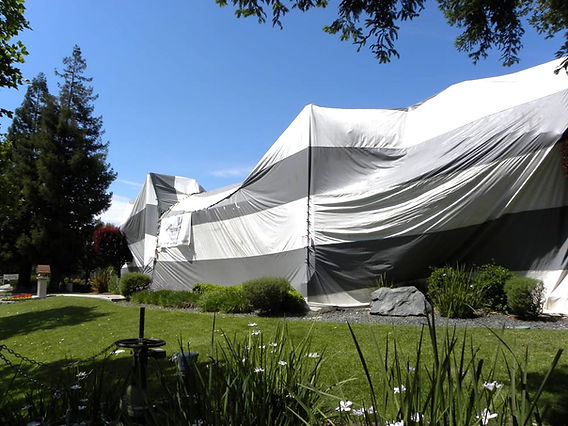
Termite tenting can feel overwhelming, but it doesn’t have to be. If you’ve discovered termites in your home, acting fast is key to protecting your investment.
You might wonder how to get ready for the process without stress or confusion. This guide will walk you through every step, making sure you know exactly what to do before, during, and after termite tenting. Keep reading to learn how to prepare your home and family, so the treatment goes smoothly and your home stays safe.
Credit: www.agpest.com
What Is Termite Tenting
Termite tenting is a way to treat a house for termites. It uses chemicals to kill termites inside the home.
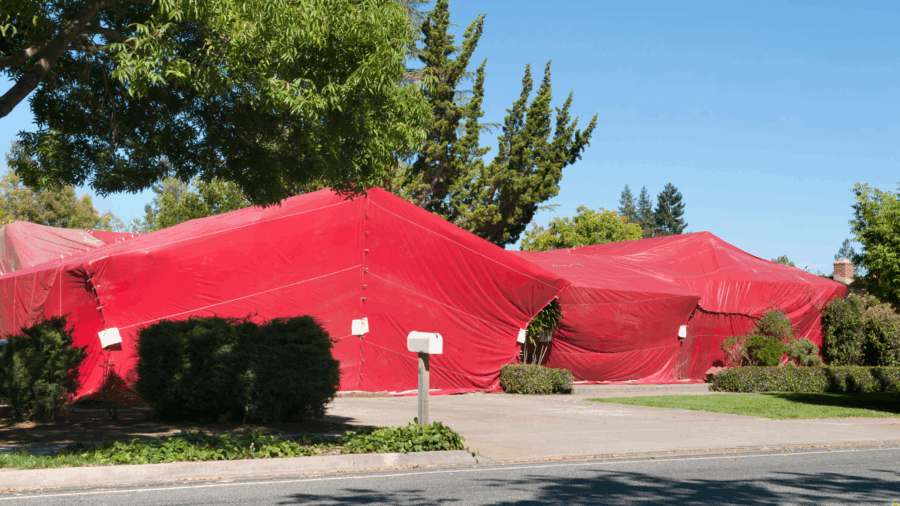
The house is covered with a large tent. Then, gas is released inside the tent to reach all areas.
Preparing Your Home For Termite Tenting
You must get your home ready before the termite tenting starts. This helps the treatment work well.
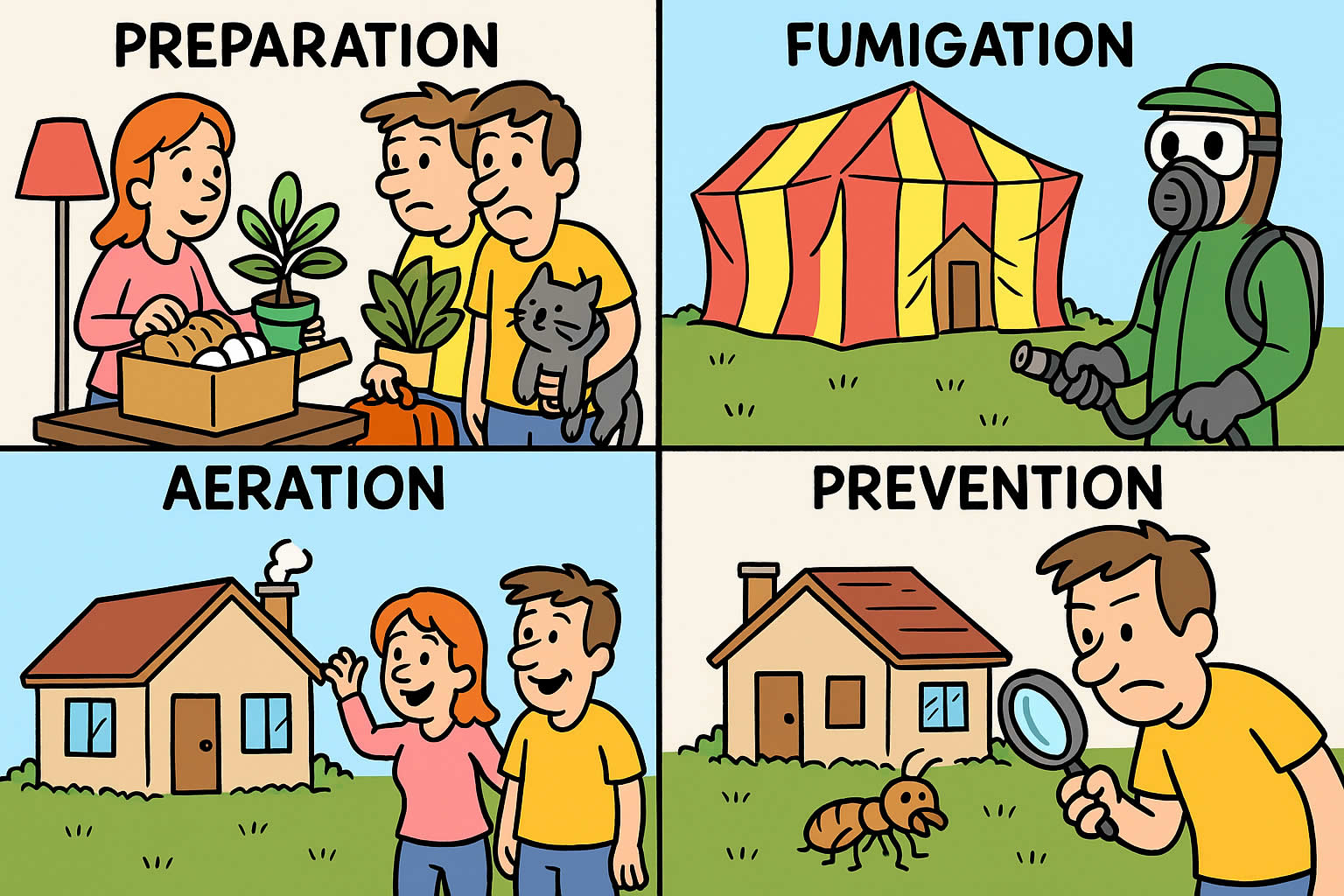
Remove all food, plants, and pets from the house. Cover or store items that cannot be moved.
- Take out all food and drinks
- Remove pets and plants
- Cover or seal kitchen appliances
- Open cabinets and drawers
What Happens During Termite Tenting
The pest control team covers your home with a tent. This traps the gas inside to reach all termites.
The gas is left inside the home for several hours. This kills termites in walls, floors, and ceilings.
- Home is sealed with a large tent
- Toxic gas is released inside
- Gas stays for 24 to 72 hours
- Termites are eliminated throughout the structure
After Termite Tenting: What To Do
After the treatment, wait before entering your home. The gas needs time to clear out safely.
Open windows and doors to air out the house. Clean surfaces before using food or drinks again.
- Wait at least 4 hours before re-entering
- Ventilate the home well
- Wash dishes and kitchen surfaces
- Check for any damage from the treatment
Signs You Need Tenting
Termites can damage your home without you noticing. Early signs help you act fast. Tenting is an effective way to stop termites.
Knowing the signs helps protect your property. Watch carefully for any warning signs of termite activity.
Mud Tubes On Walls Or Foundations
Termites build mud tubes to travel and protect themselves from air and predators. These tubes look like small dirt paths on walls or foundations.
Damaged Wood
Check wooden parts of your home for damage. Termites hollow out wood from the inside, leaving a thin surface layer that can break easily.
Swarmers Or Discarded Wings
Swarmers are winged termites that leave to start new colonies. You may also find small piles of discarded wings near windows or doors.
Hollow Sound When Tapping Wood
Tap wooden surfaces gently. If you hear a hollow sound, termites may have eaten the inside. This is a key sign that tenting might be needed.
Increased Moisture Around Home
Termites like damp places. Leaks, poor drainage, or wet soil near your home can attract termites and increase risk.
- Look for leaking pipes inside and outside
- Check gutters and downspouts for blockages
- Ensure soil slopes away from your foundation
Frass Or Termite Droppings
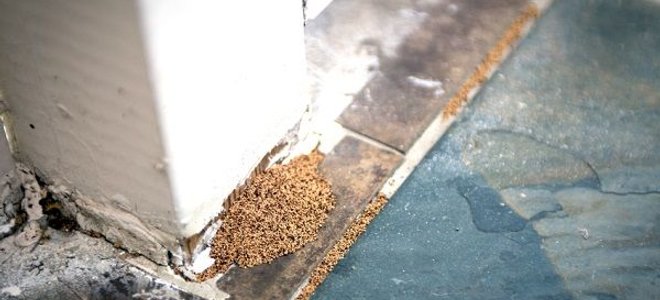
Drywood termites leave small piles of droppings called frass. These look like tiny wood-colored pellets near infested areas.
| Sign | What to Check | Why It Matters |
| Mud Tubes | Walls and foundation | Termite travel paths |
| Damaged Wood | Doors, windows, beams | Structural weakening |
| Swarmers/Wings | Windowsills, floors | New termite colonies |
| Hollow Sounds | Wood surfaces | Internal wood damage |
| Moisture | Leaks, soil, gutters | Attracts termites |
| Frass | Near wood | Drywood termite presence |
Scheduling Your Treatment
Planning your termite tenting treatment is important for a smooth process. You need to schedule it at the right time.
Scheduling early helps you avoid delays and prepare your home properly. It also allows time for any necessary arrangements.
Pick A Convenient Date
Choose a date when you and your family can leave the house. Termite tenting requires you to stay away for a few days.
Make sure the date fits your work and personal plans. This helps reduce stress during the treatment.
Check Weather Conditions
Good weather is important for termite tenting. Rain or strong winds can delay the treatment or cause problems.
Try to schedule your treatment during dry and calm days. This keeps the process safe and effective.
Confirm Treatment Duration
Ask the pest control company how long the tenting will take. Treatment usually lasts 2 to 4 days.
Knowing the duration helps you plan your stay outside the home and arrange care for pets or plants.
Notify Neighbors If Needed
Inform your neighbors about the termite tenting date. This shows consideration and helps avoid surprises.
Neighbors can take safety steps if they live close. Communication improves the overall treatment experience.
Confirm Preparation Time
Check how much time you need before the treatment to prepare your home. Preparation can take several hours.
Starting early on preparation day helps keep the schedule on track and makes the process smoother.
Credit: www.howtopestcontrol.co.uk
Preparing Your Home Inside
Preparing your home inside is important before termite tenting. It helps protect your belongings and keeps everyone safe during the process.
Follow these steps carefully to get ready for the treatment and avoid any problems.
Removing Food And Utensils
All food items must be removed from your home. This includes canned goods, spices, and pet food. Termite fumigants can be harmful if they touch food.
Take out all utensils, pots, pans, and dishes from cabinets and drawers. Clean them before putting them back after the tenting.
- Remove all perishable and non-perishable foods
- Take out spices, sugar, and cooking oils
- Clear out all kitchen utensils and cookware
- Store food in sealed containers outside the home
Securing Pets And Plants
Pets should not stay inside the house during the termite tenting. Find a safe place for them to stay, like a friend’s home or a pet boarding facility.
Plants can absorb chemicals from the fumigation. Move all indoor plants outside or to a safe area away from the house.
- Remove pets from the home before fumigation
- Keep pets in a safe and secure place
- Move all indoor plants outside or away
- Protect sensitive plants from chemicals
Clearing Out Storage Areas
Empty storage spaces like closets, cabinets, and basements. Remove clothes, toys, and other personal items from these areas.
This helps the fumigation gas reach all parts of the home and protects your belongings from damage.
- Clear out closets and storage cabinets
- Remove clothes, books, and toys
- Take items out of the basement or crawl spaces
- Store valuables in a safe, sealed place outside
Preparing Your Home Outside
Preparing your home outside is important before termite tenting. It helps make the process safe and effective. You need to clear areas and check the house structure.
Focus on trimming plants, removing wood piles, and fixing any damage. These steps protect your home and improve treatment results.
Trimming Vegetation
Cut back shrubs and tree branches near your house. Plants close to walls can hide termites or block treatment. Keep plants at least two feet away from the building.
Trim tall grass and weeds around the foundation. Clear vegetation helps workers access all sides of your home during tenting.
Removing Firewood And Debris
Move firewood stacks away from your home. Termites like wood and might spread to the house. Remove leaves, branches, and other debris near the foundation.
Clear space around the house to reduce termite food sources. This also gives pest control workers room to work safely.
Checking For Structural Repairs
Look for cracks or holes in your home’s exterior. Fix damaged wood, siding, or screens before tenting. These can let fumes escape or let pests inside.
Repairing these issues improves tenting safety. It also helps the treatment reach all termite hiding spots.
Credit: www.doityourself.com
Safety Measures During Tenting
Preparing your home for termite tenting requires careful attention to safety. Proper steps help protect your family and pets from harmful chemicals.
Follow these guidelines to ensure a safe and smooth termite treatment process.
Evacuation Guidelines
Everyone must leave the house during the tenting process. This includes pets and plants. The chemicals used are toxic and can cause health issues.
- Plan to stay away for at least 24 to 72 hours, as advised by the pest control team.
- Remove all food, medications, and personal items from the home.
- Cover or store outdoor furniture and grills away from the treatment area.
- Inform neighbors about the tenting schedule for their safety.
- Keep windows and doors closed after leaving to prevent chemical leaks.
Handling Chemicals Safely
Termite tenting uses strong chemicals that require careful handling. Only trained professionals should apply these treatments.
| Safety Tip | Description |
|---|---|
| Protective Gear | Technicians must wear gloves, masks, and suits during chemical application. |
| Proper Ventilation | After treatment, the home must be aired out before re-entry. |
| Chemical Storage | Store chemicals in locked, labeled containers away from children and pets. |
| Disposal | Dispose of chemical containers and waste safely following local laws. |
Post-treatment Steps
After termite tenting, your home needs special care. These steps help keep your home safe and clean.
Follow these instructions to protect your house and ensure the treatment works well.
Ventilating Your Home
Open windows and doors to air out your home after the tenting. This removes any leftover chemicals.
Use fans to help move fresh air through rooms. Avoid strong odors while ventilating.
Cleaning And Inspection
Clean floors and surfaces to remove dust and debris from the treatment. Use mild cleaners only.
Check your home for any damage or signs of termites. Look at wood, walls, and corners carefully.
- Vacuum carpets and rugs
- Wipe down counters and shelves
- Inspect wooden furniture and frames
Scheduling Follow-up Checks
Set dates for regular termite inspections. This helps catch any new activity early.
Follow-up visits ensure the treatment worked and your home stays safe from termites.
- Ask your pest control for inspection schedule
- Check for signs of termites every few months
- Report any new damage or activity immediately
Common Mistakes To Avoid
Preparing your home for termite tenting needs careful attention. Avoiding common errors helps the process go smoothly.
Some mistakes can delay treatment or cause extra costs. Learn what to watch out for to protect your home and health.
Not Clearing The Home Properly
Many people forget to remove food and uncovered items. This can cause contamination and health risks during fumigation.
- Store all food in sealed containers or remove it from the house.
- Remove pet food and water bowls.
- Clear countertops and tables of dishes and utensils.
- Take out plants and fragile items.
Ignoring Safety Instructions
Some people stay in the house during fumigation or return too soon. This causes health risks from the chemicals used.
Always follow the expert’s guidelines for evacuation times and safety measures.
Not Informing Neighbors
Failing to tell neighbors about the tenting can cause confusion and safety issues. Neighbors may also need to prepare if pests spread.
Inform neighbors at least a few days before the treatment date.
Skipping Post-treatment Cleaning
Some homeowners do not clean the house properly after tenting. This can leave harmful residues and odors.
| Post-Treatment Cleaning Tips |
| Ventilate the home well before entering |
| Wash all surfaces with soap and water |
| Clean or replace carpets and curtains |
| Dispose of dead insects and debris safely |
Not Preparing Pets Properly
People often forget to remove pets or their items from the house. Chemicals used in tenting are harmful to animals.
- Take pets to a safe place before treatment.
- Remove pet food, water, and bedding from the home.
- Follow the pest control company’s pet safety instructions.
Frequently Asked Questions
What Is Termite Tenting Preparation?
Termite tenting preparation involves removing food items, covering furniture, and sealing entry points. Ensure pets and plants are relocated. This process is essential for effective fumigation, ensuring termite eradication. Proper preparation minimizes risks and maximizes treatment success. Consult your pest control provider for specific guidelines tailored to your home.
How Long Does Termite Tenting Take?
Termite tenting typically takes 24 to 48 hours. This duration includes setup, fumigation, and aeration processes. The time may vary based on the property’s size and infestation level. Always confirm the timeline with your pest control professional to plan accordingly.
Can You Stay During Termite Tenting?
No, you cannot stay during termite tenting. The fumigation process uses toxic chemicals harmful to humans and pets. It’s crucial to vacate the premises for safety. Only return once the pest control professional confirms it’s safe after aeration.
How To Protect Food During Tenting?
To protect food during tenting, remove or seal it in special bags. These bags prevent fumigation chemicals from contaminating consumables. Check with your pest control provider for specific bagging instructions. Proper food protection ensures safety and compliance with fumigation requirements.
Conclusion
Preparing for termite tenting helps protect your home well. Clear the house of food and drinks to avoid damage. Move pets and plants away for their safety. Follow the pest control team’s advice carefully. Proper steps make the process smooth and effective.
Your home stays safe from termites after tenting. Taking these actions saves time and stress later. Keep your space clean and ready for the treatment. Simple preparation leads to better results and peace of mind.