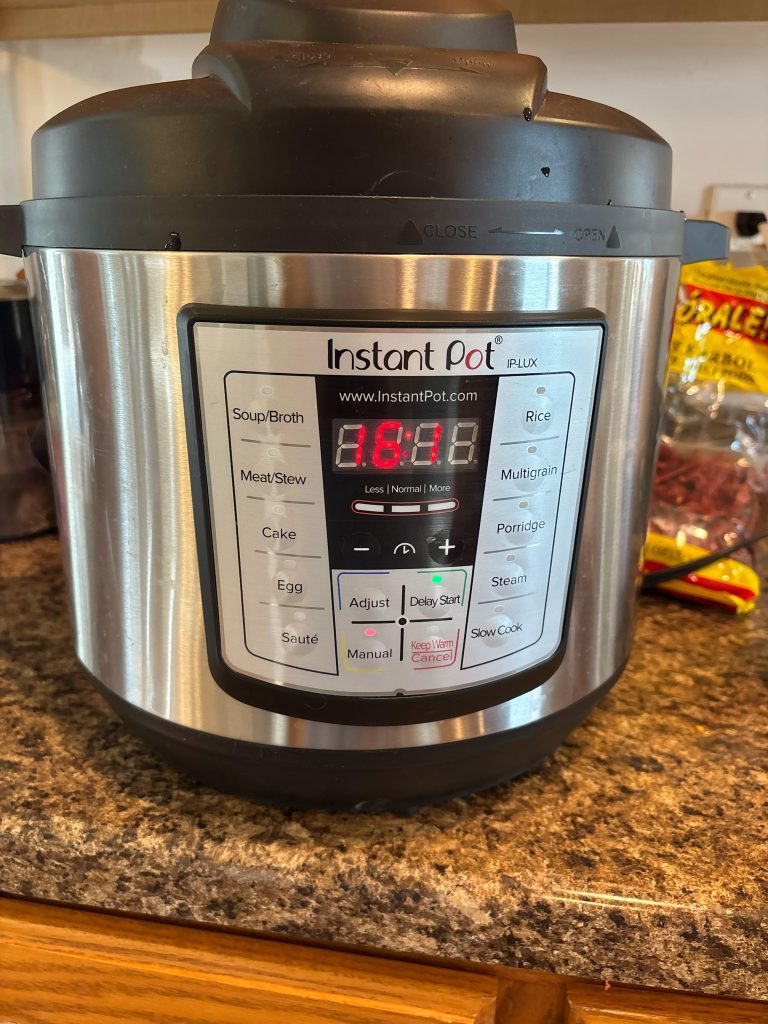
Have you ever wished you could cook delicious meals faster without losing flavor? Pressure cooking is the secret to saving time and unlocking rich, tender dishes with ease.
If you’ve never tried it before, it might seem a little intimidating, but once you know the simple steps, you’ll wonder how you ever cooked without it. In this guide, you’ll discover exactly how to pressure cook like a pro, so you can enjoy hearty meals in a fraction of the time.
Ready to transform your cooking routine? Keep reading, and you’ll master pressure cooking in no time.
Choosing The Right Pressure Cooker
Pressure cookers save cooking time and keep food tasty. Picking the right one helps you cook better.
There are many types and sizes. Look for features that fit your kitchen and cooking style.
Stovetop Vs Electric Models
Stovetop pressure cookers use your stove’s heat. They cook fast and reach high pressure.
Electric pressure cookers have built-in heat and controls. They offer preset cooking programs for ease.
- Stovetop models heat quickly and can reach high pressure
- Electric models are easy to use with timers and settings
- Stovetop cookers need more attention during cooking
- Electric cookers allow hands-free cooking and keep food warm
Capacity And Size Options
Choose a size that matches your family and meal needs. Cook small or large batches easily.
Common sizes range from 4 to 8 quarts. Bigger cookers handle larger meals or leftovers.
- 4 to 6 quarts are good for small families or couples
- 6 to 8 quarts suit medium to large families
- Choose a size that fits your storage space
- Larger sizes take longer to heat but cook more food
Safety Features To Consider
Safety is key when buying a pressure cooker. Check for features that prevent accidents.
Look for locking lids, pressure release valves, and indicators for safe use.
- Locking lids prevent opening under pressure
- Pressure release valves let steam out safely
- Pressure indicators show when it is safe to open
- Automatic shut-off in electric models adds extra safety

Credit: www.pressurecookingtoday.com
Preparing Ingredients For Pressure Cooking
Pressure cooking is fast and saves energy. Proper preparation of ingredients helps food cook evenly.
Get your ingredients ready by chopping and layering them correctly. This makes a big difference in cooking results.
Chopping And Layering Tips
Cut food into similar-sized pieces so they cook at the same time. Smaller pieces cook faster, so adjust size based on cooking time.
Place dense or hard vegetables like carrots and potatoes at the bottom. Layer lighter or leafy vegetables on top to avoid overcooking.
- Cut meat into uniform chunks for even cooking
- Stack root vegetables at the bottom of the pot
- Place delicate items on top to prevent mushiness
- Avoid overcrowding the pot for proper steam flow
Liquid Requirements
Pressure cookers need liquid to create steam and build pressure. Use enough liquid but not too much to avoid soggy food.
Most recipes require at least one cup of water or broth. Check your pressure cooker’s manual for minimum liquid rules.
- Use water, broth, or sauces as liquid base
- Minimum 1 cup liquid for most electric pressure cookers
- Too little liquid can cause burning or no pressure
- Too much liquid can dilute flavors and texture
Timing For Different Foods
Different foods need different cooking times in a pressure cooker. Follow recommended times for best texture and taste.
Vegetables cook faster than meats. Beans and grains need longer cooking times to soften properly.
| Food Type | Cooking Time (minutes) |
|---|---|
| Leafy vegetables | 1-3 |
| Root vegetables | 5-8 |
| Chicken pieces | 8-10 |
| Beef chunks | 20-25 |
| Dried beans (soaked) | 15-30 |
| Rice | 6-10 |
Basic Pressure Cooking Techniques
Pressure cooking is a fast and efficient way to prepare meals. It uses steam and pressure to cook food quickly.
Understanding simple techniques helps you use your pressure cooker safely and well.
Sealing And Locking The Lid
Always check the rubber gasket before sealing the lid. It must be clean and flexible for a good seal.
Place the lid on the cooker and turn it until it locks firmly. A proper lock keeps the pressure inside.
- Inspect gasket for cracks or damage
- Align lid arrows or marks if your cooker has them
- Turn lid until it stops or clicks
- Do not force the lid if it does not lock easily
Setting Pressure Levels
Pressure cookers usually have low and high pressure settings. Choose the right level for your recipe.
High pressure cooks food faster. Low pressure is good for delicate foods like vegetables.
- Use high pressure for beans, meats, and stews
- Use low pressure for fish, rice, and soft vegetables
- Check your cooker manual for pressure level options
Using The Timer Effectively
Set the timer as soon as the cooker reaches the right pressure. This keeps cooking time accurate.
Use the timer to avoid overcooking. Different foods need different cooking times under pressure.
| Food | Cooking Time (minutes) |
|---|---|
| Chicken | 8-10 |
| Beans | 20-25 |
| Rice | 5-7 |
| Vegetables | 2-4 |
Releasing Pressure Safely
Pressure cookers build high steam pressure to cook food fast. Releasing this pressure safely is very important. It keeps you from getting burned and helps your food cook properly.
There are two common ways to release pressure. Each way works best for different foods and cooking times.
Natural Release Method
Natural release means letting the pressure go down on its own. You just wait until the pressure drops inside the cooker. This can take 10 to 30 minutes.
This method is gentle and good for foods that need more time to finish cooking or stay moist. The cooker stays sealed, so steam does not escape quickly.
Quick Release Method
Quick release means opening the valve to let steam out fast. You carefully turn or press the valve to release the pressure right away. Use a tool or cloth to avoid burns from hot steam.
- Use quick release for vegetables and seafood
- Works well for foods that cook fast
- Be careful of the hot steam
- Do not use if the cooker is very full
When To Use Each Technique
| Technique | Best For | Why |
|---|---|---|
| Natural Release | Meat, beans, soups | Prevents tough texture and keeps moisture |
| Quick Release | Vegetables, seafood, quick meals | Stops cooking quickly to keep texture |
Troubleshooting Common Issues
Pressure cookers save time but sometimes have problems. Knowing common issues helps fix them fast.
This guide covers pressure not building, food overcooked or undercooked, and lid problems.
Pressure Not Building
If your cooker does not build pressure, check the seal first. A worn or dirty seal can cause leaks.
- Make sure the lid is locked properly.
- Check the valve for blockages.
- Use enough liquid inside the cooker.
- Inspect the rubber gasket for damage.
Food Overcooked Or Undercooked
Cooking time and pressure settings affect how food cooks inside the pot.
| Problem | Possible Cause | Solution |
|---|---|---|
| Food Overcooked | Too much cooking time | Reduce cooking time |
| Food Overcooked | High pressure setting | Use lower pressure |
| Food Undercooked | Not enough cooking time | Increase cooking time |
| Food Undercooked | Low pressure | Check pressure settings |
Lid Won’t Open
Pressure must release before you can open the lid. If it stays locked, follow these steps:
- Check if the pressure indicator shows no pressure.
- Release pressure using the valve if needed.
- Do not force the lid open.
- Wait a few minutes and try again.
- If it still won’t open, consult the manual or customer support.
Credit: www.hungryhuy.com
Tips For Perfect Pressure Cooked Meals
Pressure cooking saves time and keeps food tasty. It uses steam to cook food quickly.
Follow simple tips to get the best results with your pressure cooker.
Adjusting Recipes For Pressure Cooking
Not all recipes work the same in a pressure cooker. You must change cooking times and liquid amounts.
- Reduce cooking time by about two-thirds compared to regular cooking.
- Add enough liquid to create steam, usually 1 to 2 cups.
- Cut food into uniform pieces for even cooking.
- Avoid thick sauces before cooking; add them after.
- Release pressure carefully to avoid overcooking delicate foods.
Combining Ingredients For Flavor
Pressure cooking locks in flavors well. Combine ingredients to make rich meals.
| Ingredient Type | Tips for Combining |
| Spices | Add at the start for strong flavor or after cooking for mild taste. |
| Meats | Brown first for better flavor, then pressure cook with liquids. |
| Vegetables | Add quick-cooking vegetables last to avoid overcooking. |
| Liquids | Use broth or stock for more flavor instead of water. |
Cleaning And Maintenance
Clean your pressure cooker well after each use. This keeps it safe and working well.
- Wash the pot and lid with warm, soapy water.
- Check and clean the rubber gasket to avoid leaks.
- Remove food bits from the steam vent.
- Dry all parts before storing to prevent mold.
- Inspect the safety valves regularly for damage or blockage.

Credit: m.youtube.com
Frequently Asked Questions
What Is Pressure Cooking Used For?
Pressure cooking is used to quickly cook food under high pressure. It retains nutrients and enhances flavor. This method is ideal for cooking tough meats, beans, and stews. It saves time and energy compared to traditional cooking methods. Pressure cooking is a versatile technique for healthy and delicious meals.
How Does A Pressure Cooker Work?
A pressure cooker works by trapping steam inside a sealed pot. This creates high pressure that raises the boiling point of water. As a result, food cooks faster and evenly. The pressure and heat break down food fibers quickly, making it tender.
This efficient method saves both time and energy.
Is Pressure Cooking Healthy?
Yes, pressure cooking is healthy. It preserves more nutrients compared to boiling or steaming. The shorter cooking time helps retain vitamins and minerals. Less water is used, so nutrients aren’t lost in the cooking process. This method is ideal for preparing nutritious meals quickly and efficiently.
Can You Cook Rice In A Pressure Cooker?
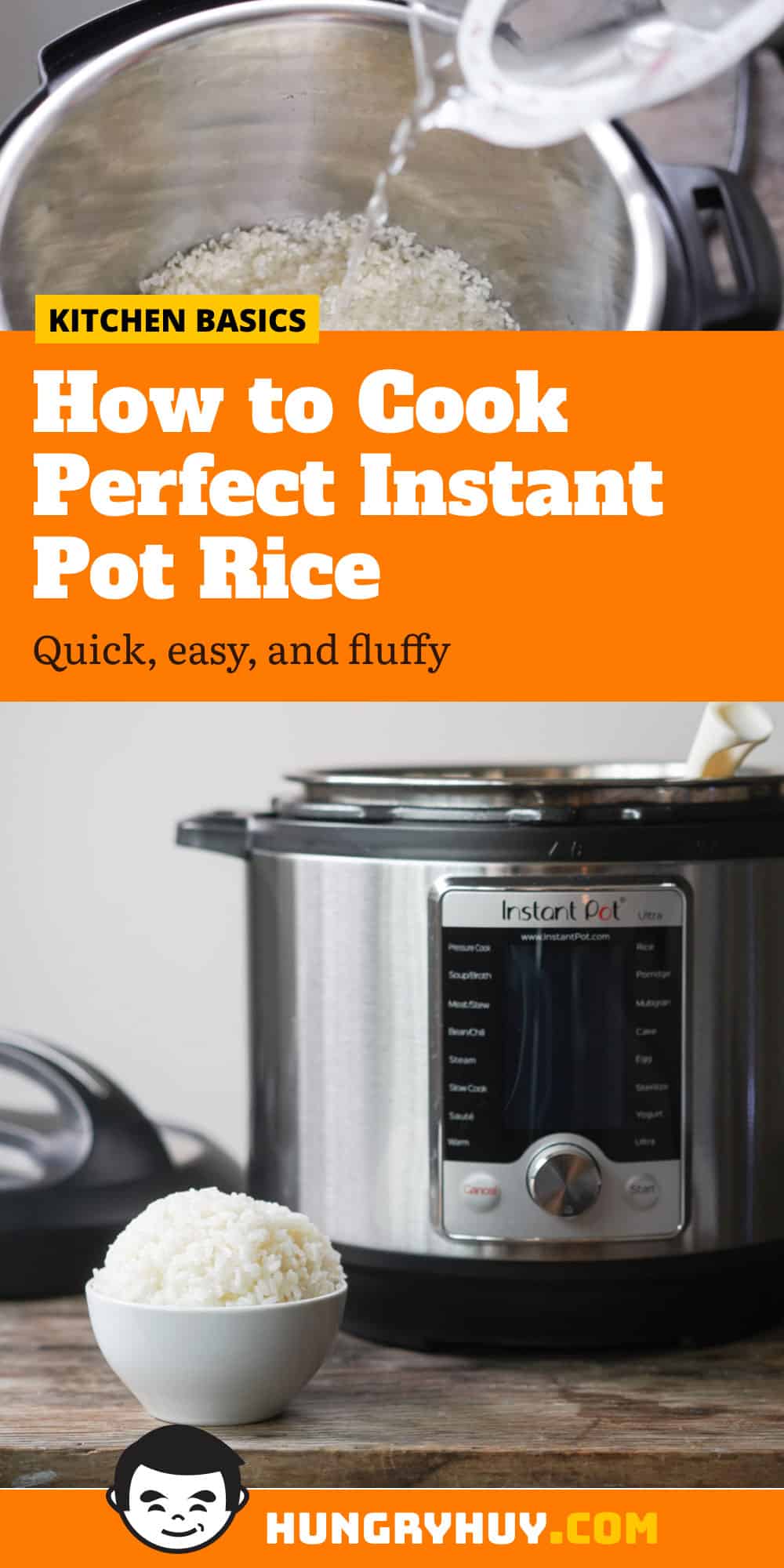
Yes, you can cook rice in a pressure cooker. It’s quick and easy, producing fluffy results. Use the right water-to-rice ratio and cooking time for best results. The pressure cooker seals in steam, cooking rice evenly. This method saves time and ensures perfectly cooked rice every time.
Conclusion
Pressure cooking saves time and keeps food tasty. It uses steam to cook food fast and evenly. Always follow safety steps to avoid accidents. Clean your cooker after each use to keep it working well. Try different recipes to enjoy many meals.
Soon, cooking will feel easier and more fun. Give pressure cooking a try today.