Are you tired of waking up to creepy crawlies buzzing through your air conditioner vents? Bugs invading your home can be frustrating and uncomfortable.
But what if you could stop them before they even get inside? You’ll discover simple and effective ways to keep those unwanted pests out of your air vents. By following these tips, you’ll enjoy a cleaner, bug-free home and breathe easier knowing your space is protected.
Keep reading to learn how to take control and prevent bugs from sneaking in through your AC vents.
Common Bugs Entering Through Vents
Air conditioner vents can be entry points for many bugs. They often come into homes through these openings.
Knowing which bugs enter vents helps you stop them. Let’s look at common types and why they come.
Types Of Insects Found In Ac Vents
Many insects find their way into air conditioner vents. Some live near moisture, while others look for shelter.
- Ants – They follow scent trails and search for food inside vents.
- Spiders – They build webs to catch prey in dark, quiet vent spaces.
- Cockroaches – These pests hide in warm vents and come out at night.
- Silverfish – They like damp areas and feed on paper or glue near vents.
- Flies – They enter vents seeking light or warmth.
Why Bugs Are Attracted To Vents
Bugs come to vents for food, warmth, and shelter. Vents offer easy access to indoor spaces.
| Reason | Description |
| Warmth | Air vents provide warm air that attracts cold bugs. |
| Moisture | Condensation inside vents creates a damp spot for insects. |
| Food Crumbs | Food particles around vents invite ants and cockroaches. |
| Darkness | Vents are dark and quiet, perfect for spiders and silverfish. |
| Light | Some flies fly toward light coming from vents. |

Credit: www.callfastair.com
Seal Gaps And Cracks
Bugs can enter your home through small openings in air conditioner vents. Sealing these gaps stops bugs from coming inside.
Filling cracks around vents also helps keep your home energy efficient. It stops air leaks and saves money.
Inspecting Vent Openings
Look closely at all air conditioner vent openings. Find any holes or cracks where bugs might enter.
Check both inside and outside vents. Use a flashlight to see small gaps clearly.
- Look for cracks around vent edges
- Check for broken or missing vent covers
- Inspect gaps between vents and walls
- Notice any loose screws or damaged seals
Using Weatherstripping And Caulk
Apply weatherstripping to vent edges to block bugs. It creates a tight seal that stops pests.
Use caulk to fill small cracks and gaps around vents. Choose a caulk that works for both indoor and outdoor use.
- Clean the surface before applying caulk or weatherstripping
- Cut weatherstripping to fit vent edges exactly
- Apply caulk smoothly to fill every crack
- Let caulk dry fully before using the air conditioner
Install Vent Covers And Screens
Air conditioner vents can be entry points for bugs. Installing vent covers and screens helps keep insects out. This simple fix improves comfort in your home.
Choosing the right screen and installing it correctly is important. This guide covers materials and installation tips to protect your vents.
Choosing The Right Screen Material
Pick screen material that blocks bugs but lets air flow. Some materials work better for different needs.
- Fiberglass:Affordable and rust-resistant. Works well for most homes.
- Aluminum:Strong and durable. Good for outdoor vents.
- Stainless Steel:Very durable and resists damage. Best for long-term use.
- Bronze:Durable and looks nice. Often used in decorative vents.
Proper Installation Techniques
Correct installation keeps screens secure and bugs out. Follow these steps to install vent covers well.
- Clean the vent surface before installation.
- Measure the vent to fit the screen exactly.
- Cut the screen material to the right size.
- Attach the screen using screws or strong adhesive.
- Seal edges with weatherproof caulk to block small gaps.
- Check the screen regularly for damage or looseness.
Maintain Regular Cleaning
Keeping your air conditioner vents clean helps stop bugs from entering your home. Dirt and dust can attract insects and create hiding spots.
Regular cleaning keeps vents clear and reduces the chance of bugs finding their way inside. It also improves air quality.
Cleaning Vent Grills
Vent grills collect dust and can trap bugs around them. Clean the grills often to prevent bugs from nesting.
Use a soft brush or cloth to wipe the grills gently. Avoid using water if the vent is near electrical parts.
- Turn off the air conditioner before cleaning
- Remove the grill if possible for deeper cleaning
- Use a vacuum with a brush attachment to remove dust
- Wipe with a damp cloth and dry completely
Removing Debris And Dust
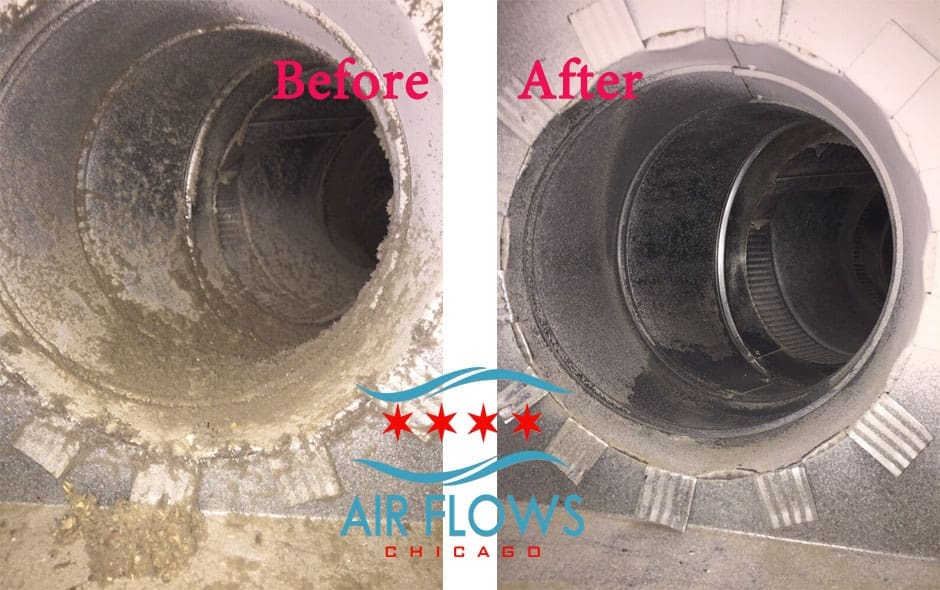
Dust and debris inside the vents attract bugs and block airflow. Clean the inside regularly to keep bugs away.
Use a vacuum cleaner to remove dust from inside the vents. You can also use a flexible brush to reach deeper areas.
- Turn off the air conditioner before cleaning
- Use a vacuum with a long nozzle for hard-to-reach spots
- Clean vents at least once every few months
- Check for signs of bugs and remove any nests or webs
Use Natural Repellents
Air conditioner vents can let bugs inside your home. Using natural repellents helps keep bugs away without chemicals. These repellents are safe and easy to use.
Natural repellents work by confusing or deterring bugs. You can apply them near vents to stop bugs from entering.
Essential Oils For Bug Deterrence
Many essential oils smell bad to bugs but smell nice to people. Oils like peppermint, eucalyptus, and lavender keep bugs away from vents.
You can add a few drops of these oils to cotton balls and place them near your air vents. Replace the cotton balls every week for fresh scent.
- Peppermint oil repels ants, spiders, and flies
- Eucalyptus oil works well against mosquitoes and moths
- Lavender oil deters flies and mosquitoes
Diy Repellent Sprays
You can make a simple spray using water and essential oils. Spray this near air vents to block bugs from coming in.
Mix water with oils like citronella, tea tree, or lemon. Spray every few days or after cleaning vents to keep bugs away.
- Mix 1 cup water with 10 drops citronella oil
- Add 10 drops tea tree oil for extra bug defense
- Pour mixture into a spray bottle and shake well
- Spray around air conditioner vents and nearby areas
Control Outdoor Lighting
Outdoor lights can attract bugs near your air conditioner vents. Controlling these lights helps keep bugs away.
Smart lighting choices reduce the chance of bugs entering your home through vents.
Effect Of Lights On Bug Attraction
Bugs are drawn to lights at night. Bright lights near vents can pull them inside.
Different bugs react to different colors and brightness of light.
- White and blue lights attract many insects.
- Yellow or amber lights attract fewer bugs.
- Strong lights draw more bugs than dim ones.
Adjusting Light Placement
Keep outdoor lights away from air conditioner vents to lower bug visits.
Use shielded lights or direct light downward to limit bug attraction.
- Place lights at least 10 feet from vents.
- Use motion sensors to reduce constant lighting.
- Install yellow bulbs to keep bugs away.
- Turn off lights when not needed.
Professional Inspection And Maintenance
Keeping bugs out of your air conditioner vents needs regular care. Professional checks help catch issues early. This keeps your home cleaner and healthier.
Experts know how to find weak spots and fix them. They keep your system running well and block pests from entering.
Scheduling Regular Hvac Checks
Schedule HVAC inspections twice a year to stop bugs. Professionals clean ducts and check for holes or cracks. This stops bugs from sneaking inside.
- Inspect vents and ducts for damage.
- Clean filters and coils to prevent buildup.
- Seal gaps around vents and pipes.
- Check for moisture that attracts insects.
- Test system airflow to ensure proper function.
When To Call An Exterminator
If you see bugs near vents often, call an exterminator. They find nests and remove pests safely. Early help stops bugs from spreading in your home.
| Signs You Need an Exterminator | Actions Taken |
|---|---|
| Repeated bug sightings near vents | Inspect vents and ducts for infestations |
| Unusual odors from vents | Locate and remove nests or dead insects |
| Damaged vent covers or screens | Repair or replace damaged parts |
| Visible insect droppings or debris | Clean and sanitize affected areas |
Credit: airflowschicago.com

Credit: northnjhvac.com
Frequently Asked Questions
How Can I Seal Air Conditioner Vents?
To seal air conditioner vents, use weather stripping or foam tape. These materials create a barrier against bugs. Ensure the vent edges are clean before application. For a more permanent solution, consider using silicone caulk. Regularly check and replace the seals to maintain their effectiveness.
Do Air Conditioner Filters Stop Bugs?
Air conditioner filters primarily block dust and particles, not bugs. For bug prevention, use high-quality filters with a fine mesh. Regularly clean and replace the filters to ensure optimal performance. Consider using additional barriers like vent covers for enhanced protection against insects.
What Type Of Vent Cover Prevents Bugs?
Mesh vent covers are effective in preventing bugs. Choose covers with a fine mesh to block small insects. Ensure they fit securely over your vents to avoid gaps. Regularly inspect and clean these covers to maintain their efficiency. Consider covers with UV protection for durability.
Can Essential Oils Repel Bugs Near Vents?
Essential oils like peppermint and eucalyptus can repel bugs. Apply a few drops near vents for effectiveness. Use a diffuser or cotton ball to spread the scent. Reapply regularly for continuous protection. Note that oils are a supplementary measure and work best with other prevention methods.
Conclusion
Keeping bugs out of air conditioner vents protects your home and health. Seal cracks and use fine mesh screens to block insects. Regular cleaning removes dirt and stops pests from settling. Check vents often to catch problems early. Small steps make a big difference in pest control.
Enjoy cool air without unwanted visitors inside. Simple habits keep your space fresh and bug-free year-round. Stay vigilant and maintain your vents for the best results.