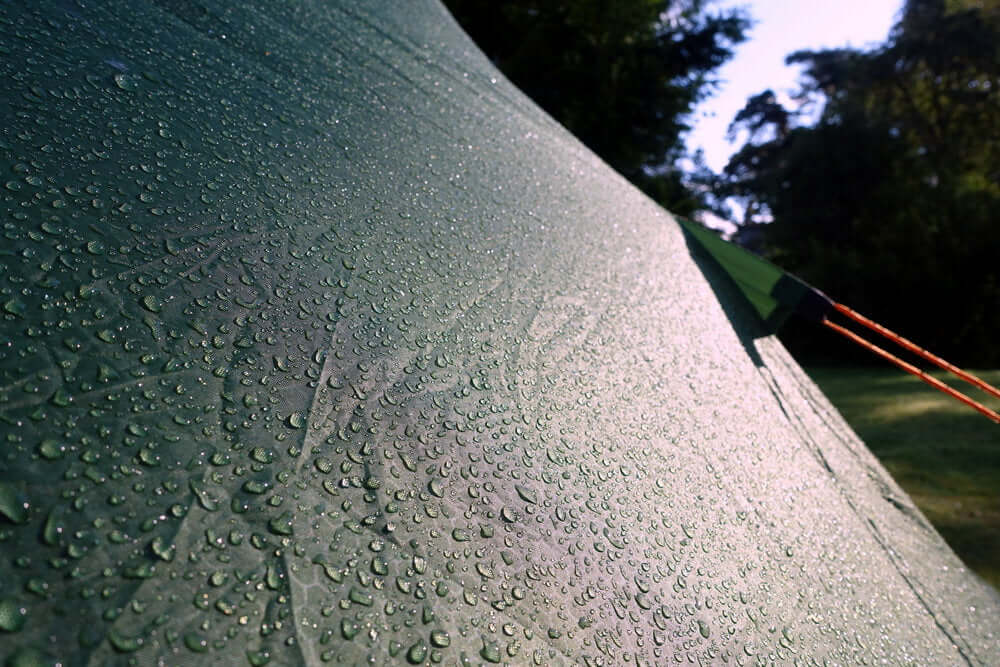
Have you ever woken up in your tent only to find everything inside wet and clammy? Condensation can turn a great camping trip into an uncomfortable experience.
But what if you could stop that moisture from building up in the first place? Understanding how to prevent condensation in your tent will keep you dry, warm, and ready to enjoy the outdoors. Keep reading, and you’ll discover simple, effective tips that make a real difference on your next adventure.
Choose The Right Tent
Choosing the right tent helps reduce condensation inside. Condensation happens when warm air touches cold surfaces.
A good tent design keeps moisture away and improves your camping comfort.
Material Matters
Tent fabric affects how moisture moves through the tent. Look for breathable materials to stop water build-up.
Nylon and polyester with special coatings keep rain out but let some air pass through.
- Breathable fabrics reduce inside moisture
- Waterproof coatings keep rain outside
- Double-wall tents use mesh for better airflow
Ventilation Features
Good vents let humid air escape your tent. This lowers condensation on the walls.
Look for tents with adjustable vents near the roof and floor for best airflow.
- Roof vents release warm, moist air
- Floor vents allow fresh air in
- Mesh panels add airflow without bugs
Size Considerations
Choose a tent size that fits your group comfortably. Too small tents trap more moisture.
Extra space helps air circulate and lowers the chance of condensation forming.
- Roomy tents allow better air movement
- Smaller tents trap warm air and moisture
- Choose a tent size for your group and gear

Credit: www.ultramarxl.com
Optimal Tent Placement
Choosing the right spot for your tent helps prevent condensation inside. Good placement keeps your tent dry and comfortable.
Look for places that avoid moisture and allow air to flow well around your tent.
Elevation And Drainage
Set up your tent on higher ground to avoid water collecting underneath. Water drains away better on slopes or raised areas.
Good drainage stops water from soaking the tent floor and reduces dampness inside.
- Find a spot slightly above nearby land
- Avoid flat areas where water pools
- Clear away leaves and debris to help water flow
Avoiding Low-lying Areas
Low spots hold cold, damp air that causes condensation. Avoid valleys or dips in the ground.
Choose a flat area that stays dry and does not trap moisture.
- Check for puddles after rain
- Look for signs of wet soil or mud
- Pick a place where water runs off quickly
Wind Direction And Exposure
Set your tent where wind can flow through. Good airflow reduces moisture inside the tent.
Avoid spots blocked by trees or rocks that block the breeze.
- Face tent openings away from strong winds
- Place tent near natural wind channels for air movement
- Use windbreaks carefully to keep air flowing without trapping moisture
Effective Ventilation Techniques
Condensation in tents can make your camping experience uncomfortable. It happens when warm air meets cold surfaces. Good ventilation helps stop this moisture from building up inside.
Using the tent’s vents, doors, and windows wisely can reduce dampness. You can also add extra openings to improve airflow. These methods keep the inside dry and fresh.
Utilizing Tent Vents
Tent vents allow air to move in and out, lowering moisture levels. Open vents at the top and bottom to create a natural airflow. This helps warm, moist air escape and fresh air enter.
- Keep vents open even in cool weather
- Use mesh vents to block insects
- Clear any blockages around vent openings
- Adjust vent flaps to control airflow
Strategic Door And Window Usage
Open doors and windows on opposite sides of the tent. This lets air flow through and prevents pockets of moist air. If it’s cold, open them slightly to avoid too much heat loss.
| Tip | Reason |
| Open door on downwind side | Let fresh air in |
| Open window on upwind side | Let moist air out |
| Use rainfly to shield openings | Keep rain out while ventilating |
| Keep openings clear of gear | Allow smooth airflow |
Improvising Additional Openings
If your tent has limited vents, make small openings for air. Use mesh or fabric pieces to cover holes. This stops bugs but improves air movement. Avoid large gaps that let cold air inside.
- Cut small slits near the tent’s top
- Use mesh tape to cover openings
- Place openings opposite each other
- Seal openings with flaps during rain
Managing Internal Moisture
Condensation in a tent forms when warm, moist air meets cool surfaces. Managing moisture inside helps keep the tent dry and comfortable.
Simple habits reduce water buildup. Focus on cooking, gear storage, and breathing to control humidity.
Cooking And Heating Tips
Cooking inside a tent creates steam that adds moisture. Use these tips to reduce dampness:
- Cook outside the tent when possible
- Use a camp stove with a vented canopy
- Avoid boiling water inside the tent
- Keep the tent door open briefly during cooking
- Use a small portable heater with caution
Clothing And Gear Storage
Wet clothes and gear release moisture. Store them properly to limit internal condensation.
| Item | Storage Advice |
| Wet Clothes | Hang outside or in a vestibule |
| Sleeping Bags | Keep dry and in a sealed bag |
| Boots | Place outside or in a shoe bag |
| Backpacks | Store with rain covers on |
Nighttime Breath Control
Breathing produces moisture that condenses on tent walls. Try these tips to reduce buildup:
- Open a vent or window to allow airflow
- Sleep with your head near a vent
- Use a thin sleeping mask instead of a full face cover
- Keep your mouth closed to reduce moisture
- Remove damp items from the sleeping area
Using Ground And Tent Liners
Condensation inside a tent can make your camping trip uncomfortable. Using ground and tent liners helps reduce moisture buildup. These liners create a barrier that keeps water away from your tent floor.
Choosing the right liners and installing them correctly can prevent dampness. This guide explains how to pick liners and set them up to stop condensation.
Selecting The Right Liners
Ground liners should be waterproof but breathable to avoid trapping moisture. Tent liners inside the tent add extra protection against dampness from the ground and air.
- Use a waterproof groundsheet that fits your tent size.
- Choose liners made from breathable materials like polyester or nylon.
- Avoid liners that cover the tent’s edges to prevent water pooling.
- Consider a footprint liner designed for your specific tent model.
Proper Installation Tips
Installing liners correctly is important to reduce condensation. Place the ground liner under the tent floor without overlapping the edges. This stops rainwater from collecting under the tent.
| Installation Step | Why It Matters |
|---|---|
| Lay liner flat under tent | Prevents wrinkles that trap water |
| Do not extend liner beyond tent edges | Avoids water pooling under tent walls |
| Use a tent liner inside tent floor | Creates extra moisture barrier |
| Keep liner dry and clean | Reduces mildew and damp smells |

Credit: www.reddit.com
Weather Considerations
Condensation inside a tent happens when warm air meets cold surfaces. Weather plays a big role in this. Knowing the weather can help you prevent moisture build-up.
Understanding weather patterns and being ready for changes keeps your tent dry. This guide focuses on how to watch the weather and adjust your setup.
Predicting Weather Patterns
Look at the forecast before camping. Rain and cold nights increase condensation risk. Clear skies and wind can help reduce moisture inside your tent.
- Check temperature drops at night
- Watch for rain or fog warnings
- Note wind speed and direction
- Consider humidity levels
- Observe cloud cover changes
Adapting To Changing Conditions
Weather can change fast. Adjust your tent setup to keep air flowing and stop moisture. Open vents or doors when safe. Use a rainfly properly.
| Condition | Action to Prevent Condensation |
| Cold Night | Use a breathable tent and open vents |
| Rain or Fog | Keep rainfly taut and off tent walls |
| High Humidity | Increase ventilation inside tent |
| Windy | Secure tent but keep vents open |
Maintenance And Care
Preventing condensation in a tent starts with good maintenance and care. Keeping your tent clean and well-stored helps reduce moisture build-up.
Regular checks and proper cleaning make your tent last longer and stay dry inside.
Regular Cleaning Practices
Clean your tent after every trip to remove dirt and sweat. Dirt can trap moisture and cause condensation.
Use mild soap and water. Avoid harsh chemicals that damage the tent fabric.
- Set up the tent outside for cleaning
- Use a soft brush or sponge
- Rinse thoroughly with clean water
- Let the tent dry completely before packing
Inspecting For Damage
Check your tent for holes, tears, and broken zippers regularly. Damage lets cold air in and traps moisture.
Fix small tears with repair tape or patches to stop leaks and reduce condensation.
- Look closely at seams and corners
- Test zippers for smooth operation
- Check poles for cracks or bends
- Repair any damage before your next trip
Seasonal Storage Tips
Store your tent in a dry, cool place after use. Avoid damp areas that cause mold and moisture.
Do not store the tent while it is wet or dirty. Always dry and clean it first to prevent condensation inside.
- Air out the tent completely before packing
- Use a breathable storage bag, not plastic
- Keep the tent away from direct sunlight
- Check the tent during long storage for dampness

Credit: gofsr.com
Frequently Asked Questions
How Can I Reduce Tent Condensation Effectively?
To reduce tent condensation, ensure proper ventilation by opening vents and doors. Avoid cooking inside the tent. Use a breathable tent fabric and avoid placing wet gear inside.
Why Does Condensation Form Inside Tents?
Condensation forms when warm, moist air meets a cold tent surface. Your breath, sweat, and wet clothes increase moisture, causing water droplets inside the tent.
Does Tent Location Affect Condensation Levels?
Yes, setting up your tent in shaded or damp areas increases condensation. Choose a dry, well-ventilated spot with some airflow to minimize moisture buildup.
Can A Tent Footprint Reduce Condensation?
A tent footprint helps by creating a barrier between ground moisture and your tent floor. It keeps the tent dry but doesn’t eliminate condensation inside the tent.
Conclusion
Preventing condensation in your tent keeps camping more comfortable. Good airflow helps moisture escape. Use breathable fabrics and avoid blocking vents. Keep wet gear outside the tent. Setting up on dry ground also reduces dampness. Small actions add up to a dry, cozy shelter.
Enjoy your time outdoors without dampness ruining it. Simple steps make a big difference in tent comfort. Stay dry and have a great camping experience every time.