Isn’t it frustrating when your dishwasher, meant to clean your dishes, becomes a breeding ground for mold? You load your dishwasher, expecting spotless dishes, but instead, you’re greeted with an unpleasant odor or unsightly black spots.
Don’t worry; you’re not alone. Mold in your dishwasher is a common issue, but the good news is that it’s entirely preventable. Imagine the peace of mind you’ll have knowing that every dish you pull out is not only clean but also safe for your family.
Intrigued? Let’s delve into simple, actionable steps you can take to keep your dishwasher mold-free, ensuring your kitchen remains a healthy and clean environment. Stick around, and by the end of this guide, you’ll be equipped with all the tips and tricks you need to keep your dishwasher spotless and mold-free.
Credit: www.bustmold.com
Causes Of Mold In Dishwashers
Mold in dishwashers grows from a mix of common factors. These create the perfect environment for mold spores to thrive. Understanding these causes helps keep your dishwasher clean and safe.
Moisture And Heat
Dishwashers stay wet and warm after use. Moisture from water and steam clings to the interior. Heat creates a cozy place for mold to grow. Without drying, mold spores find a perfect home inside.
Food Residue
Leftover food bits inside the dishwasher feed mold. Tiny particles get stuck in filters, seals, and corners. These bits give mold the nutrients it needs to multiply. Cleaning food residue reduces mold risk significantly.
Poor Ventilation
Dishwashers with weak airflow trap moisture inside. Poor ventilation stops the drying process. Stale, damp air encourages mold growth on surfaces. Good air circulation helps keep the dishwasher dry and mold-free.
Daily Habits To Reduce Mold
Preventing mold in your dishwasher starts with simple daily habits. These small actions stop mold spores from growing and spreading. Consistency is key to keeping your dishwasher fresh and clean.
Rinse Dishes Before Loading
Rinsing dishes removes leftover food bits. Food residue feeds mold and causes bad smells. Clear dishes help the dishwasher clean better. Use warm water to rinse quickly before placing dishes inside.
Run Hot Water Before Starting
Run hot water in the sink before starting the dishwasher. Hot water helps the machine fill with warm water fast. This improves cleaning and prevents mold growth. Warm water kills many mold spores and bacteria.
Leave Door Ajar After Use
Keep the dishwasher door open slightly after running a cycle. This lets air circulate and dry out the inside. Moisture left inside creates a perfect mold environment. Air drying stops mold before it begins.
Regular Cleaning Techniques
Regular cleaning is key to keeping mold out of your dishwasher. Mold loves damp, neglected spots, so staying on top of simple cleaning tasks can make a big difference. These techniques don’t take long but can save you from dealing with stubborn mold problems later.
Clean The Filter
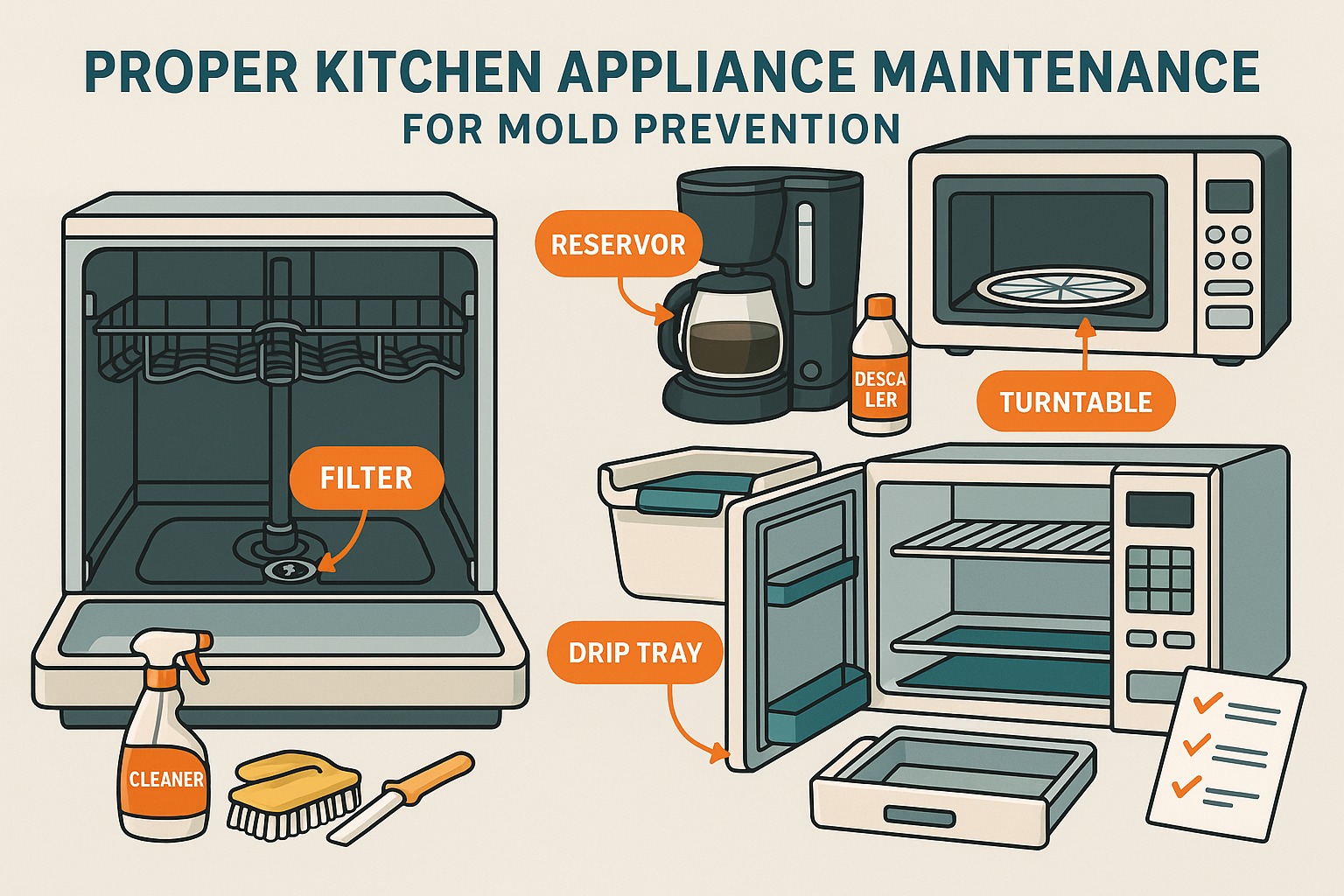
The dishwasher filter traps food particles and debris, making it a hotspot for mold growth if not cleaned often. Remove the filter according to your dishwasher’s manual and rinse it under warm water. Use a soft brush to scrub away any stuck-on residue, and don’t forget to check for trapped bits inside the filter housing.
How often do you clean your dishwasher filter? Doing it once a week can drastically reduce mold and odors.
Wipe Down Seals And Gaskets
Seals and gaskets around the dishwasher door can hold moisture and food particles. Mold can start growing in these tight spaces if they aren’t wiped regularly. Use a damp cloth and a mild detergent to clean these areas thoroughly.
Try to get into the crevices where grime builds up. Have you noticed any black spots or slimy buildup around your dishwasher door? Wiping these parts frequently prevents mold from taking hold.
Use Dishwasher Cleaner
Special dishwasher cleaners are designed to remove mineral buildup, grease, and hidden mold inside your machine. Running a cleaning cycle with these products once a month keeps the interior fresh and free from mold-friendly residues.
Pick a cleaner that suits your dishwasher model and follow the instructions precisely. Have you ever thought about how much buildup might be lurking where your eyes can’t see? A cleaning cycle with a dishwasher cleaner tackles these unseen spots effectively.

Credit: www.youtube.com
Natural Remedies For Mold Removal
Natural remedies offer a safe and effective way to remove mold from dishwashers. These solutions use common household ingredients that kill mold and leave your appliance fresh. They avoid harsh chemicals and protect your health and the environment.
Using these remedies regularly helps keep mold from growing again. They clean hard-to-reach areas and remove odors, improving your dishwasher’s performance.
Vinegar Rinse Cycle
White vinegar is a powerful natural cleaner. Pour two cups of vinegar into the bottom of the dishwasher. Run a hot water cycle without any dishes inside. The vinegar breaks down mold and kills bacteria. It also removes soap scum and hard water deposits. This rinse leaves the dishwasher clean and fresh.
Baking Soda Scrub
Baking soda works as a gentle abrasive and deodorizer. Sprinkle a cup of baking soda on the dishwasher’s bottom. Use a soft brush or cloth to scrub areas with visible mold. Focus on door seals and corners. Run a short hot water cycle afterward to rinse away residue. Baking soda absorbs odors and cleans mold effectively.
Lemon Juice Freshening
Lemon juice adds a fresh scent and natural acidity. Mix half a cup of lemon juice with water in a spray bottle. Spray the mixture on moldy spots and let it sit for 10 minutes. Wipe the area clean with a damp cloth. Lemon juice helps break down mold and leaves a pleasant citrus smell.
Maintenance Tips To Prevent Mold
Maintaining your dishwasher regularly is key to keeping mold at bay. Mold thrives in damp, neglected spaces, so staying ahead with routine care can make all the difference. Let’s look at some practical maintenance tips that help you prevent mold growth effectively.
Inspect And Replace Worn Parts
Old, cracked seals and gaskets can trap moisture, creating perfect mold breeding grounds. Take a close look at rubber seals around the door and replace any that are brittle or damaged. You’ll notice a difference in both the machine’s efficiency and its cleanliness.
Pay attention to the spray arms too. If they’re clogged or cracked, water won’t circulate properly, leaving areas damp longer than they should. Cleaning or swapping out worn parts keeps your dishwasher running smoothly and discourages mold growth.
Check Drainage System
Is your dishwasher draining water completely after each cycle? Standing water is a prime cause of mold. Check the drain for blockages like food scraps or soap buildup that might slow down water flow.
Cleaning the filter regularly is another simple step. A clear drainage path means your dishwasher dries out faster, which helps prevent mold from settling in hidden corners. How often do you inspect this crucial part of your appliance?
Schedule Professional Servicing
Even with regular DIY maintenance, some issues need a professional touch. Technicians can spot hidden problems like clogged pipes or malfunctioning heating elements that you might miss.
Setting up annual or biannual servicing can extend your dishwasher’s life and keep mold risks minimal. Don’t wait for a mold problem to arise—regular checkups can save you from costly repairs and health hazards.
Signs Mold Is Growing
Mold grows quietly inside dishwashers. It thrives in damp, warm places. Early signs help catch mold before it spreads. Knowing these signs keeps your dishwasher clean and safe.
Musty Odors
A strong, musty smell is a clear mold warning. It often smells like wet socks or old paper. This odor stays even after a wash cycle ends. It means mold is growing inside hidden parts.
Visible Black Spots
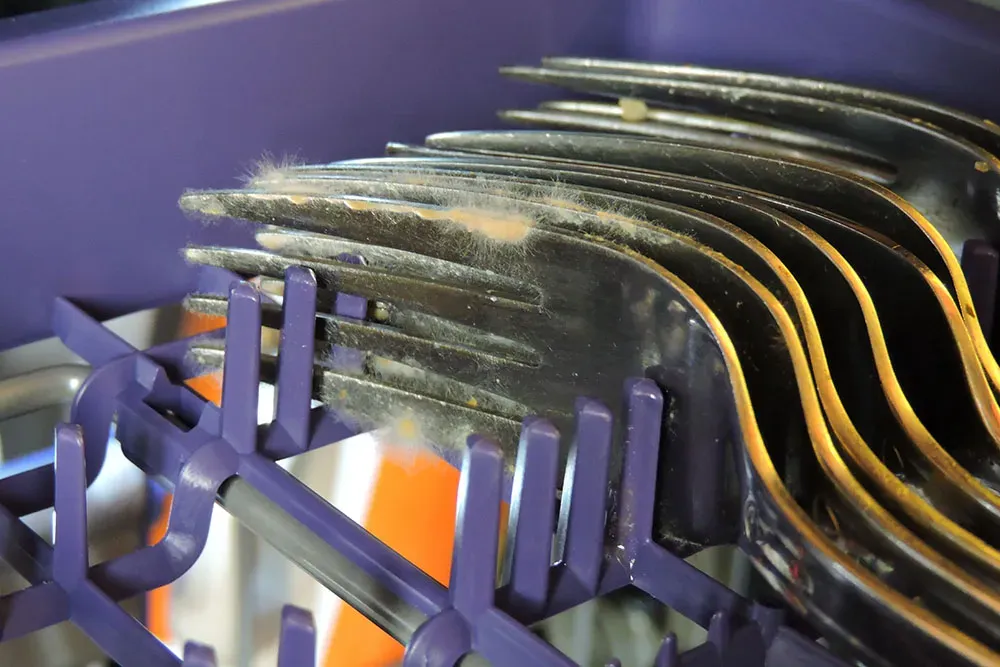
Black or dark green spots inside the dishwasher show mold presence. Look around door seals, corners, and detergent compartments. These spots may look like dirt but are mold colonies. Clean them quickly to stop growth.
Unusual Dishwasher Performance
Dishwasher may not dry dishes well or leave residue. Mold can clog spray arms and filters. This reduces water flow and cleaning power. If your dishwasher works poorly, check for mold inside.
Credit: www.woodcocks.us
Frequently Asked Questions
How Often Should I Clean My Dishwasher To Prevent Mold?
Clean your dishwasher monthly to stop mold growth. Use a dishwasher cleaner or vinegar for best results. Wipe seals and corners where moisture gathers. Regular cleaning keeps your dishwasher fresh and mold-free.
What Causes Mold To Grow Inside A Dishwasher?
Mold grows in dishwashers due to moisture, food residue, and poor ventilation. Warm, damp environments encourage mold spores to thrive. Regular cleaning and drying prevent mold buildup effectively.
Can Using Vinegar Help Prevent Dishwasher Mold?
Yes, vinegar is a natural mold inhibitor. Running a vinegar rinse monthly removes residue and kills mold spores. It also deodorizes your dishwasher, keeping it clean and fresh.
Is It Safe To Leave The Dishwasher Door Open After Use?
Leaving the door open allows air to circulate and dry the interior. This reduces moisture that mold needs to grow. Always leave the door ajar for at least an hour after a cycle.
Conclusion
Preventing mold in your dishwasher keeps it clean and safe. Run it regularly on hot cycles to remove moisture. Leave the door open after use to help drying. Clean the filter and seals often to stop mold growth. Use dishwasher cleaners monthly to keep it fresh.
Simple steps make a big difference in mold control. A clean dishwasher means healthier dishes and less worry. Stay consistent with care to enjoy a mold-free machine. Easy habits protect your kitchen and your health.