Are you tired of battling with a propane tank that seems to freeze at the most inconvenient times? Whether you’re trying to heat your home, cook a meal, or enjoy an outdoor gathering, a frozen propane tank can put a damper on your plans.
But what if you could prevent this frustrating issue altogether? Imagine never having to worry about whether your propane tank will perform when you need it most. We’ll reveal simple yet effective strategies to keep your propane tank from freezing, ensuring you have a steady and reliable source of fuel.
Don’t let the cold weather catch you off guard—discover how you can safeguard your propane tank and enjoy peace of mind all winter long. Read on to learn more!
Causes Of Propane Tank Freezing
Propane tank freezing happens when certain conditions affect the tank and its contents. Understanding these causes helps protect tanks from damage and maintain proper function. Several factors play a role in causing propane tanks to freeze during cold weather.
How Moisture Affects Tanks
Moisture inside the propane tank can cause ice buildup. Water vapor mixes with propane and freezes at low temperatures. This ice can block valves and pipes, stopping propane flow. Even small amounts of moisture create freezing problems.
Impact Of Cold Temperatures
Freezing happens mostly in very cold weather. Low temperatures cause propane to cool and pressure to drop. When the pressure is too low, liquid propane inside the tank freezes. Cold weather outside makes the tank surface icy and slippery too.
Role Of Tank Pressure
Pressure inside the tank is crucial to keep propane flowing. Low pressure leads to freezing because propane cannot vaporize properly. Pressure drops if the tank is almost empty or exposed to cold. Maintaining enough pressure prevents freezing and ensures safe use.
Credit: www.vevor.com
Proper Tank Placement
Proper tank placement is crucial to prevent propane tanks from freezing. Positioning the tank correctly helps protect it from harsh weather. It also ensures safe and efficient propane use during cold months.
Choosing A Sheltered Location
Place the propane tank in a spot shielded from strong winds. Wind can lower the tank’s temperature quickly. A sheltered area reduces frost buildup on the tank surface. Look for natural barriers like trees or buildings that block wind.
Avoiding Direct Snow Exposure
Keep the tank clear of heavy snow drifts. Snow piles can cover vents and valves, causing freezing risks. Regularly check and remove snow around the tank base. This keeps all components accessible and functioning well.
Elevating The Tank
Raise the propane tank off the ground using a sturdy platform. Elevation prevents contact with cold, wet surfaces. It also improves air circulation around the tank. This simple step lowers the chance of ice forming beneath the tank.
Insulation Techniques
Insulation plays a key role in keeping a propane tank from freezing. It helps trap heat and protects the tank from cold air. Proper insulation keeps the propane flowing smoothly, even in harsh weather. Several easy techniques can boost insulation and improve safety around the tank.
Using Insulating Blankets
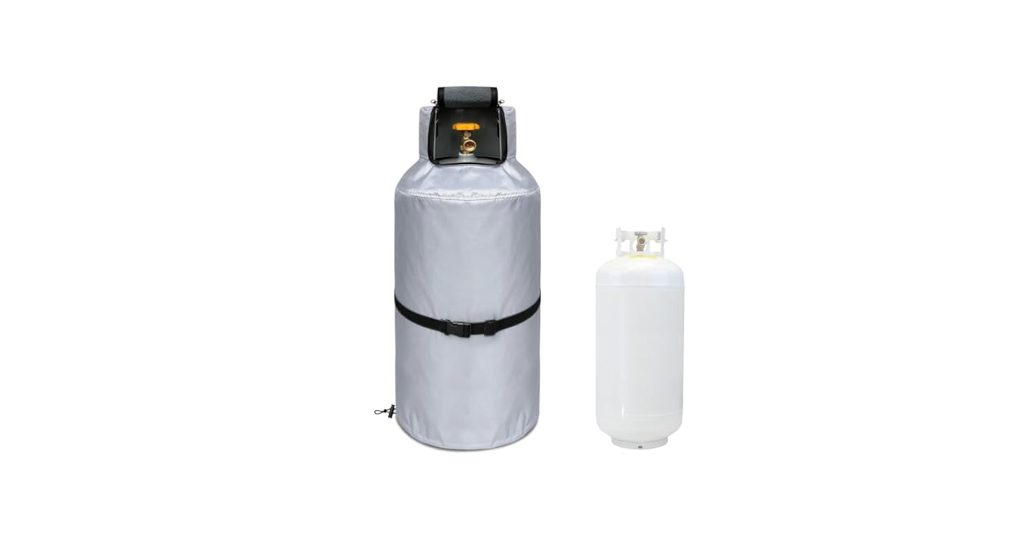
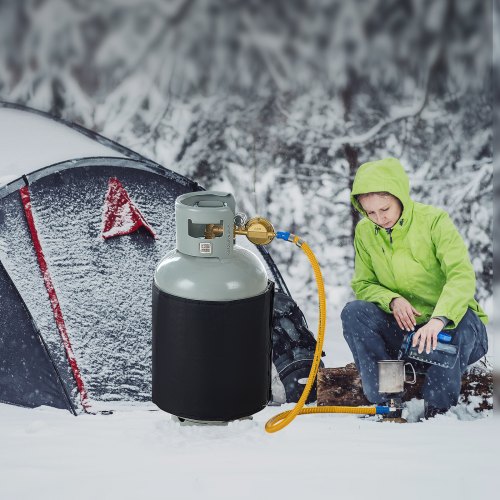
Insulating blankets are specially made covers for propane tanks. They wrap around the tank and reduce heat loss. These blankets are simple to install and remove. Most are water-resistant and can handle outdoor conditions. They help keep the tank warm during cold nights and freeze-prone days. Using these blankets reduces the chance of frost forming on the tank surface.
Diy Insulation Ideas
Creating your own insulation can save money and be effective. Common materials include old blankets, foam panels, and bubble wrap. Wrap these materials tightly around the tank. Secure them with tape or straps to prevent slipping. Adding a plastic cover over the insulation helps keep moisture away. Ensure the tank’s valve and gauge remain accessible for safety checks.
Safety Considerations
- Do not cover air vents or safety valves on the tank.
- Use flame-retardant materials to avoid fire risks.
- Regularly inspect insulation for damage or moisture buildup.
- Avoid materials that can trap moisture and cause rust.
- Keep insulation away from open flames and sparks.
Proper insulation protects your propane tank and ensures safe operation. Follow safety steps to prevent accidents and damage.

Credit: www.youtube.com
Maintaining Tank Components
Maintaining your propane tank’s components is essential to prevent freezing and ensure smooth operation during cold weather. Neglecting this can cause blockages or malfunctions, leaving you without heat when you need it most. Taking simple, regular steps can keep your system reliable and safe.
Checking Valves And Regulators
Valves and regulators control the flow of propane and must function without obstruction. Make sure to inspect them for any cracks, rust, or damage that might let moisture in or restrict gas flow. If you spot any wear, replacing these parts promptly can save you from freezing issues later.
Have you ever experienced a stubborn valve that just wouldn’t open in freezing temperatures? I have, and it reminded me how crucial it is to keep these components clean and lubricated with manufacturer-approved products.
Preventing Moisture Build-up
Moisture inside the tank or components can freeze, blocking propane flow. Use covers or seals designed to keep water out, especially around connection points. Also, consider adding moisture-absorbing products near the tank to minimize humidity.
Think about the last time you saw frost forming around your tank fittings. That’s a sign moisture is settling and could freeze. Taking action early can avoid costly repairs and downtime.
Regular Tank Inspections
Set a schedule to inspect your propane tank and its components regularly, especially before winter. Look for signs of wear, corrosion, and leaks. Even small issues caught early can prevent freezing problems and improve overall safety.
Do you check your tank monthly, or only when you notice a problem? Making inspections a habit can help you spot potential issues before they affect your heating system.
Using Heat Sources Safely
Using heat sources to prevent your propane tank from freezing requires careful attention. Applying heat safely ensures your tank stays functional without creating dangerous situations. Let’s look at some effective ways to use heat and what you must avoid to keep your home and family safe.
Applying Heat Tape
Heat tape is a popular choice for warming propane tanks. It wraps around the tank and provides gentle, consistent heat that stops freezing.
When using heat tape, make sure it is designed for outdoor use and rated for your tank size. Always follow the manufacturer’s instructions carefully to avoid overheating or electrical issues.
Have you checked if your heat tape has an automatic shutoff feature? This can prevent damage and reduce energy use, making it safer and more efficient.
Using Propane Tank Heaters
Propane tank heaters come in various designs, from electric blankets to standalone heating units. These devices maintain a steady temperature around the tank during freezing weather.
Choose heaters with built-in safety features like thermostats and timers. This way, you can control the heat output and reduce the risk of overheating your tank or nearby surfaces.
Think about the placement of the heater. It should be stable, not touching the ground, and kept away from flammable materials to avoid accidents.
Avoiding Fire Hazards
Heat sources near propane tanks can cause fire if not handled properly. Never use open flames like torches or candles to warm your tank.
Keep all electrical cords and heating devices in good condition. Frayed wires or damaged plugs increase fire risk significantly.
Always ensure your propane tank area is well-ventilated. This prevents gas buildup, which can ignite if exposed to heat or sparks.
Have you inspected your setup for potential hazards recently? A small oversight could lead to serious consequences, so regular checks are crucial.
Monitoring And Maintenance Tips
Keeping a propane tank from freezing requires regular monitoring and maintenance. Small checks can prevent big problems later. Watch the tank’s pressure and moisture levels closely. Routine care extends the tank’s life and keeps it working well in cold weather.
Regular Pressure Checks
Check the propane tank pressure often. Low pressure may mean moisture buildup or leaks. Use a pressure gauge to monitor the tank. Note any sudden changes and act quickly. Proper pressure ensures the propane flows smoothly, avoiding freeze-ups.
Draining Moisture From The Tank
Moisture inside the tank can freeze and block gas flow. Drain the tank regularly to remove water. Use the tank’s drain valve to release moisture safely. Keep the tank dry to maintain steady propane delivery. This simple step prevents ice from forming inside.
Scheduling Professional Servicing
Hire a professional to inspect the tank yearly. Experts detect problems early before freezing occurs. They clean, test, and repair parts as needed. Professional service keeps the tank safe and efficient. Don’t delay scheduling service during cold months.
Additional Winter Precautions
Taking extra steps during winter protects propane tanks from freezing. Cold weather creates risks that simple measures cannot always stop. These additional precautions help ensure safety and tank performance. Proper care lowers chances of fuel problems and costly repairs.
Keeping Fuel Levels Adequate
Keep propane tanks at least half full in cold months. Low fuel levels increase the risk of freezing. The propane inside needs space to expand safely. Regularly check fuel levels and refill before they drop too low. This simple step helps maintain steady pressure and heat output.
Emergency Preparedness
Prepare for possible propane issues during winter storms. Have backup heating options ready, such as electric heaters or wood stoves. Store extra propane safely to avoid running out. Keep emergency contact numbers for propane suppliers handy. This readiness reduces stress and improves safety in cold weather.
Weatherproofing Connections
Protect all propane connections from ice and snow. Use weatherproof covers or insulation sleeves on valves and pipes. Check seals regularly to prevent leaks caused by freezing. Secure hoses and fittings tightly to avoid damage. This protection keeps your system working well despite harsh weather.
Credit: bryansfuel.on.ca
Frequently Asked Questions
Why Does My Propane Tank Freeze In Winter?
Propane tanks freeze due to moisture in the gas or low temperatures. When liquid propane vaporizes, it cools the tank surface. This causes frost or ice buildup, especially if the tank is nearly empty or poorly ventilated.
How Can I Prevent Propane Tank Freezing At Home?
Keep your propane tank full, as low levels increase freezing risk. Store tanks in a well-ventilated, sheltered area away from cold winds. Using a propane tank heater or insulation blanket also helps maintain temperature and prevent ice formation.
Is It Safe To Use A Propane Tank Heater?
Yes, propane tank heaters designed for this purpose are safe. Always follow manufacturer instructions and safety guidelines. Avoid using open flames or unapproved heating devices near your propane tank to prevent accidents and ensure safety.
Can Propane Tank Freezing Affect Gas Flow?
Yes, ice buildup can block the gas flow. This reduces appliance performance or causes it to shut off. Regular tank maintenance and preventing freezing help ensure consistent and safe gas supply.
Conclusion
Preventing a propane tank from freezing keeps your home safe and warm. Keep tanks in a dry, shaded spot away from wind. Wrap tanks with insulation or use a tank heater for cold days. Check valves and regulators often to spot problems early.
Small steps make a big difference during winter months. Stay prepared, avoid freezing, and enjoy steady propane flow all season. Simple care helps your propane work when you need it most.