Are you tired of unloading your dishwasher only to find those annoying water spots tarnishing your sparkling clean dishes? You’re not alone.
Many people face this common issue, and it can be both frustrating and time-consuming to deal with. Imagine the relief of having spotless dishes every time you open the dishwasher door. In this guide, we’ll unravel simple yet effective strategies to keep your dishes gleaming and water spot-free.
You’ll discover tips that not only save you time but also enhance the performance of your dishwasher. Stick around to find out how you can turn your dishwashing routine into a hassle-free experience.
Credit: priorityappliance.com
Causes Of Water Spots
Water spots on dishes after a dishwasher cycle can be frustrating. These spots appear as white or cloudy marks on glasses, plates, and silverware. Understanding what causes these spots helps prevent them. Several common factors lead to water spots in dishwashers.
Hard Water Effects
Hard water contains minerals like calcium and magnesium. These minerals do not dissolve easily in water. When water evaporates from dishes, the minerals stay behind. This leaves white, chalky spots on the surface. Hard water also reduces detergent effectiveness. It can cause cloudy film on glassware.
Detergent Residue
Using too much detergent causes residue buildup. Detergent that does not rinse off properly leaves spots. Sometimes the detergent type does not suit your water hardness. This leads to film and spots on dishes. Poor-quality detergent may also leave behind residue. Proper detergent choice and amount are important.
Improper Drying
Water spots form when dishes do not dry well. If dishes stay wet too long, minerals settle on surfaces. Poor drying can be due to dishwasher design or loading. Overcrowded racks block airflow. This slows evaporation and increases spotting. Hand drying with a towel can also leave streaks.
Choosing The Right Detergent
Choosing the right detergent is key to preventing water spots on your dishes after a dishwasher cycle. The detergent you pick not only cleans but also affects how water interacts with your dishes during drying. Understanding the differences between detergent types and the role of rinse aids can help you make smarter choices for spotless results.
Powder Vs. Liquid Detergents
Powder detergents often contain more natural abrasives that help scrub off stuck-on food. They work well if your water is hard, as they can handle mineral buildup better. However, powders sometimes leave residue if not dissolved completely.
Liquid detergents dissolve quickly and are less likely to leave gritty spots. They’re excellent for light to medium cleaning and work well with soft water. But liquids may lack the scrubbing power of powders, so very dirty dishes might need a stronger formula.
Think about your water type and dishwashing needs before choosing. If you notice white spots or film regularly, switching detergent types might make a noticeable difference.
Using Rinse Aids
Rinse aids are designed to reduce water’s surface tension, which helps water slide off dishes more easily. This prevents droplets from drying on your plates and glasses, stopping water spots before they start.
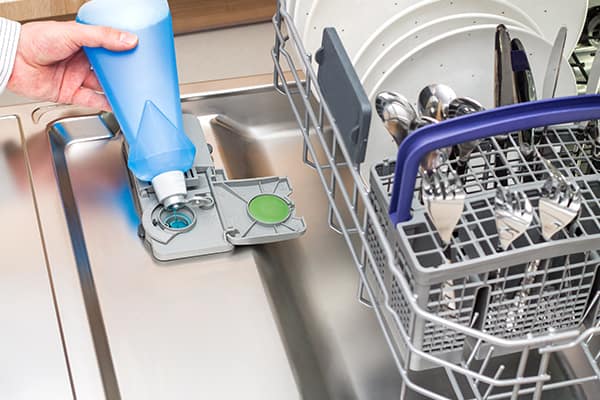
Adding a rinse aid is a simple step that can drastically improve drying results. Many dishwashers have a dedicated compartment for rinse aids—make sure to keep it filled. If you don’t see a rinse aid option, look for detergents that include built-in rinse aid components.
Have you ever noticed your glasses looking cloudy even right after washing? That’s often a sign you need more or better rinse aid. Experimenting with different amounts can lead you to the perfect balance for your water conditions and dishwasher model.
Adjusting Dishwasher Settings
Adjusting your dishwasher settings can reduce water spots on dishes effectively. Small changes in temperature, cycle choice, and drying options help water drain better. This prevents droplets from leaving marks on your glassware and plates. Let’s explore some key settings to improve your dishwasher’s performance.
Water Temperature
Set the water temperature between 120°F and 140°F. Hot water dissolves detergent better and removes food particles. It also helps dishes dry faster, reducing spots. Avoid temperatures above 150°F to prevent damage to dishes and the dishwasher.
Cycle Selection
Choose a cycle that matches your dish load. A heavy cycle uses more water and heat for tough stains. A normal cycle is enough for everyday dishes. Short cycles may save time but can leave residue and spots behind.
Drying Options
Use the heated drying option to speed up drying and stop water spots. Air-dry settings may leave moisture on dishes. Adding a rinse aid helps water slide off surfaces during drying. This reduces the chance of spots forming on dishes.

Credit: atlanticbluewaterservices.com
Pre-wash Tips
Pre-washing dishes before placing them in the dishwasher helps reduce water spots. It removes leftover food and grease that cause spots and stains. Simple pre-wash steps improve cleaning results and keep dishes sparkling.
Rinsing Dishes
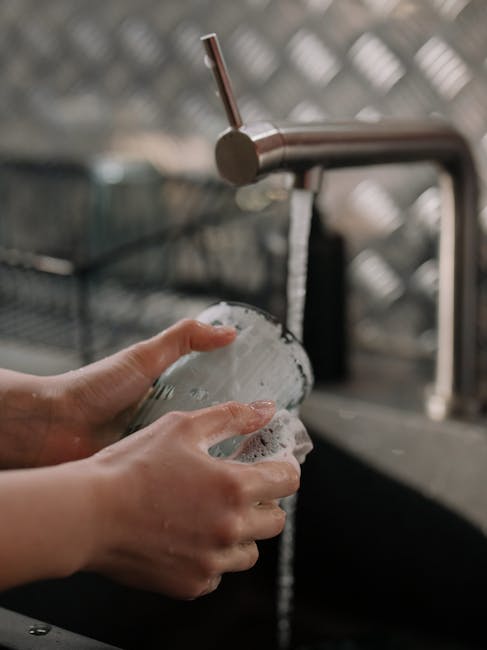
Rinse dishes under warm water to remove loose food. Avoid heavy scrubbing; just clear visible debris. This prevents food particles from clogging the dishwasher and causing water spots. Quick rinsing also helps detergent work better.
Loading Techniques
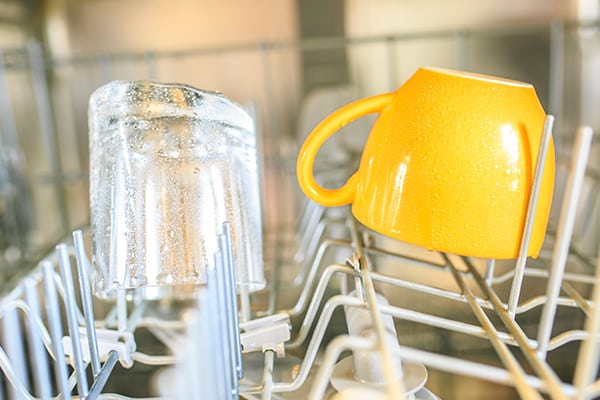
Place dishes properly to allow water flow and drainage. Avoid overcrowding. Space plates and cups apart for better cleaning. Position glasses and bowls upside down to prevent water pooling. Proper loading reduces water spots and improves drying.
Regular Dishwasher Maintenance
Keeping your dishwasher in top shape is key to preventing those annoying water spots on your dishes. Regular dishwasher maintenance ensures every cycle runs smoothly and your dishes come out sparkling clean. Simple upkeep tasks can make a big difference in water quality and appliance performance.
Cleaning Filters
Your dishwasher’s filter catches food particles and debris during each wash. If it clogs, water flow decreases, leaving behind spots and residue on your dishes. Clean the filter at least once a month by removing it and rinsing under warm water, scrubbing gently with a soft brush if needed.
Have you noticed dishes still feeling gritty after a cycle? A dirty filter might be the culprit. Keeping it clean keeps water circulating properly and your dishes spotless.
Descaling
Hard water minerals build up inside your dishwasher over time, causing white spots and film on dishes. Descaling removes this mineral buildup and improves dishwasher efficiency. Use a dishwasher-safe descaler or a cup of white vinegar placed on the top rack and run a hot cycle monthly.
Think about how much your water quality affects your dishwasher’s performance. If you live in a hard water area, descaling more often can save you from constant spot-cleaning later.
Inspecting Spray Arms
Spray arms distribute water evenly during the wash, but they can get clogged with debris or mineral deposits. Blocked spray holes reduce water pressure, causing uneven cleaning and spots. Remove the spray arms regularly and check for blockages, clearing them with a toothpick or running water through the holes.
Have you ever wondered why some dishes come out cleaner than others? A quick look at your spray arms might reveal the issue. Proper water flow is crucial for spotless dishes every time.
Natural Remedies For Water Spots
Water spots on dishes can be frustrating and make your glassware look dull. Natural remedies offer a simple way to keep dishes spotless without harsh chemicals. These options are safe, eco-friendly, and easy to use. They help remove mineral deposits and leave dishes sparkling clean.
Vinegar Rinse
Vinegar is a powerful natural cleaner. Its acidity breaks down minerals that cause water spots. Pour white vinegar into the dishwasher’s rinse aid compartment. This helps dishes dry without spots. You can also add a cup of vinegar to the bottom of the dishwasher before running a cycle. It removes buildup and freshens the machine.
Baking Soda Use
Baking soda is gentle and effective for cleaning dishes. Sprinkle a small amount on the bottom of the dishwasher before starting a cycle. It softens hard water effects and neutralizes odors. Baking soda also helps remove leftover stains and spots on dishes. Use it regularly for better results.
Preventive Habits
Preventing water spots on your dishes doesn’t have to be a constant battle. Developing simple, consistent habits can make a noticeable difference in how your dishwasher performs. Paying attention to a few key areas helps keep your dishes sparkling clean every time.
Using Soft Water Systems
Hard water is one of the main culprits behind those annoying water spots. Installing a water softener system can reduce minerals like calcium and magnesium in your water supply. These minerals often leave residue on your dishes after drying.
If you’ve noticed spots even after rinsing, consider testing your water hardness. You might be surprised how much difference soft water makes. It’s a small investment that pays off in cleaner dishes and less scrubbing later.
Routine Checks
Regularly inspecting your dishwasher is a habit that can prevent many issues, including water spots. Check the spray arms to make sure they aren’t clogged with food debris or mineral buildup. Clean filters frequently to ensure water circulates properly.
Also, verify that your detergent dispenser is working correctly. Residue left behind due to poor detergent release can cause spots and film on your dishes. Have you checked your dishwasher’s seals and door alignment lately? Even small leaks can affect drying and leave water marks.
Credit: priorityappliance.com
Frequently Asked Questions
How Can I Stop Water Spots On Dishwasher Dishes?
Use a rinse aid to reduce water spots effectively. Also, avoid overloading the dishwasher to improve water circulation. Regularly clean your dishwasher’s filter and spray arms to ensure optimal performance and spot-free dishes.
Why Do Water Spots Form On Dishwasher Dishes?
Water spots form due to mineral deposits left after water evaporates. Hard water with high mineral content causes more spots. Using a water softener or rinse aid helps prevent these deposits and keeps dishes spotless.
Does Using Vinegar Prevent Water Spots In Dishwashers?
Yes, white vinegar can reduce water spots by breaking down mineral deposits. Add a cup of vinegar in the dishwasher’s rinse cycle occasionally. However, avoid overusing vinegar as it may damage dishwasher seals over time.
How Often Should I Clean My Dishwasher To Avoid Spots?
Clean your dishwasher monthly to prevent water spots and residue build-up. Focus on filters, spray arms, and door seals. Regular cleaning ensures better water flow and improves cleaning efficiency for spot-free dishes.
Conclusion
Preventing water spots on dishes keeps them clean and shiny. Use the right dishwasher detergent and rinse aid every time. Check water temperature to help dissolve soap well. Load dishes properly for good water flow and drying. Clean your dishwasher regularly to avoid buildup and spots.
Small habits make a big difference in dish care. Enjoy spotless dishes without extra work or frustration. Keep these tips in mind for a cleaner kitchen experience. Simple steps lead to better results every wash.