Imagine waking up on a freezing winter morning only to find your well water pipes frozen solid. No water for your morning coffee, no shower, and no way to keep your home running smoothly.
It’s frustrating, inconvenient, and can even lead to costly repairs. But what if you could stop this from ever happening? You’ll discover simple, effective ways to protect your well water pipes from freezing. By taking a few smart steps now, you’ll avoid the headache and keep your water flowing all winter long.
Keep reading to learn exactly what you need to do to safeguard your home against the cold.

Credit: www.qwet.net
Causes Of Well Water Pipe Freezing
Understanding the causes of well water pipe freezing is crucial to protecting your water supply during cold months. Pipes freeze when water inside them turns to ice, blocking the flow and potentially causing damage. Let’s look at the main reasons why this happens and how you can spot vulnerabilities before they become costly problems.
Temperature And Weather Factors
Cold air temperatures are the primary cause of pipe freezing. When the outside temperature drops below 32°F (0°C), water inside exposed pipes can start to freeze quickly.
Wind chill can worsen the situation by stripping away any heat surrounding the pipes, making them freeze even faster. If you live in an area prone to sudden cold snaps, your pipes have little time to adjust, increasing the risk.
Have you noticed how some winters feel harsher than others? That’s often due to fluctuating temperatures causing repeated freeze-thaw cycles, which weaken pipes over time.
Pipe Location And Insulation Issues
Pipes located in unheated areas like basements, crawl spaces, or exterior walls are more vulnerable. These spots often lack sufficient insulation, leaving pipes exposed to cold air.
Even a small gap in insulation can let cold air in, which is enough to freeze water inside the pipe. Check around windows, doors, and where pipes enter your home for drafts or poor sealing.
Think about how your home’s layout affects pipe exposure. Sometimes, rerouting pipes or adding insulation sleeves can make a big difference in preventing freezing.
Water Flow And Usage Patterns
Water that sits still in pipes is more likely to freeze than water that flows regularly. If you leave your home for several days during cold weather, stagnant water inside pipes can freeze solid.
Running a trickle of water through your taps during extreme cold can keep water moving and reduce freezing risk. Have you ever noticed how a slow drip can save you from burst pipes?
Consider adjusting your water use habits during winter. Small changes like opening cabinet doors to let warm air reach pipes or running water during freezing nights can protect your system effectively.
Choosing The Right Insulation
Choosing the right insulation for your well water pipes is a crucial step in preventing them from freezing. The correct material not only protects your pipes but also saves energy and money. It’s important to understand your options and how to apply them effectively to get the best results.
Types Of Pipe Insulation Materials
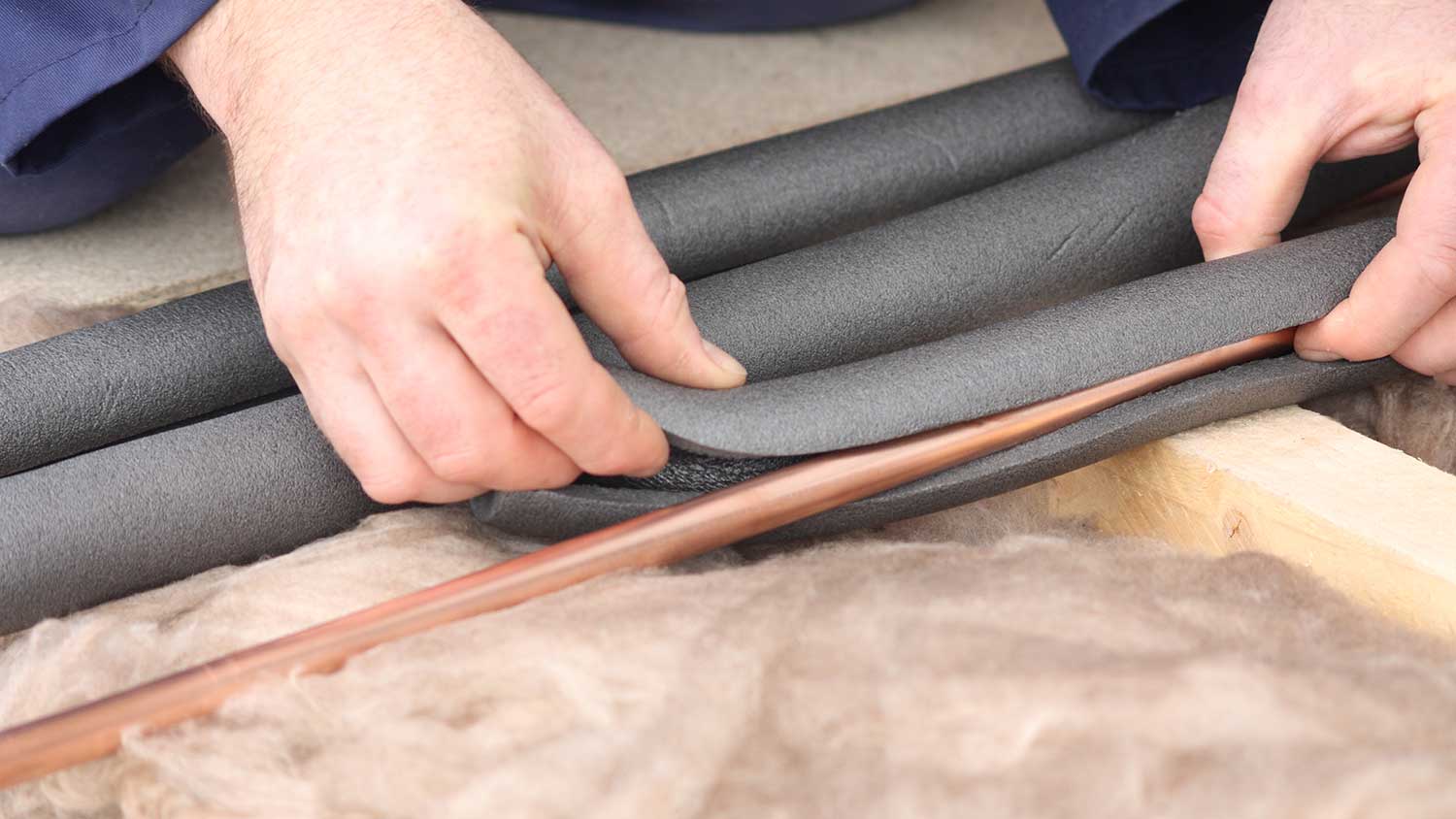
Several insulation materials work well for well water pipes, each with unique benefits. Foam rubber tubes are flexible and easy to install, making them a popular choice for most homeowners. Fiberglass insulation offers excellent thermal protection but requires a protective outer layer to keep moisture out.
Another option is polyethylene foam, which is durable and resists moisture, perfect for outdoor pipes. Heat tape or heating cables can be added to these materials for extra protection during extremely cold spells. Ask yourself: Do you need a simple solution, or something that can handle harsh winters?
How To Insulate Pipes Effectively
Start by measuring your pipes to buy the right size insulation. Cut the insulation to fit snugly around the pipe without gaps. Use waterproof tape or zip ties to secure the insulation firmly in place, ensuring it stays put over time.
Don’t forget to seal joints and bends carefully, as these spots are vulnerable to cold air. Adding an extra layer around exposed sections can make a big difference. Think about areas where cold drafts enter and focus your insulation efforts there.
Insulating Exterior Well Components
Exterior well components like pump houses and pressure tanks also need protection. Wrap these parts with insulated blankets or foam panels designed for outdoor use. Make sure the insulation is weatherproof to prevent damage from rain or snow.
Covering exposed pipes running from the well to your home with insulated conduit or heat tape can prevent freezing. Regularly check these areas during winter for any signs of wear or damage. Have you checked your well’s exterior setup recently to spot weak points before the cold hits?
Maintaining Proper Water Flow
Maintaining proper water flow is key to preventing well water pipes from freezing. Water that moves slowly or stops can freeze more easily in cold weather. Keeping water flowing helps stop ice from building up inside pipes. This section explains simple ways to keep water moving and protect your pipes during winter.
Dripping Faucets To Prevent Freezing
Letting faucets drip slowly keeps water moving through pipes. Even a small drip can stop water from freezing. This works best for pipes that run through cold or unheated areas. Use cold water taps and keep the drip steady, not too fast or too slow. The slow flow lowers freezing risk and prevents pipe bursts.
Using Heat Tape And Cables
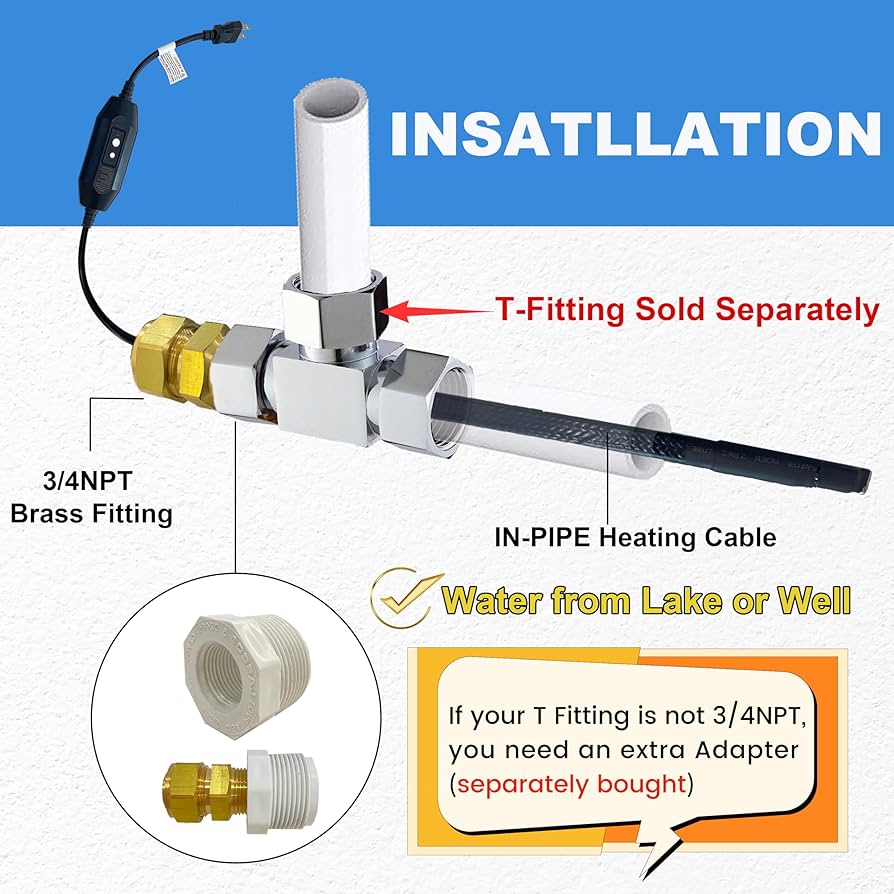
Heat tape and cables wrap around pipes to add warmth. They use electricity to keep pipes above freezing temperatures. Install them on exposed or vulnerable pipes outside or in basements. Follow manufacturer instructions carefully for safe use. These tools are effective for pipes prone to freezing in harsh climates.
Regular Water Usage Tips
Running water regularly helps avoid frozen pipes. Open taps for a few seconds several times a day. Use water for household chores like washing dishes or watering plants. This keeps water moving in the system. Avoid long periods without water flow during cold spells.

Credit: www.youtube.com
Protecting Outdoor Plumbing
Outdoor plumbing is particularly vulnerable during freezing weather. Your well water pipes, if left exposed, can easily freeze and cause costly damage. Taking proactive steps to protect these pipes not only saves money but also prevents the hassle of emergency repairs.
Sealing Gaps And Cracks
Check around your home’s exterior and the well pump area for any gaps or cracks. Cold air sneaking in through tiny openings can freeze pipes quickly. Use weather-resistant caulk or foam sealant to close these gaps and keep the chill out.
Think about spots near vents, windows, and where pipes enter your home. Sealing these areas creates a barrier against the cold. It’s a simple fix that makes a big difference when temperatures drop.
Using Heated Enclosures
Building or buying a heated enclosure for your outdoor plumbing is a smart move. These enclosures trap warmth around your pipes and prevent freezing. You can find insulated boxes with built-in heat cables or install a small heater controlled by a thermostat.
I once insulated my well pump with a heated box, and during a severe cold snap, it worked perfectly. No frozen pipes, no water loss, and peace of mind. Could adding a heated enclosure be the missing link in your winter prep?
Covering Exposed Pipes
Wrapping exposed pipes with foam pipe insulation sleeves or heat tape is one of the easiest defenses. These materials keep warmth around the pipes and shield them from frost. Make sure the insulation is snug and covers every inch of the pipe.
Don’t forget to secure the insulation with tape or wire ties so it won’t slip off in wind or rain. Would you rather spend a few dollars on insulation or hundreds on pipe repairs? Covering pipes is a small effort with a big payoff.
Monitoring And Early Detection
Keeping an eye on your well water pipes as temperatures drop can save you a lot of hassle. Monitoring and early detection help you catch problems before they become emergencies. Knowing what to watch for and having the right tools in place can make all the difference when winter hits.
Signs Of Freezing Pipes
You might not realize your pipes are freezing until water flow slows or stops completely. Watch for these warning signs:
- Frost or ice buildup on exposed pipes
- Unusual noises like banging or cracking when you turn on the tap
- Water pressure drops significantly
- Discolored or cloudy water coming from your faucets
Spotting these early can save your pipes from bursting and causing costly damage. Have you ever noticed strange noises from your plumbing during cold snaps? They’re often the first clue something’s wrong.
Installing Temperature Sensors
Temperature sensors are a smart way to keep tabs on your pipes without constant manual checks. These devices alert you when temperatures near freezing, giving you time to act.
You can install sensors along vulnerable sections of pipe, especially those outside or in unheated spaces like basements and crawl spaces. Some sensors even connect to your smartphone, sending notifications directly to you.
This technology helped a friend of mine avoid a disaster last winter—she received an alert and was able to insulate her pipes before they froze. How much easier would it be to respond with real-time alerts?
Emergency Preparedness Measures
Even with monitoring, freezing can still happen. Being ready with a plan minimizes damage and stress.
- Keep a portable heater or heat lamp nearby to warm pipes quickly
- Know where your main water shut-off valve is and how to use it
- Have pipe insulation materials and heat tape on hand
- Prepare emergency contact numbers for a plumber or local water service
When pipes freeze, acting fast is crucial. What’s your go-to move if you suddenly lose water flow during winter?
Credit: www.angi.com
Frequently Asked Questions
How Can I Insulate Well Water Pipes Effectively?
Use foam pipe insulation sleeves or heat tape to wrap exposed pipes. This prevents cold air from freezing the water inside. Ensure all outdoor and unheated areas are covered. Proper insulation helps maintain pipe temperature above freezing during winter.
What Are Simple Ways To Prevent Well Water Pipes Freezing?
Keep a slow drip of water flowing through the pipes. This movement reduces freezing risk. Open cabinet doors to allow warm air circulation around pipes. Seal cracks and openings near pipes to block cold drafts.
When Should I Start Winterizing My Well Water Pipes?
Begin winterizing before the first hard freeze, usually in late fall. Early preparation protects pipes from sudden temperature drops. Regularly check insulation and heating methods throughout winter to ensure continuous protection.
Can Heating Cables Help Stop Pipes From Freezing?
Yes, heating cables provide consistent warmth to pipes. They are easy to install and safe when used correctly. Heating cables regulate pipe temperature to prevent ice blockages and potential damage.
Conclusion
Keeping well water pipes from freezing is essential for smooth water flow. Simple steps can prevent costly damage. Insulate your pipes with foam or sleeves. Seal gaps and cracks to stop cold air. Let faucets drip slowly on freezing nights.
Maintain a steady thermostat setting. Regularly check and maintain your system. These practices ensure reliable water access during winter. Protecting your pipes also saves money and stress. Stay proactive, and your water system will work efficiently. Always be prepared for cold weather challenges.
Your well-being depends on it.