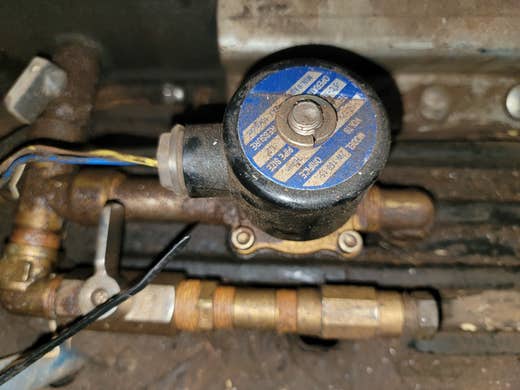
Are you looking to enhance the performance and longevity of your diesel engine? Properly priming your Fass fuel system is a crucial step.
Not only does it ensure your engine runs smoothly, but it also prevents costly repairs down the road. Imagine cruising down the highway with the confidence that your engine is operating at its peak efficiency. In this guide, you’ll discover simple, step-by-step instructions to prime your Fass fuel system like a pro.
You’ll find tips that will save you time, money, and unnecessary stress. Ready to unlock the secrets to a smoother ride and a healthier engine? Let’s dive in and get your fuel system primed for success.

Credit: www.xtremediesel.com
Fass Fuel System Basics
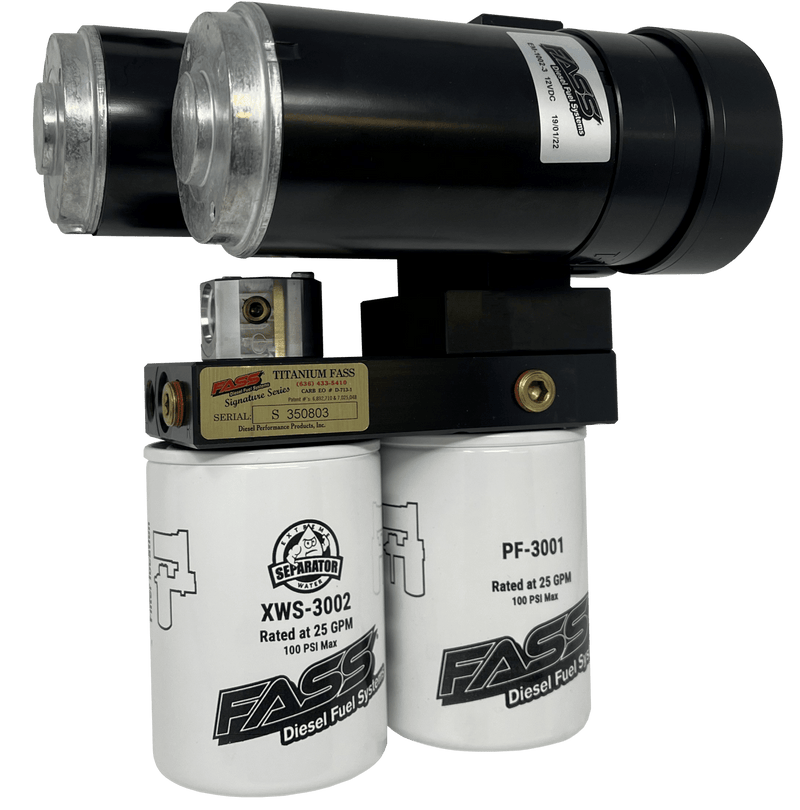
The Fass fuel system helps deliver clean fuel to your engine. It improves fuel flow and protects the engine parts.
This guide covers the key parts of the Fass fuel system and common problems you may face when priming it.
Key Components
The Fass fuel system has several important parts that work together to keep fuel flowing smoothly.
- Fuel Pump:Moves fuel from the tank to the engine.
- Fuel Filter:Removes dirt and debris from the fuel.
- Priming Valve:Helps remove air from the system during startup.
- Fuel Lines:Carry fuel to and from the pump and engine.
- Pressure Regulator:Keeps fuel pressure steady for engine needs.
Common Issues
Users often face problems that block fuel flow or cause air to enter the system.
| Issue | Cause | Effect |
| Air in Fuel Lines | Loose connections or empty tank | Engine may stall or not start |
| Clogged Fuel Filter | Dirt and debris build-up | Reduced fuel flow and power |
| Faulty Priming Valve | Wear or damage | Difficulty removing air from system |
| Low Fuel Pressure | Bad pump or leaks | Engine runs poorly or stops |
Tools Needed
Priming the Fass fuel system requires specific tools to ensure the job is done correctly. Using the right equipment helps avoid damage and makes the process easier.
Below are the essential tools and safety gear you will need before starting the priming process.
Essential Equipment
Gather all necessary equipment to prime the fuel system effectively. These tools will help you complete the task smoothly.
- Hand primer pump or vacuum pump
- Set of wrenches (open-end and adjustable)
- Fuel line clamps
- Clean rags or shop towels
- Fuel container for catching spills
- Flathead and Phillips screwdrivers
- Flashlight for better visibility
Safety Gear
Wear proper safety gear to protect yourself from fuel spills and fumes during the priming process. Safety must be a priority.
| Safety Item | Purpose |
|---|---|
| Safety goggles | Protect eyes from fuel splashes |
| Rubber gloves | Prevent skin contact with fuel |
| Long sleeves and pants | Shield skin from spills and splashes |
| Fire extinguisher | Handle any fuel fire emergencies |
| Well-ventilated workspace | Reduce inhalation of harmful fumes |
Preparation Steps
Priming the FASS fuel system requires careful preparation. This helps avoid damage and ensures the system works right.
Follow the steps below to prepare your vehicle and inspect the system before priming the fuel system.
Vehicle Positioning
Place the vehicle on a flat, stable surface. This prevents fuel from shifting unexpectedly during priming. Make sure the parking brake is set to keep the vehicle from moving.
- Park the vehicle on level ground.
- Engage the parking brake firmly.
- Turn off the engine and remove the key.
- Open the hood to access the fuel system components.
System Inspection
Check the fuel system for leaks or damage before starting. Inspect hoses, fittings, and the pump to ensure all parts are secure and in good shape.
| Component | What to Check | Action if Problem Found |
|---|---|---|
| Fuel Lines | Look for cracks, leaks, or loose connections | Tighten or replace damaged lines |
| Fuel Pump | Check for unusual noises or signs of wear | Test or replace the pump if faulty |
| Fittings and Clamps | Ensure all are tight and not corroded | Secure loose fittings or replace corroded parts |
| Fuel Filter | Check if clogged or dirty | Replace with a new filter |
Priming Process
Priming the Fass fuel system prepares it for proper fuel flow. It removes air pockets and ensures the engine runs smoothly. Follow the correct process to avoid fuel delivery issues.
This guide covers three key areas: manual priming, using the priming pump, and checking for air leaks. Each step is important for effective priming.
Manual Priming Method
Manual priming involves filling the fuel system by hand. It helps start the fuel flow before the engine runs. Use this method if the fuel system is dry or after maintenance.
- Turn off the engine and open the fuel fill port.
- Slowly pour clean diesel fuel into the port.
- Fill until fuel reaches the top of the port.
- Close the fuel fill port securely.
- Check that fuel flows through the lines without air bubbles.
Using The Priming Pump
The priming pump helps push fuel through the system. It is useful for removing trapped air and ensuring steady fuel delivery.
- Locate the priming pump on your Fass fuel system.
- Slowly press the pump handle several times.
- Watch for fuel moving through the fuel lines.
- Continue until the fuel flow is steady and free of bubbles.
- Do not pump excessively to avoid damage.
Checking For Air Leaks
Air leaks can cause poor engine performance. Check connections and seals carefully to find leaks.
| Location | What to Check | Action |
|---|---|---|
| Fuel Lines | Cracks or loose fittings | Tighten or replace damaged parts |
| Priming Pump | Seal condition | Replace worn seals |
| Fuel Filter | Proper installation | Reinstall or replace if needed |
| Fuel Tank Cap | Seal integrity | Ensure tight closure |
Post-priming Checks
After priming the FASS fuel system, it is important to check the system carefully. These checks help ensure fuel flows properly and the engine runs smoothly.
Doing these checks can prevent air pockets and fuel delivery problems. Follow the steps below to confirm everything works well.
Fuel Flow Verification
Check the fuel lines and filters for steady fuel flow. Look for any leaks or air bubbles in the system.
Use the fuel gauge or visual inspection to confirm fuel reaches the engine without interruption.
- Inspect all fuel lines for cracks or loose connections
- Watch for air bubbles in clear fuel lines
- Ensure fuel filters are clean and properly installed
- Verify fuel reaches the engine fuel rail or injectors
Engine Start-up Tips
When starting the engine after priming, do it gently. This helps avoid fuel system damage or air locks.
If the engine does not start right away, allow the fuel pump to run longer before trying again.
- Turn the ignition key to the “on” position first
- Listen for the fuel pump to prime the system
- Start the engine slowly and watch for smooth running
- If the engine stalls, repeat priming and check for air leaks

Credit: www.xtremediesel.com
Troubleshooting Tips
Priming the FASS fuel system is essential for proper engine function. Sometimes, issues arise during priming that need quick attention.
This guide covers common problems and easy fixes to keep your fuel system running smoothly.
Common Problems
Fuel system priming can face issues such as air locks, leaks, or weak pump performance. These can stop the engine from starting or cause poor running.
- Air trapped in fuel lines causing no fuel flow
- Loose fittings causing fuel leaks
- Weak or failing pump not building pressure
- Blocked fuel filters reducing fuel supply
Quick Fixes
Fixing priming problems often involves simple steps. Check connections and clear air from the system first.
| Problem | Cause | Fix |
| Air trapped in lines | Improper bleeding or loose fittings | Tighten fittings and bleed lines slowly |
| Fuel leaks | Damaged seals or loose connections | Replace seals and tighten all fittings |
| Weak pump pressure | Worn pump or electrical issue | Test pump and replace if faulty |
| Clogged filter | Dirty fuel or debris | Replace fuel filter regularly |
Maintenance Advice
Priming your FASS fuel system keeps your engine running smoothly. Proper care prevents damage and fuel problems. Regular maintenance saves money on repairs.
This guide covers key tips for regular system care and ways to avoid future issues. Follow these simple steps to keep your fuel system healthy.
Regular System Care
Check your FASS fuel system often. Look for leaks or damaged parts. Clean the fuel filters regularly to avoid clogs. Use the correct fuel type to protect the system.
- Inspect fuel lines for cracks or wear
- Replace fuel filters every 10,000 miles or sooner
- Keep the fuel tank clean and free of debris
- Check the primer pump for proper function
- Use fresh fuel and avoid contaminated sources
Preventing Future Issues
Taking preventive steps helps avoid costly repairs. Proper storage and correct priming techniques reduce air in the fuel system. Monitor fuel pressure to catch problems early.
| Action | Benefit |
| Store fuel in clean containers | Prevents contamination |
| Prime fuel system before starting engine | Removes air, improves fuel flow |
| Check fuel pressure regularly | Detects leaks or pump failure |
| Use quality fuel additives | Keeps injectors clean |
| Schedule professional inspections | Ensures system integrity |
Credit: ppei.com
Frequently Asked Questions
How Do I Prime A Fass Fuel System Correctly?
To prime a FASS fuel system, first ensure the tank has fuel. Then, turn the ignition key on and off several times to activate the pump. This pushes fuel through the lines and removes air, ensuring smooth engine start and operation.
Why Is Priming Important For Fass Fuel Systems?
Priming removes air pockets in the fuel lines, preventing engine sputtering or stalling. It ensures consistent fuel flow, improves engine performance, and protects the fuel pump from damage caused by running dry.
How Long Does It Take To Prime A Fass Fuel System?
Priming typically takes 1 to 3 minutes, depending on the system size. You should hear the pump running steadily, and the engine should start smoothly once priming is complete.
Can I Prime The Fass System Without Running The Engine?
Yes, you can prime by cycling the ignition key on and off to activate the pump. This method pressurizes the fuel system without starting the engine, removing air from the lines effectively.
Conclusion
Priming your FASS fuel system keeps your engine running smooth. Follow the steps carefully and avoid air in the lines. Regular maintenance helps prevent fuel delivery problems. Check for leaks and tighten connections as needed. Taking time to prime correctly saves you from costly repairs.
Keep your fuel system clean for better performance. A well-primed system means your engine starts faster and runs better. Stay consistent with these simple steps for best results.