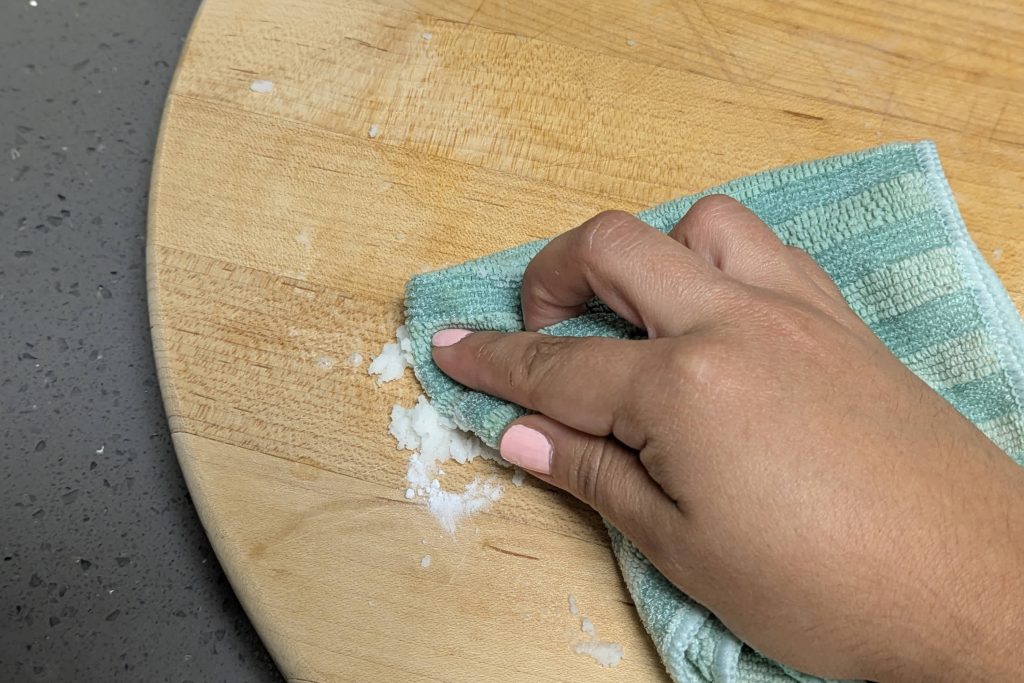
Your wooden cutting board is one of the most important tools in your kitchen. But do you know the right way to clean it?
If you don’t clean your board properly, bacteria can hide in tiny cracks and make your food unsafe. You might think rinsing with water is enough, but there’s a better way to keep your board fresh and long-lasting. You’ll discover simple, effective steps to clean your wooden cutting board the right way.
Keep reading to protect your health and make your kitchen safer every day.
Choosing The Right Wooden Board
Picking the right wooden cutting board helps keep your kitchen safe and clean. It also lasts longer with proper care.
Wooden boards come in different types, sizes, and maintenance needs. Knowing these can help you choose the best one.
Types Of Wood
Hardwoods are best for cutting boards. They resist knife marks and bacteria better than softwoods.
Common woods include maple, walnut, and cherry. Each has a different look and hardness level.
- Maple:Durable and light-colored
- Walnut:Dark, rich color and strong
- Cherry:Smooth texture and reddish tone
Board Size And Thickness
Choose a size that fits your kitchen space and cooking needs. Larger boards give more cutting room.
Thicker boards are more stable and last longer. Thin boards can warp or crack over time.
- Small boards are easy to store but limit cutting space
- Medium boards suit most kitchens and tasks
- Thick boards offer durability but weigh more
Maintenance Considerations
Wood boards need regular cleaning and oiling to stay safe and strong. Dry them well after washing.
Choose a board that fits your cleaning habits. Some woods need more care to avoid cracks and stains.
- Use mild soap and warm water for cleaning
- Apply food-safe mineral oil monthly to prevent drying
- Avoid soaking or putting boards in the dishwasher
Credit: www.thekitchn.com
Daily Cleaning Techniques
Keeping your wooden cutting board clean every day helps it last longer. Dirt and bacteria can hide on the surface if not cleaned well.
Follow simple steps to clean your board safely without damaging the wood. These daily habits keep your kitchen healthy.
Washing With Soap And Water
Use warm water and mild soap to clean your wooden cutting board after use. Avoid harsh detergents that can harm the wood.
Scrub the surface gently with a soft sponge or cloth. This removes food particles and grease without scratching the board.
- Rinse well to remove all soap
- Do not soak the board in water
- Clean both sides to prevent warping
Drying Methods
Dry your wooden cutting board right after washing to stop moisture damage. Use a clean towel to wipe off water.
Stand the board upright or lean it against a surface. This helps air reach all sides and speeds up drying.
- Do not leave the board flat to dry
- Avoid placing it near heat sources
- Make sure it is fully dry before storing
Avoiding Water Damage
Wood can crack or warp if it stays wet too long. Limit water exposure to keep your board strong and smooth.
Never put a wooden cutting board in the dishwasher. High heat and water pressure cause damage quickly.
- Use a damp cloth, not soaking wet
- Apply oil regularly to protect wood
- Store in a dry, ventilated place
Deep Cleaning Methods
Wooden cutting boards need deep cleaning to stay safe and last long. Regular washing is not enough to remove all germs and stains.
Use natural ingredients to clean your board without damaging the wood. Here are some effective methods.
Using Vinegar And Lemon
Vinegar and lemon are natural disinfectants. They kill bacteria and remove odors from wooden boards.
- Spray white vinegar evenly on the board’s surface.
- Let it sit for about 5 minutes to disinfect.
- Cut a lemon in half and rub it over the board.
- Leave the lemon juice on for 5 minutes to remove smells.
- Rinse the board with warm water and dry it well.
Salt Scrubbing
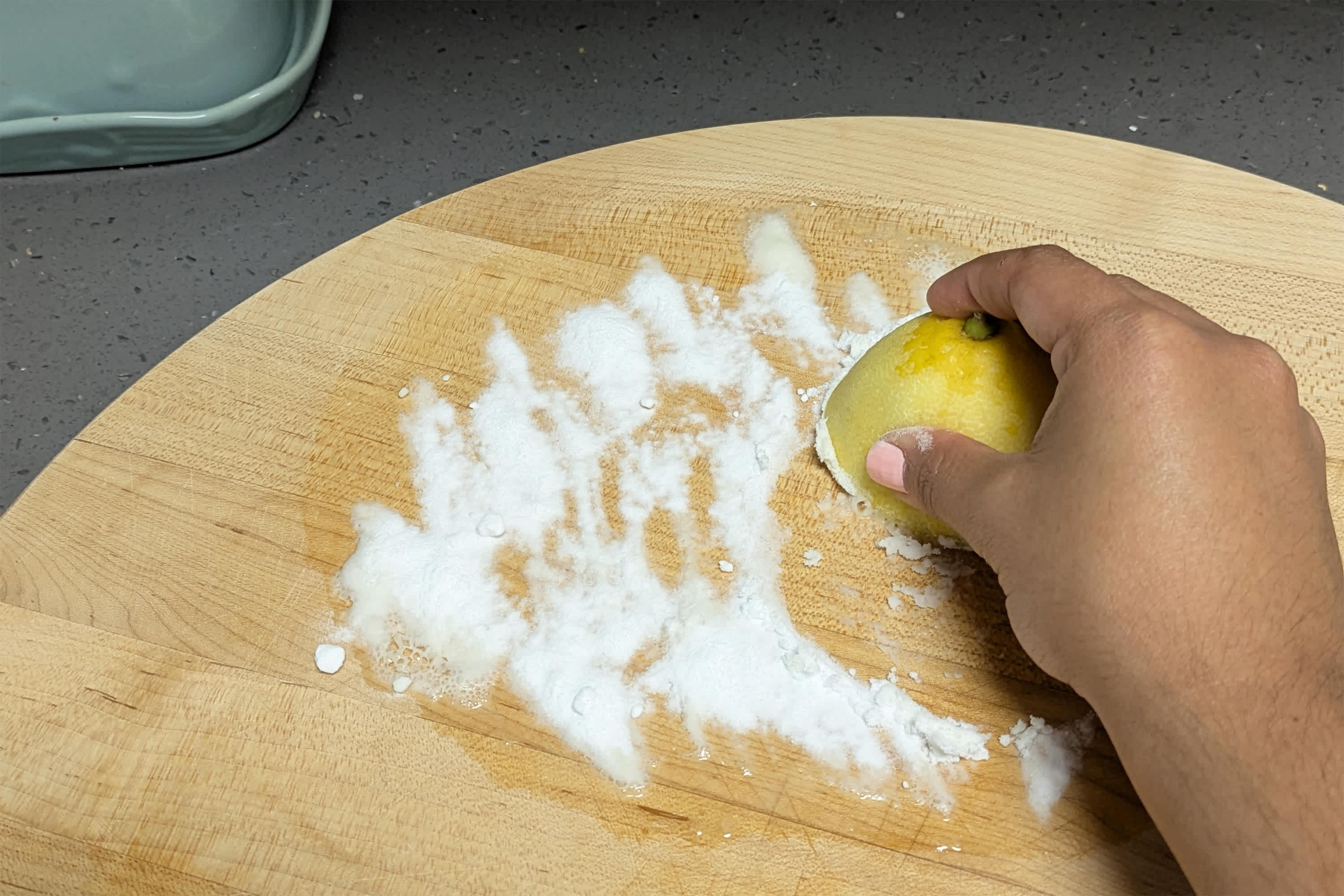
Salt helps scrub away stains and dirt while acting as a mild abrasive. It works well with lemon juice for cleaning.
| Materials | Purpose |
| Coarse salt | Scrubs surface and removes stains |
| Lemon juice | Breaks down grime and freshens smell |
| Warm water | Rinses away residue |
Sprinkle salt over the board, then rub with lemon half. Scrub in circles and rinse thoroughly afterward.
Baking Soda Treatments
Baking soda deodorizes and lifts stains from wooden cutting boards. It is gentle and safe for wood.
- Sprinkle baking soda on the board’s surface.
- Add a few drops of water to make a paste.
- Use a sponge to scrub the paste into the wood.
- Let it sit for 10 minutes to absorb odors.
- Rinse well with warm water and dry with a clean towel.

Credit: ca.style.yahoo.com
Disinfecting Wooden Boards
Wooden cutting boards need proper cleaning to stay safe. Disinfecting helps remove germs and bacteria.
Using the right method keeps your board in good shape and safe for food.
Safe Disinfectants
Some disinfectants kill germs without damaging wood. Use these for cleaning your board.
- White vinegar: A natural acid that kills many bacteria.
- Hydrogen peroxide: Works well to disinfect surfaces safely.
- Diluted bleach: Use very small amounts mixed with water.
- Rubbing alcohol: Effective for quick disinfection.
Avoiding Harsh Chemicals
Harsh chemicals can damage wood and leave harmful residues. Avoid these for your wooden board.
| Chemical | Reason to Avoid |
| Ammonia | Can dry out and crack the wood |
| Oven cleaner | Too strong and toxic for food surfaces |
| Dishwasher detergent | Harsh ingredients may strip oils from wood |
| Bleach concentrate | May cause discoloration and weaken wood |
Natural Alternatives
Natural products clean and disinfect without chemicals. They are safe and gentle on wood.
Try this natural cleaning mix:
- 1 cup white vinegar
- 1 cup water
- 10 drops tea tree oil (optional)
Spray on the board, let sit 5 minutes, then wipe clean.
Preventing Odors And Stains
Wooden cutting boards can absorb smells and stains if not cleaned well. Proper care helps keep them fresh and looking good.
This guide covers how to oil your board, remove strong odors, and clean stains safely.
Regular Oiling
Oiling your wooden cutting board keeps it from drying out and cracking. It also forms a barrier that stops stains and smells.
- Use food-safe mineral oil or beeswax oil.
- Apply oil evenly across the board’s surface.
- Let the oil soak in for several hours or overnight.
- Wipe off any extra oil before use.
- Oil the board once a month or after heavy cleaning.
Removing Persistent Smells
Some foods like garlic and fish leave strong smells. Use natural methods to remove these odors without harming the wood.
- Sprinkle coarse salt over the board surface.
- Rub the salt in with a half lemon, squeezing juice as you scrub.
- Let it sit for 5 minutes to absorb odors.
- Rinse the board with warm water and dry it well.
- Repeat if the smell remains.
Stain Removal Tips
Stains can make your board look old. Use gentle cleaning to remove marks without damaging the wood.
| Stain Type | Cleaning Method |
| Dark spots from berries or juice | Sprinkle baking soda, scrub gently, rinse with warm water |
| Oil or grease stains | Use mild dish soap with warm water, scrub with soft brush |
| Rust stains | Apply white vinegar, let sit 10 minutes, rinse well |

Credit: ca.style.yahoo.com
Repairing And Refinishing
Wooden cutting boards need care to stay safe and useful. Repairing and refinishing helps remove cuts and stains.
This guide explains sanding, sealing, oiling, and when to replace your board.
Sanding Techniques
Start sanding with coarse sandpaper to remove deep cuts. Use finer sandpaper to smooth the surface. Always sand in the direction of the wood grain.
- Clean the board and let it dry.
- Use 80-grit sandpaper for rough spots.
- Switch to 120-grit for general sanding.
- Finish with 220-grit for a smooth surface.
- Wipe dust off with a damp cloth.
Sealing And Oiling
Sealing protects the wood from water and stains. Oiling keeps the board from drying and cracking.
| Type | Purpose | Application Tips |
| Mineral Oil | Prevents drying | Apply with cloth, let soak, wipe excess |
| Beeswax | Creates water barrier | Use after oiling, buff to shine |
| Food-Safe Wood Conditioner | Combines oil and wax | Follow product instructions |
When To Replace
Replace your board if deep cracks or large stains remain after sanding. Warped or split boards can harbor bacteria.
- Check for cracks deeper than 1/8 inch.
- Look for persistent odors or stains.
- Replace if the board warps or splits.
- Consider hygiene and safety first.
Storage And Handling Tips
Wooden cutting boards need care to stay useful and safe. Proper storage and handling keep them in good shape. Follow these tips to avoid damage and bacteria growth.
Keep your wooden board dry and clean. Store it in a place where air flows well. Avoid stacking heavy items on it to protect its surface.
Proper Storage Conditions
Store your wooden cutting board in a dry, cool spot. Avoid places with high humidity or direct sunlight. These conditions help prevent cracking and mold.
- Keep the board upright or on its side for air circulation
- Do not store it flat under heavy objects
- Use a rack or stand if possible
- Make sure the board is completely dry before storing
Avoiding Warping
Warping happens when wood absorbs water unevenly. To keep your board flat, avoid soaking it or leaving it wet for long. Dry both sides after washing.
| Cause | Prevention |
| Soaking in water | Wash quickly and dry immediately |
| Exposure to heat | Keep away from stoves and dishwashers |
| Drying one side only | Dry both sides evenly |
Safe Handling Practices
Handle your wooden cutting board with care to keep it clean and safe for food. Use separate boards for meat and vegetables to avoid cross-contamination.
- Clean the board after each use with hot soapy water
- Disinfect with vinegar or lemon juice sometimes
- Dry the board completely before storing
- Oil the board regularly to prevent drying and cracking
Frequently Asked Questions
How Often Should I Clean My Wooden Cutting Board?
Clean your wooden cutting board after each use to prevent bacteria buildup. Use hot, soapy water and scrub gently. Rinse thoroughly and dry immediately. Regular cleaning ensures your board remains hygienic and prolongs its lifespan.
Can I Use Vinegar To Clean Wooden Boards?
Yes, vinegar is effective for cleaning wooden cutting boards. Mix equal parts of white vinegar and water. Wipe the board with a cloth soaked in the solution. This helps disinfect and remove odors without damaging the wood.
Is It Safe To Use Bleach On Wooden Boards?
Avoid using bleach on wooden cutting boards. Bleach can damage the wood and leave harmful residues. Instead, opt for natural cleaning solutions like lemon juice or vinegar. These are safer and just as effective for disinfecting your board.
How Do I Remove Stains From My Cutting Board?
Sprinkle coarse salt over the stained area. Rub with half a lemon, squeezing gently to release juice. This natural method effectively lifts stains without harming the wood. Rinse with water and dry thoroughly afterward.
Conclusion
Cleaning your wooden cutting board keeps it safe and long-lasting. Use mild soap and warm water for daily cleaning. Dry it well to avoid cracks or mold. Oil the board regularly to protect the wood. Simple care helps prevent bacteria and keeps food fresh.
A clean board means healthier meals for you and your family. Take small steps every day to maintain your cutting board. It’s easy and worth the effort. Keep your kitchen safe and your board looking great.